Frances Marshall (UK)

Queer Religion (2025) (Perspectives: female · United Kingdom of Great Britain and Northern Ireland)

Jury Statement

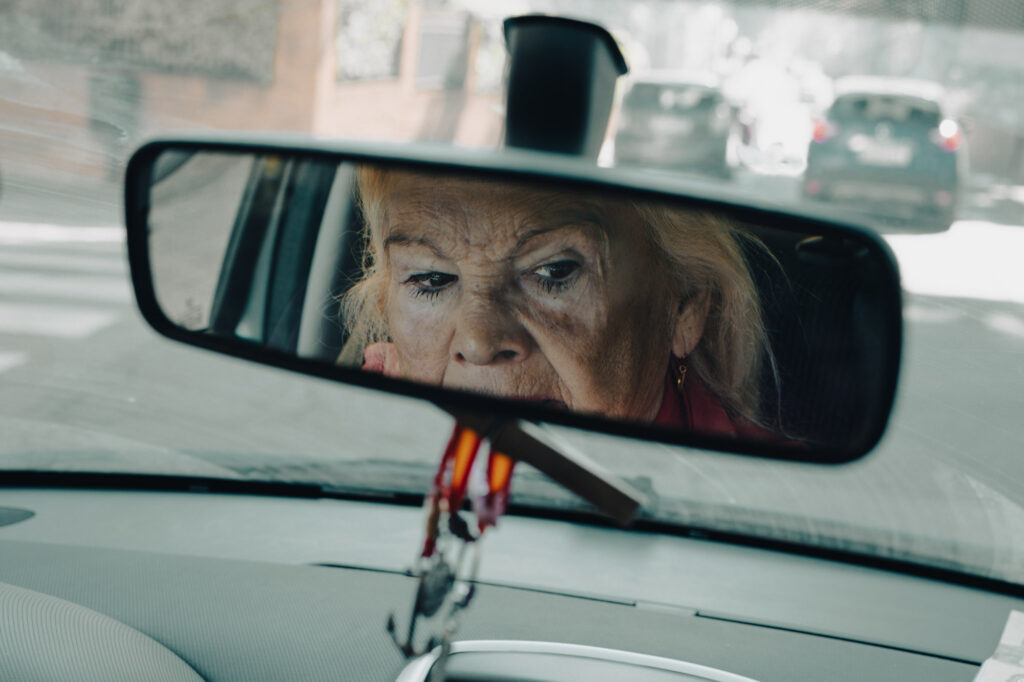
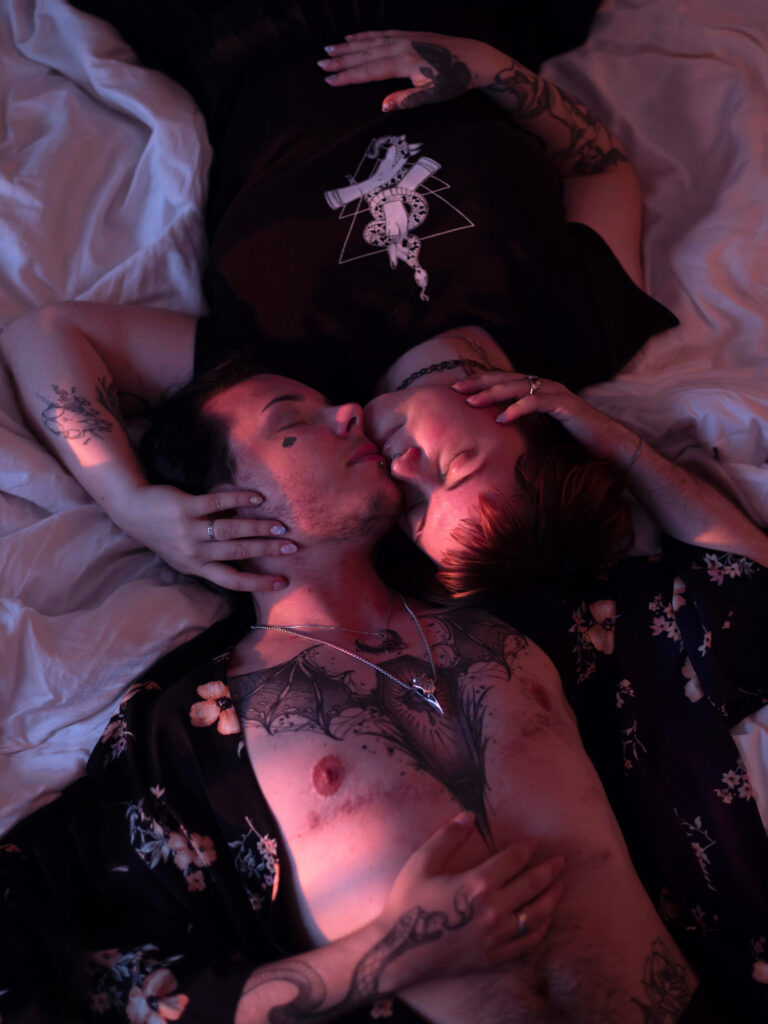
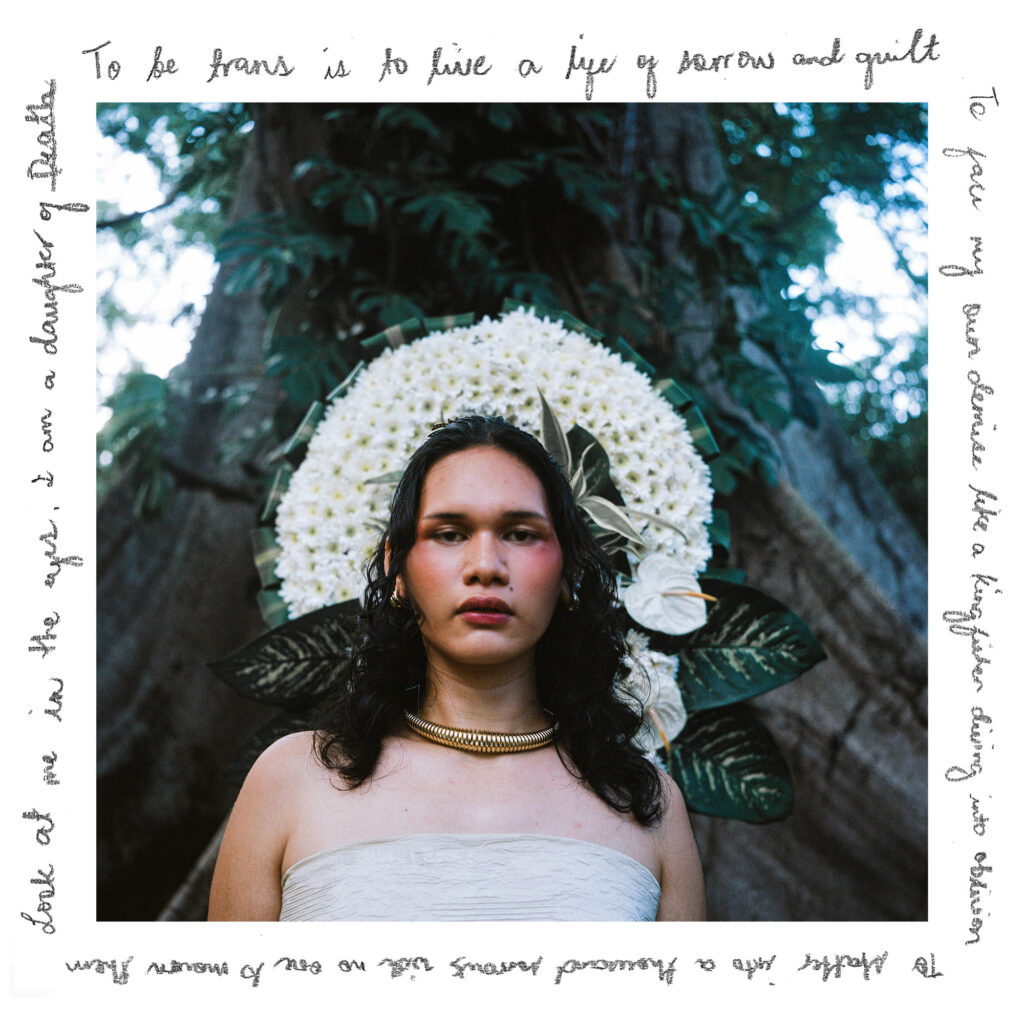
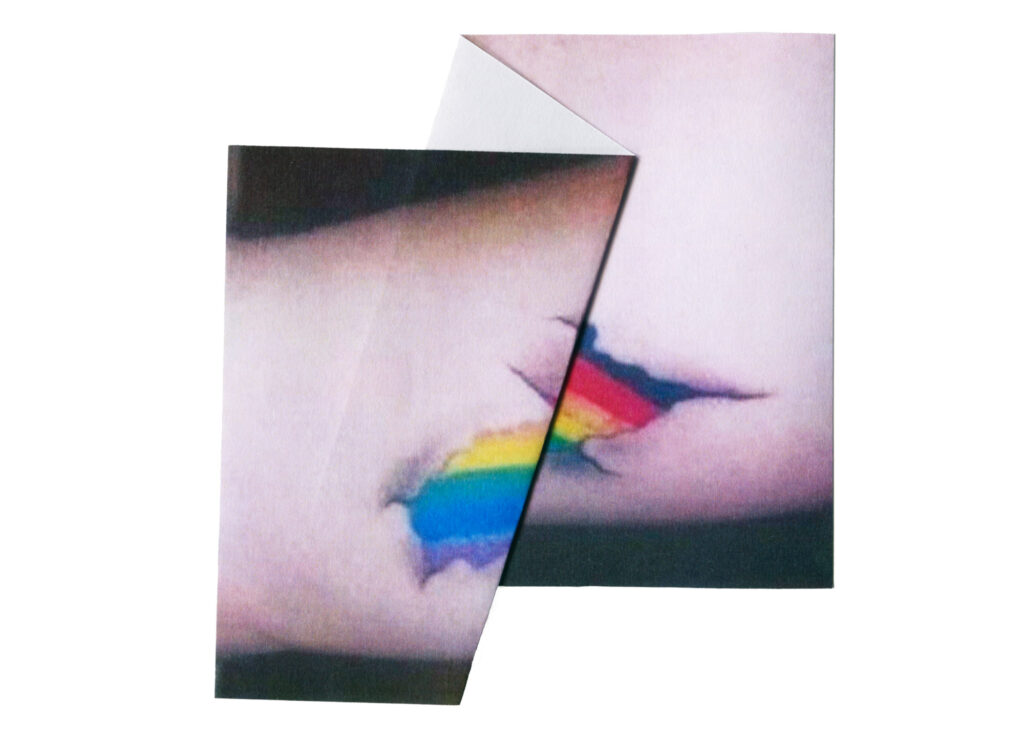
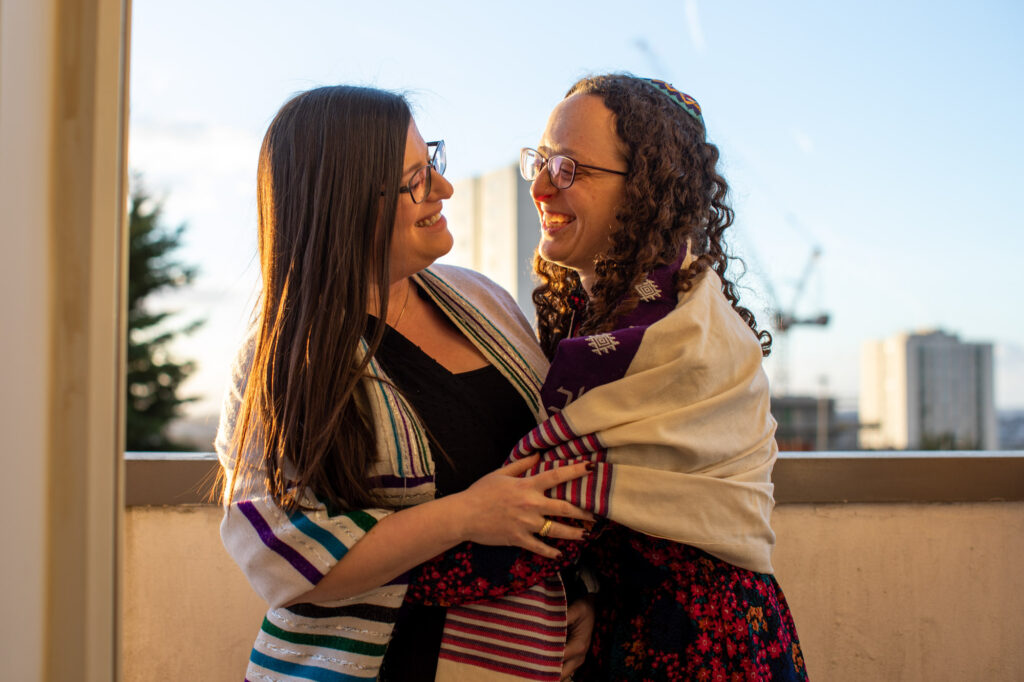
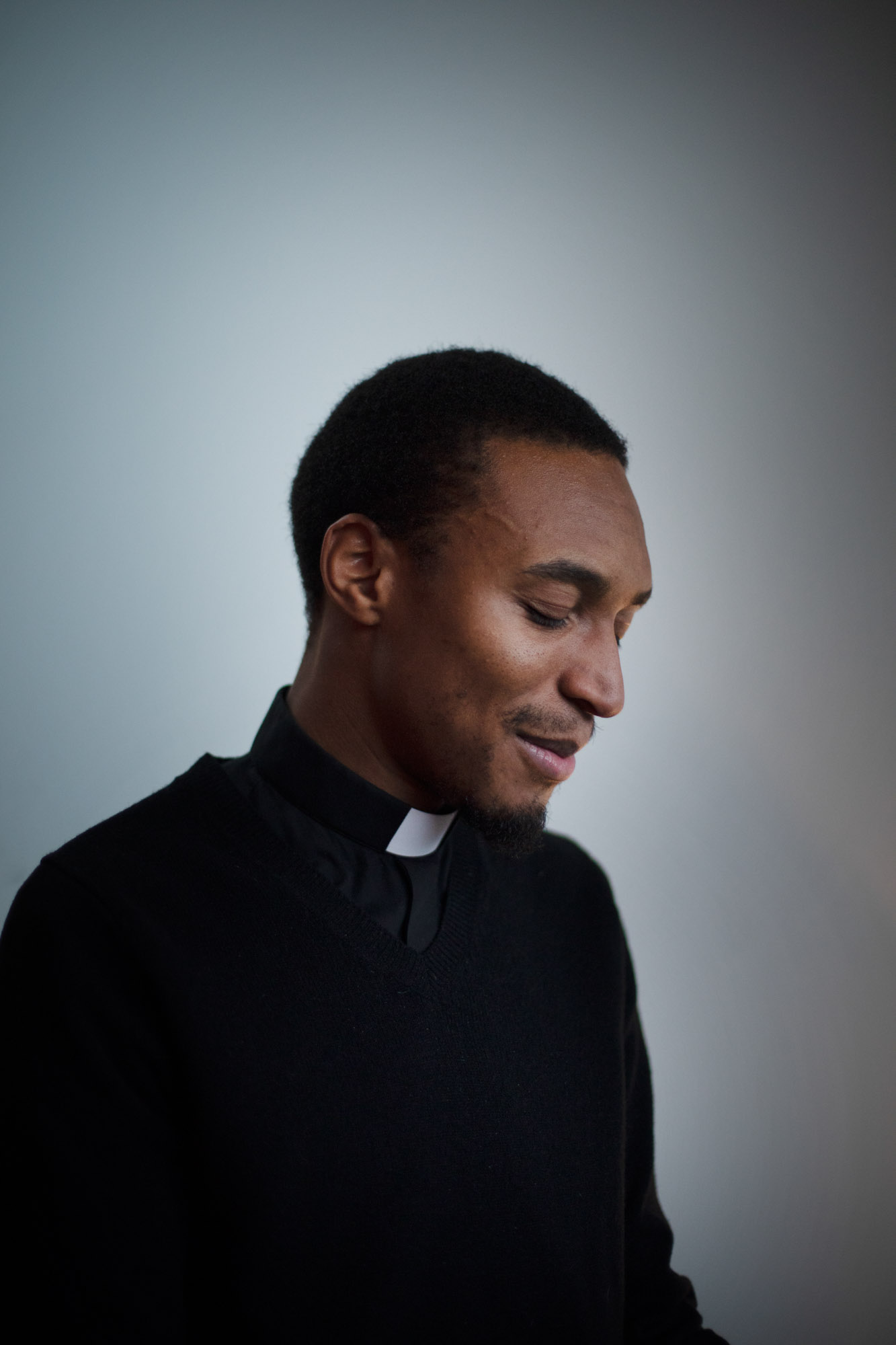
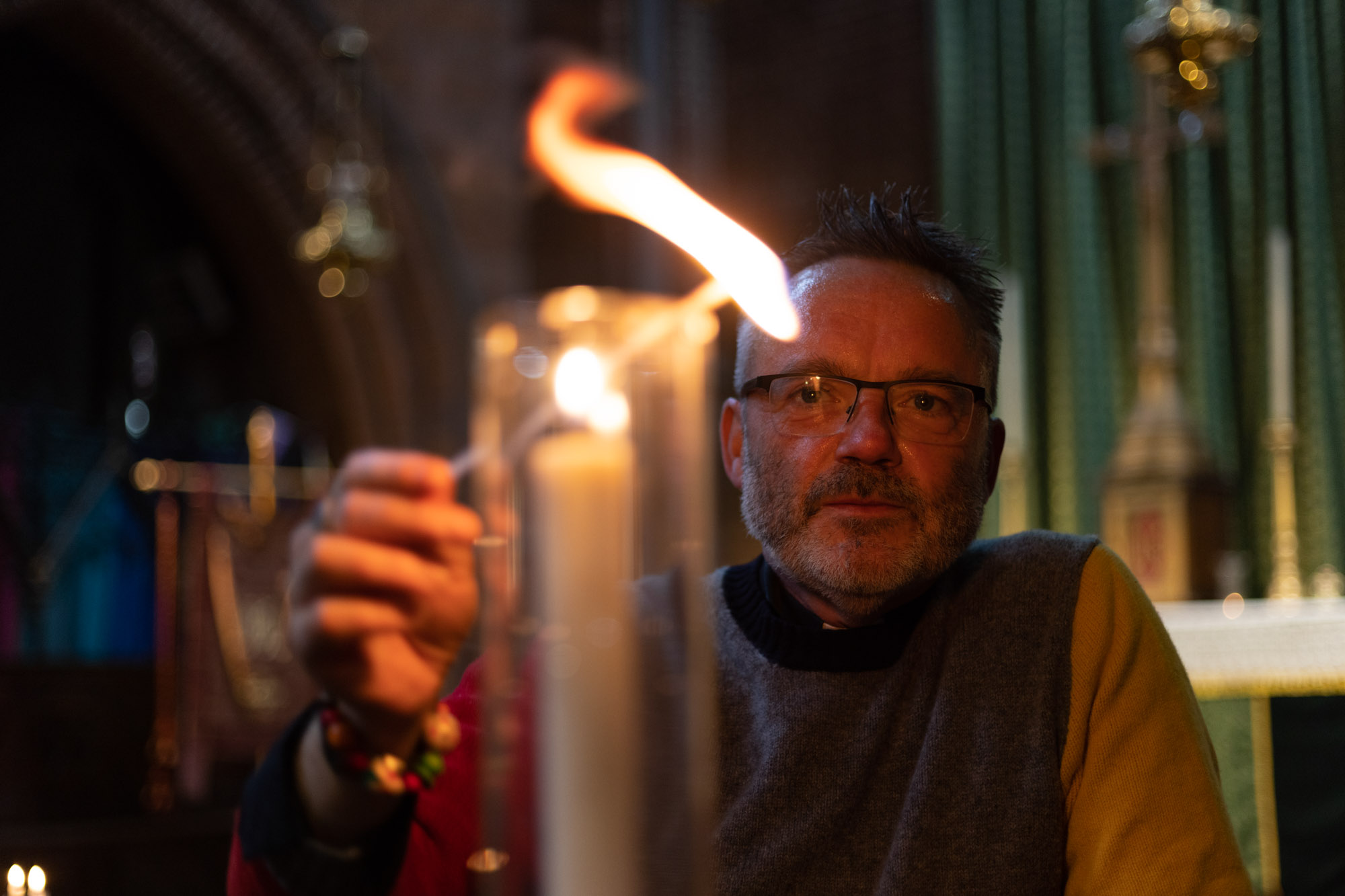
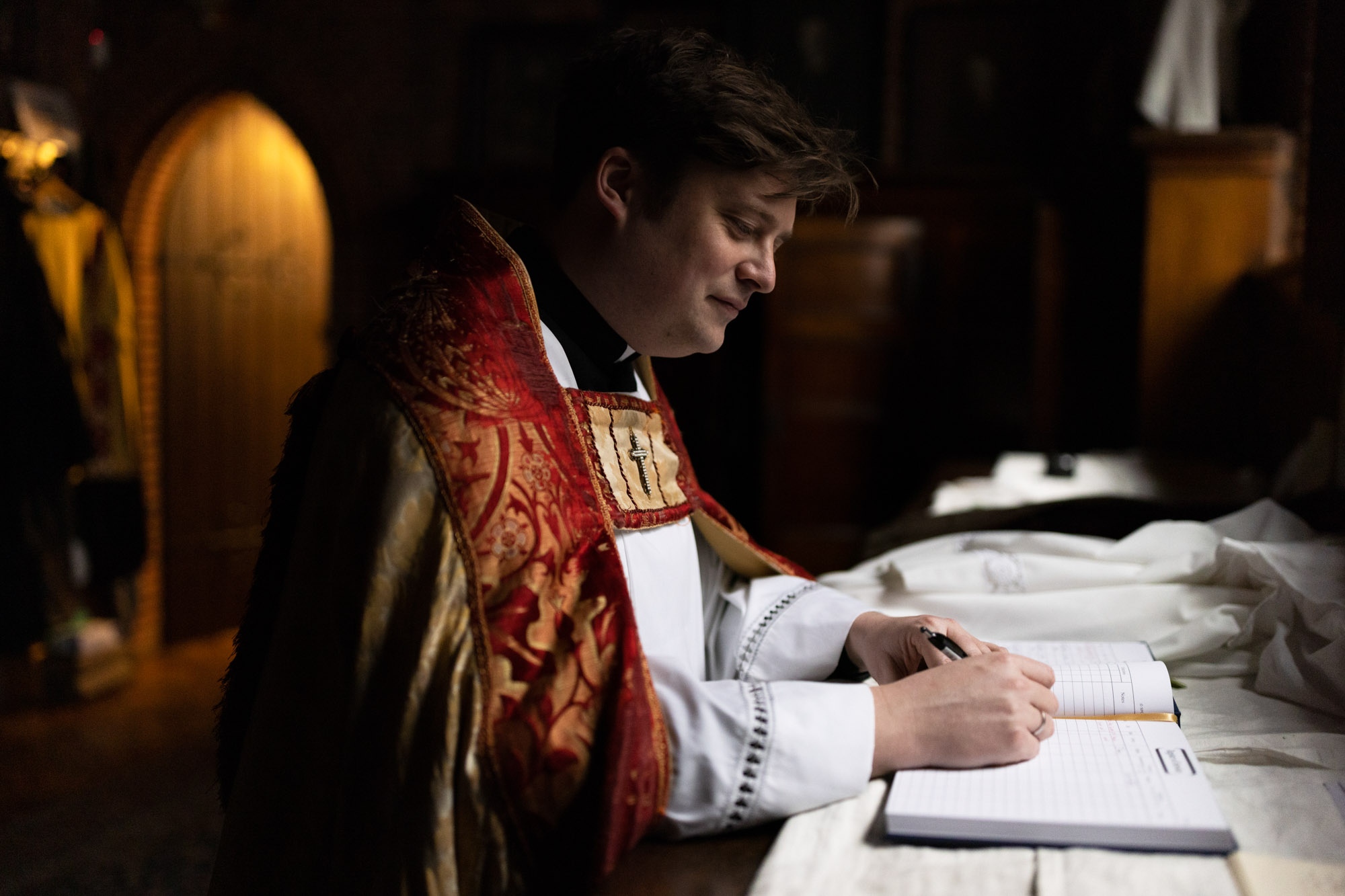
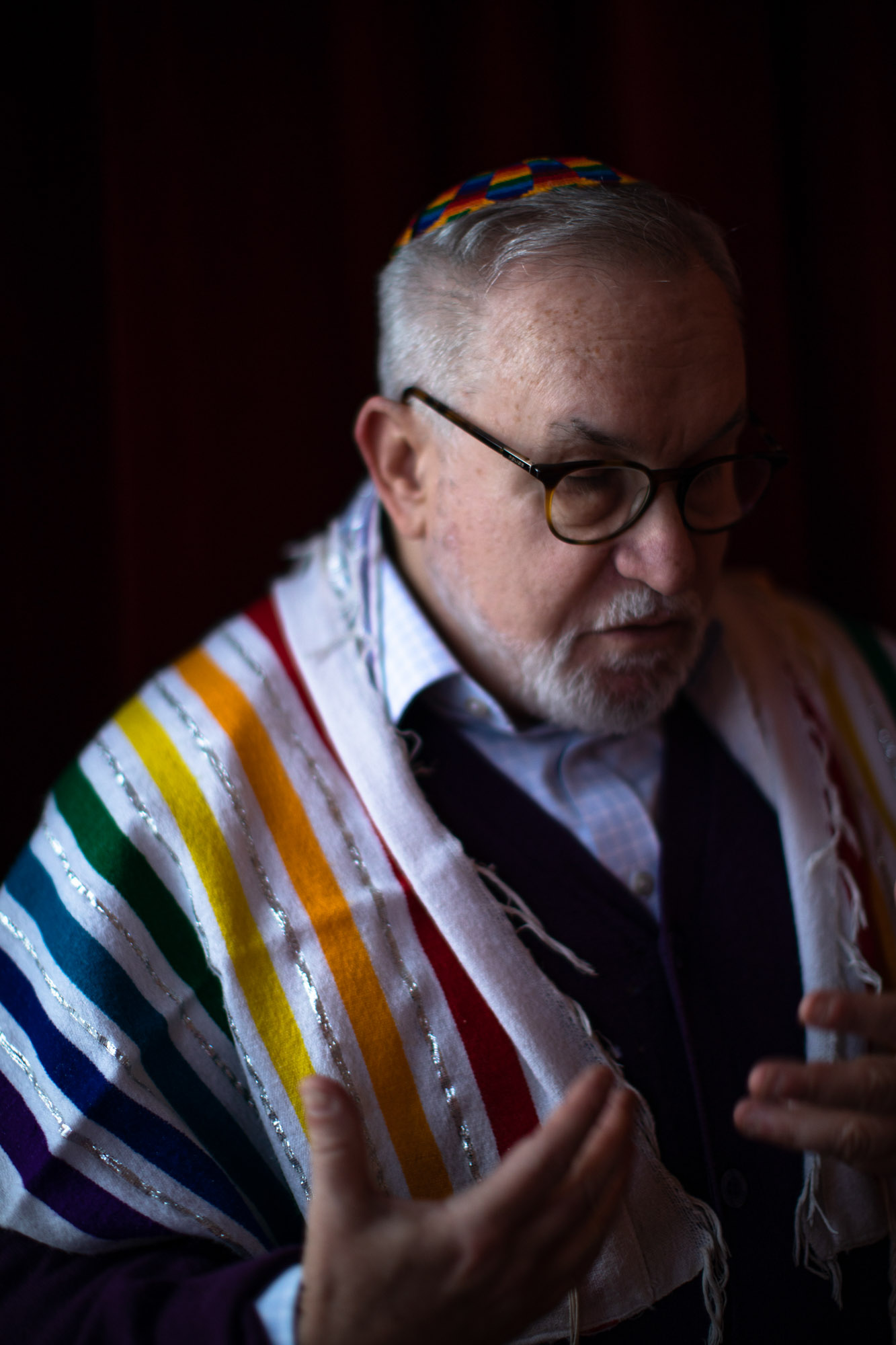
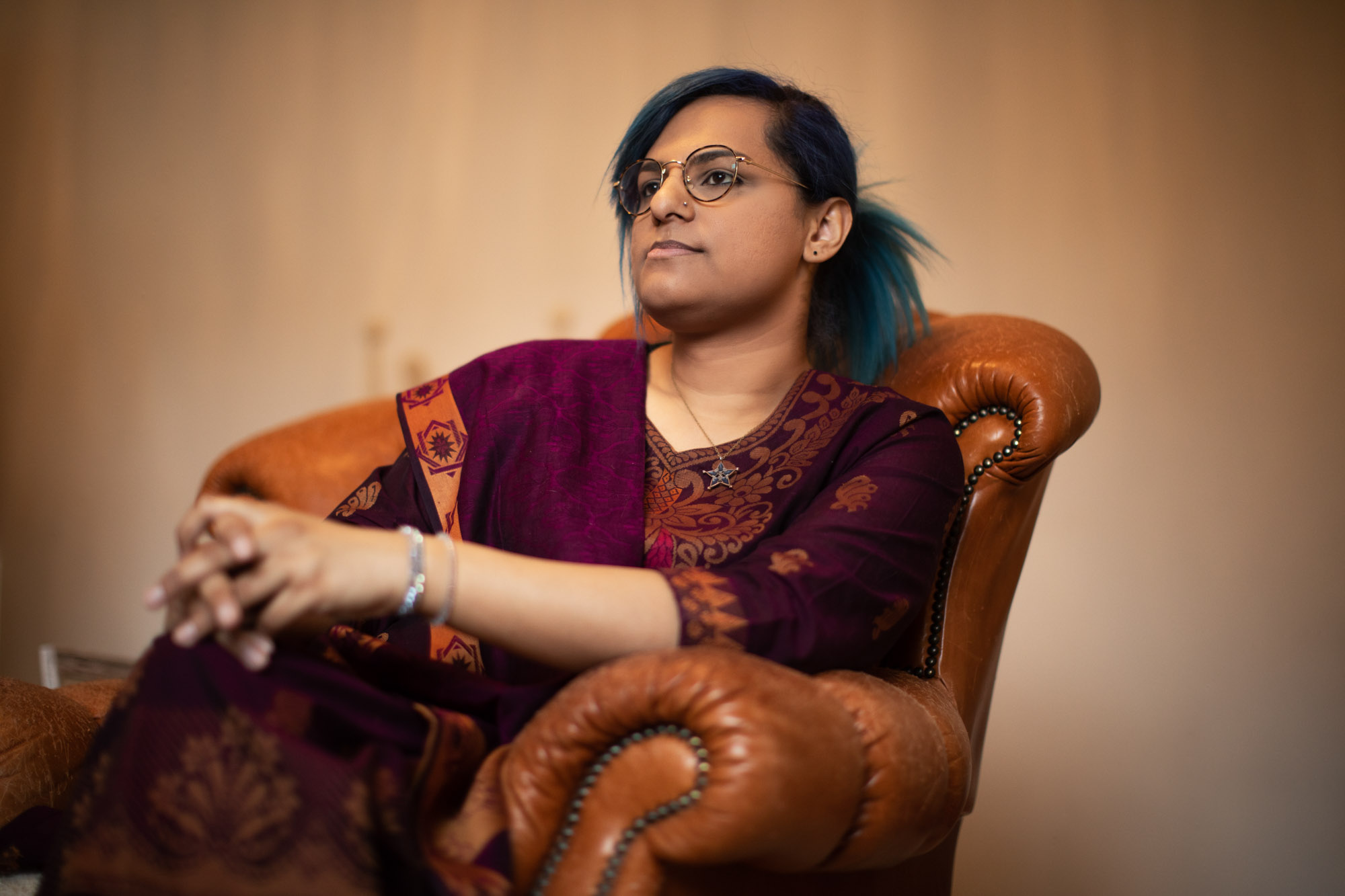
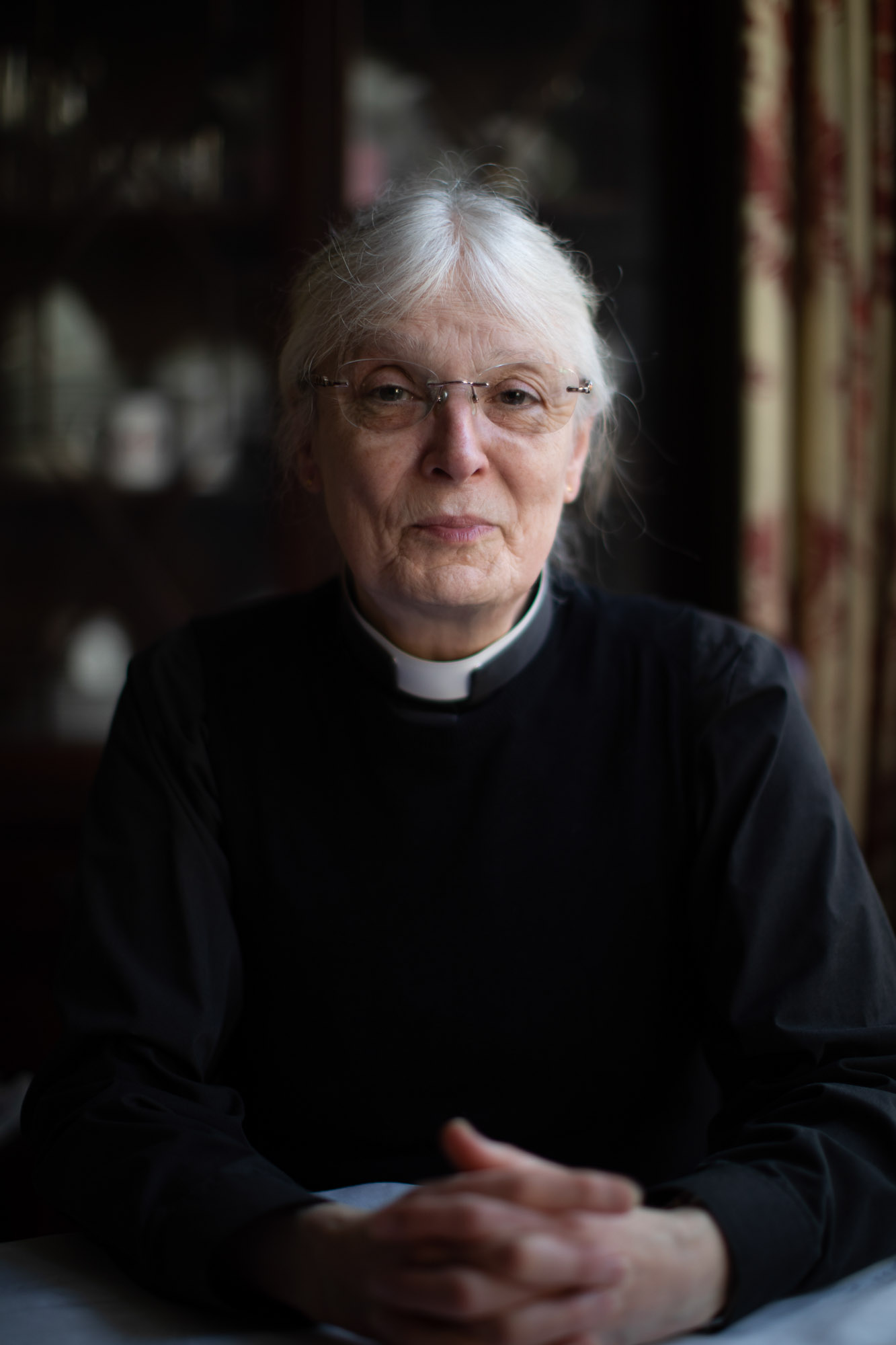
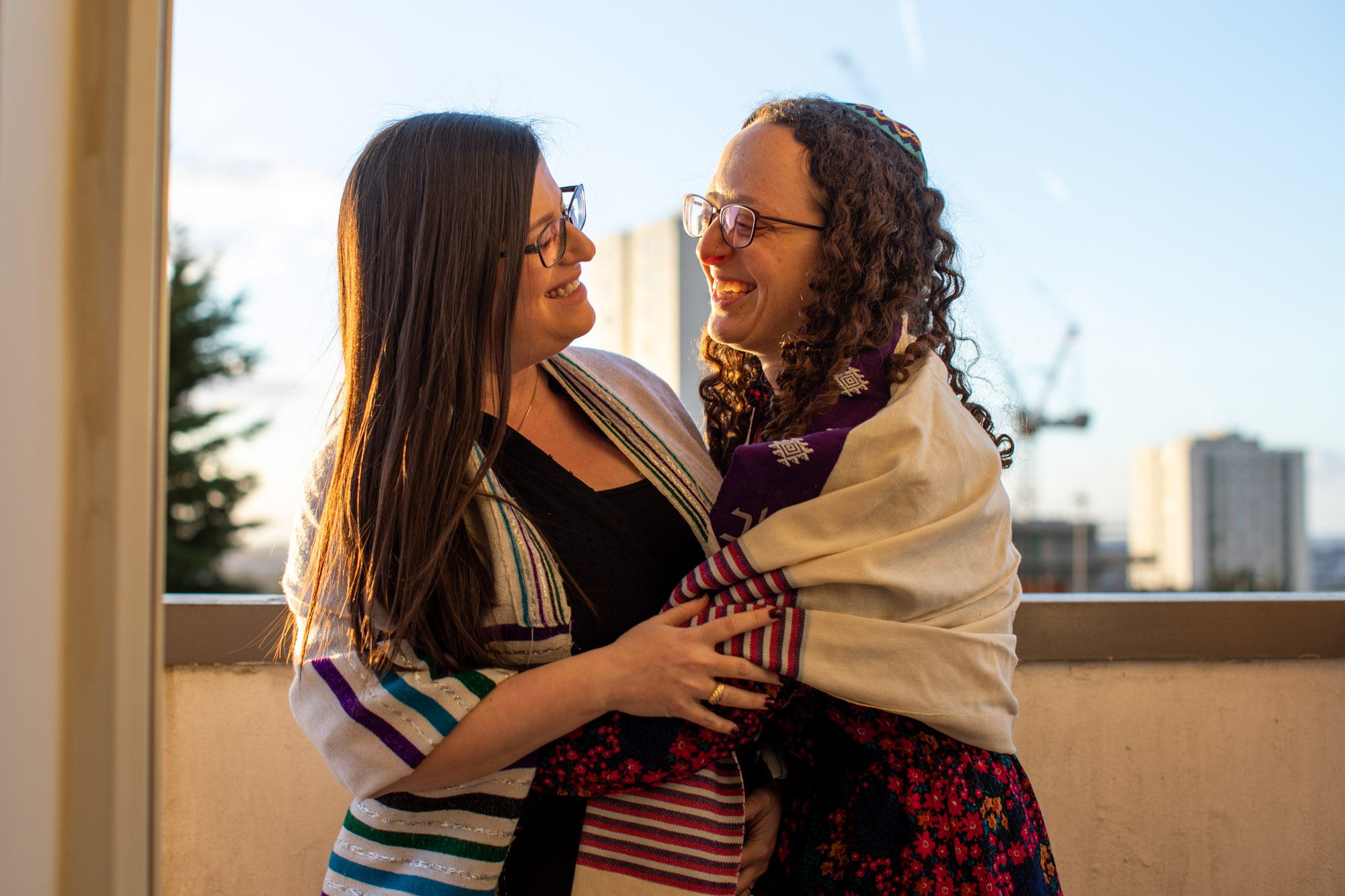
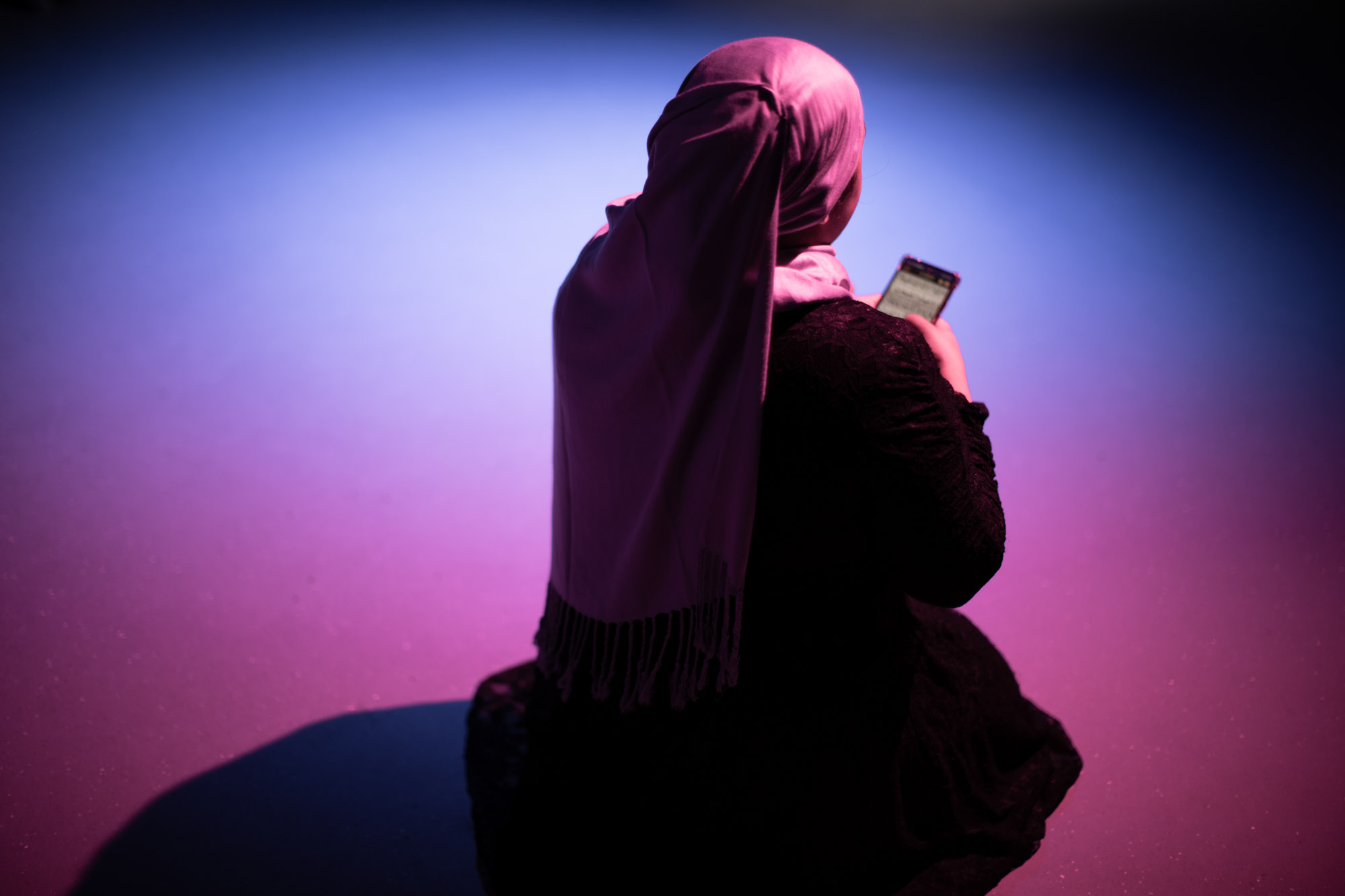
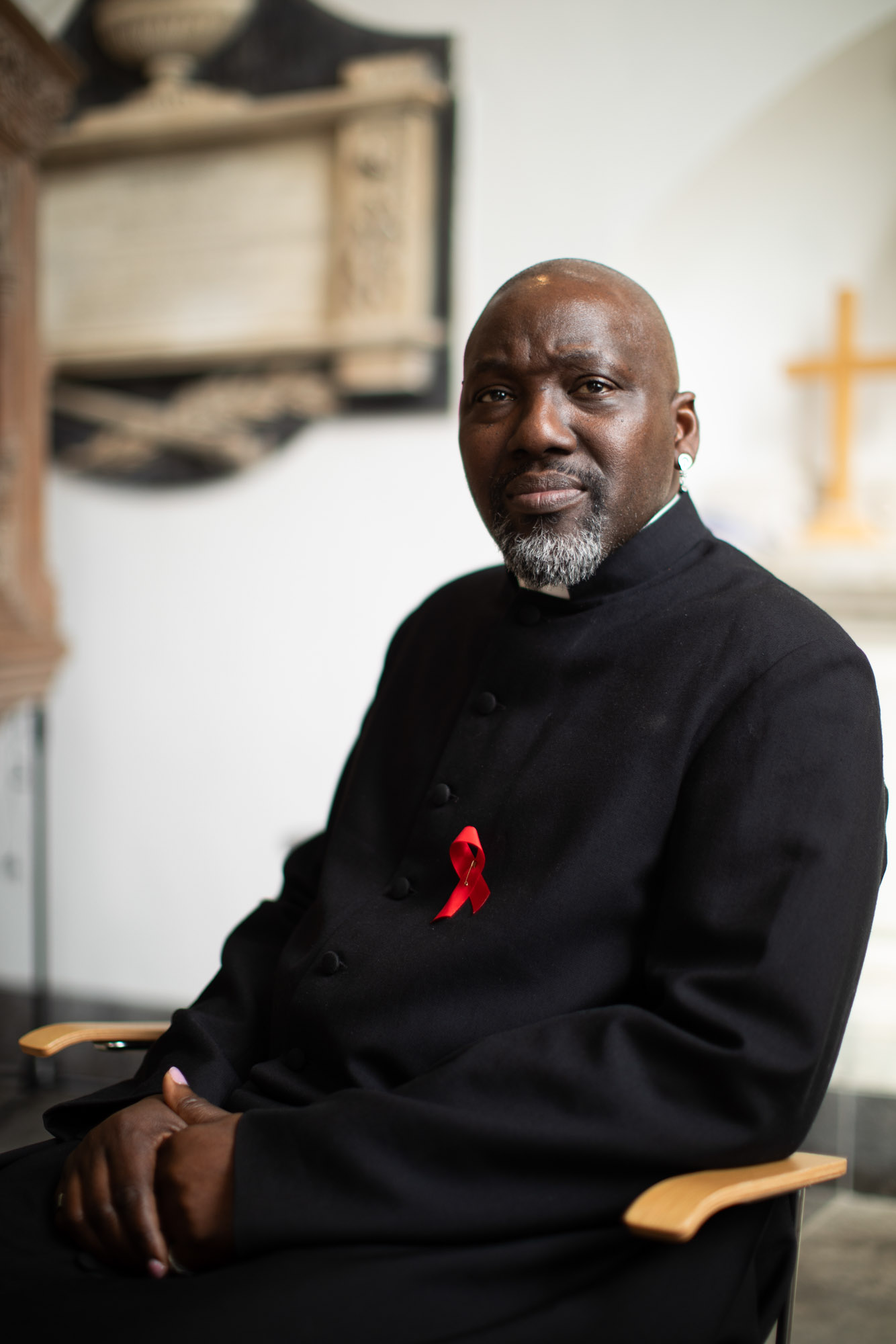
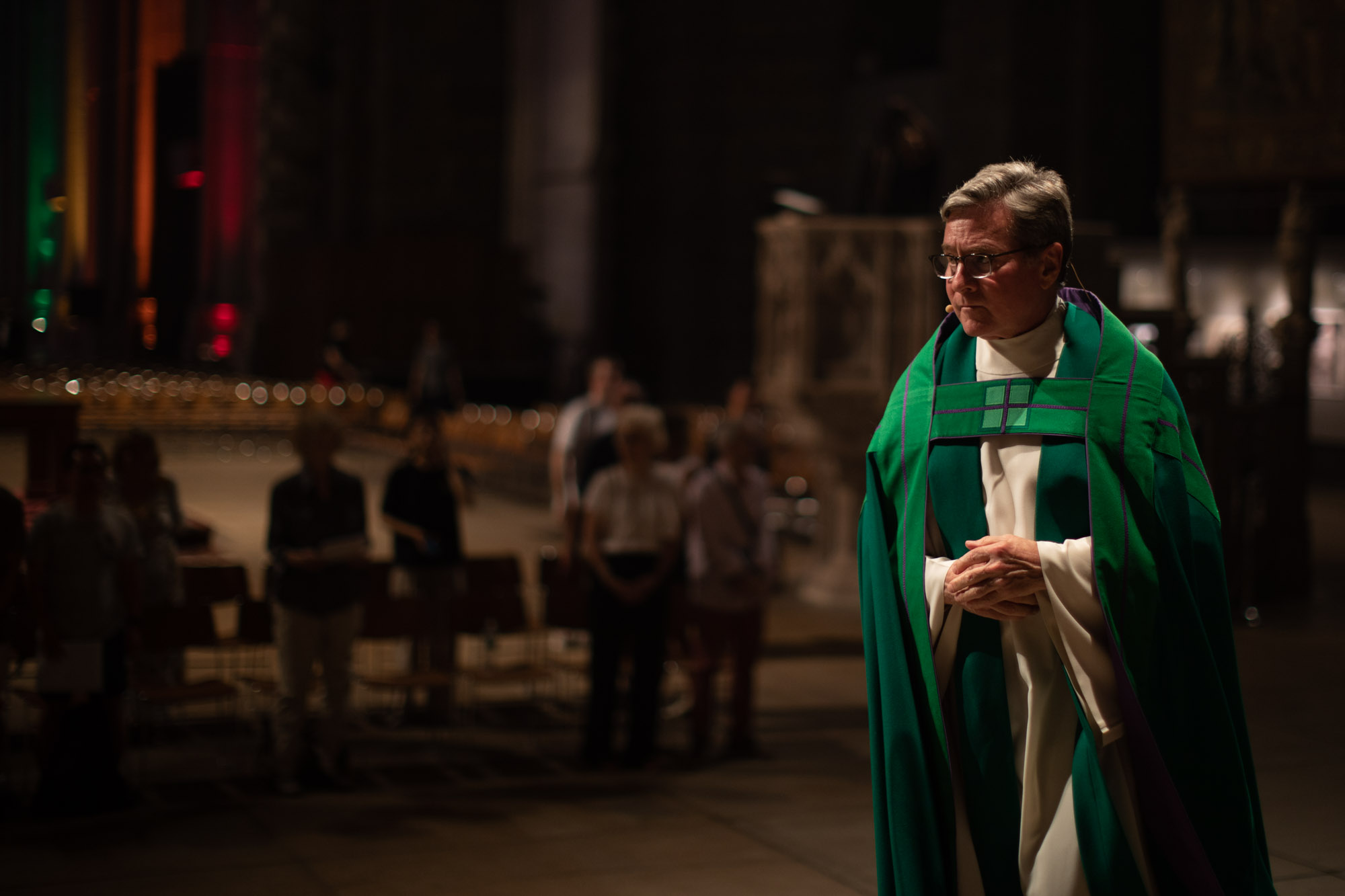
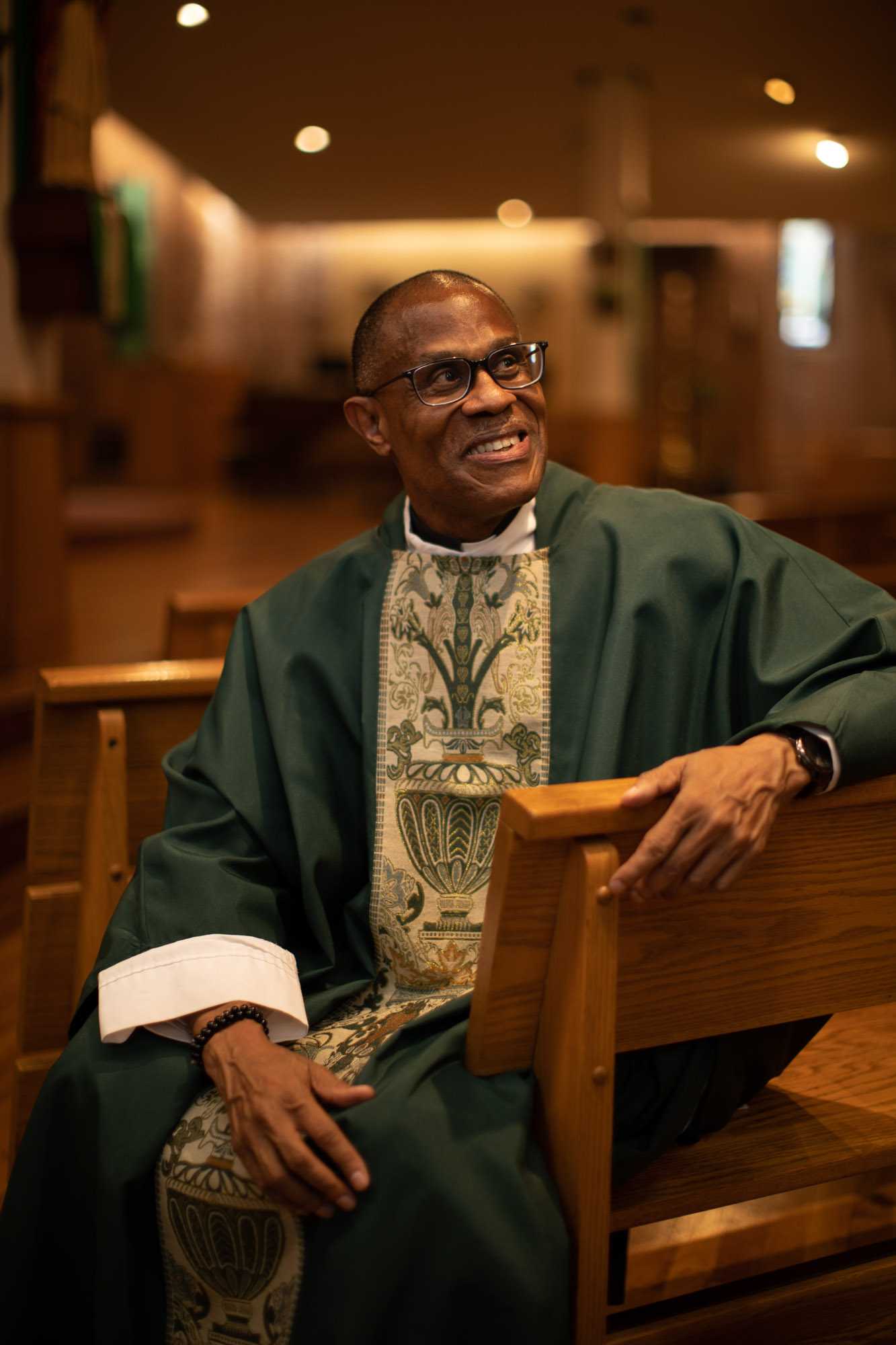
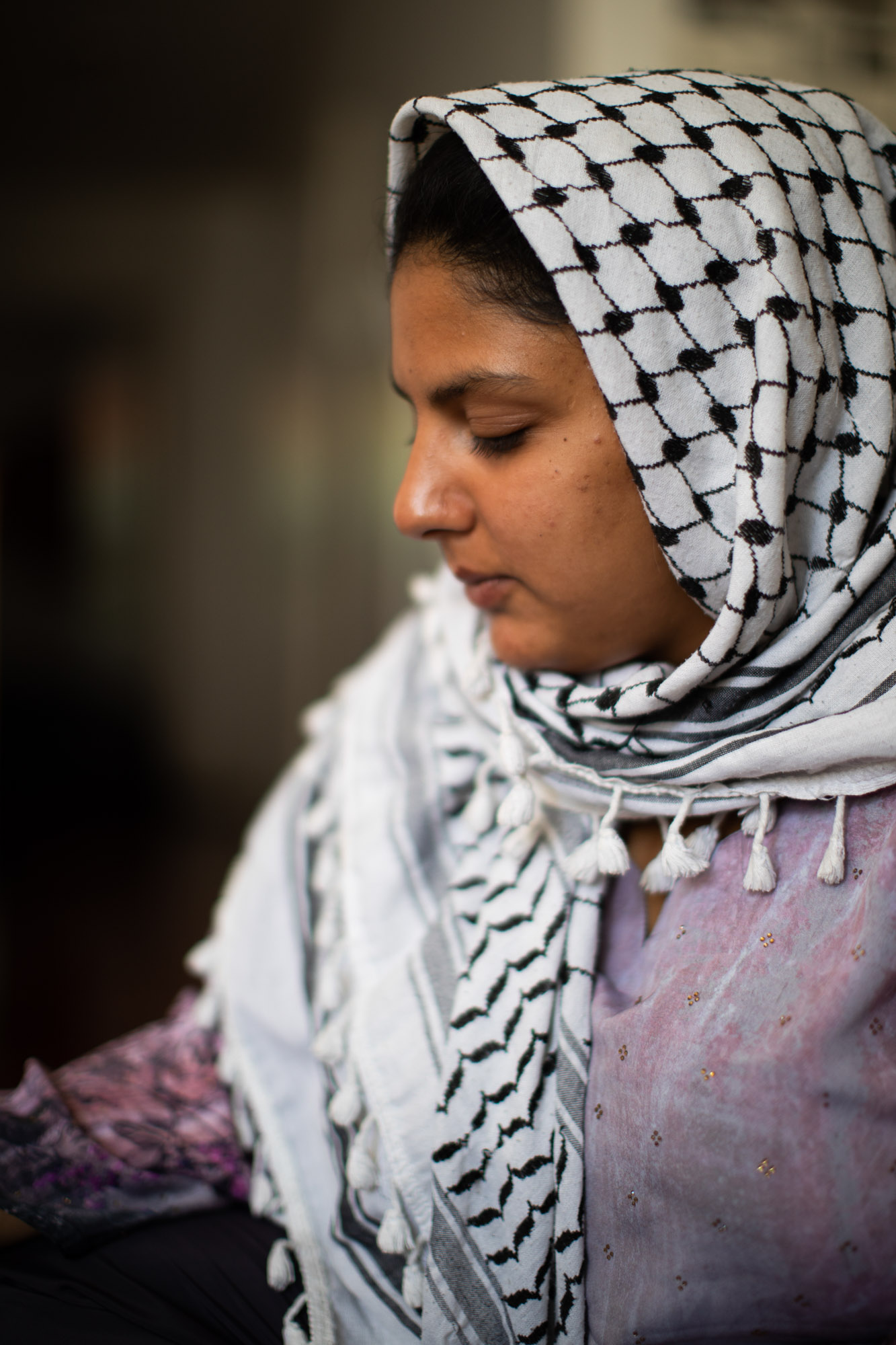
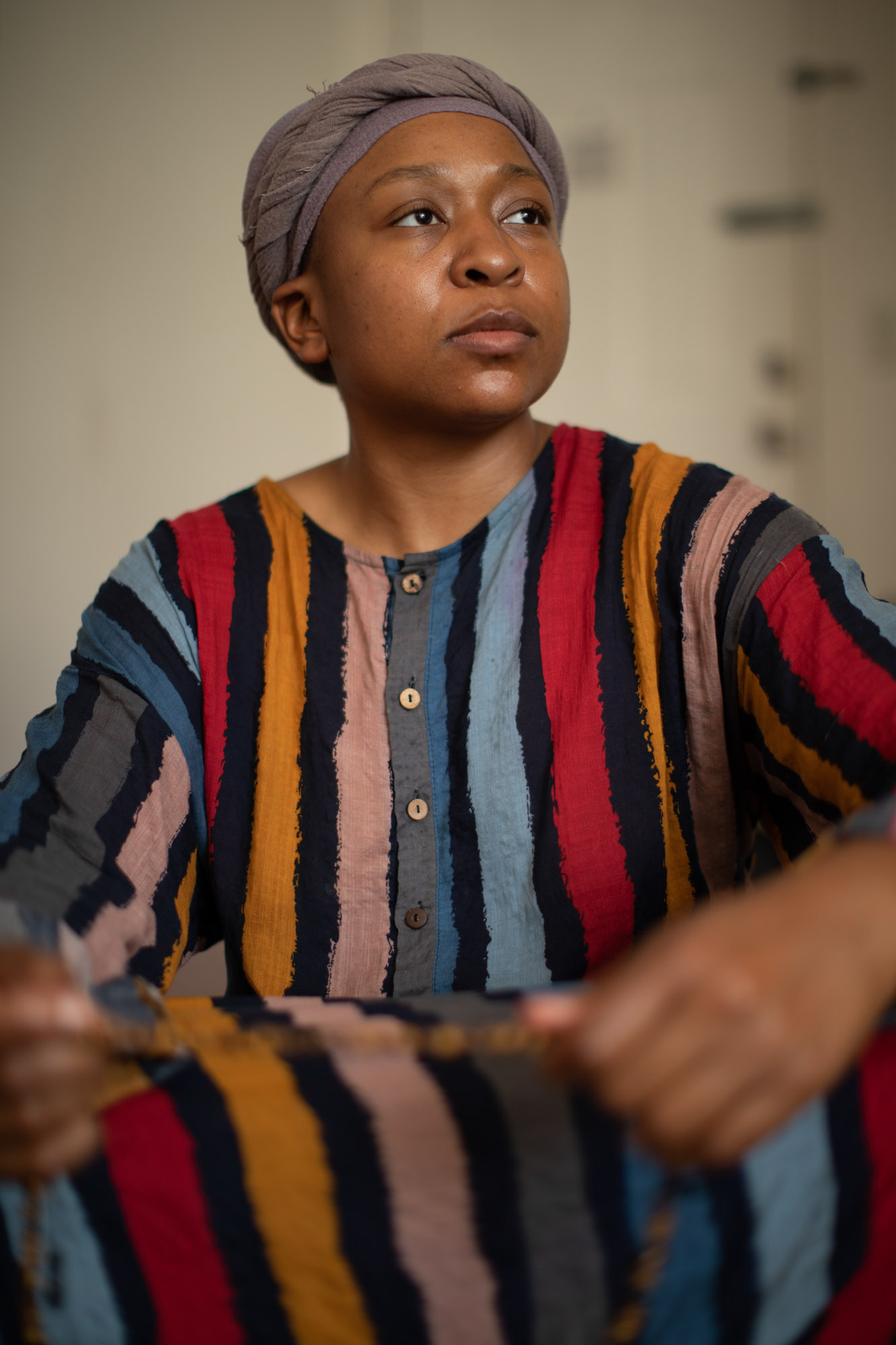
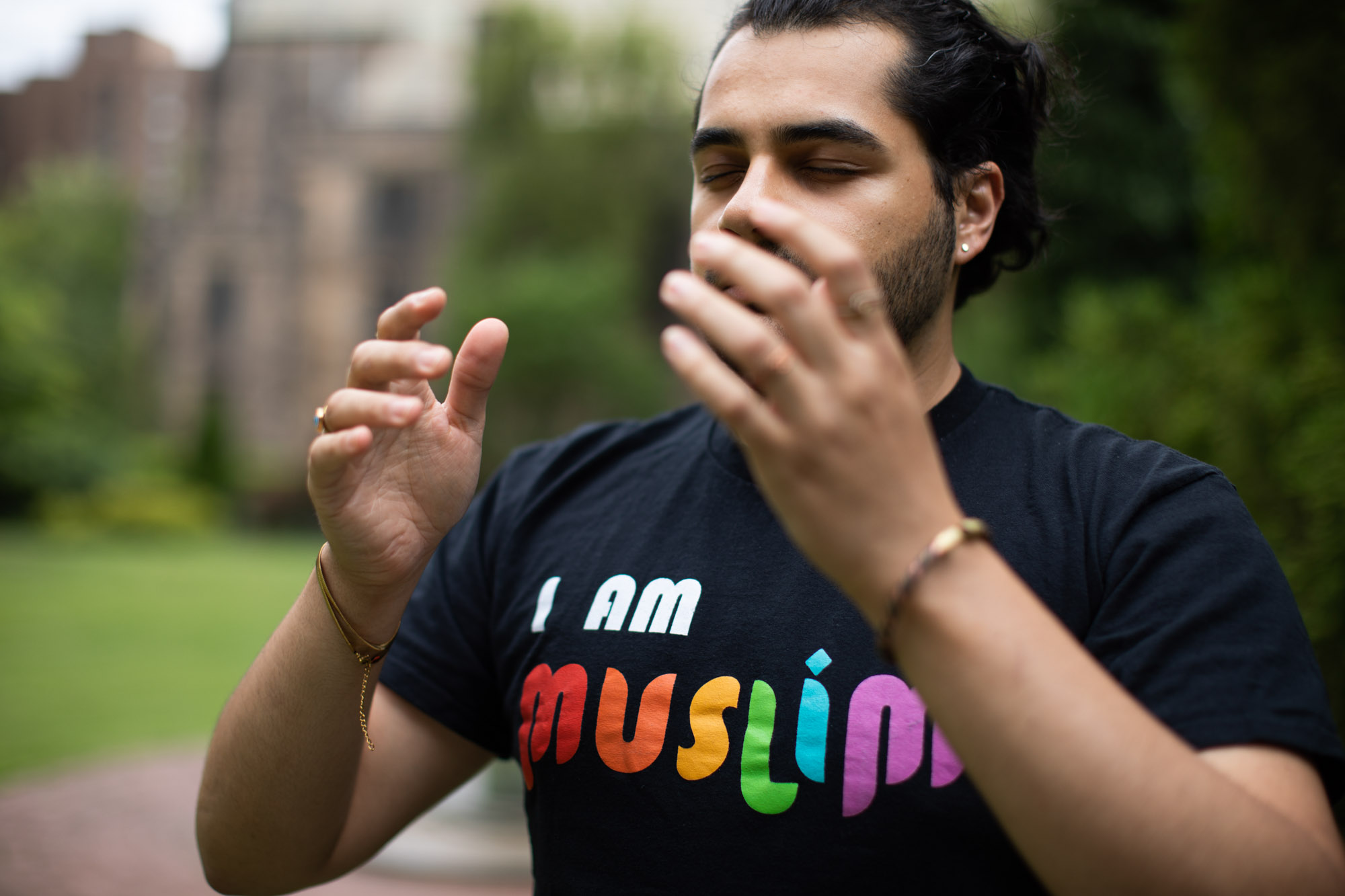
Frances Marshall presents a focused portrait series that platforms queer people within different Abrahamic faiths. The work centers on individuals who take responsibility, stand up for one another and create openings where constraint and exclusion of queer lives often prevail. Through the deliberate presence of the ones portrayed, faith emerges not as a contradiction, but as a practice of support and connection. A concentrated, deliberate statement that affirms belonging. For queer people, too, faith can mean refuge and shelter, a sense of being held that would, without those who actively open these spaces, largely remain institutionally demonized.


Queer Religion

Queer Religion seeks to bring into dialogue two of the most persistent contemporary paradoxes: queerness and religion. Working from the position of a queer atheist perspective, it highlights and honors openly queer leaders within religious contexts who, despite significant personal risk, choose to live their truth and foster change from within monotheistic institutions. The portraits focus on individuals who create spaces of care and affirmation inside structures that have historically been associated with exclusion and queerphobia. In doing so, the work shifts attention to the complexity of belief systems as both personal practice and institutional power. “Religion is more than belief, it’s power and it’s influence. That influence affects all of us regardless of your own belief. Criticism does not change things, neither does invalidation. So how do we walk this tightrope?” – Chelsea Shields


Biography 

Frances Marshall is an Irish Arts photographer who has been working in the industry predominantly in the UK, Europe and the U.S. Her clients include some of the world’s greatest classical musicians and arts organisations. As a fine art photographer and through her exhibition work, she has been awarded the Portrait of Britain, Semifinalist at Head On Festival Sydney, and shortlisted for the Royal Photographic Society International Exhibition, Helsinki Photo Festival and Taylor Wessing Award UK. She has held exhibitions most recently in San Francisco, UK, Ireland and New York. Her work has gone into permanent collection at the National University of Ireland, Maynooth. „I’m constantly fascinated by what each of us sees as unfamiliar or other, looking deeply into paradoxes and recognising our biases and judgements that hang on us like chains. These chains cause us to shrink our empathy and limit our ability to connect and remaining curious today seems like the greatest obstacle for many of us. Through my work I’m learning new perspectives about not only a community that I belong to but the nuances of intersectionality that I have never before considered. I hope that with my work, I open hearts and minds to being more curious rather than judgemental while always coming from a place of empathy and sensitivity to a person’s experience that is different to one’s own.“ – Frances Marshall

Jury Statement

Frances Marshall zeigt konzentrierte Porträtserie, die queere Menschen in abrahamitischen Glaubensräumen sichtbar macht. Die Arbeit richtet den Blick auf Menschen, die Verantwortung übernehmen, füreinander einstehen und dort Öffnungen schaffen, wo Enge und Ausschluss queerer Menschen dominieren. In ihrer Reduktion entfalten die Fotografien eine eindringliche Klarheit: Queerness und Glaube erscheinen nicht als Widerspruch, sondern als Praxis von Halt und Verbundenheit. Eine ruhige, bestimmte Setzung, die Zugehörigkeit vertritt. Auch für queere Menschen kann Glaube Zuflucht und Geborgenheit sein, ein Gehaltenwerden, das jedoch ohne jene, die diese Räume aktiv öffnen, meist institutionell verschlossen bliebe.


Queer Religion

Queer Religion versteht sich als Einladung zum Dialog zwischen zwei der prägendsten Spannungsfelder unserer Gegenwart: Queerness und Religion. Aus der Perspektive einer queeren Atheistin richtet sich der Blick auf prominente, offen queere Persönlichkeiten innerhalb religiöser Kontexte – Menschen, die mit großer persönlicher Konsequenz ihrer eigenen Wahrheit folgen und zugleich Impulse für Veränderung in monotheistischen Traditionen setzen. Ihre Sichtbarkeit eröffnet Räume der Zugehörigkeit innerhalb von Institutionen, die historisch häufig durch Ausschluss und Queerfeindlichkeit geprägt waren. Indem sie Glauben, Identität und Öffentlichkeit neu miteinander verhandeln, verschieben sie die Grenzen dessen, was innerhalb religiöser Gemeinschaften denk- und lebbar ist. „Religion ist mehr als nur Glaube, sie ist Macht und Einfluss. Dieser Einfluss betrifft uns alle, unabhängig von unserem eigenen Glauben. Kritik ändert nichts, ebenso wenig wie Ablehnung. Wie bewegen wir uns also auf diesem schmalen Grat?“ – Chelsea Shields


Biografie

Frances Marshall ist eine irische Kunstfotografin, die vorwiegend in Großbritannien, Europa und den USA tätig ist. Zu ihren Auftraggeber:innen zählen einige der international bedeutendsten Persönlichkeiten der klassischen Musik sowie renommierte Kunstinstitutionen. Für ihre künstlerische Arbeit und Ausstellungstätigkeit wurde sie unter anderem mit Portrait of Britain ausgezeichnet, war Halbfinalistin beim Head On Festival in Sydney und stand auf der Shortlist der Royal Photographic Society International Exhibition, des Helsinki Photo Festival sowie des Taylor Wessing Award (UK). Ihre Arbeiten wurden international ausgestellt, zuletzt in San Francisco, Großbritannien, Irland und New York, und befinden sich in der ständigen Sammlung der National University of Ireland in Maynooth. Im Zentrum von Marshalls Praxis steht die Auseinandersetzung mit Wahrnehmung, Differenz und den Spannungsfeldern zwischen Nähe und Fremdheit. Ihre Arbeit befragt die Paradoxien, die unsere Urteile prägen, und macht sichtbar, wie Vorannahmen unsere Fähigkeit zu Empathie und Verbindung begrenzen. Indem sie diese inneren Grenzziehungen reflektiert, eröffnet sie neue Perspektiven auf Gemeinschaft und die vielschichtigen Dimensionen von Intersektionalität. „Ich bin immer wieder fasziniert davon, was jeder von uns als fremd oder andersartig wahrnimmt, und beschäftige mich intensiv mit Paradoxien sowie mit unseren Vorurteilen und Urteilen, die wie Ketten an uns hängen. Diese Ketten führen dazu, dass wir unsere Empathie einschränken und unsere Fähigkeit, Verbindungen zu knüpfen, begrenzen und heute neugierig zu bleiben, scheint für viele von uns das größte Hindernis zu sein. Durch meine Arbeit lerne ich neue Perspektiven kennen, nicht nur über die Gemeinschaft, der ich angehöre, sondern auch über die Nuancen der Intersektionalität, die ich zuvor nie in Betracht gezogen habe. Ich hoffe, dass ich mit meiner Arbeit Herzen und Köpfe dafür öffne, neugieriger statt wertend zu sein, und dabei stets von Empathie und Sensibilität für die Erfahrungen anderer ausgehe, die sich von den eigenen unterscheiden.“ – Frances Marshall

 

Hannah Cauhépé

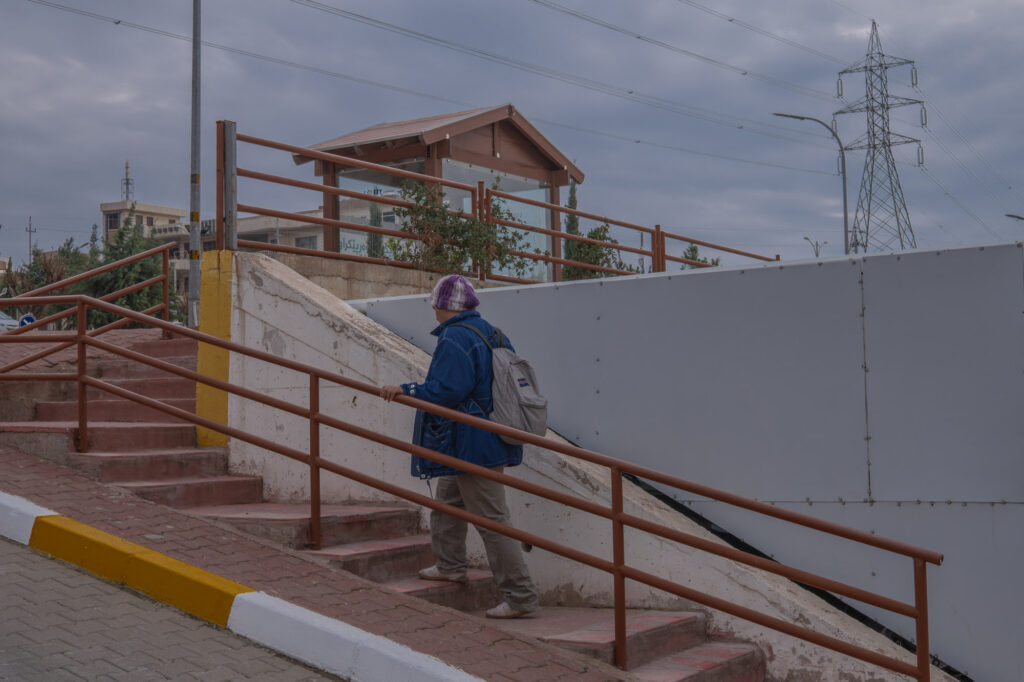
“Hors-Jeu” is a French pun on the offside rule in football, literally “out of the game”, paired with a Turkish phrase meaning “queer people are everywhere.” This juxtaposition reflects the paradox at its core: queer communities in Turkey are systematically pushed to the margins, yet remain present across all social and geographic spaces.

watch project »

Hana Ibrahim

The project follows Betty, who lives between concealment and emergence, navigating a reality shaped by transition, fear, and survival. These objects do not appear as incidental props, but as carriers of meaning, material condensations of self-assurance, protection and inner orientation.

watch project »

Lindsay Perryman

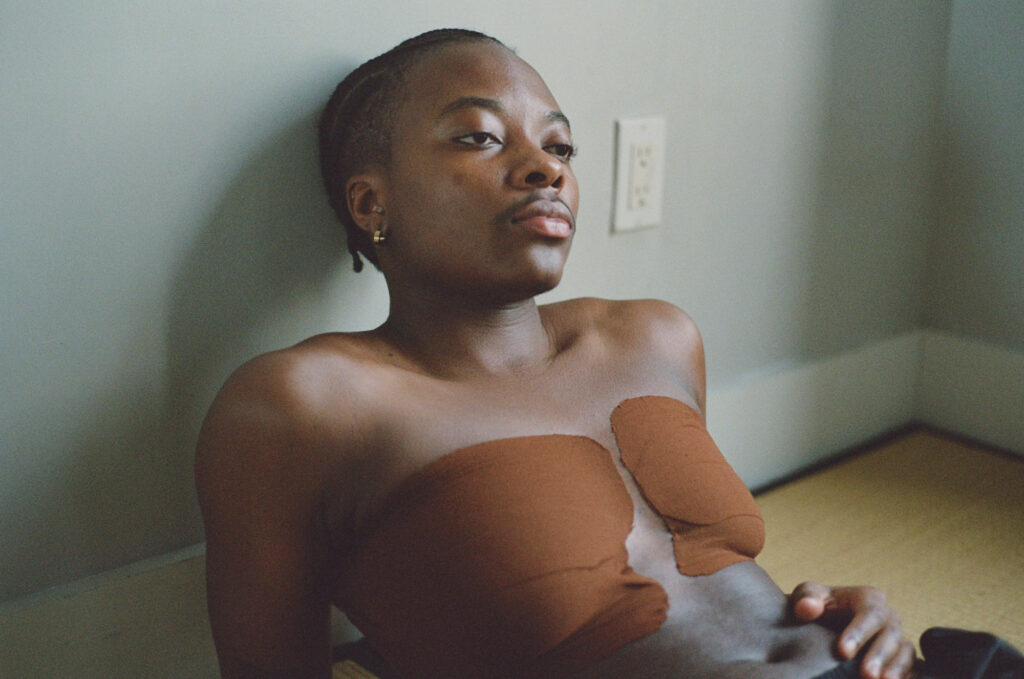
TOPS explores the vulnerability inherent in processes of bodily and subjective transformation, focusing on individuals who have undergone top surgery. Through a combination of group and individual portraits, as well as interior settings, the work traces moments of transition in which identity is continuously unraveling and re-forming.

watch project »

Ciaran Inns

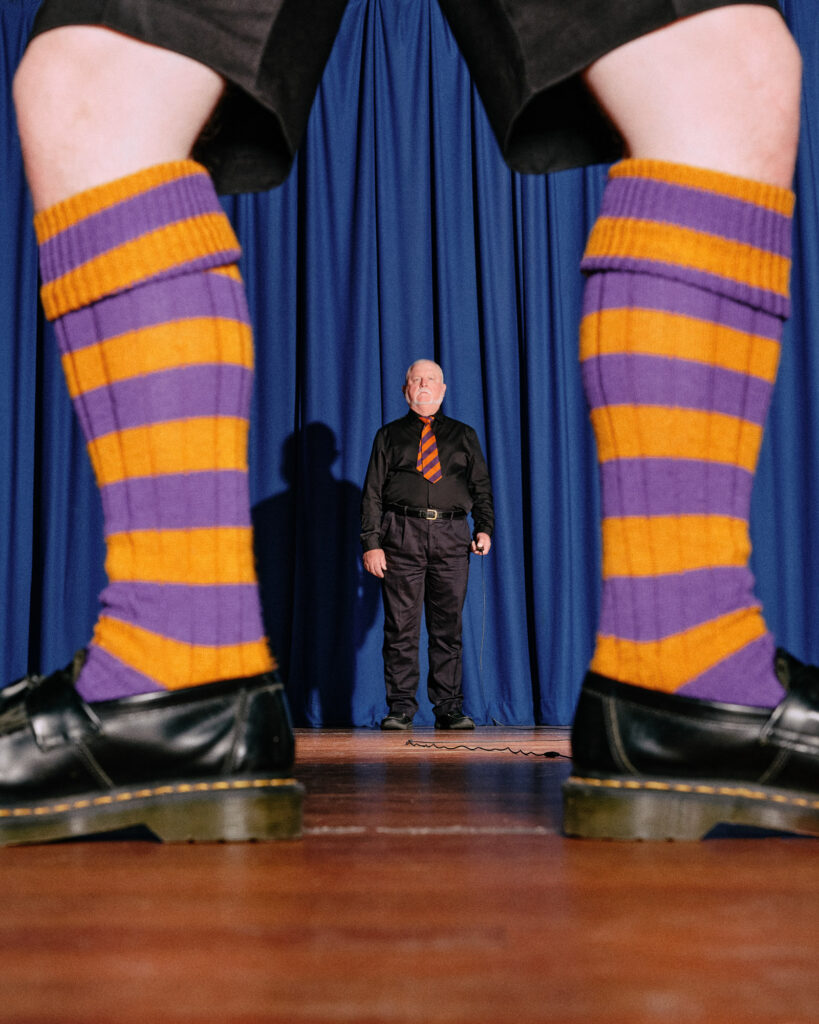
Is He Family? is a collaborative body of work created with Neil, the artist’s former drama teacher and now friend. The project takes its title from coded language once used within queer communities, where phrases such as “are they family?” functioned as signals of recognition, safety, and solidarity in contexts where openly queer existence carried risk.

watch project »

Alexandra Obochi

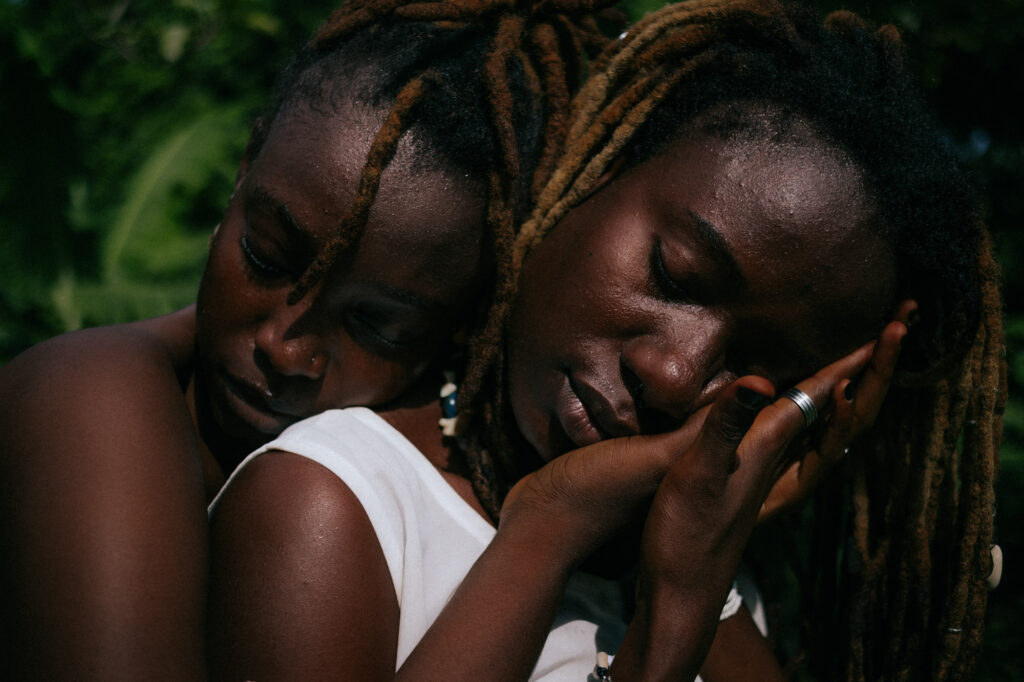
Held by Each other: Community care and Queer Survival in Nigeria reflects many different forms of holding each other, rooted in Nigeria but also transcending geographically and culturally constrained spaces. It speaks to a search for sanctuary, for closeness in distance and for a sense of family within diverse constellations, universal longings that take shape as different forms of a warm embrace.

watch project »

Ali Mahini

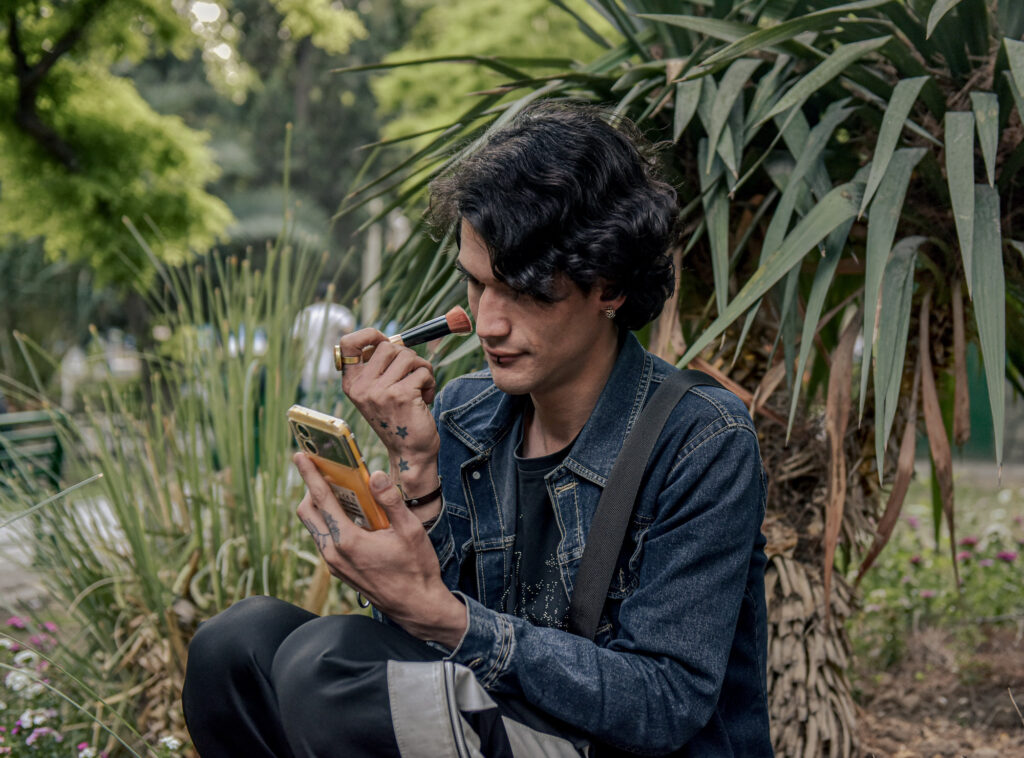
What has become of the people portrayed in Ali Mahini’s series Prince of Persia in the months since encountering the work, whether they are still alive, remains unknown. Nor do we know the current state of the park that served as their place of gathering. Concrete information from within and about Iran is, at present, scarcely accessible.

watch project »

Luca Gaetano Pira

We are deeply moved by Tania Navarro’s story, as well as by the strength, resilience and joy of life reflected in the eyes captured by Luca Gaetano Pira in his documentary series.

watch project »

Sergei Stroitelev

Sergei Stroitelev’s series is carried by cool, subdued tones and soft light. Interiors and carefully placed objects interact and become carriers of emotion. A sense of being held unfolds, located not only in interpersonal relationships but also in objects and letters that store and transmit memory.

watch project »

Bienyl Huelgas

Bienyl Huelgas shows a poetic visual language of mythic imagery and written thought, presenting the notion of holding each other not only between individuals but as a collective structure: a shared carrying of pain, memory and desire within a community that stabilizes itself.

watch project »

Léa Fiterman

In moments of crisis, censorship and systematic erasure, the need for support becomes all the more urgent. Léa Fiterman develops a precise yet poetic visual language in response, in which formal restraint and tactile interventions play a central role.

watch project »

Frances Marshall
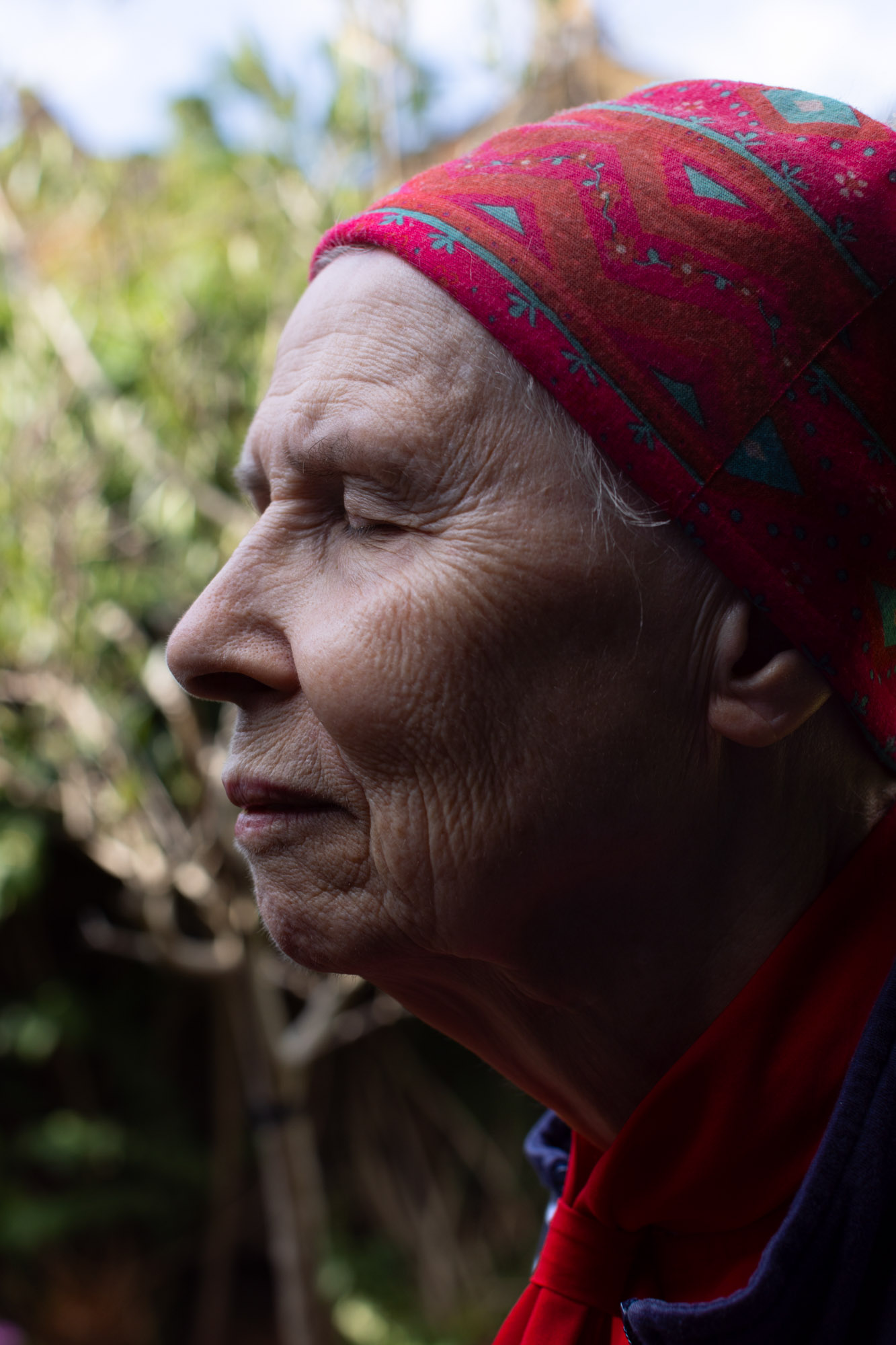
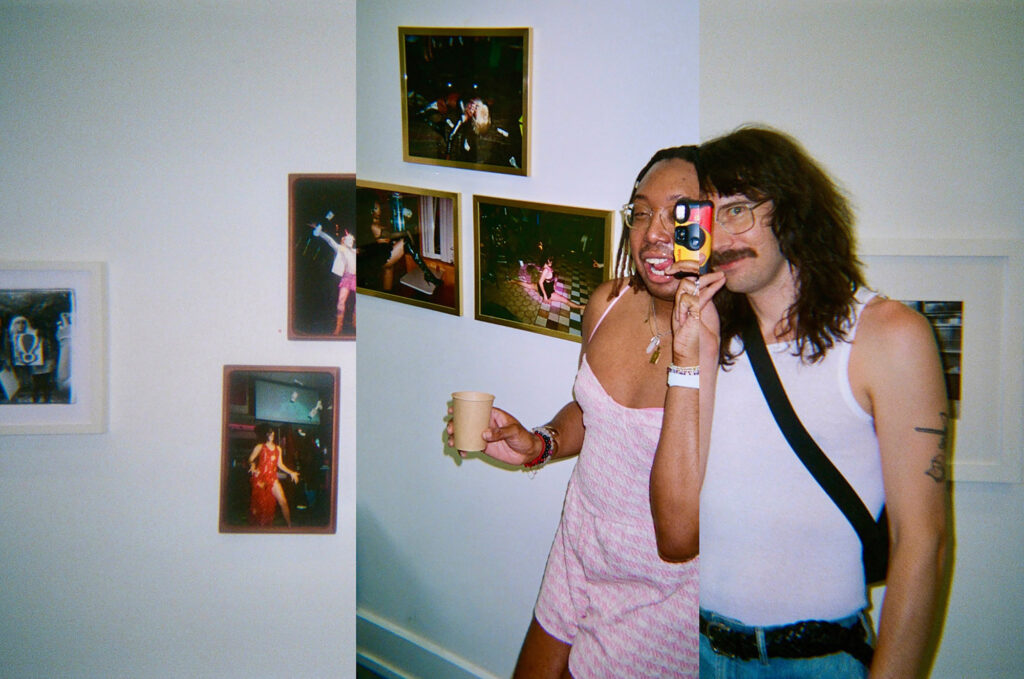
Duet is an ongoing collaboration between the two artists Zac Thompson and JuJu rooted in film photography and performance, shaped by shared experiences of growing up in religious, evangelical environments.

watch project »

Zac Thompson and JuJu Lee

Searching for safe and welcoming spaces, sites that allow for free self-expression and enable lives beyond the margins, aligns not only with geo-political borders but often also across the divide between rural and urban contexts.

watch project »

林家夯 Lin jaihang

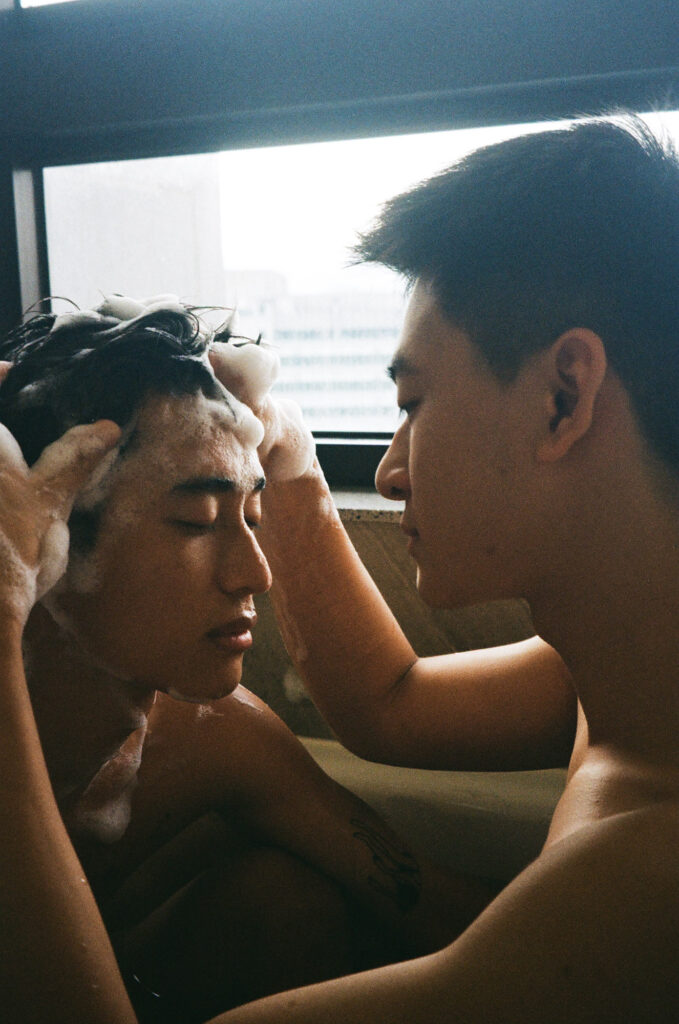
林家夯 Lin Jaihang shows a fragile interplay of familiarity, desire and care through gestures of physical closeness. His photographs are tender and playful, characterized by light, warmth, and intimacy. In a darkening present, they offer a perspective that reminds us of the possibility of beauty in closeness.

watch project »