Ali Mahini

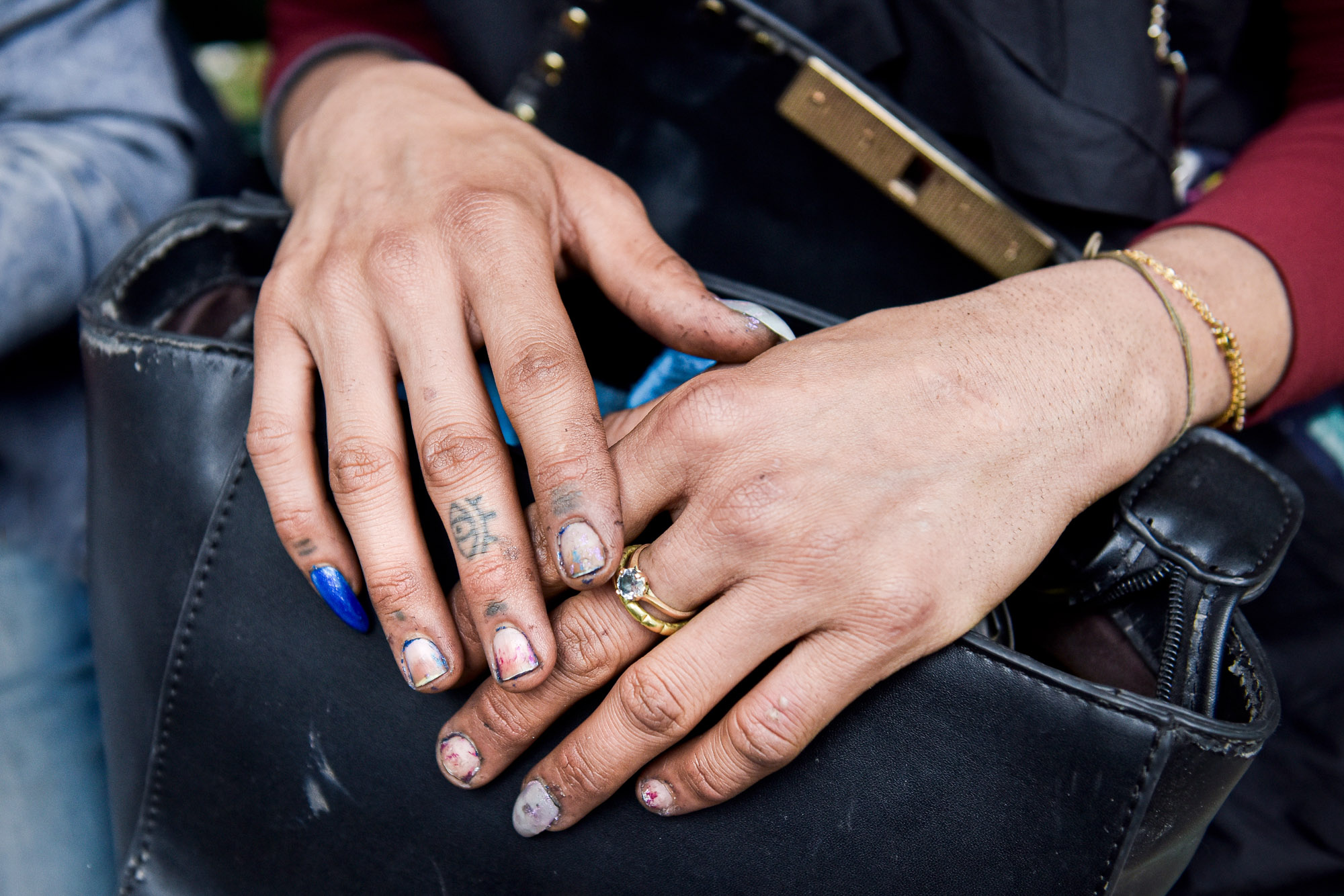
Prince of Persia (2024), Teheran/ Iran (Perspectives: male, Iran)

Jury Statement

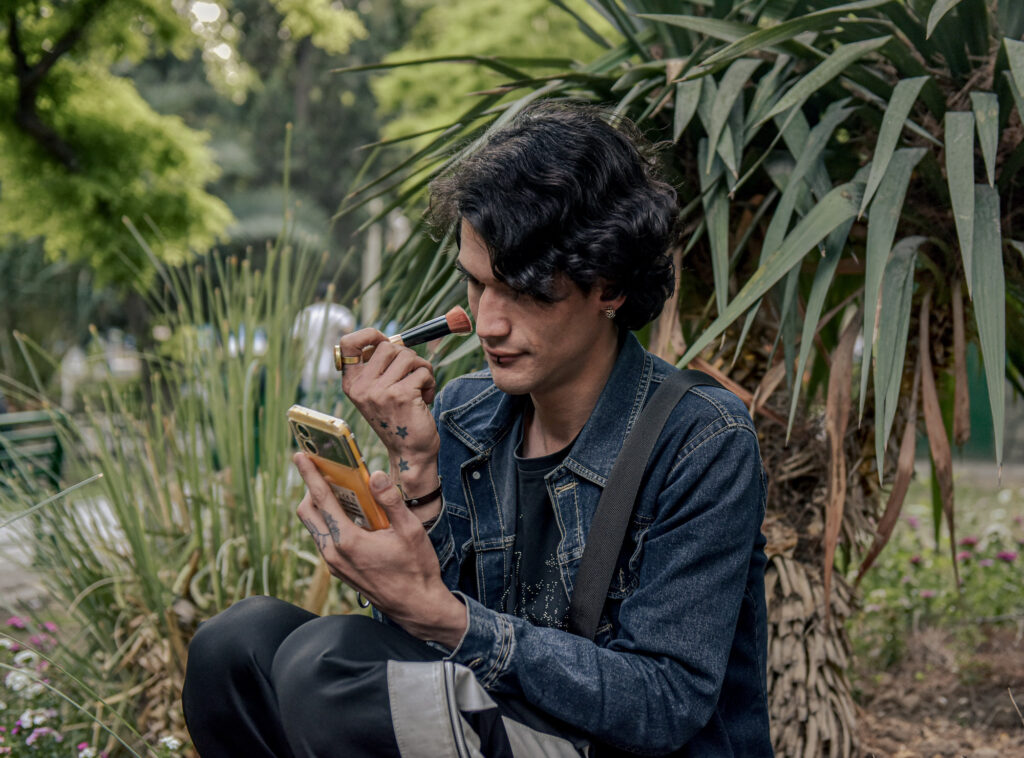
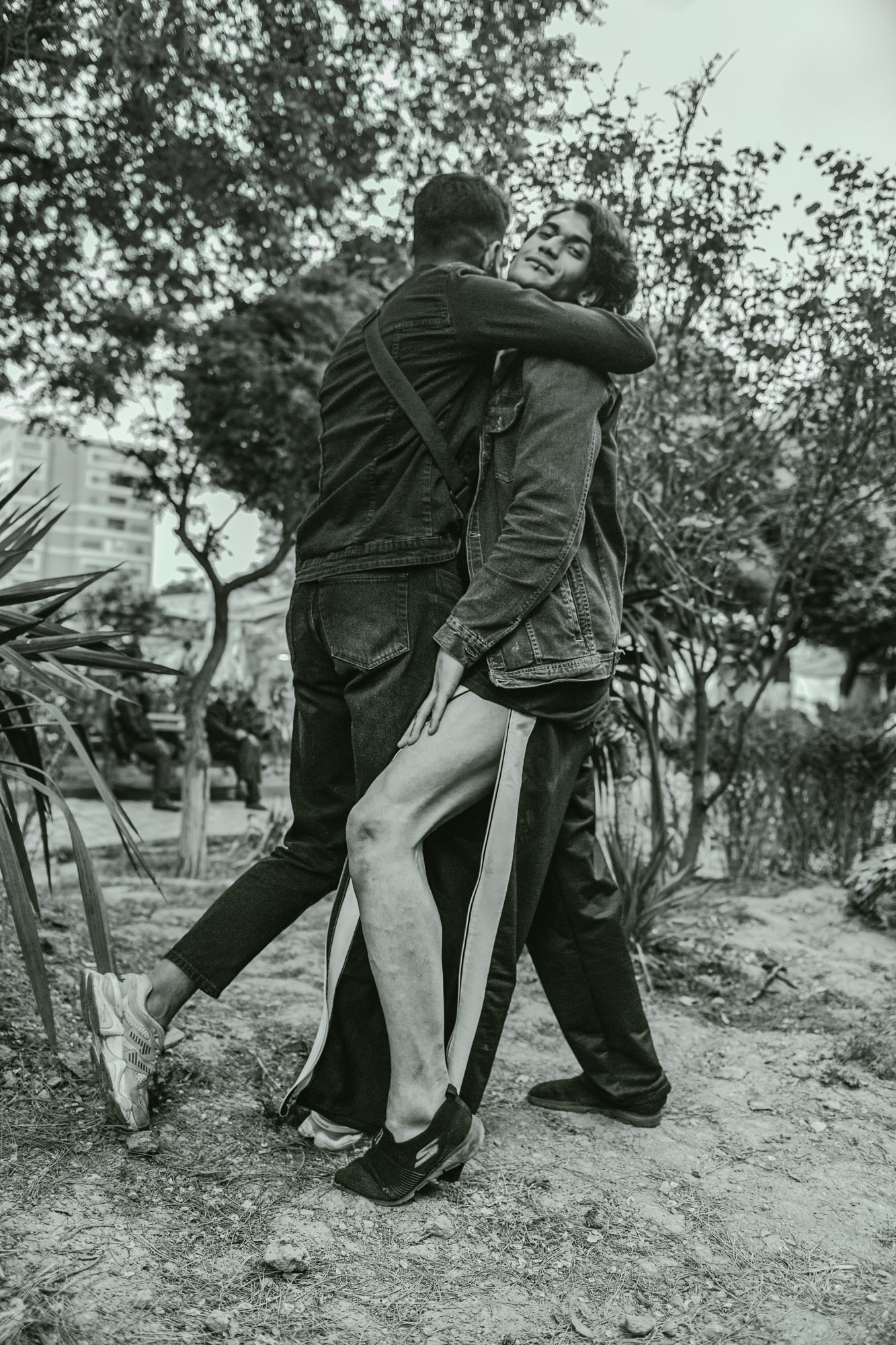
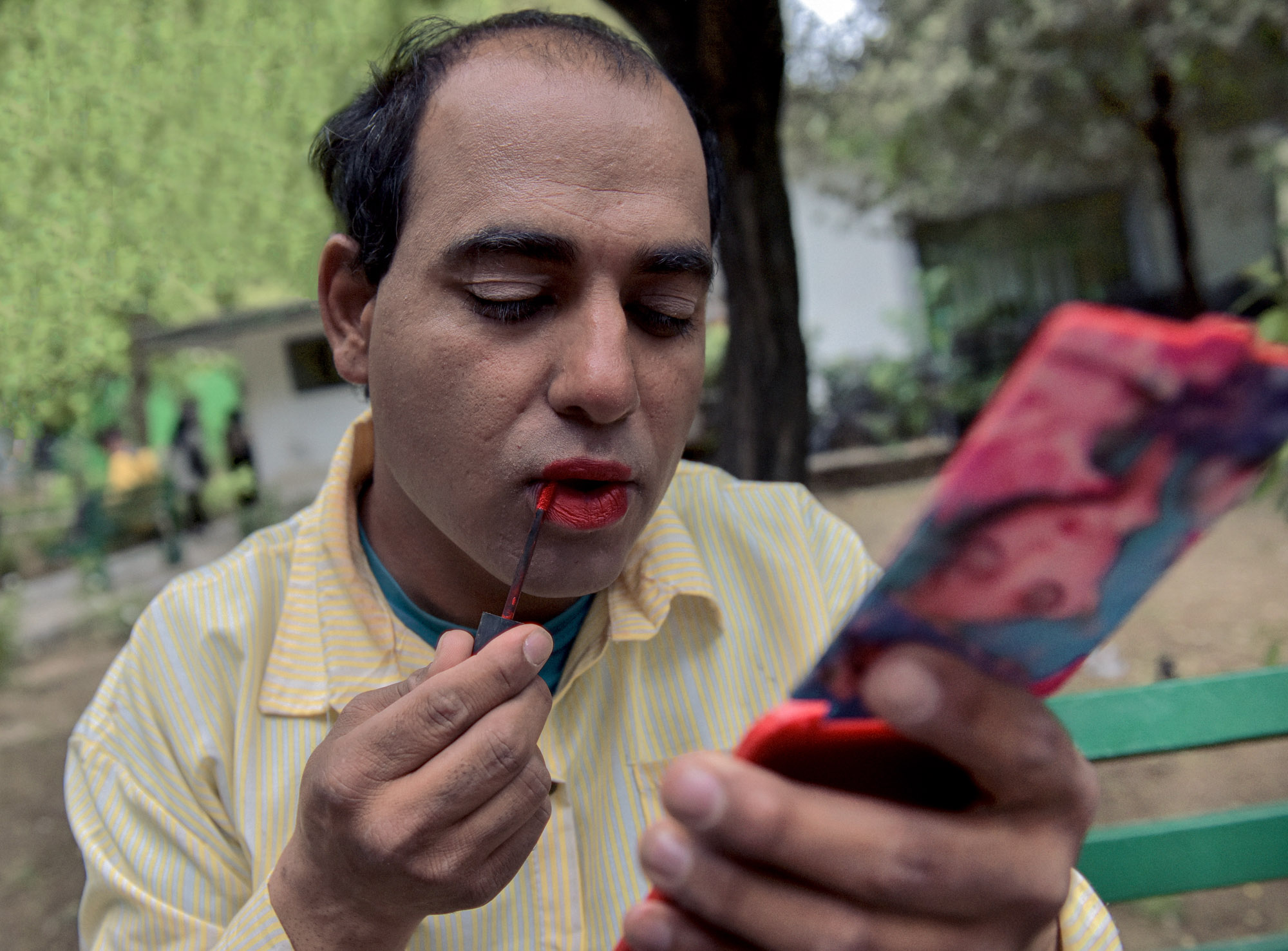
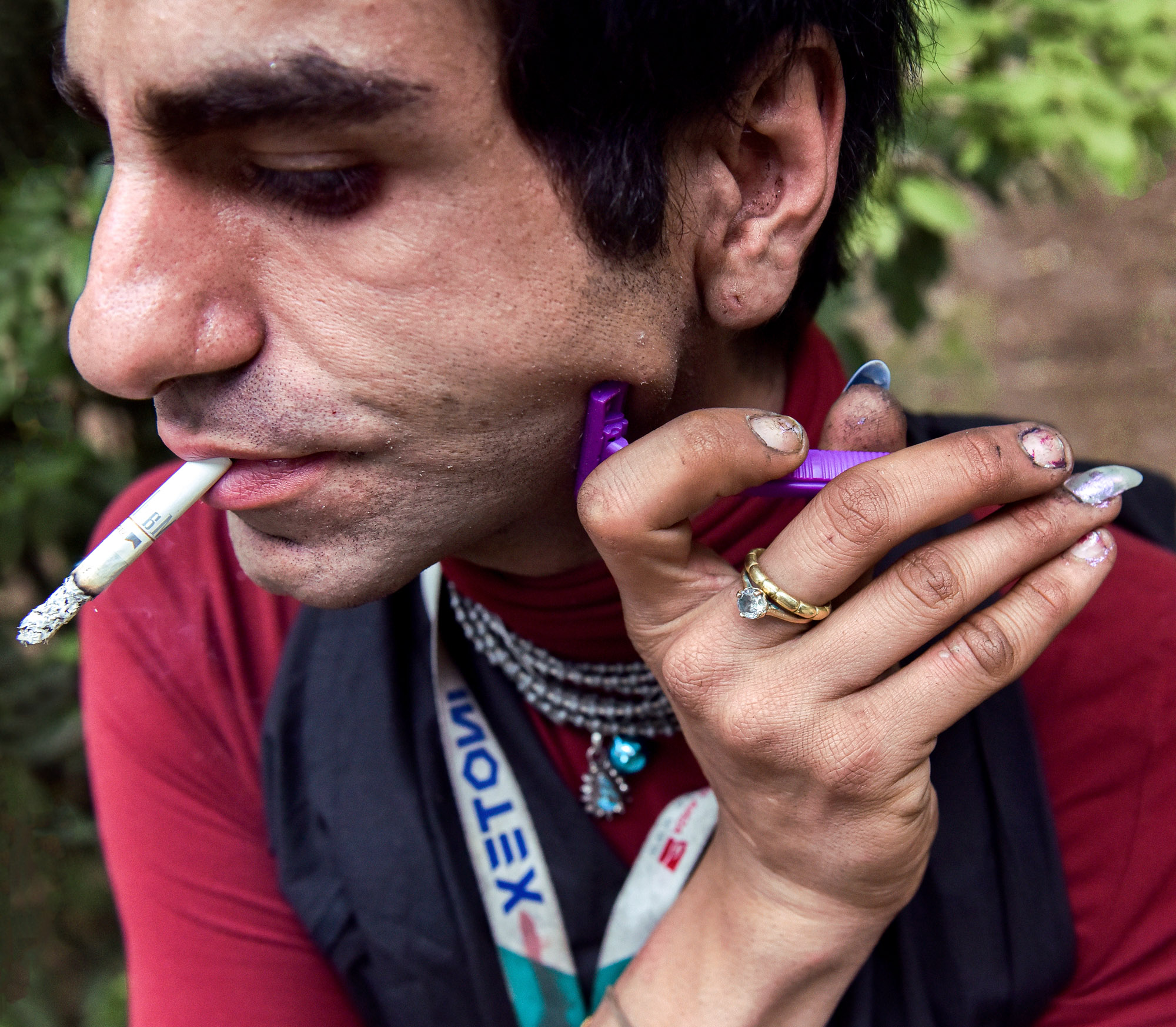
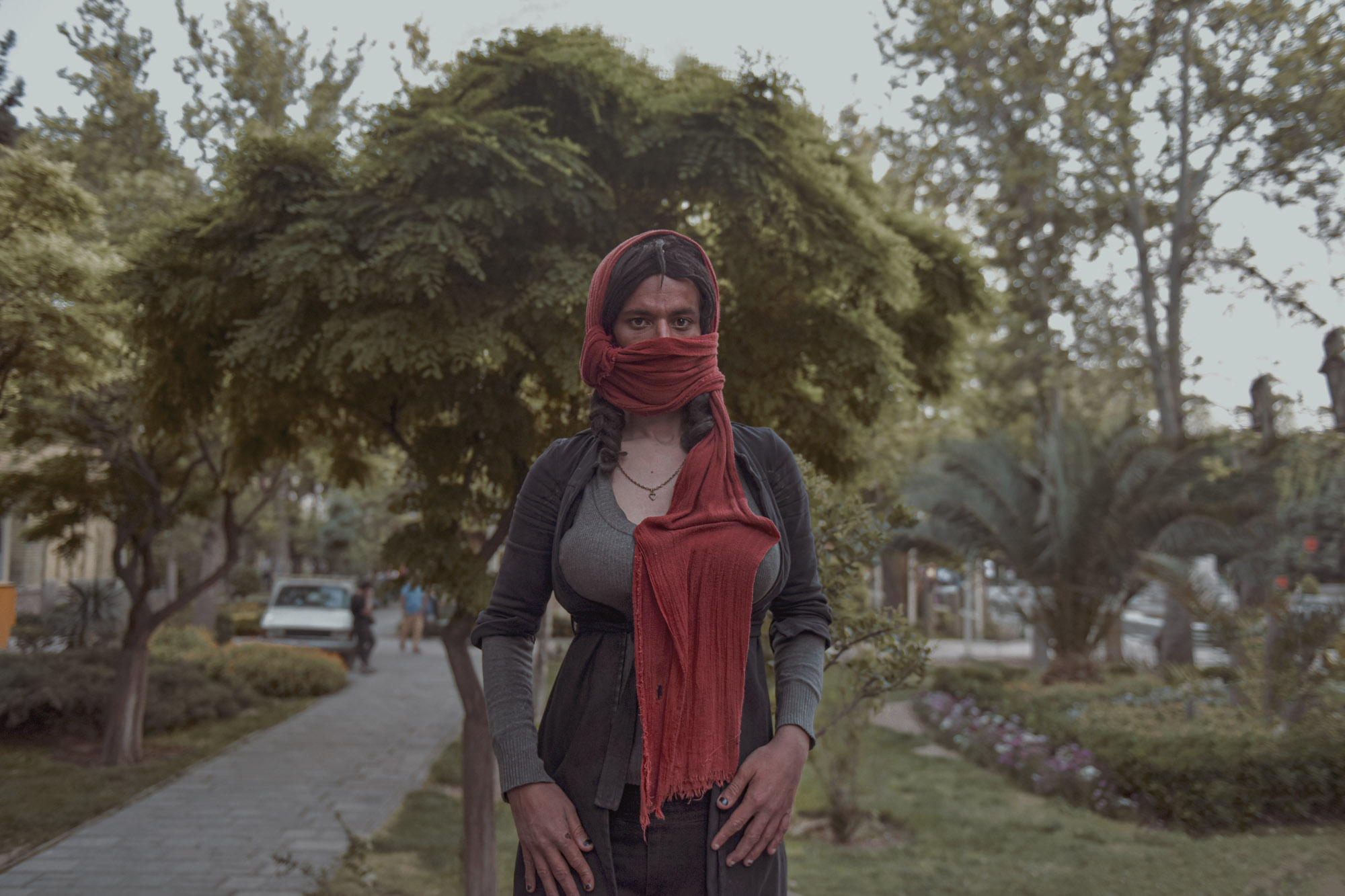
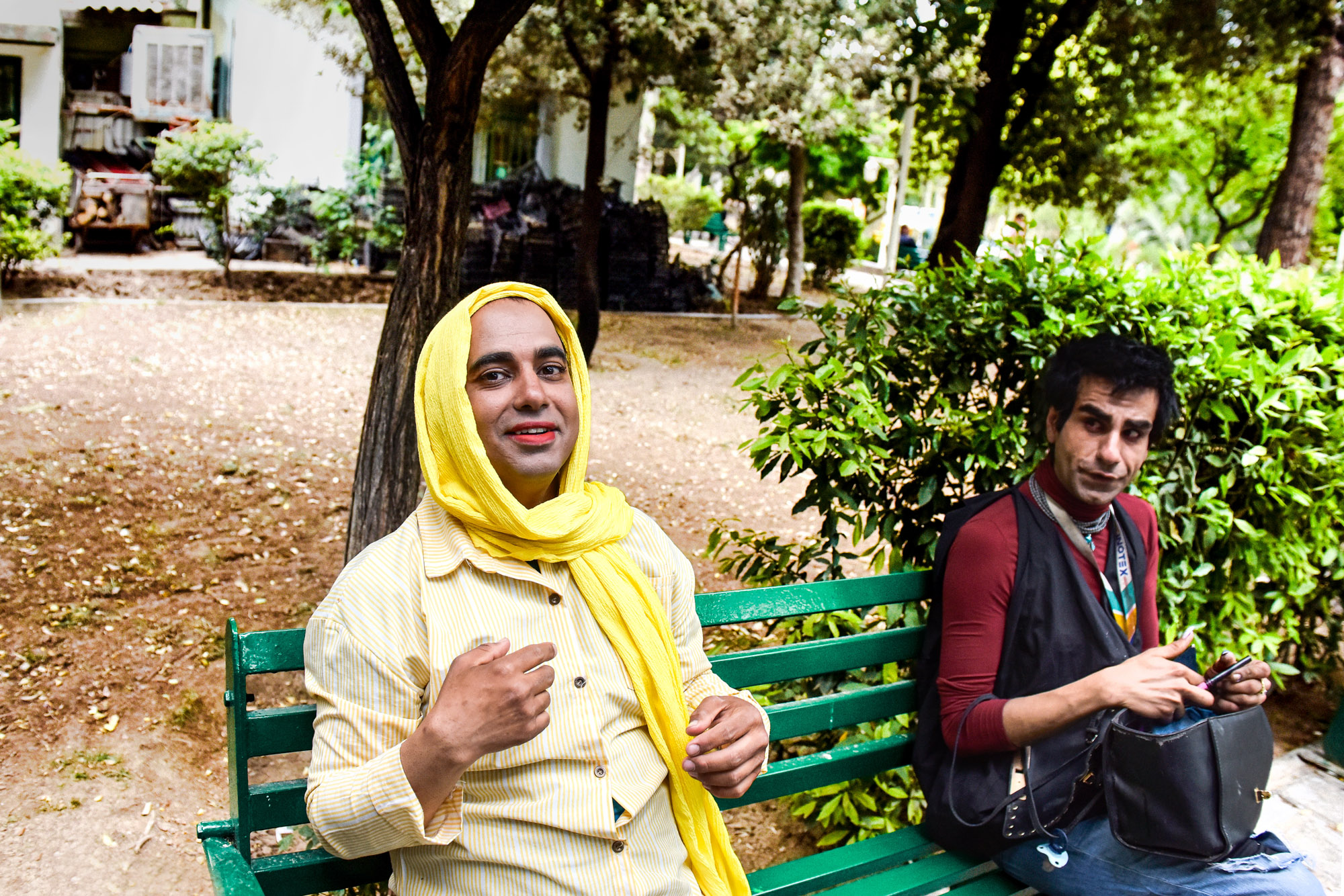
What has become of the people portrayed in Ali Mahini’s series Prince of Persia in the months since encountering the work, whether they are still alive, remains unknown. Nor do we know the current state of the park that served as their place of gathering. Concrete information from within and about Iran is, at present, scarcely accessible. In this context, it feels almost cynical to approach the series from a distanced art-critical perspective, foregrounding formal concerns. Like many of the awarded works, it carries a profound political urgency and a demand for visibility that resists adequate framing. Prince of Persia confronts us with a site of encHanaounter that exists under immediate legal and political threat, a space in which queer individuals, despite ongoing repression, create moments of shared presence, connection, and joy.


Prince of Persia

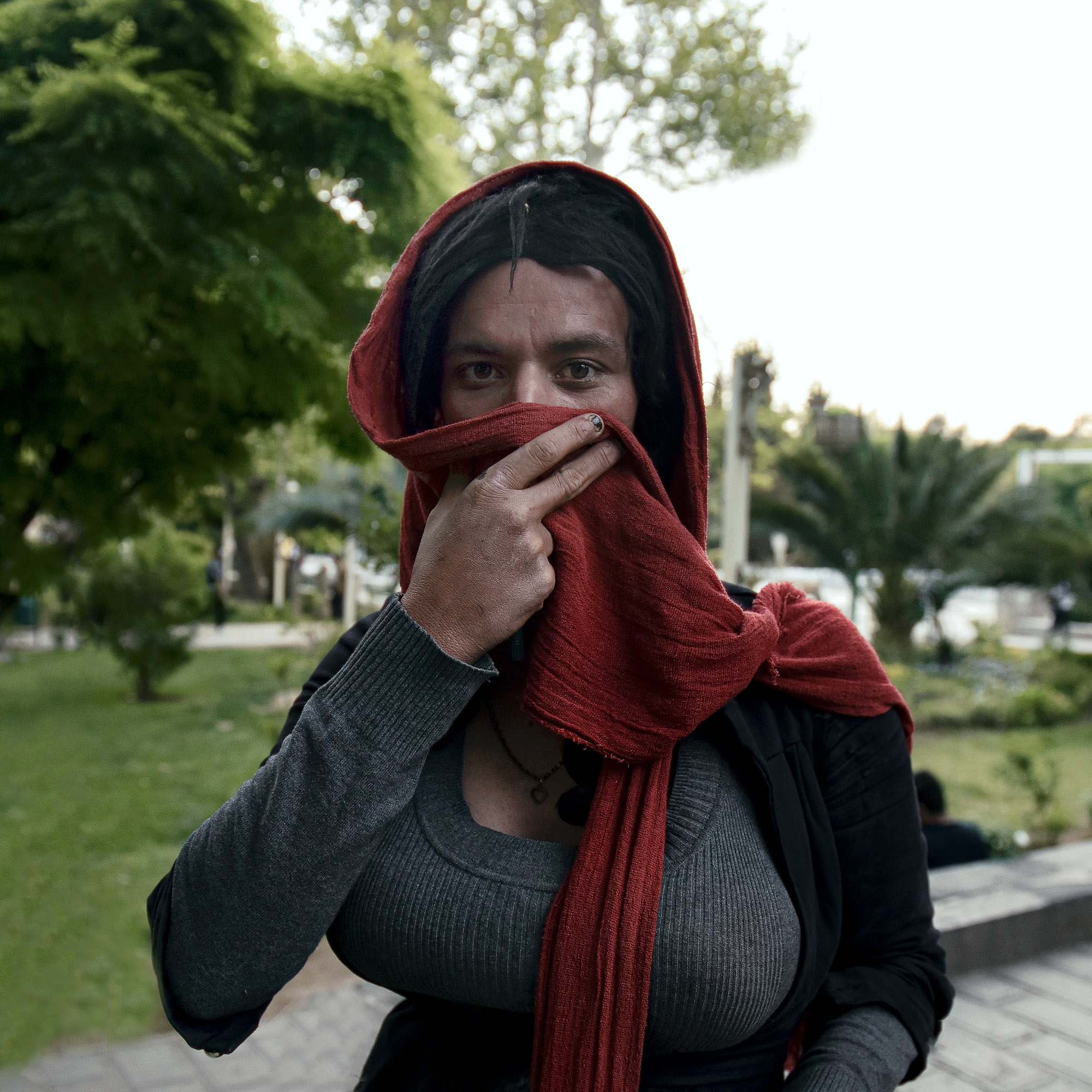
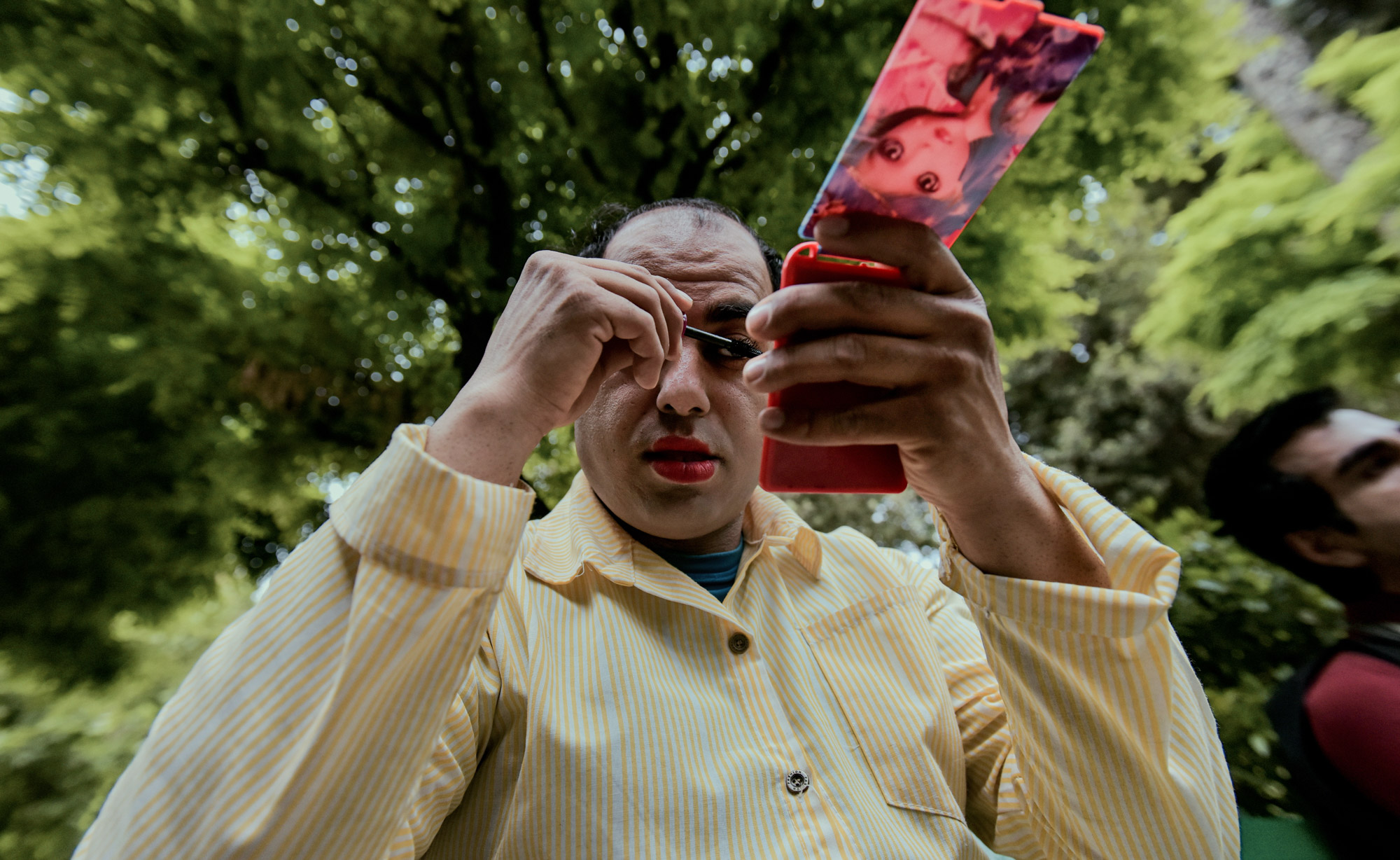
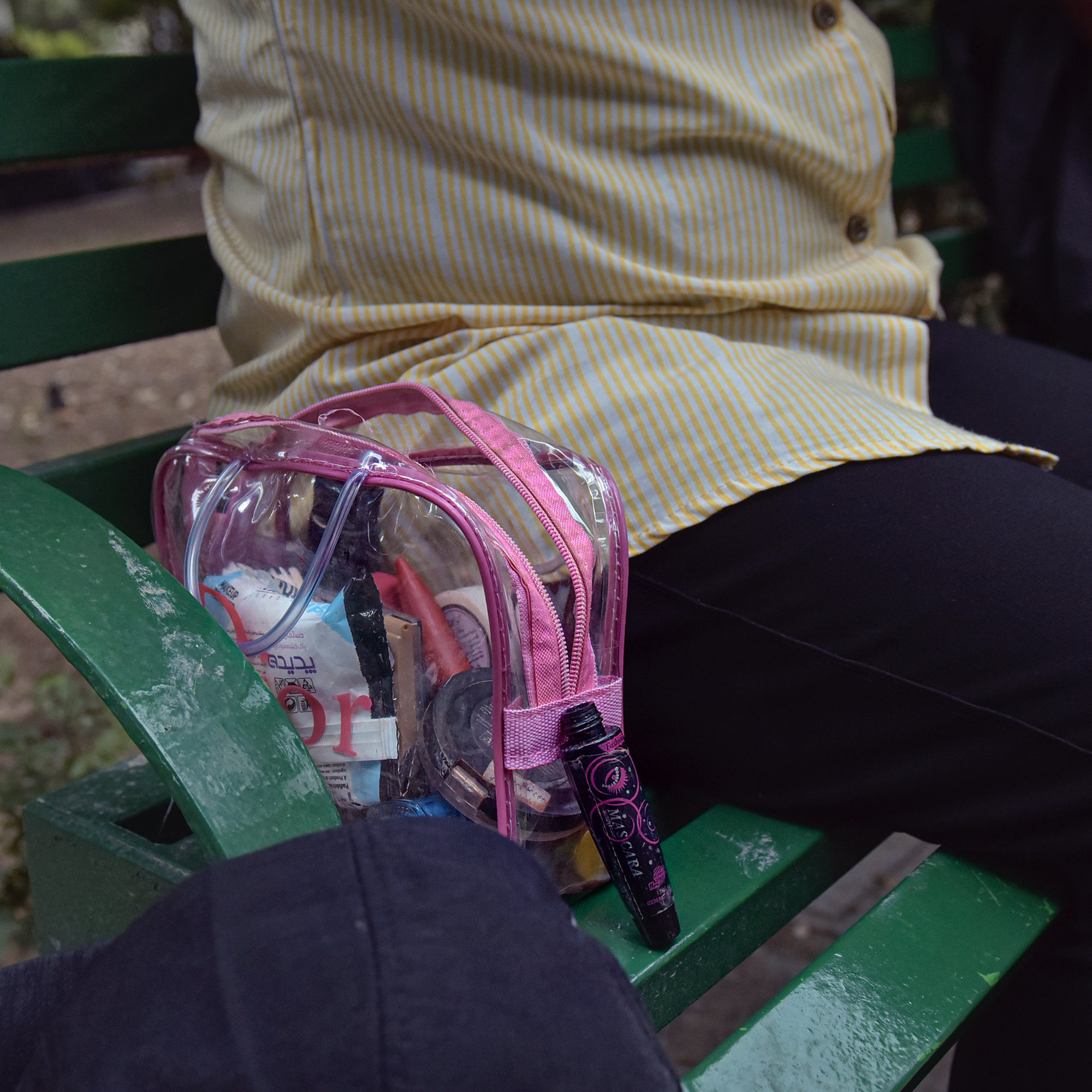
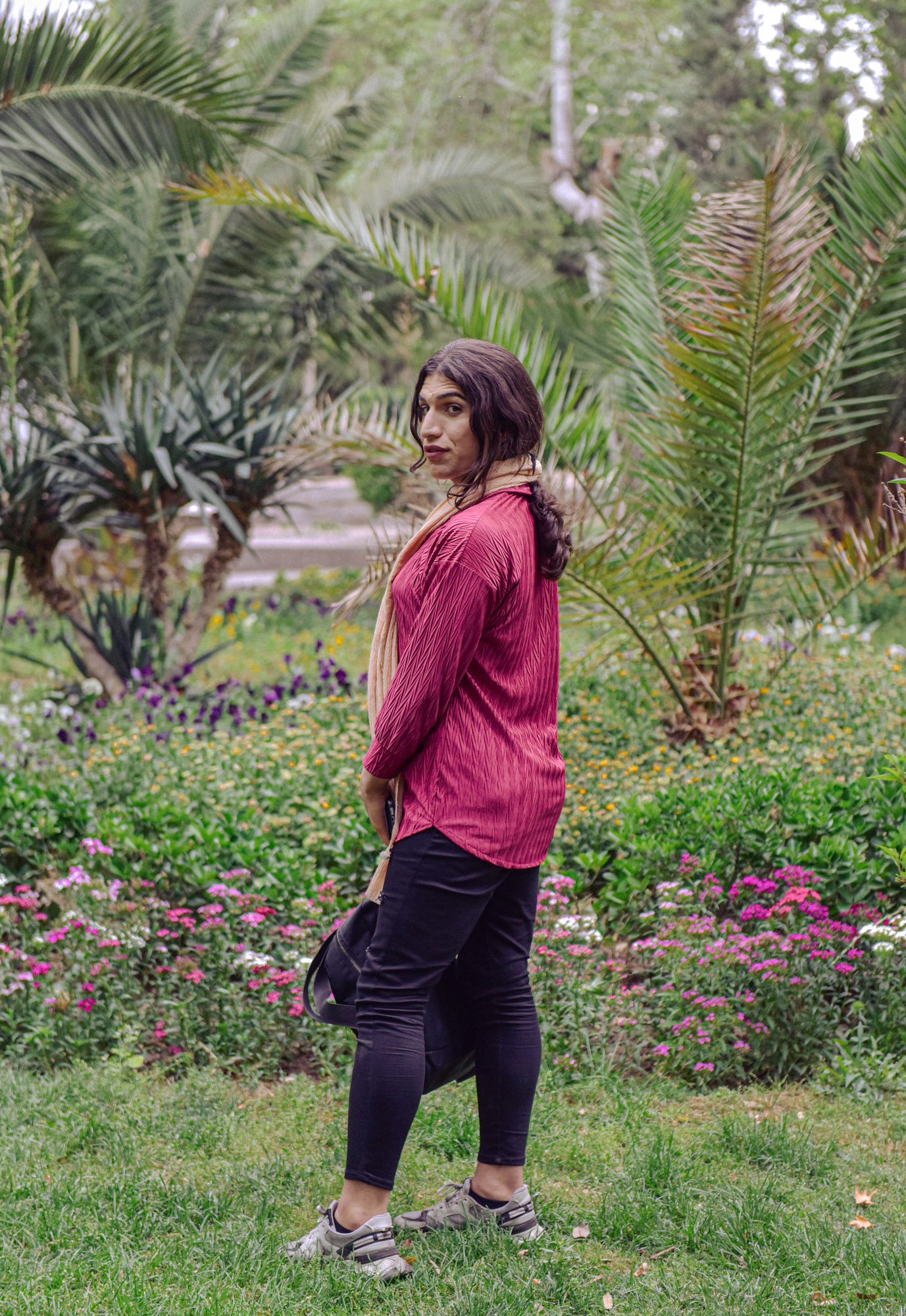
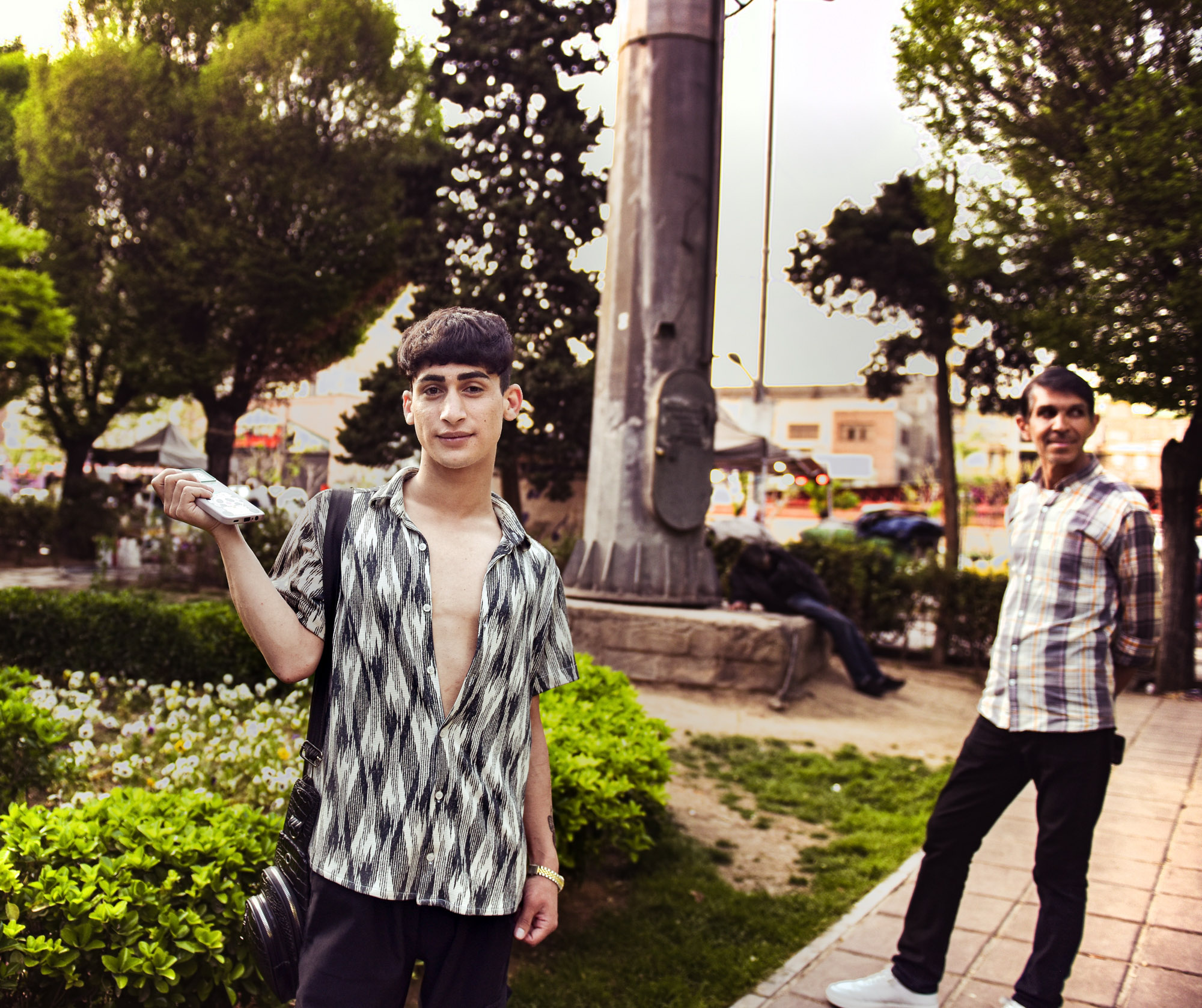
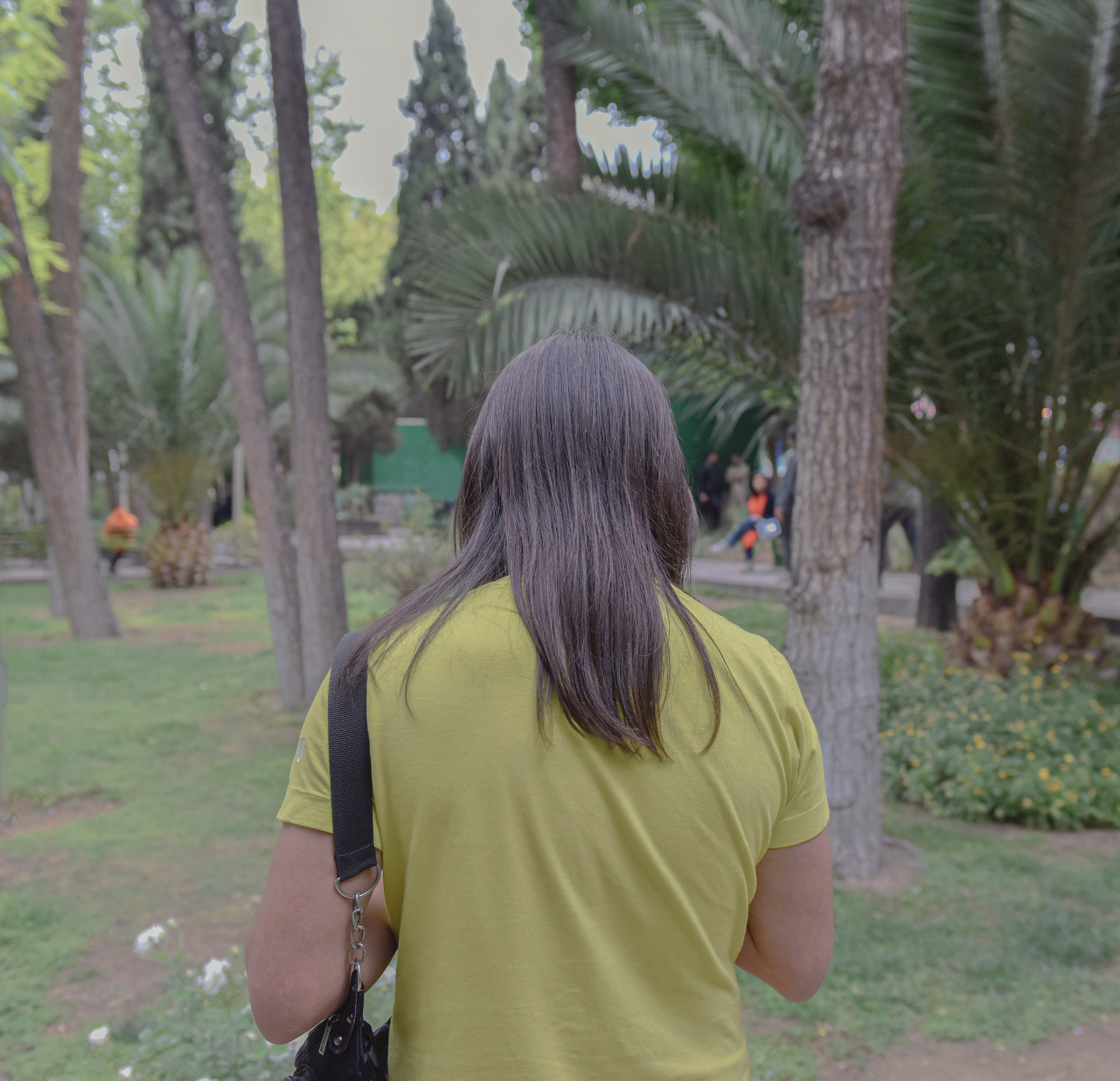
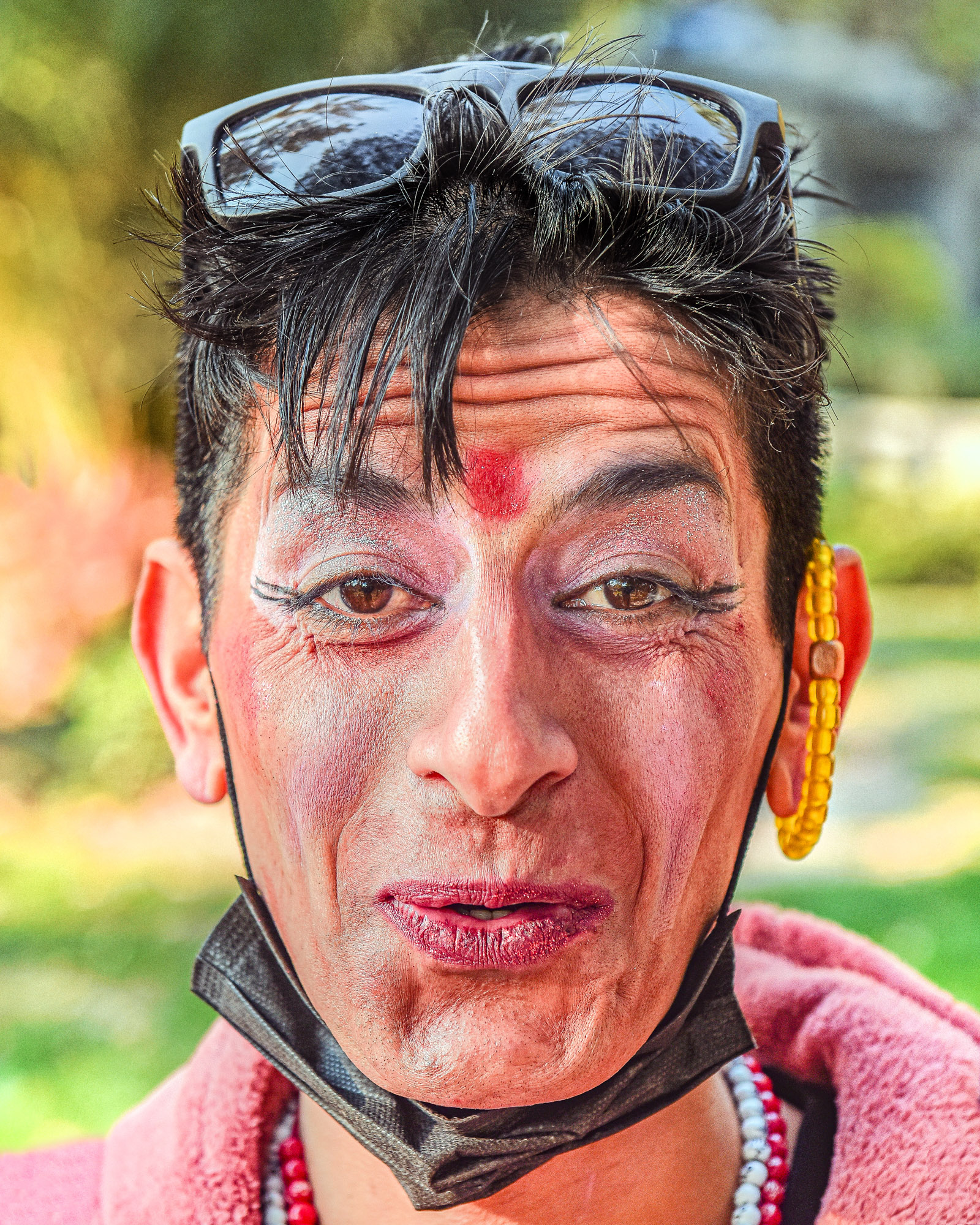
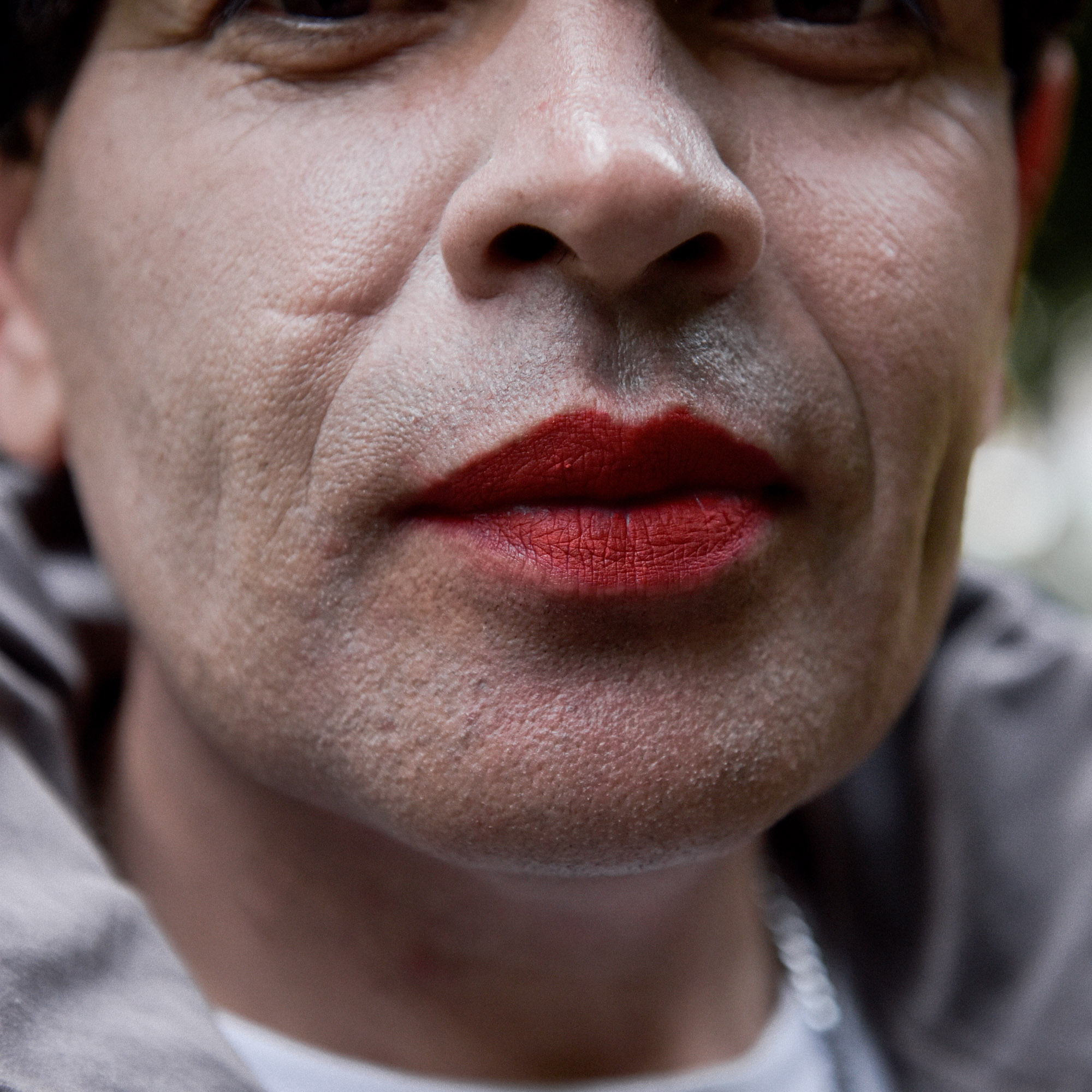
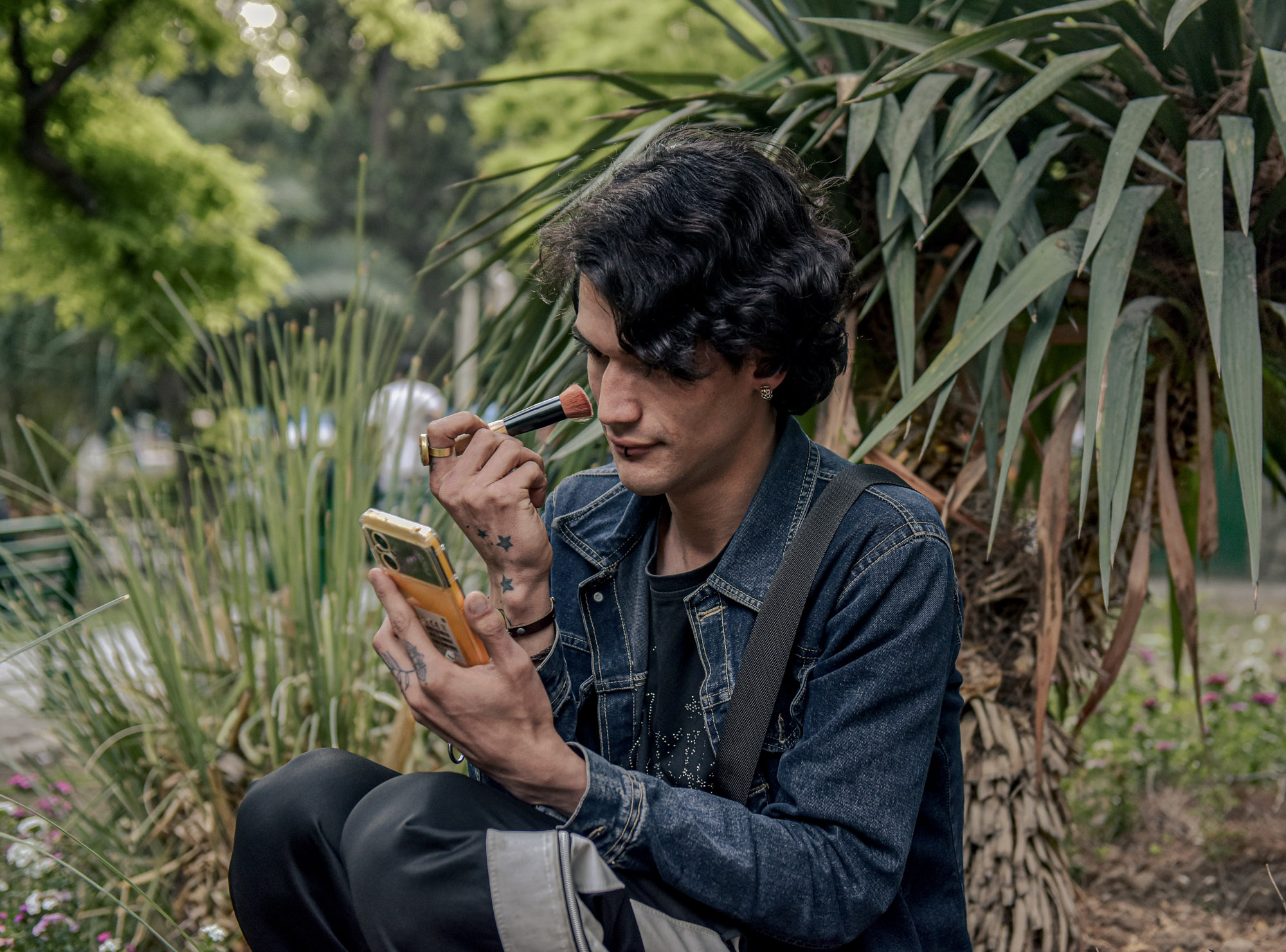
Since the Islamic revolution 1979, any sexual activity between members of the same sex has been illegal in Iran and can be punishable by death. In the center of Tehran, Daneshjoo Park, situated beside one of the city’s busiest metro stations and an iconic theatre, becomes a site where everyday life and concealed social realities quietly unfold, often overlooked or deliberately avoided. Within this space, a community of elderly men and queer individuals gathers. Passersby frequently bypass the park or alter their route, describing it as something they “cannot understand,” despite many of them living in the same central district. The project traces these overlapping presences, where social visibility and invisibility coexist in tension. Here, everything is intertwined: solitude and joy, isolation and encounter, vulnerability and defiance. The park becomes a threshold space at the edge of legal and social constraint, where forms of existence persist within conditions of restriction. At the core of this work lies a profound entanglement at the threshold of legal and social constraint, an atmosphere in which lived experience emerges in heightened intensity, marked by fragility, contradiction and joyful and light but life-threating forms of resistance at the same time.


Biography 

Ali Mahini (b. 2003, Bushehr, Iran) is a self-taught photographer based in his hometown of Bushehr, a port city in southern Iran. Growing up in a peripheral region has shaped his perspective, where geographical, social and political distance remains a constant condition of lived experience. Ali works independently, a decision shaped by both principle and necessity in the context of censorship and external pressure. His current projects address lived realities that are criminalized in Iran, experiences that are deeply personal yet often rendered invisible. Due to this context, there is no safe space for the public presentation of this work within the country. Prince of Persia as a contribution to Queer Festival’s photo context Holding Each Other marks his first independent presentation in an international context. Working under conditions where his subject matter is criminalized by the state, his practice insists on visibility where silence is enforced.

Jury Statement

Wie es den Menschen in Ali Mahinis Serie Prince of Persia in Anbetracht der vergangenen Monate seit der Sichtung des Projekts geht, ob sie noch leben, wissen wir nicht. Auch in welchem Zustand der Park, ihr Ort des Zusammenseins ist, wissen wir nicht. Konkrete Informationen sind derzeit in und aus dem Iran kaum zugänglich. Es erscheint zynisch kunstwissenschaftlich distanziert über die Serie zu schreiben, formale Aspekte hervorzuheben. Alle ausgezeichneten Projekte haben eine hohe politische Dringlichkeit, einen Sichtbarkeitsimpetus, dem kaum gebührend nachzukommen ist, auch so Ali Mahinis Prince of Persia, der uns unter konkret, juristisch und politisch lebensbedrohlichen Umständen einen Ort zeigt, an dem sich queere Menschen entgegen aller Repression in gegenseitigem Zusammensein Freude bereiten.


Prince of Persia

Seit der Islamischen Revolution von 1979 ist jede sexuelle Handlung zwischen Personen gleichen Geschlechts im Iran illegal und kann mit der Todesstrafe geahndet werden. Im Zentrum Teherans wird der Daneshjoo Park, gelegen neben einer der meistfrequentierten U-Bahn-Stationen der Stadt und einem berühmten Theater, zu einem Ort, an dem sich alltägliches Leben und verborgene soziale Realitäten begegnen, oft übersehen oder bewusst gemieden werden. In diesem Raum versammelt sich eine Gemeinschaft älterer Männer und queerer Personen. Passant*innen umgehen den Park häufig oder ändern ihre Route und beschreiben ihn als etwas, das sie „nicht verstehen“ könnten, obwohl viele von ihnen im selben zentralen Stadtviertel leben. Das Projekt folgt diesen sich überlagernden Präsenzformen, in denen soziale Sichtbarkeit und Unsichtbarkeit in einem Spannungsverhältnis koexistieren. Hier ist alles miteinander verwoben: Einsamkeit und Freude, Isolation und Begegnung, Verletzlichkeit und Widerstand. Der Park wird zu einem Schwellenraum an der Grenze rechtlicher und gesellschaftlicher Regulierung, in dem Existenzformen unter Bedingungen der Einschränkung fortbestehen. Im Zentrum der Arbeit steht eine tiefe Verflechtung an dieser Schwelle von Gesetz und Gesellschaft, eine Atmosphäre, in der sich gelebte Erfahrung in verdichteter Intensität zeigt, geprägt von Fragilität, Widerspruch und zugleich von freudigen, leichten, aber lebensgefährlich widerständigen Formen des Daseins.


Biografie

Ali Mahini (*2003, Bushehr, Iran) ist autodidaktischer Fotograf und lebt und arbeitet in seiner Heimatstadt Bushehr, einer Hafenstadt im Süden Irans. Aufgewachsen in einer peripheren Region, prägt ihn eine Perspektive, in der geografische, soziale und politische Distanz alle Lebensbereiche prägen. Ali arbeitet unabhängig, eine Entscheidung, die sowohl aus Überzeugung als auch aus Notwendigkeit im Kontext von Zensur und äußerem Druck entstanden ist. Seine aktuellen Projekte beschäftigen sich mit Lebensrealitäten, die im Iran kriminalisiert sind, Erfahrungen, die persönlich sind und häufig unsichtbar bleiben. Vor diesem Hintergrund gibt es im Land keinen sicheren Raum für eine öffentliche Präsentation dieser Arbeiten. Prince of Persia als Beitrag zum Queer Festival Foto-Contest Holding Each Other markiert seine erste unabhängige Präsentation in einem internationalen Kontext. Unter Bedingungen, in denen seine Themen staatlich kriminalisiert sind, besteht seine Praxis auf Sichtbarkeit dort, wo Schweigen erzwungen wird.


Hannah Cauhépé

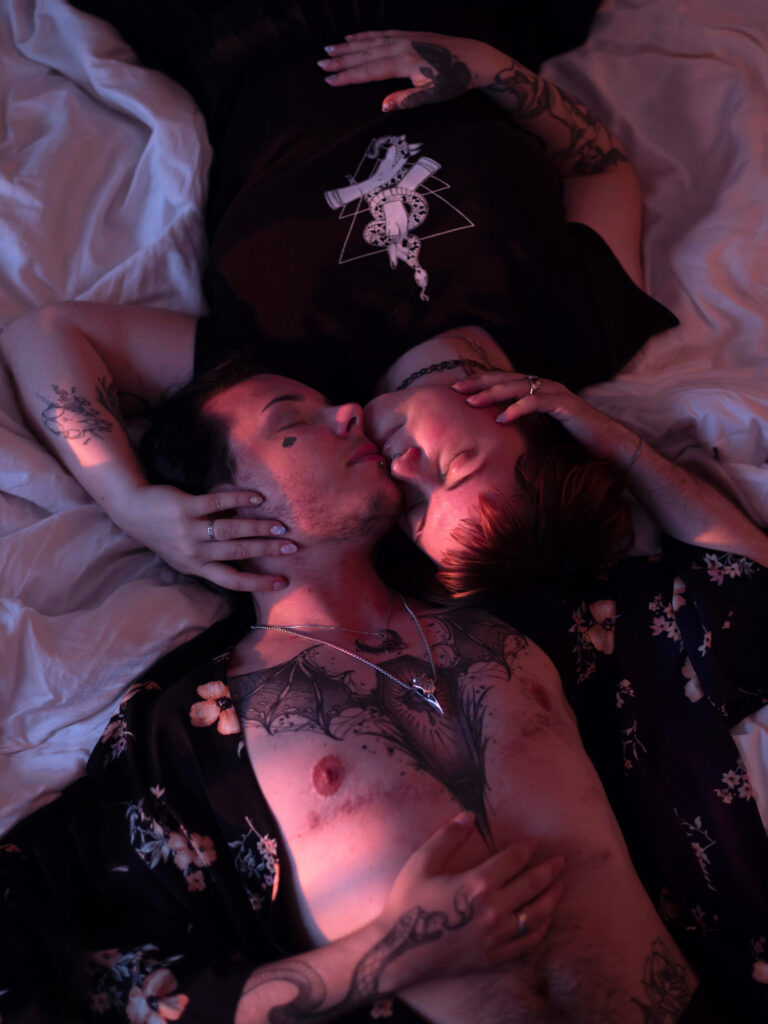
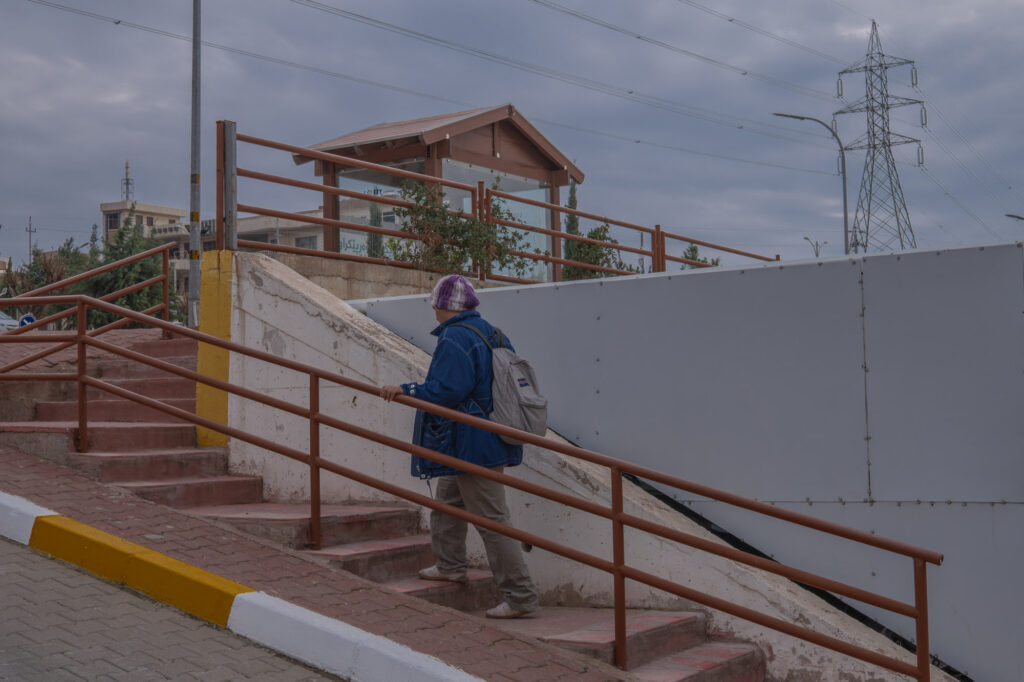
“Hors-Jeu” is a French pun on the offside rule in football, literally “out of the game”, paired with a Turkish phrase meaning “queer people are everywhere.” This juxtaposition reflects the paradox at its core: queer communities in Turkey are systematically pushed to the margins, yet remain present across all social and geographic spaces.
watch project »

Hana Ibrahim

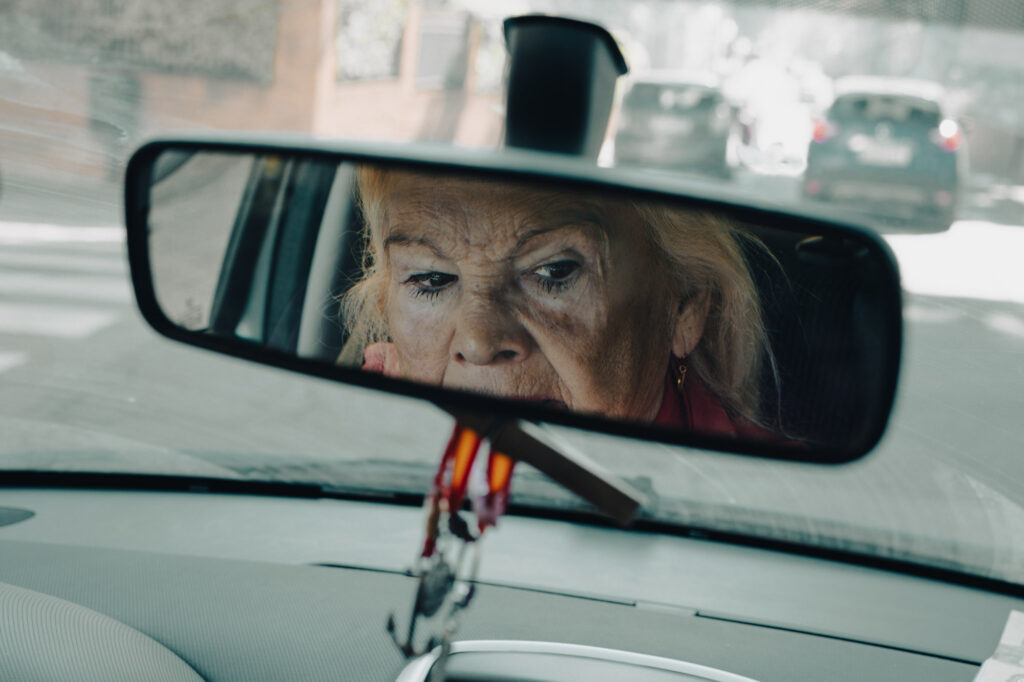
The project follows Betty, who lives between concealment and emergence, navigating a reality shaped by transition, fear, and survival. These objects do not appear as incidental props, but as carriers of meaning, material condensations of self-assurance, protection and inner orientation.

watch project »

Lindsay Perryman

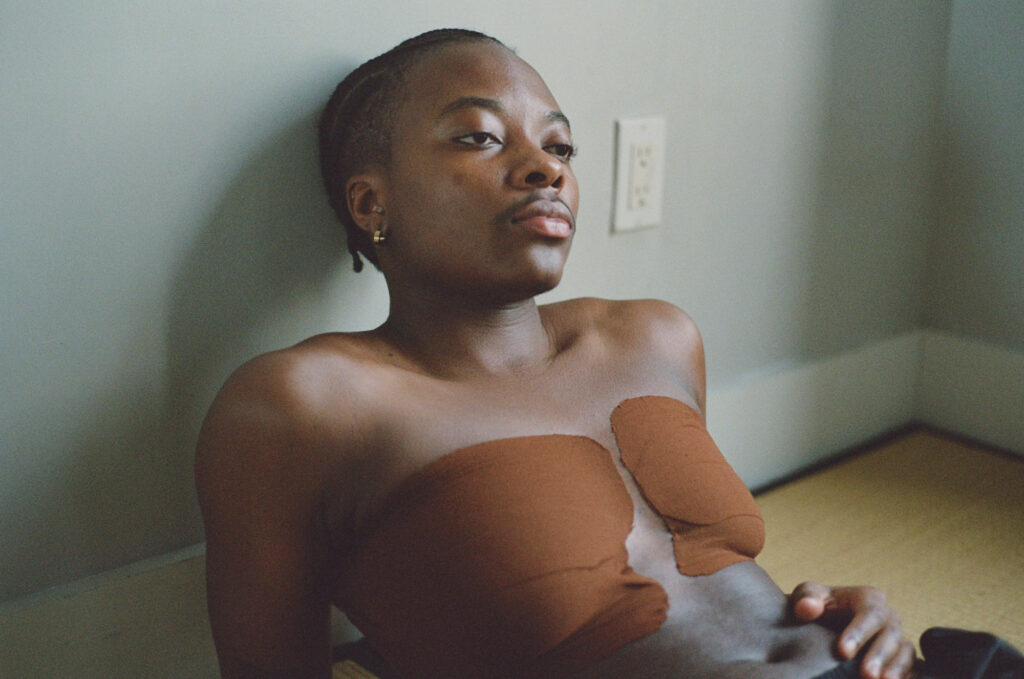
TOPS explores the vulnerability inherent in processes of bodily and subjective transformation, focusing on individuals who have undergone top surgery. Through a combination of group and individual portraits, as well as interior settings, the work traces moments of transition in which identity is continuously unraveling and re-forming.

watch project »

Ciaran Inns

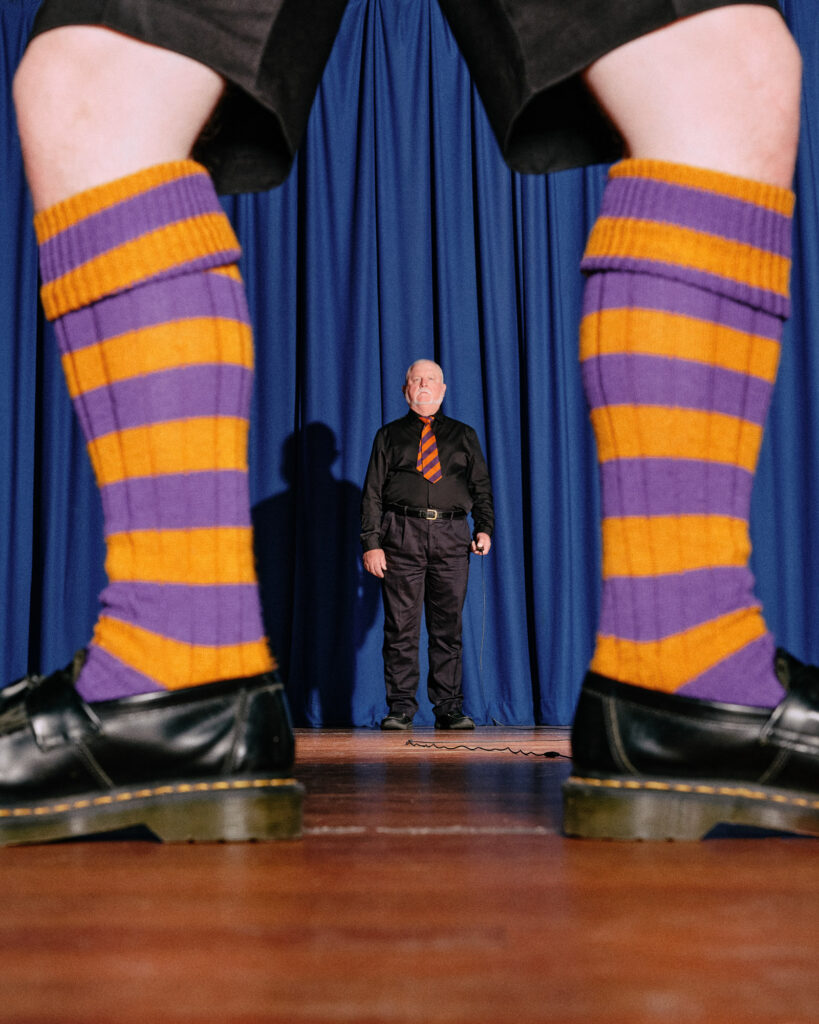
Is He Family? is a collaborative body of work created with Neil, the artist’s former drama teacher and now friend. The project takes its title from coded language once used within queer communities, where phrases such as “are they family?” functioned as signals of recognition, safety, and solidarity in contexts where openly queer existence carried risk.

watch project »

Alexandra Obochi

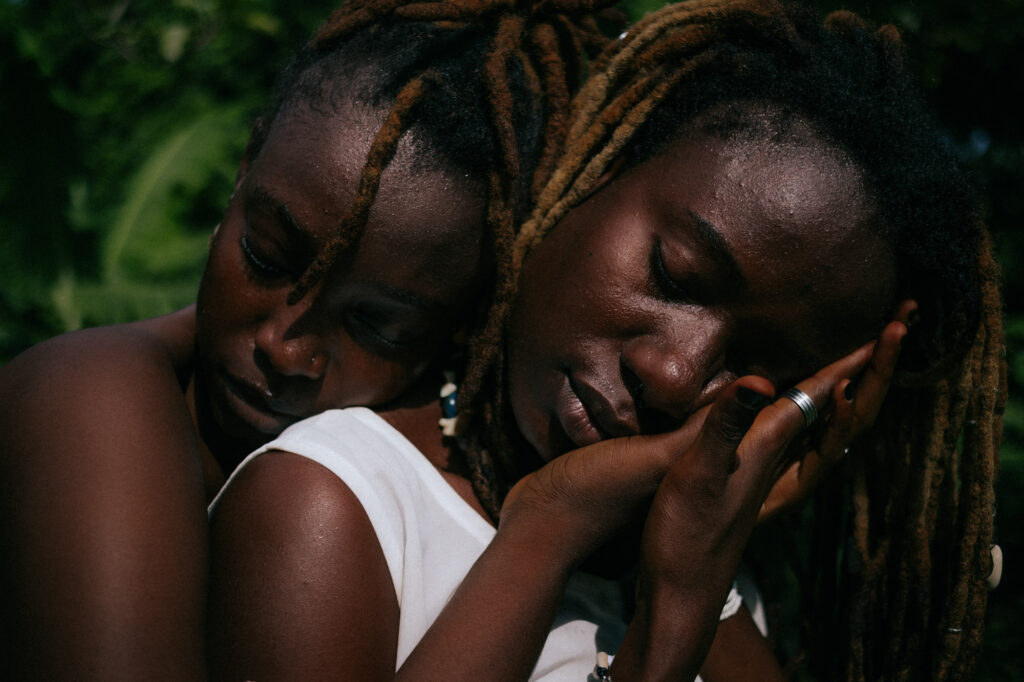
Held by Each other: Community care and Queer Survival in Nigeria reflects many different forms of holding each other, rooted in Nigeria but also transcending geographically and culturally constrained spaces. It speaks to a search for sanctuary, for closeness in distance and for a sense of family within diverse constellations, universal longings that take shape as different forms of a warm embrace.

watch project »

Ali Mahini

What has become of the people portrayed in Ali Mahini’s series Prince of Persia in the months since encountering the work, whether they are still alive, remains unknown. Nor do we know the current state of the park that served as their place of gathering. Concrete information from within and about Iran is, at present, scarcely accessible.

watch project »

Luca Gaetano Pira

We are deeply moved by Tania Navarro’s story, as well as by the strength, resilience and joy of life reflected in the eyes captured by Luca Gaetano Pira in his documentary series.

watch project »

Sergei Stroitelev

Sergei Stroitelev’s series is carried by cool, subdued tones and soft light. Interiors and carefully placed objects interact and become carriers of emotion. A sense of being held unfolds, located not only in interpersonal relationships but also in objects and letters that store and transmit memory.

watch project »

Bienyl Huelgas

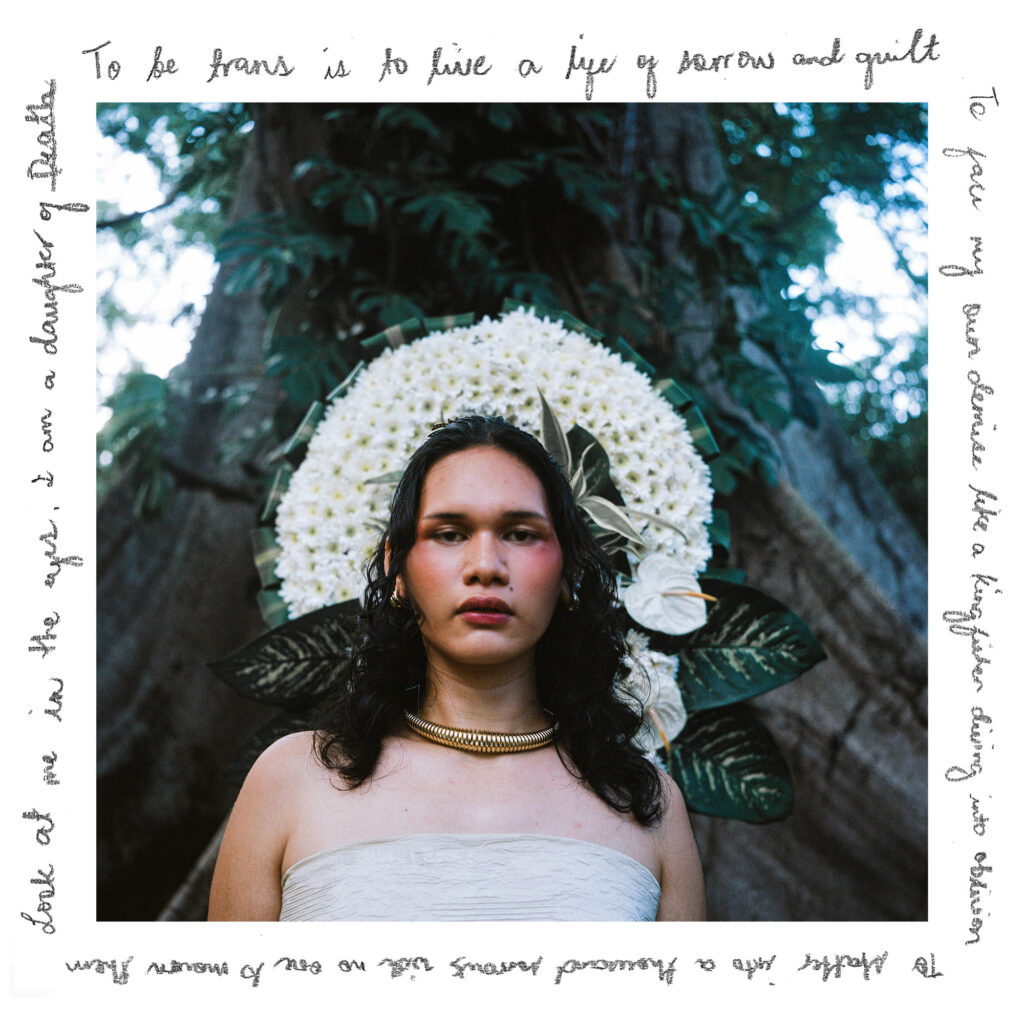
Bienyl Huelgas shows a poetic visual language of mythic imagery and written thought, presenting the notion of holding each other not only between individuals but as a collective structure: a shared carrying of pain, memory and desire within a community that stabilizes itself.

watch project »

Léa Fiterman

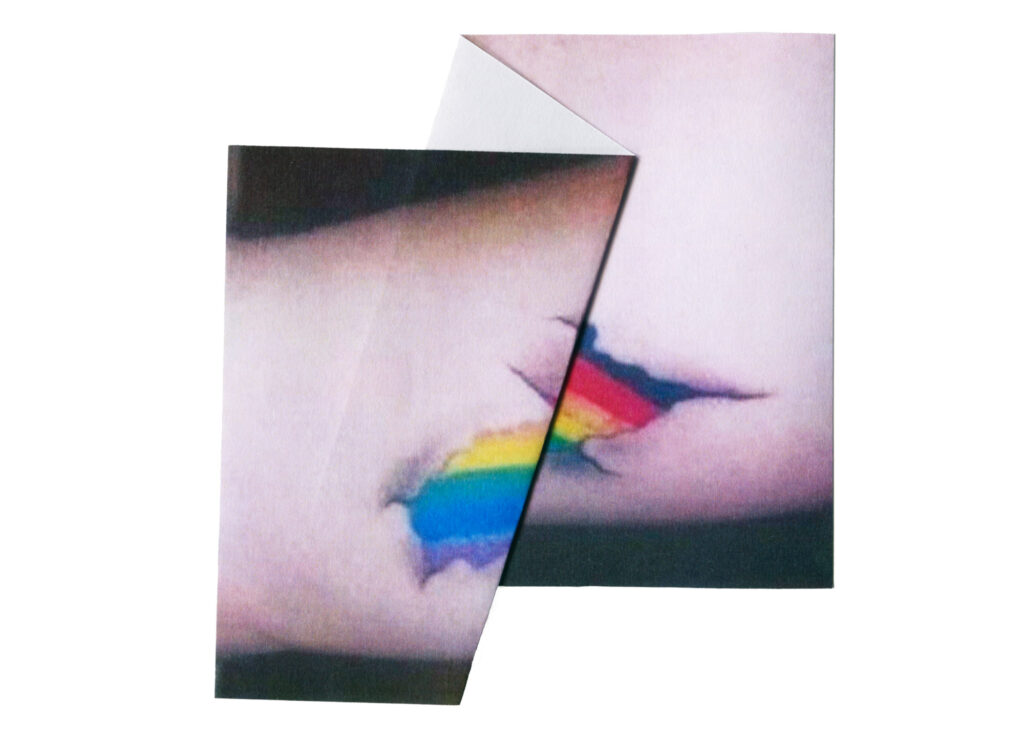
In moments of crisis, censorship and systematic erasure, the need for support becomes all the more urgent. Léa Fiterman develops a precise yet poetic visual language in response, in which formal restraint and tactile interventions play a central role.

watch project »

Frances Marshall

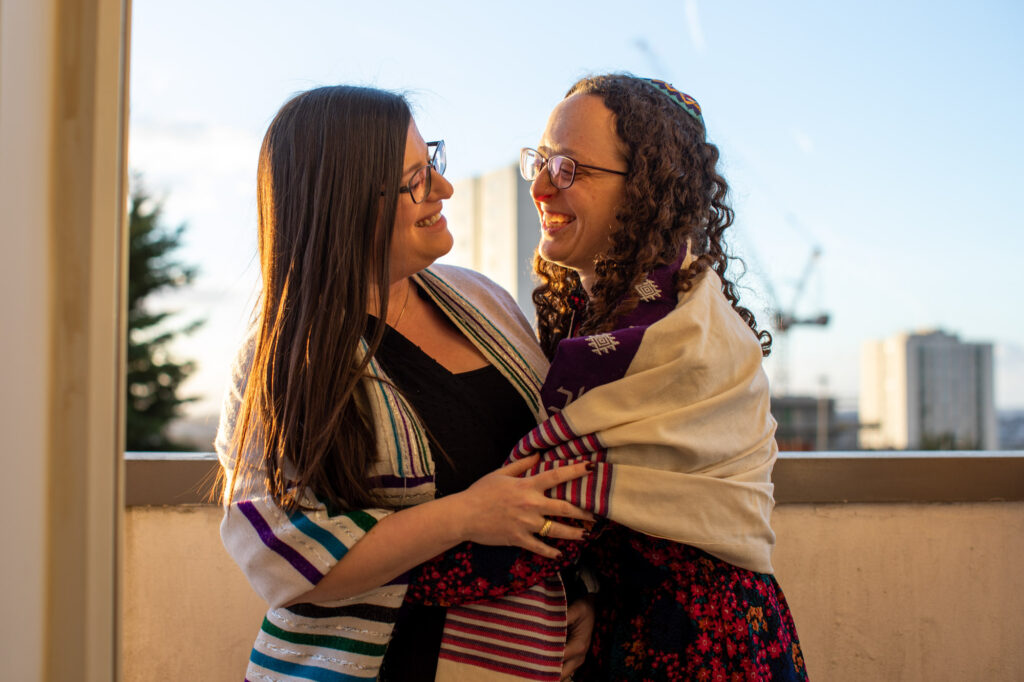
Duet is an ongoing collaboration between the two artists Zac Thompson and JuJu rooted in film photography and performance, shaped by shared experiences of growing up in religious, evangelical environments.

watch project »

Zac Thompson and JuJu Lee

Searching for safe and welcoming spaces, sites that allow for free self-expression and enable lives beyond the margins, aligns not only with geo-political borders but often also across the divide between rural and urban contexts.

watch project »

林家夯 Lin jaihang

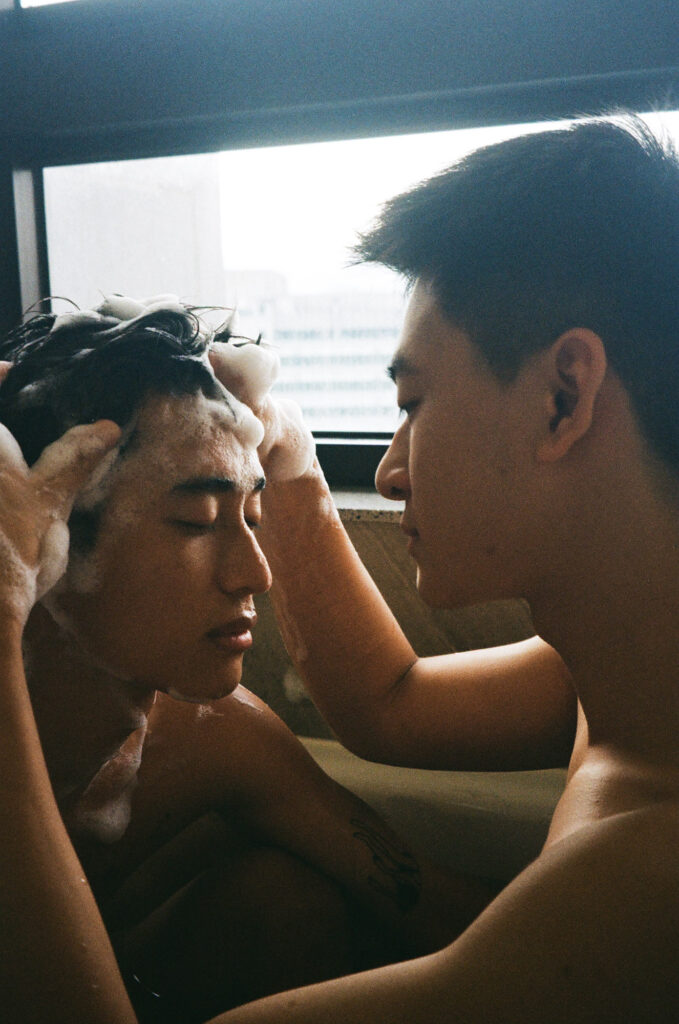
林家夯 Lin Jaihang shows a fragile interplay of familiarity, desire and care through gestures of physical closeness. His photographs are tender and playful, characterized by light, warmth, and intimacy. In a darkening present, they offer a perspective that reminds us of the possibility of beauty in closeness.

watch project »