Hannah Cauhépé

Hors-Jeu (2022), Istanbul/ Turkey (perspectives: other, United Kingdom of Great Britain and Northern Ireland)

Jury Statement

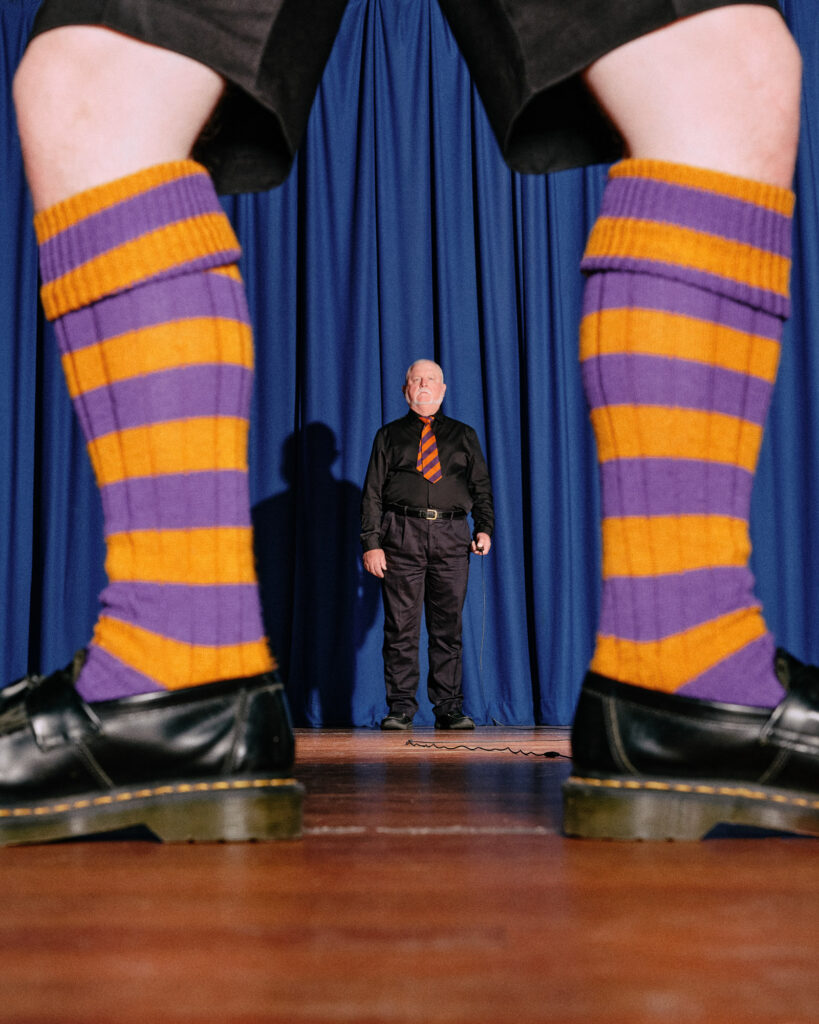
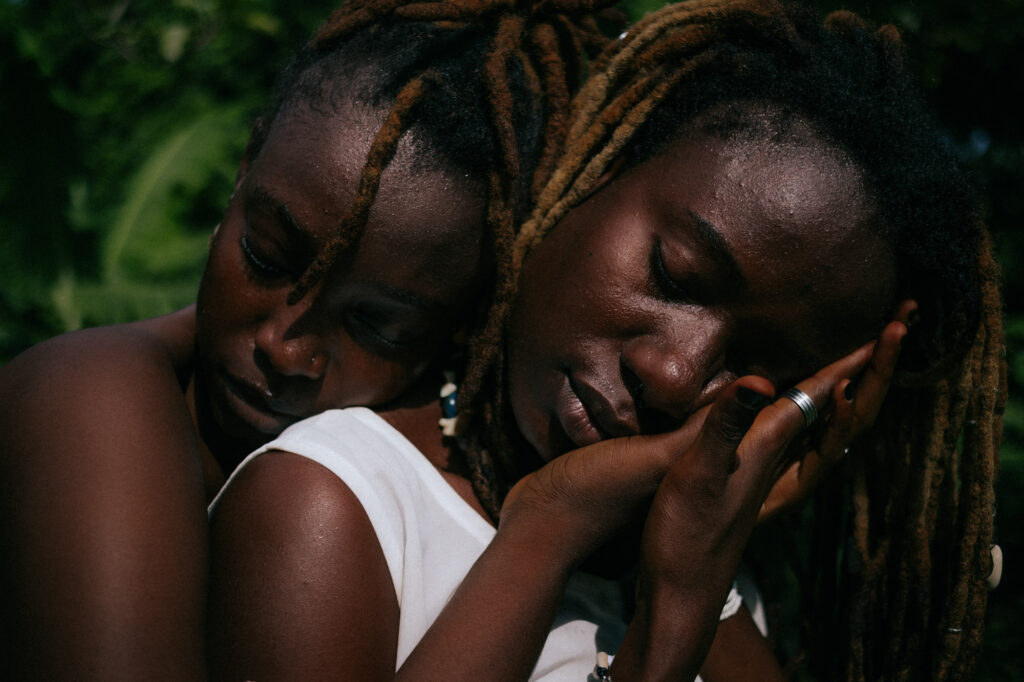
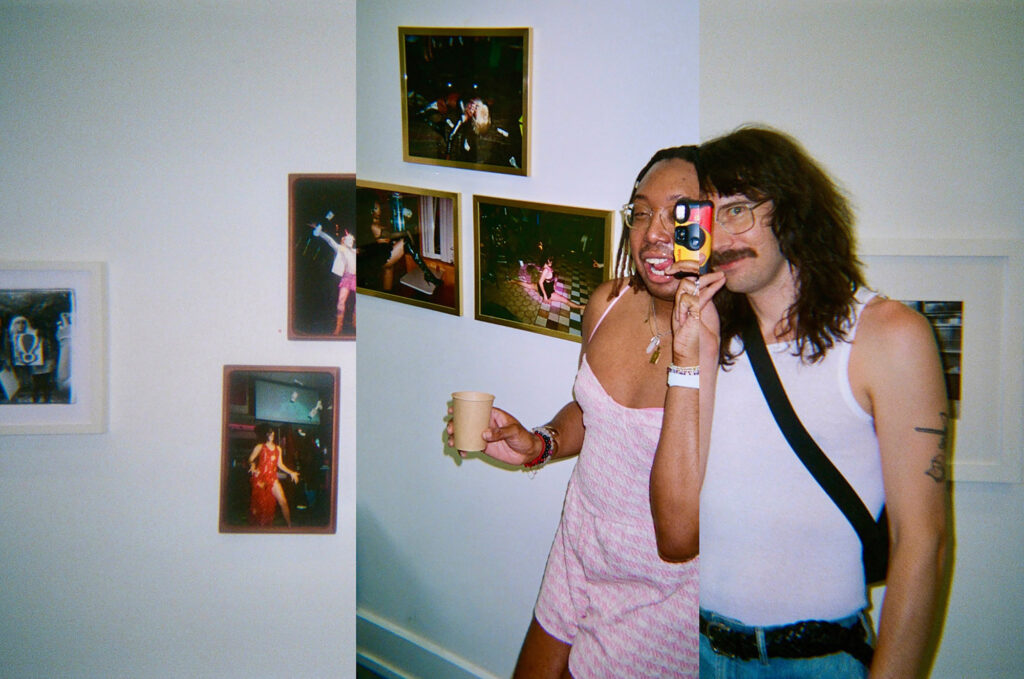
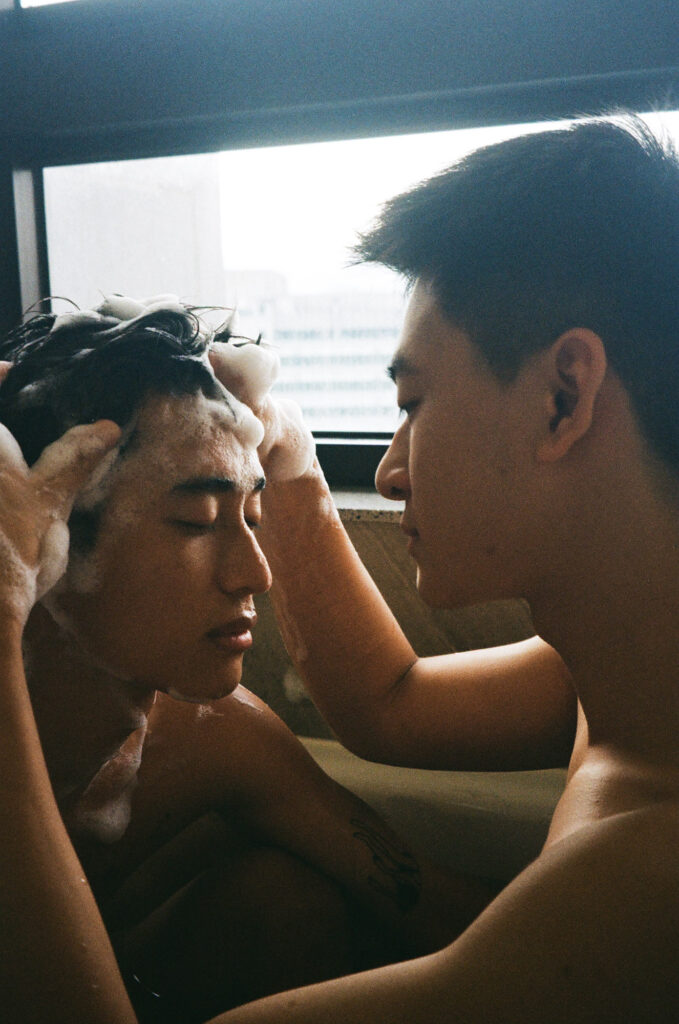
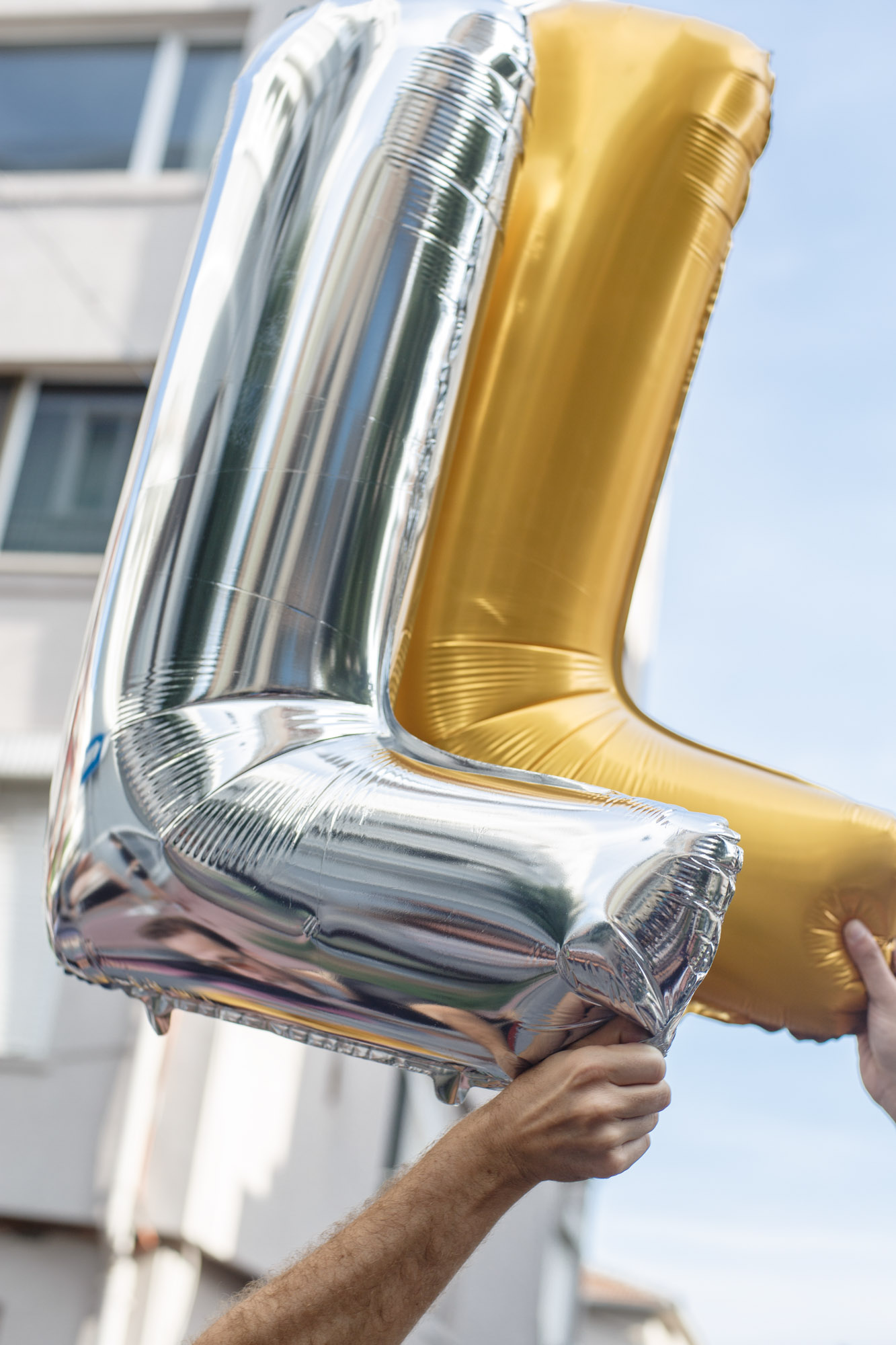
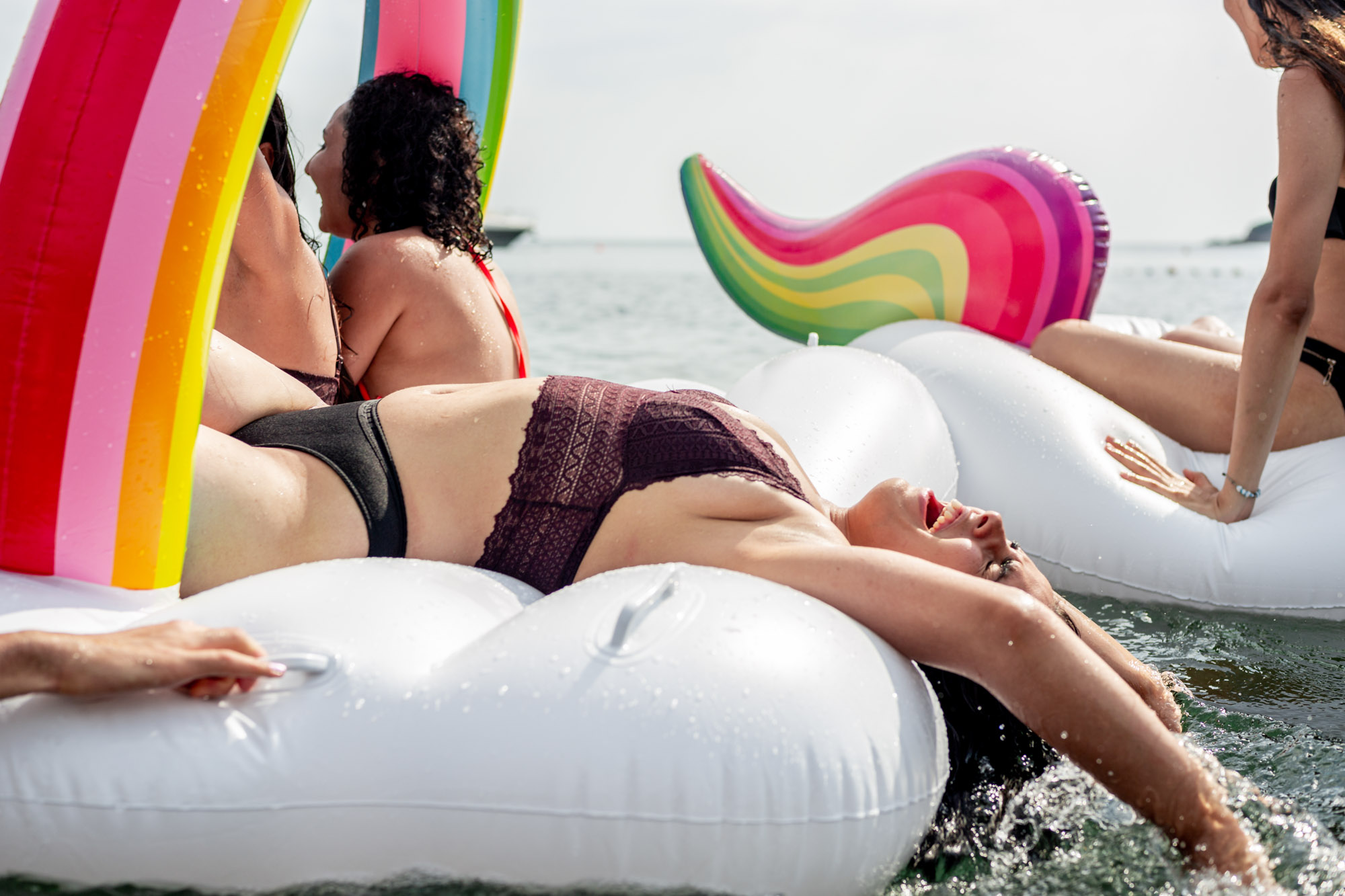
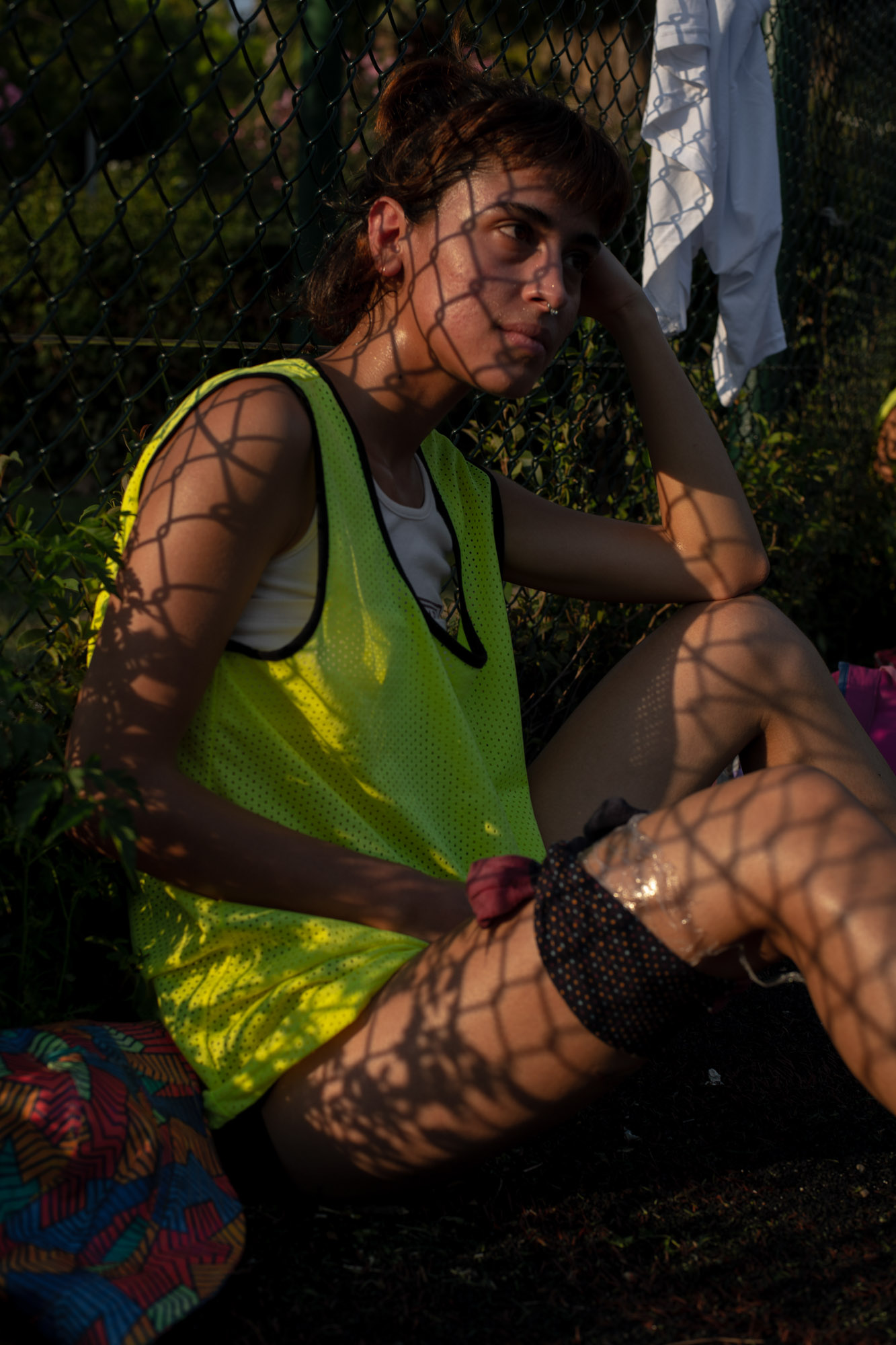
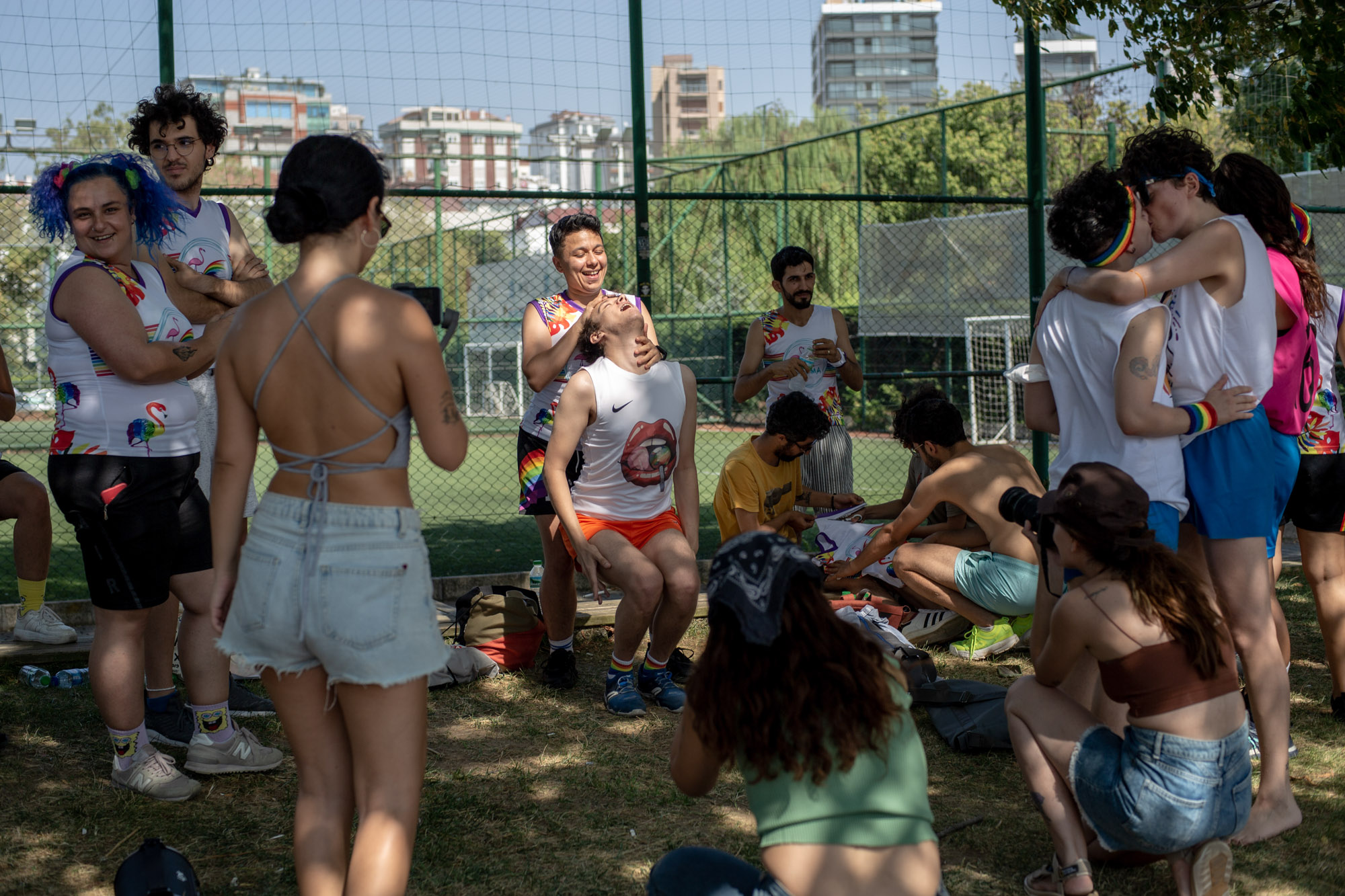
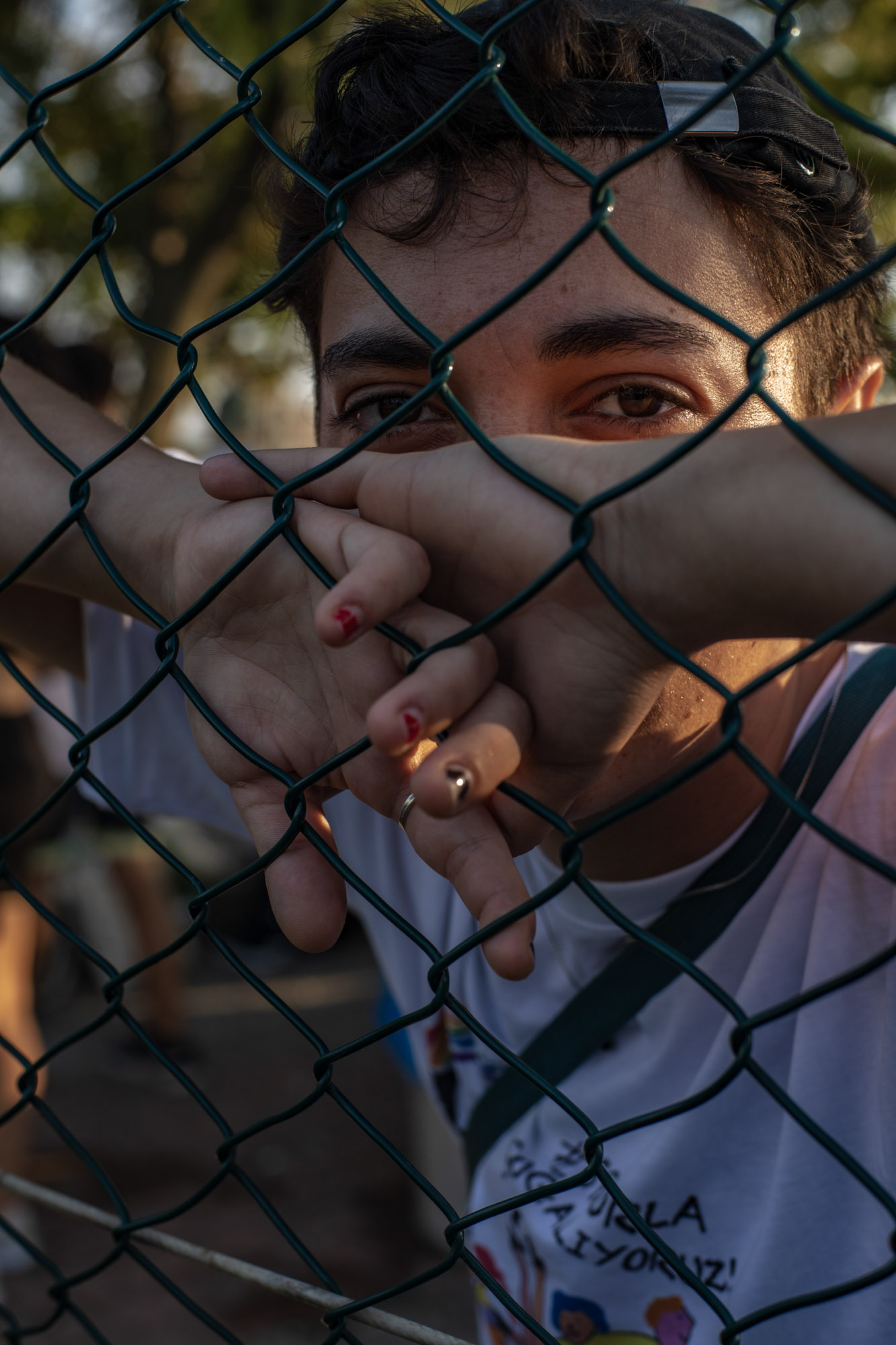
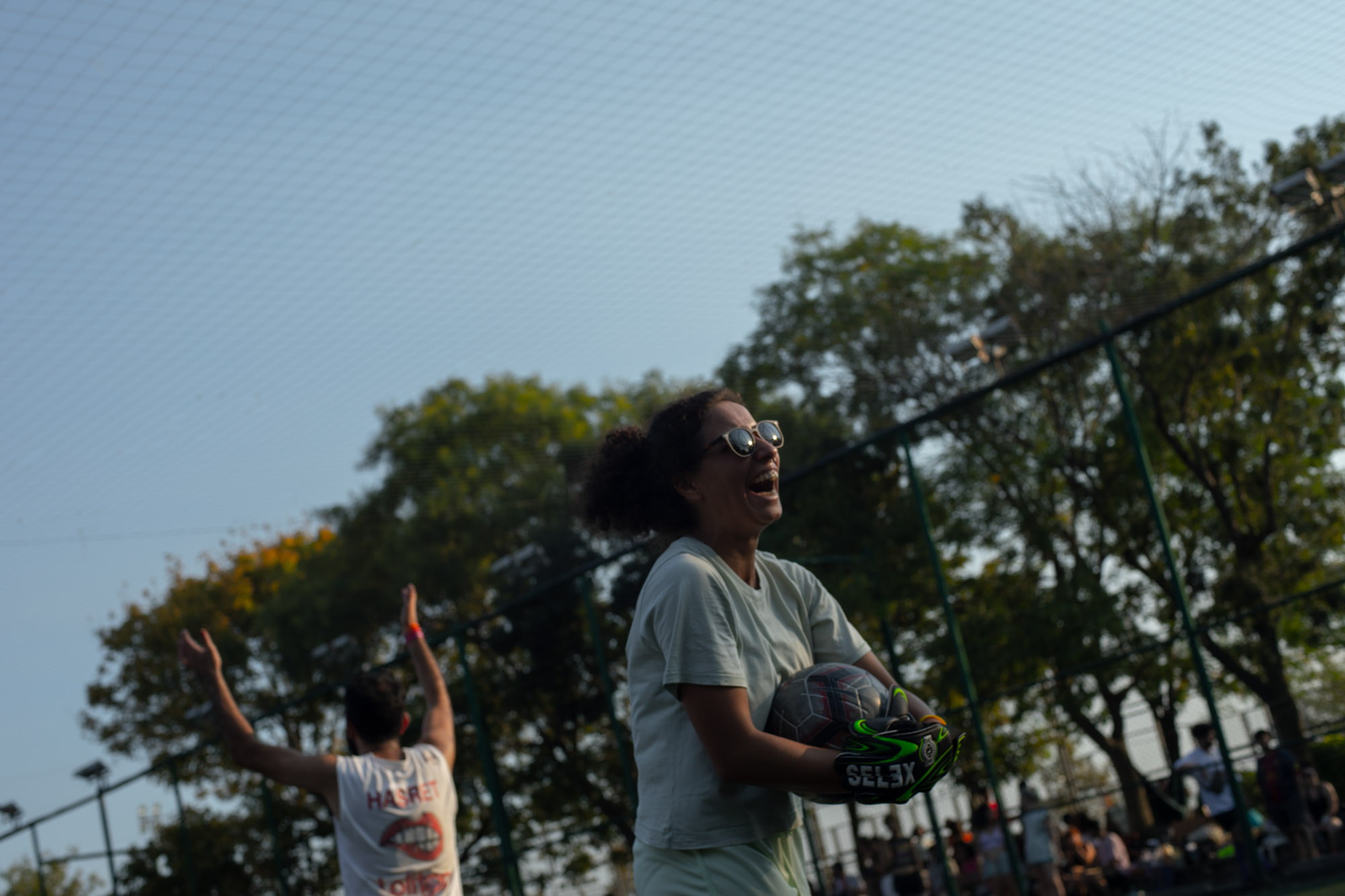
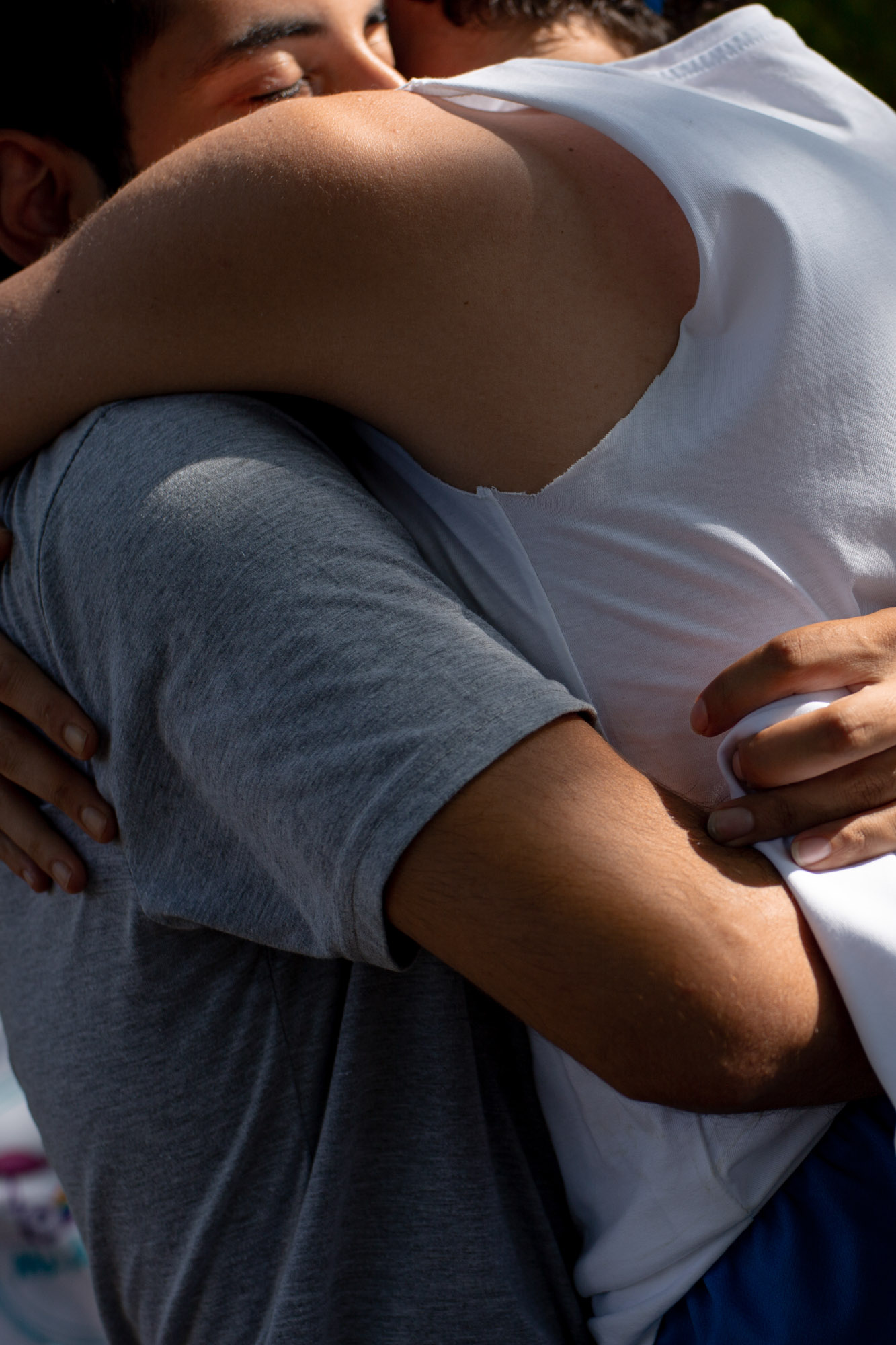
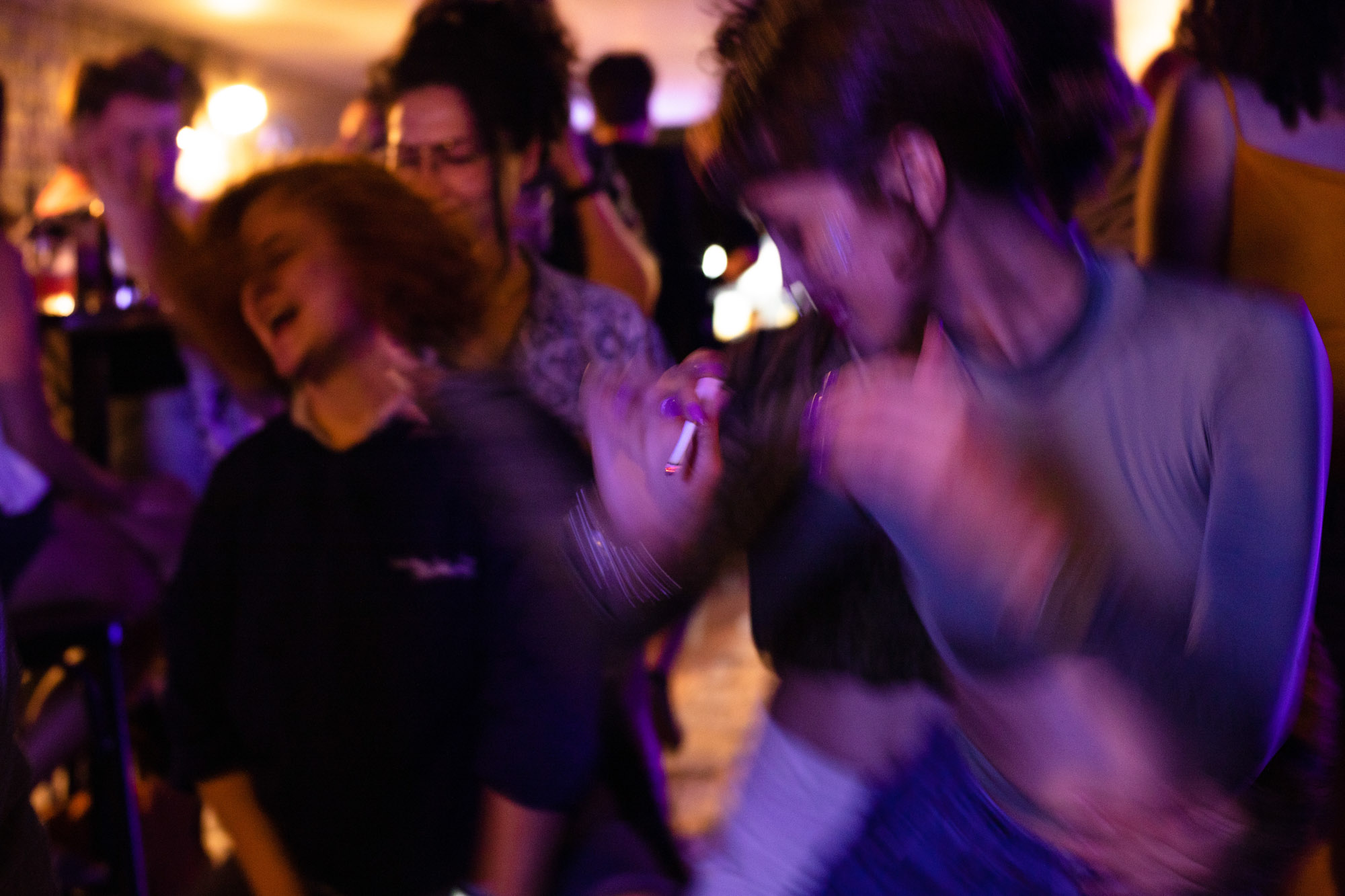
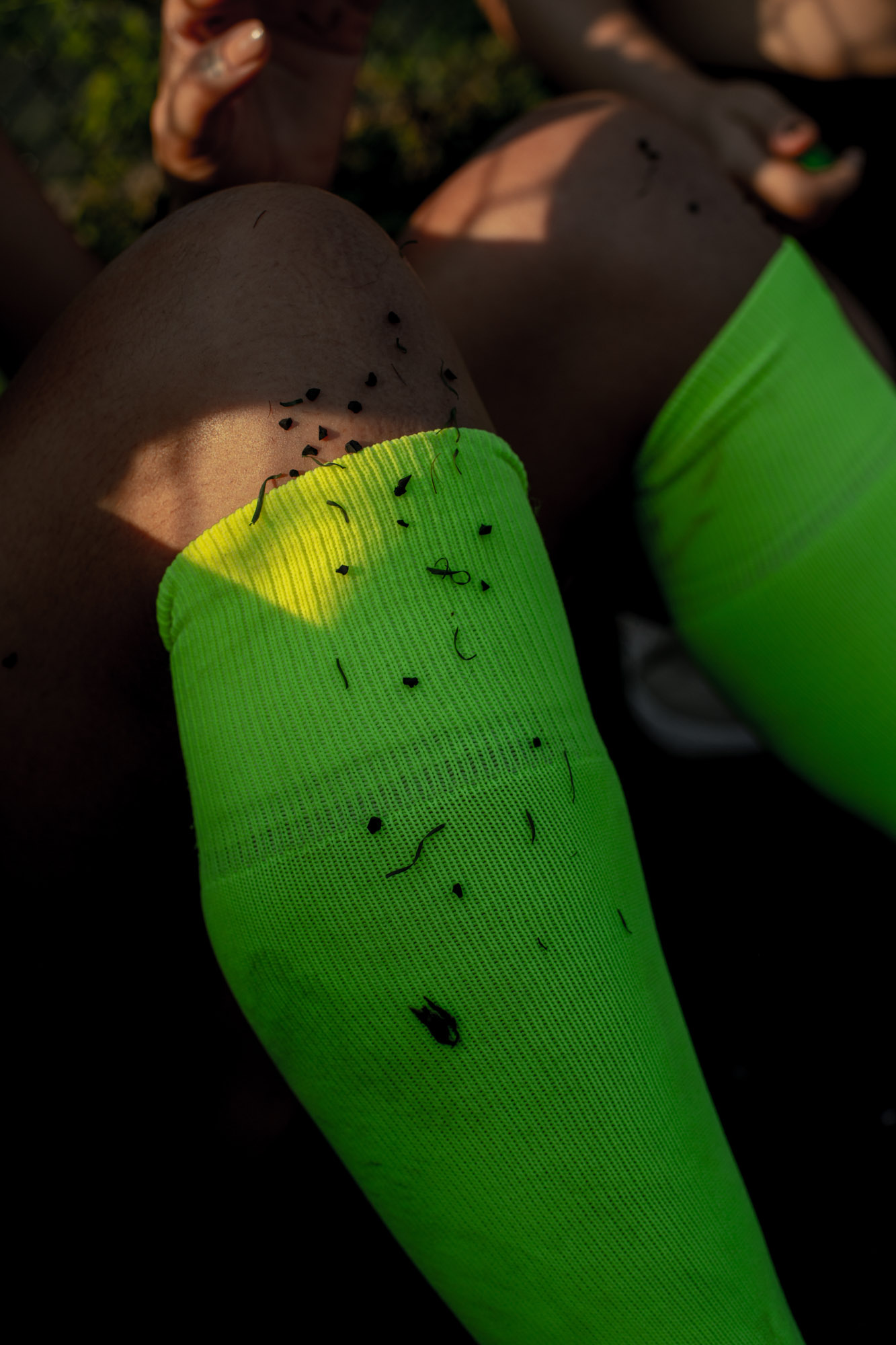
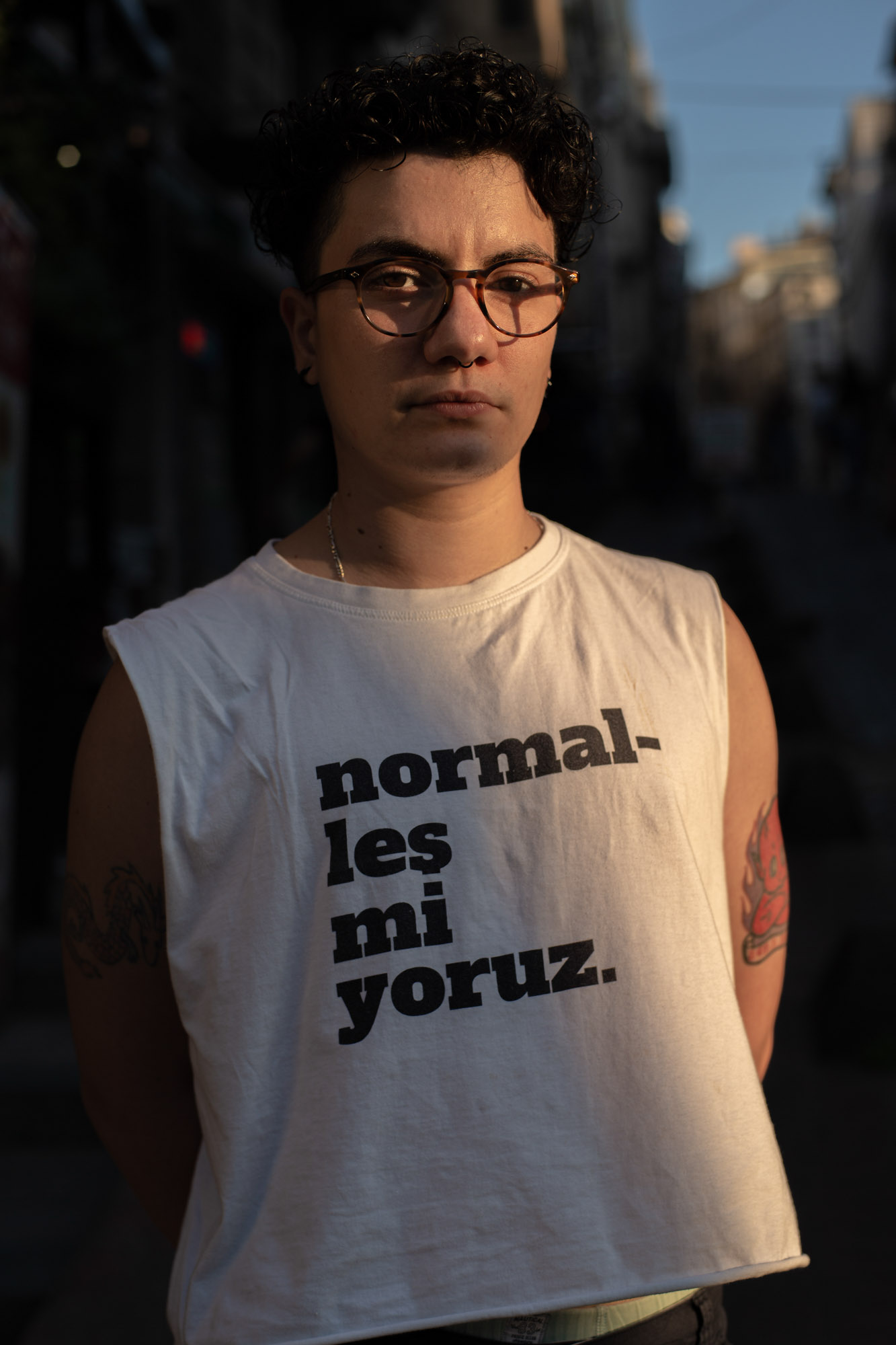
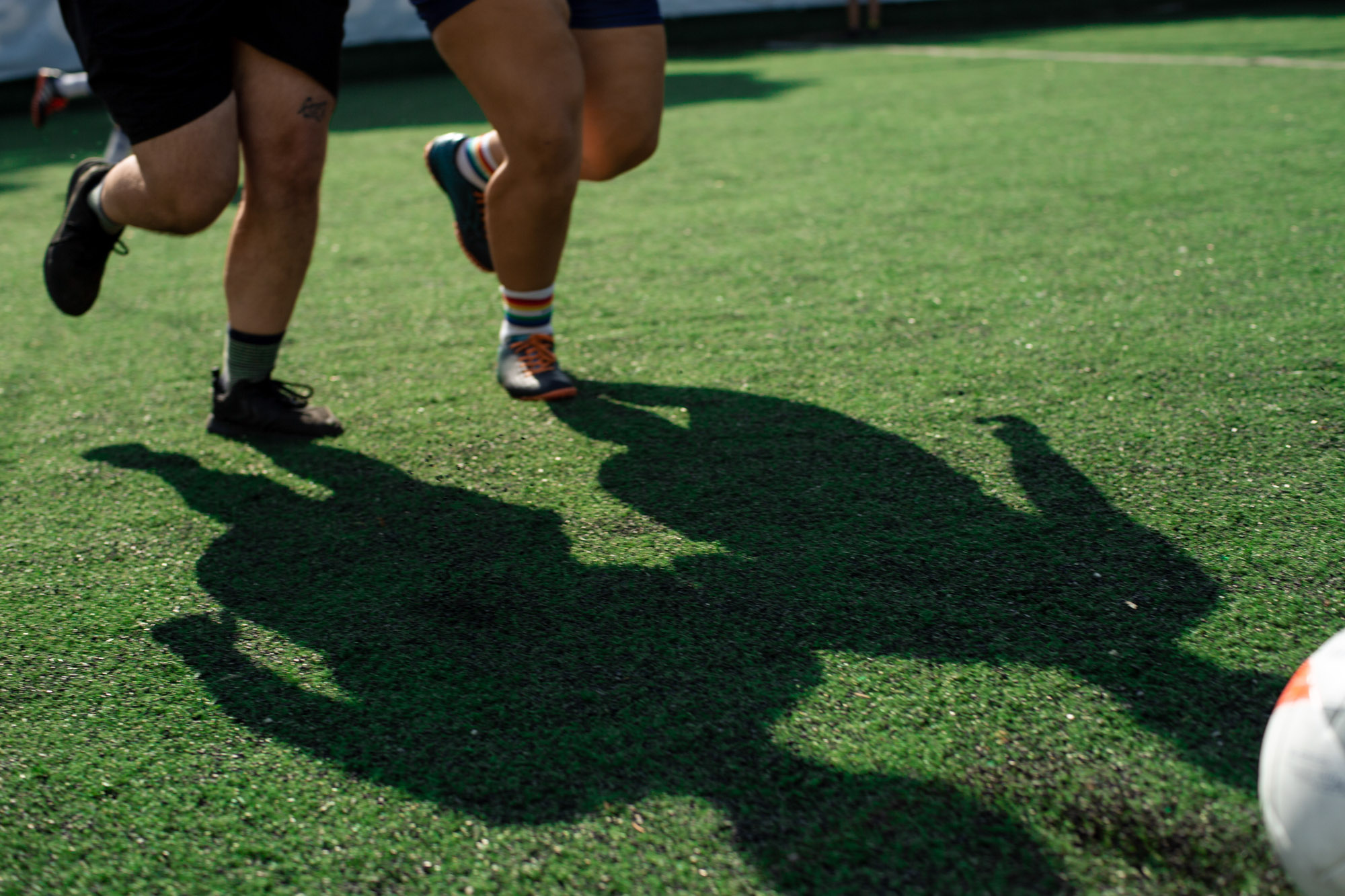
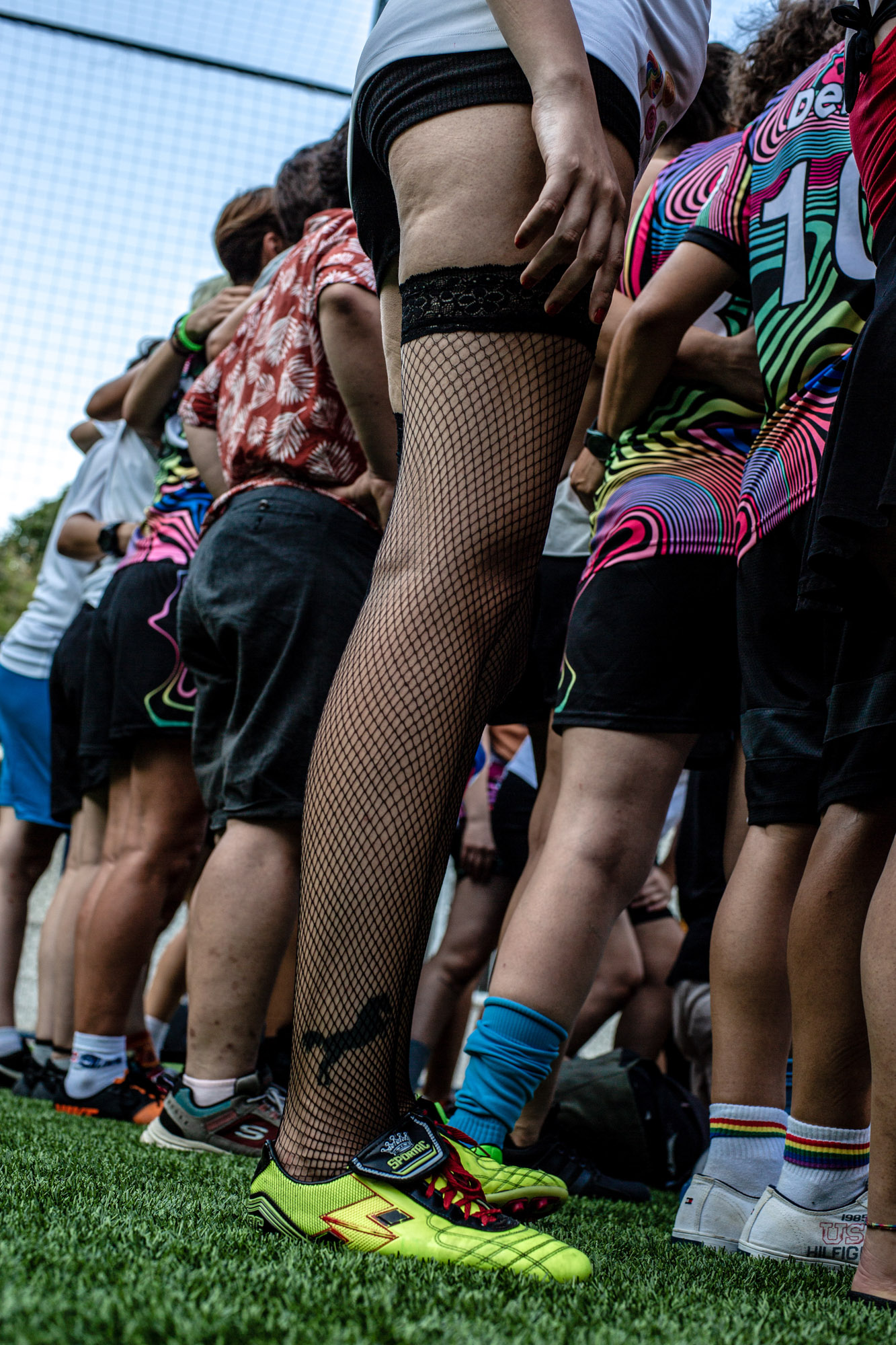
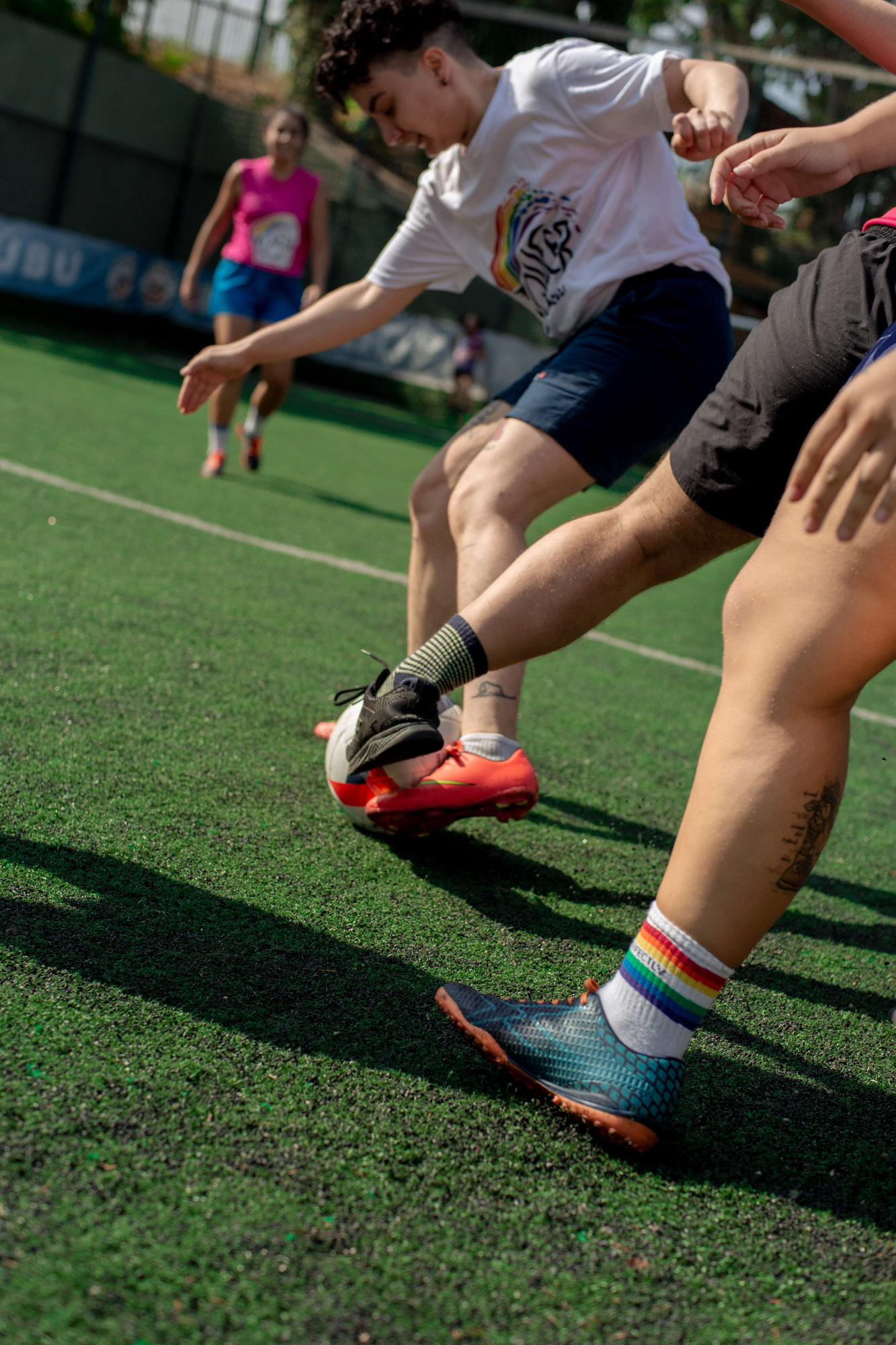
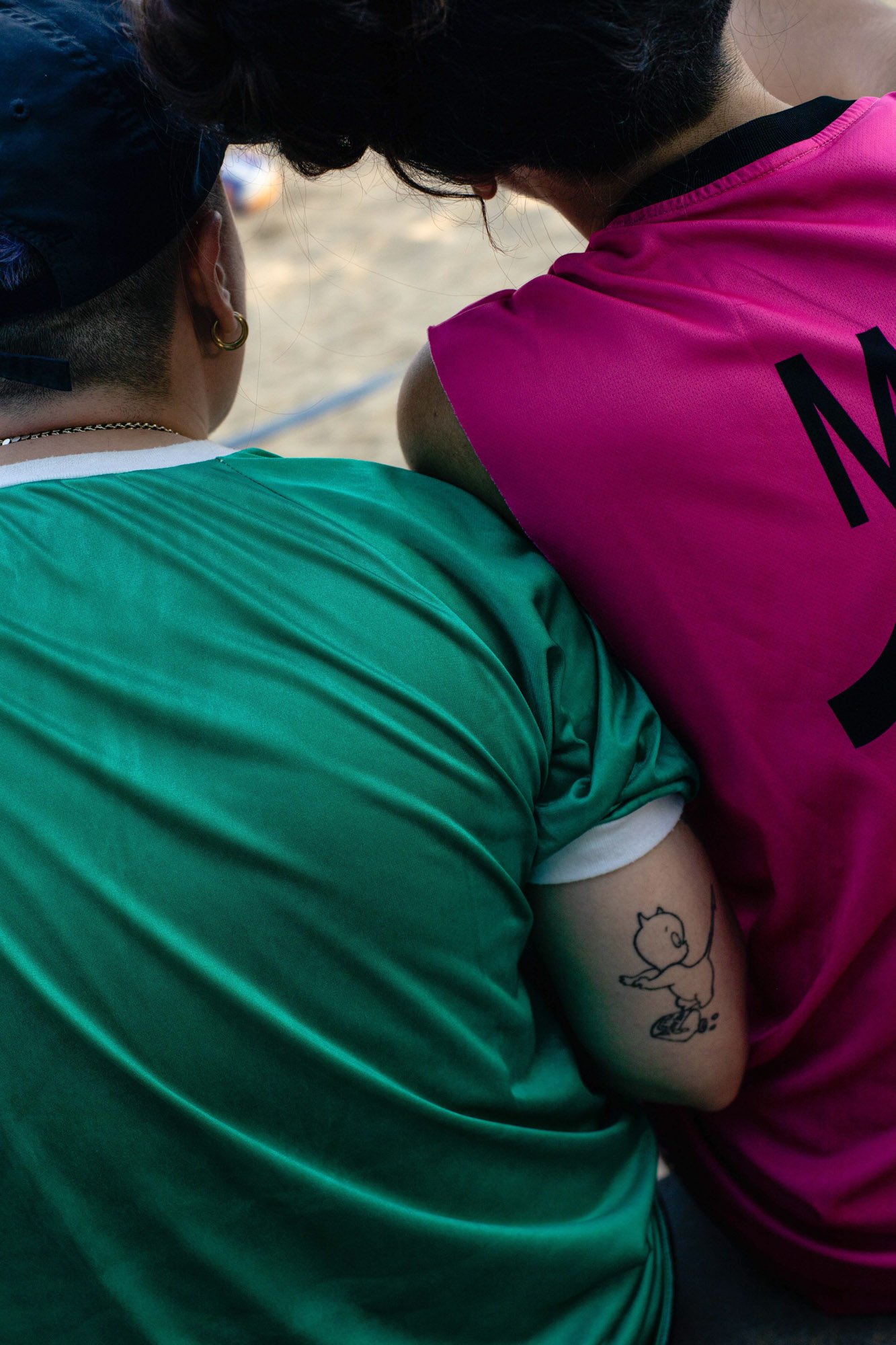
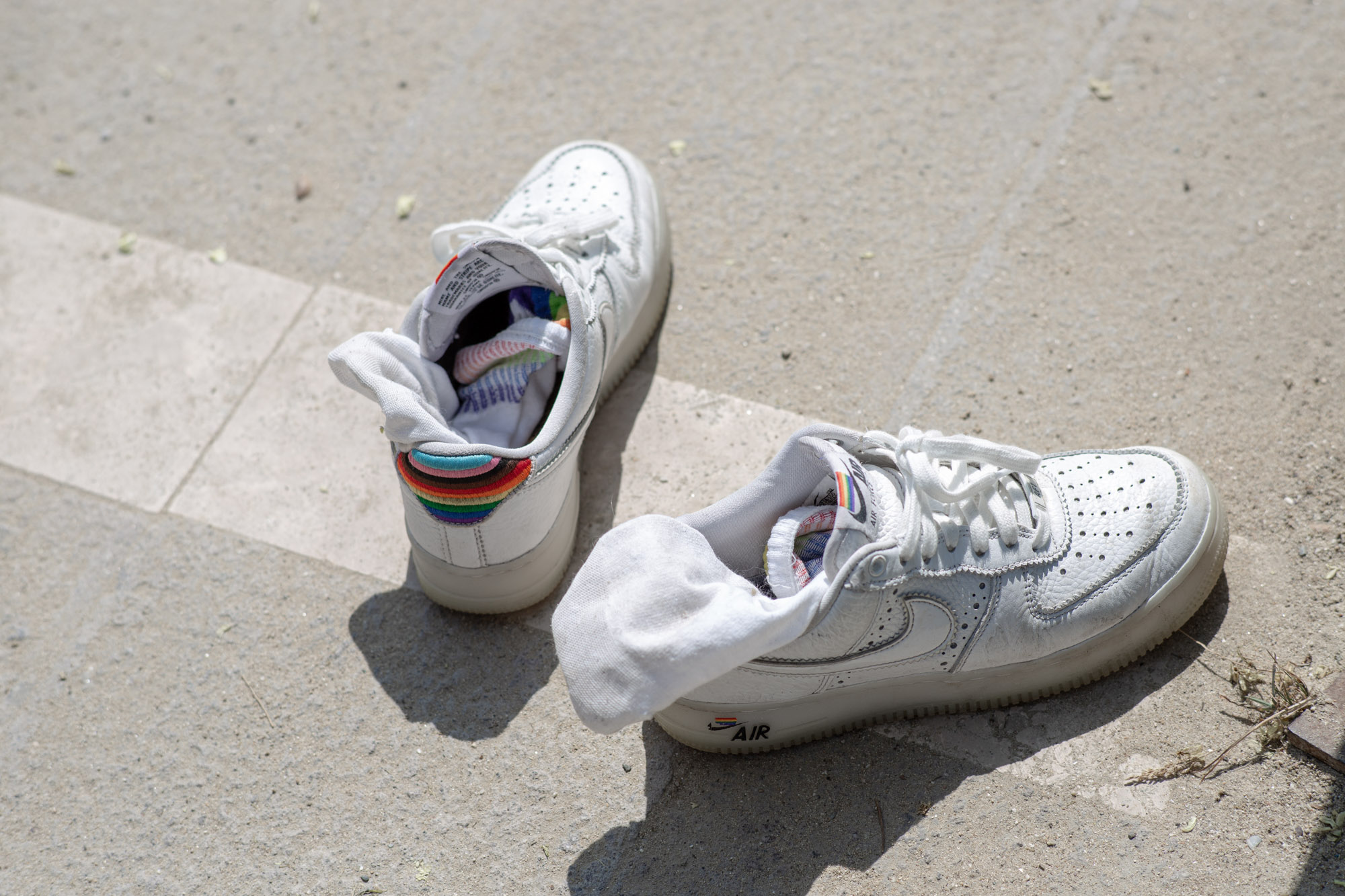
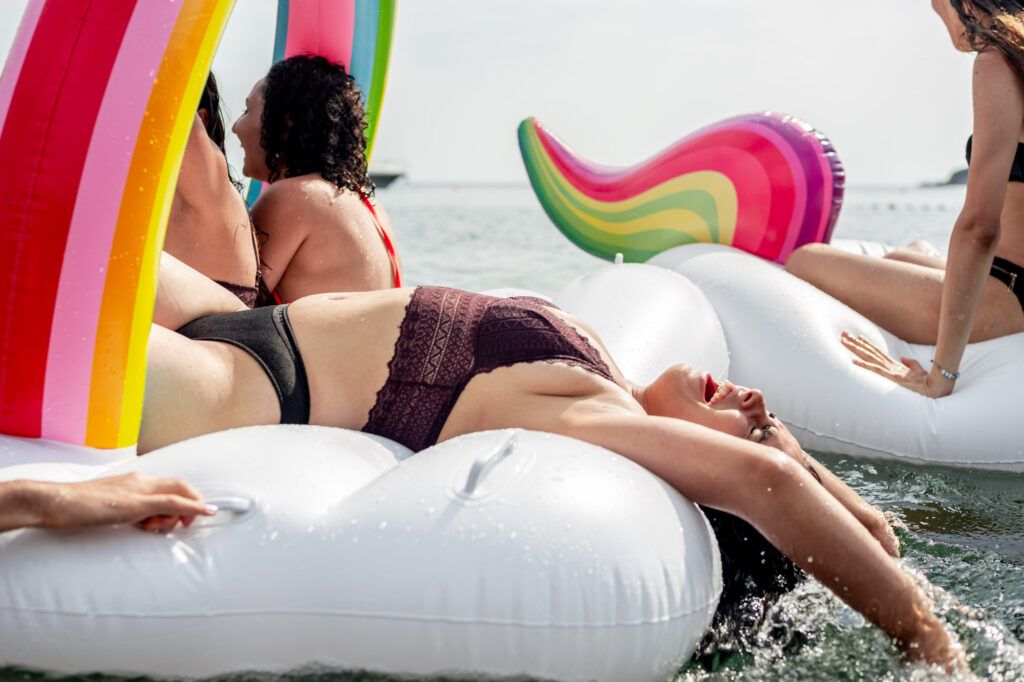
 “This is why we do this! The rest, all that BS, I don’t care” says Elif, a founding member of the Queer Olympix in Istanbul. Hannah Cauhépés series documents a refusal to let repression dictate the terms of existence. Moving between group portraits, close-ups and fragmentary details, the images move between sharpness and blur, always present, always with dedication What emerges is a strong sense of collective joy. The Queer Olympix take place under state  surveillance, requiring strategies to hide, their very occurrence is never guaranteed. Within this tension, joy becomes an act of resistance. The recurring motif of L-shaped balloons, referencing “lubunya,” a term from the queer coded language “lubunca,” points to forms of belonging shaped through secrecy and shared knowledge.


“Hors-Jeu”

“Hors-Jeu” is a French pun on the offside rule in football, literally “out of the game”, paired with a Turkish phrase meaning “queer people are everywhere.” This juxtaposition reflects the paradox at its core: queer communities in Turkey are systematically pushed to the margins, yet remain present across all social and geographic spaces. Focusing on the Queer Olympix in Istanbul, a grassroots multisport event organized over the past years despite increasing state repression, the work traces forms of resilience under constraint. Since the Gezi protests in 2013, LGBTQ+ visibility has been increasingly restricted—Pride marches banned, events prohibited, and, in 2019, the Queer Olympix themselves targeted. Yet the event persists, adapting its formats and conditions in response to ongoing political pressure. Rather than foregrounding repression alone, the project attends to strategies of continuity, collective organization, and presence, insisting on visibility in contexts that seek to render it impossible.


Biography

Hannah Cauhépé (b. Paris, 1988) is a French documentary photographer, filmmaker, editor, and curator, focusing on social justice, gender/LGBTQIA, and environmental issues, through a queer gaze that infuses all she does. views her photographic practice as political. Her photographic practice is self-taught, as she turned to the medium after briefly practicing entertainment law in Paris. Since 2020, she has been working on her long-term personal projects  (exhibited in Paris, Barcelona, Arles…) and as a freelance photojournalist (published in the New York Times, the Guardian, Le Monde, FT Weekend, NPR…). She is a member of Women Photograph & Diversify Photo. Her side projects include La Lenchera, an ephemeral pop-up queer gallery, and Fluid.e.s, a queer photographers‘ collective.

Jury Statement

“This is why we do this! The rest, all that BS, I don’t care” sagt Elif, Gründungsmitglied der Queer Olympix in Istanbul. Hannah Cauhépés Serie dokumentiert eine Haltung, die sich weigert, die Bedingungen von Existenz vorgeben zu lassen. Zwischen Gruppenporträts, Nahaufnahmen und fragmentarischen Details bewegen sich die Bilder zwischen Schärfe und Unschärfe, stets präsent, getragen von einer spürbaren Entschlossenheit. Es entsteht ein starkes Gefühl kollektiver Freude. Die Queer Olympix werden staatlich überwacht und zensiert, erfordern Strategien der Geheimorganisation; dass sie stattfinden können ist nicht selbstverständlich. In dieser Spannung wird Freude selbst zu einem Akt des Widerstands. Das Motiv L-förmiger Ballons, die auf „lubunya“ verweisen, einen Begriff aus der queeren Geheimsprache „lubunca“, verweist auf Formen von Zugehörigkeit, die in Geheimhaltung und geteiltem Wissen herausbilden und tragfähige Strukturen kollektiver Verbundenheit schaffen.


„Hors-Jeu“

„Hors-Jeu“ ist ein französisches Wortspiel auf die Abseitsregel im Fußball – wörtlich „außerhalb des Spiels“ – und wird mit einer türkischen Phrase kombiniert, die „queere Menschen sind überall“ bedeutet. Diese Gegenüberstellung verweist auf das zentrale Paradox der Arbeit: Queere Communities in der Türkei werden systematisch an den Rand gedrängt und sind zugleich in allen sozialen und geografischen Räumen präsent. Ausgehend von den Queer Olympix in Istanbul, einer basisorganisierten Multisportveranstaltung, die trotz zunehmender staatlicher Repression über Jahre hinweg organisiert wird, zeichnet die Arbeit Formen von Resilienz unter restriktiven Bedingungen nach. Seit den Gezi-Protesten 2013 ist die Sichtbarkeit von LGBTQ+-Leben zunehmend eingeschränkt worden – Pride-Demonstrationen werden untersagt, Veranstaltungen verboten, und 2019 wurden auch die Queer Olympix selbst Ziel staatlicher Maßnahmen. Dennoch besteht die Veranstaltung fort, indem sie ihre Formate und Bedingungen kontinuierlich an den politischen Druck anpasst. Anstatt ausschließlich Repression zu thematisieren, richtet das Projekt den Blick auf Strategien der Kontinuität, kollektiven Organisation und Präsenz – und besteht auf Sichtbarkeit in Kontexten, die genau diese zu verunmöglichen suchen.


Biografie

Hannah Cauhépé (*1988, Paris) ist eine französische Dokumentarfotografin, Filmemacherin, Editorin und Kuratorin, deren Arbeit sich mit Fragen sozialer Gerechtigkeit, Gender/LGBTQIA+ sowie ökologischen Themen auseinandersetzt – durch eine queere Perspektive, die ihr gesamtes Schaffen prägt. Sie versteht ihre fotografische Praxis als politisch. Ihre fotografische Arbeit ist autodidaktisch entwickelt, nachdem sie sich nach einer kurzen Tätigkeit im Unterhaltungsrecht in Paris dem Medium zugewandt hat. Seit 2020 arbeitet sie an langfristigen eigenen Projekten (ausgestellt u. a. in Paris, Barcelona, Arles) sowie als freischaffende Fotojournalistin (veröffentlicht u. a. in der New York Times, The Guardian, Le Monde, FT Weekend, NPR). Sie ist Mitglied bei Women Photograph und Diversify Photo.

Hannah Cauhépé

“Hors-Jeu” is a French pun on the offside rule in football, literally “out of the game”, paired with a Turkish phrase meaning “queer people are everywhere.” This juxtaposition reflects the paradox at its core: queer communities in Turkey are systematically pushed to the margins, yet remain present across all social and geographic spaces.
watch project »

Hana Ibrahim

The project follows Betty, who lives between concealment and emergence, navigating a reality shaped by transition, fear, and survival. These objects do not appear as incidental props, but as carriers of meaning, material condensations of self-assurance, protection and inner orientation.

watch project »

Lindsay Perryman

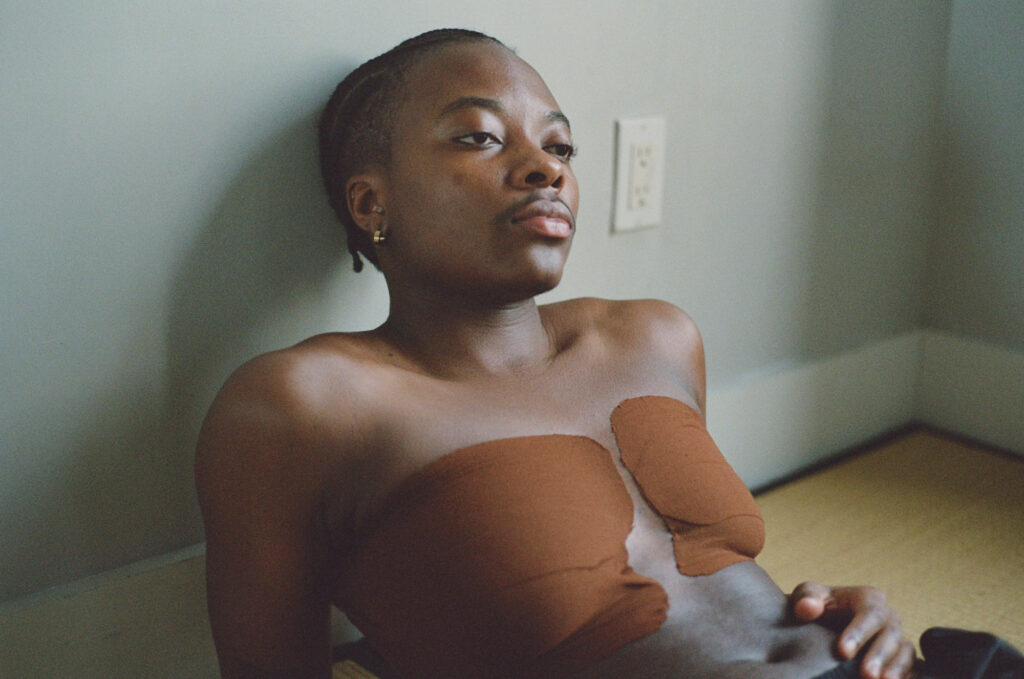
TOPS explores the vulnerability inherent in processes of bodily and subjective transformation, focusing on individuals who have undergone top surgery. Through a combination of group and individual portraits, as well as interior settings, the work traces moments of transition in which identity is continuously unraveling and re-forming.

watch project »

Ciaran Inns

Is He Family? is a collaborative body of work created with Neil, the artist’s former drama teacher and now friend. The project takes its title from coded language once used within queer communities, where phrases such as “are they family?” functioned as signals of recognition, safety, and solidarity in contexts where openly queer existence carried risk.

watch project »

Alexandra Obochi

Held by Each other: Community care and Queer Survival in Nigeria reflects many different forms of holding each other, rooted in Nigeria but also transcending geographically and culturally constrained spaces. It speaks to a search for sanctuary, for closeness in distance and for a sense of family within diverse constellations, universal longings that take shape as different forms of a warm embrace.

watch project »

Ali Mahini

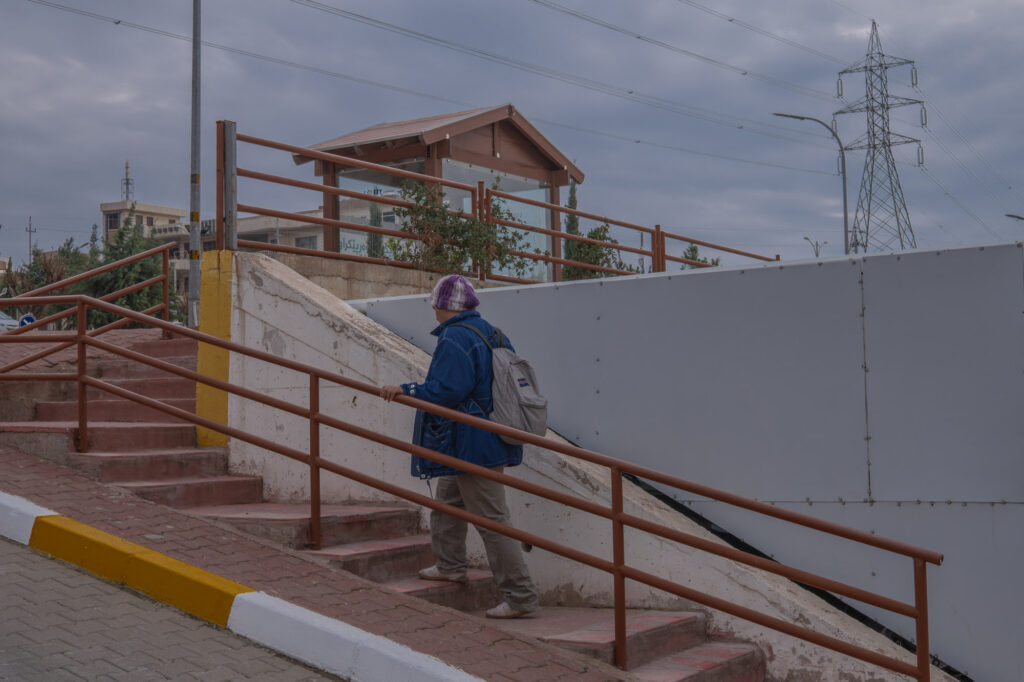
What has become of the people portrayed in Ali Mahini’s series Prince of Persia in the months since encountering the work, whether they are still alive, remains unknown. Nor do we know the current state of the park that served as their place of gathering. Concrete information from within and about Iran is, at present, scarcely accessible.

watch project »

Luca Gaetano Pira

We are deeply moved by Tania Navarro’s story, as well as by the strength, resilience and joy of life reflected in the eyes captured by Luca Gaetano Pira in his documentary series.

watch project »

Sergei Stroitelev

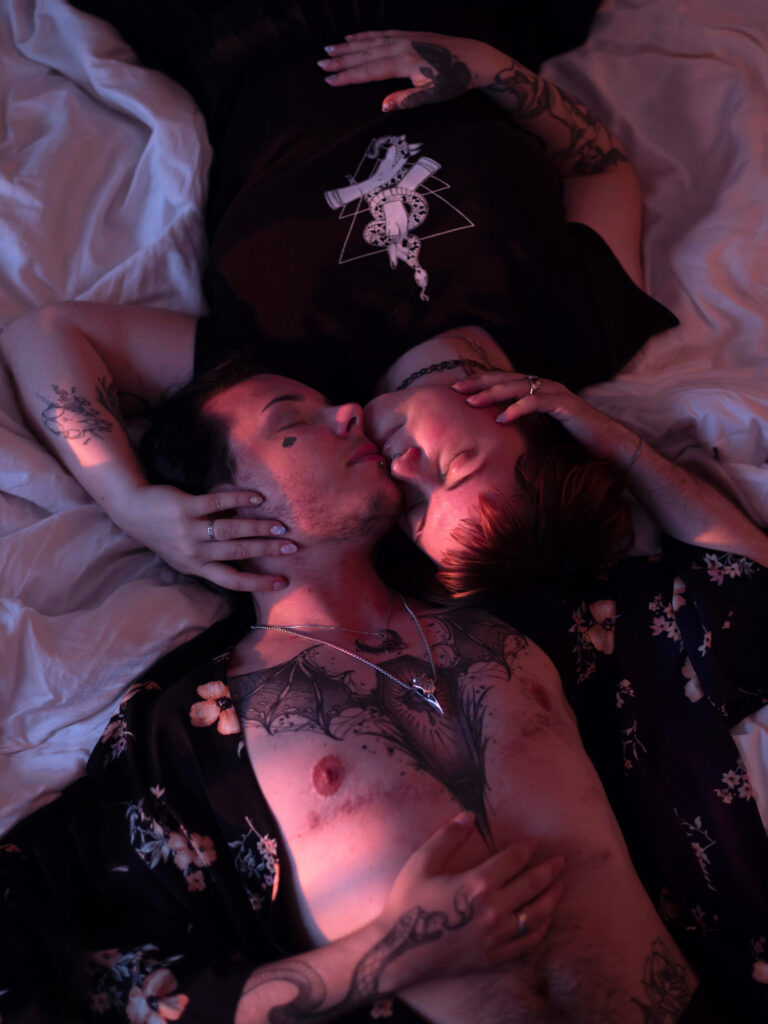
Sergei Stroitelev’s series is carried by cool, subdued tones and soft light. Interiors and carefully placed objects interact and become carriers of emotion. A sense of being held unfolds, located not only in interpersonal relationships but also in objects and letters that store and transmit memory.

watch project »

Bienyl Huelgas

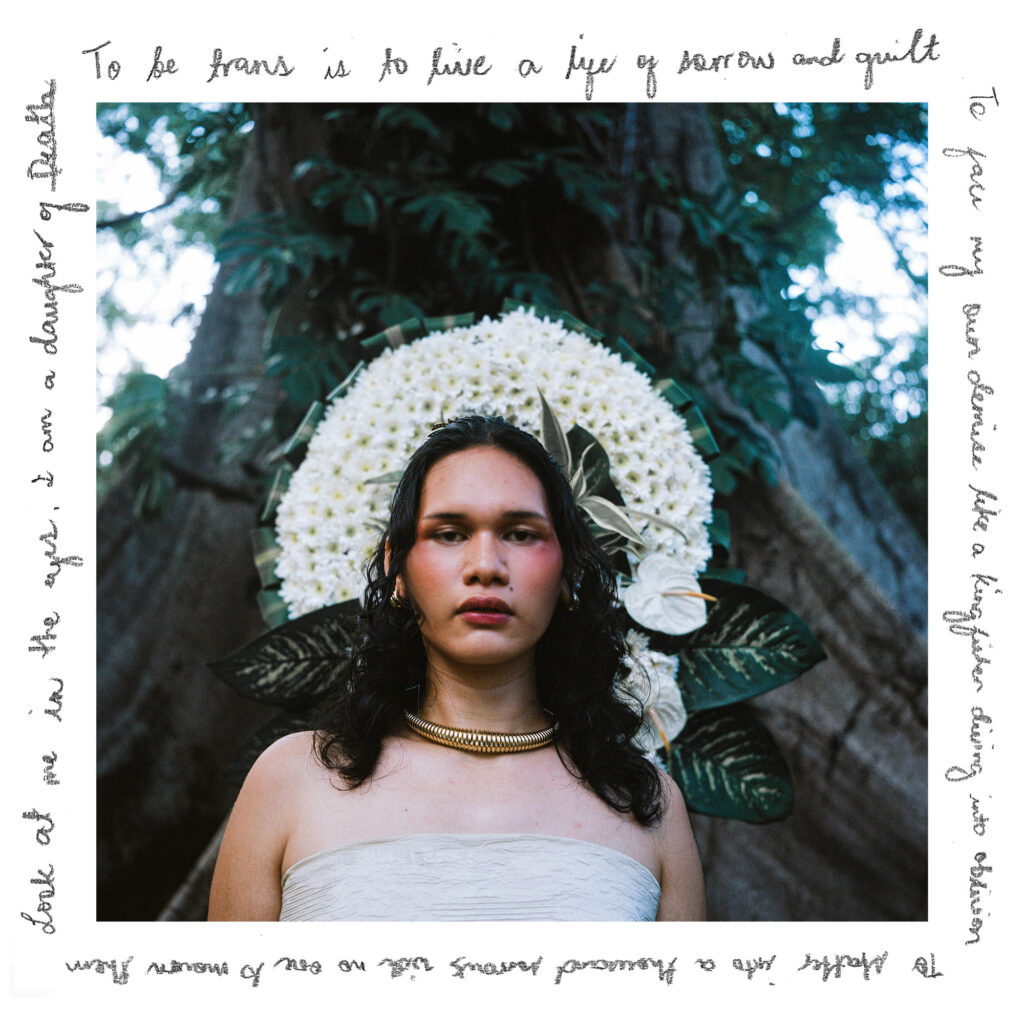
Bienyl Huelgas shows a poetic visual language of mythic imagery and written thought, presenting the notion of holding each other not only between individuals but as a collective structure: a shared carrying of pain, memory and desire within a community that stabilizes itself.

watch project »

Léa Fiterman

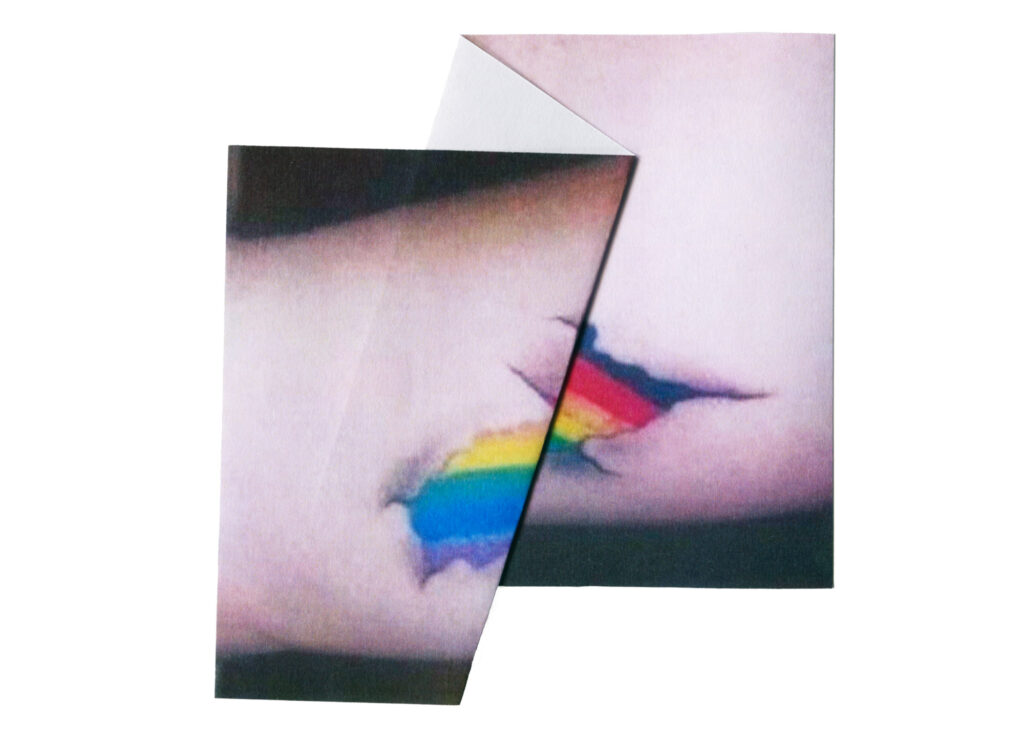
In moments of crisis, censorship and systematic erasure, the need for support becomes all the more urgent. Léa Fiterman develops a precise yet poetic visual language in response, in which formal restraint and tactile interventions play a central role.

watch project »

Frances Marshall

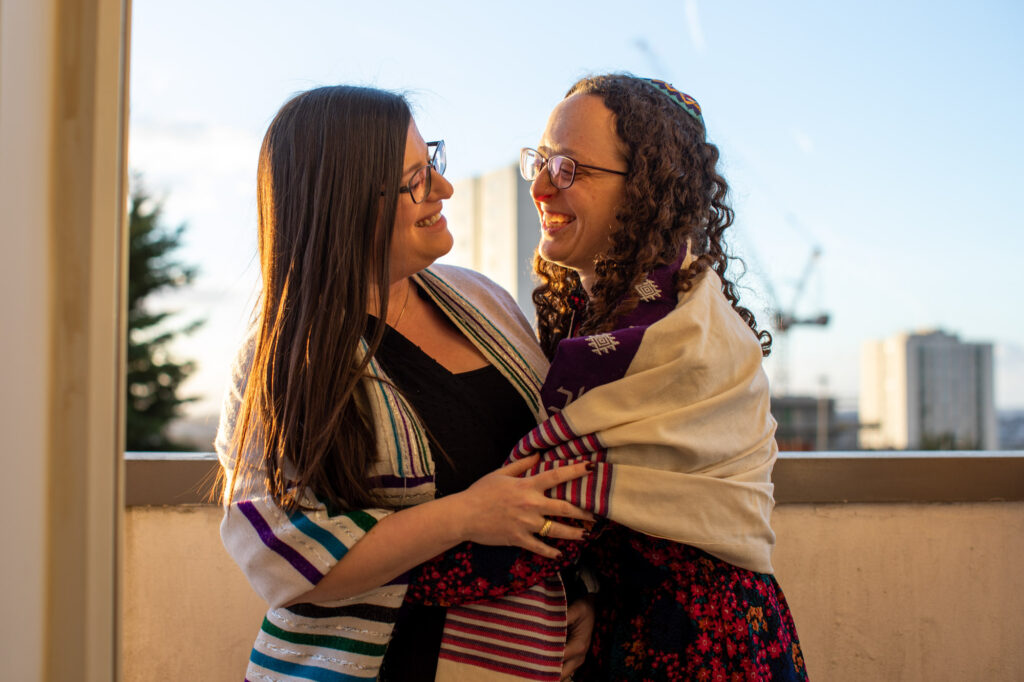
Duet is an ongoing collaboration between the two artists Zac Thompson and JuJu rooted in film photography and performance, shaped by shared experiences of growing up in religious, evangelical environments.

watch project »

Zac Thompson and JuJu Lee

Searching for safe and welcoming spaces, sites that allow for free self-expression and enable lives beyond the margins, aligns not only with geo-political borders but often also across the divide between rural and urban contexts.

watch project »

林家夯 Lin jaihang

林家夯 Lin Jaihang shows a fragile interplay of familiarity, desire and care through gestures of physical closeness. His photographs are tender and playful, characterized by light, warmth, and intimacy. In a darkening present, they offer a perspective that reminds us of the possibility of beauty in closeness.

watch project »