Léa Fiterman (FRA)

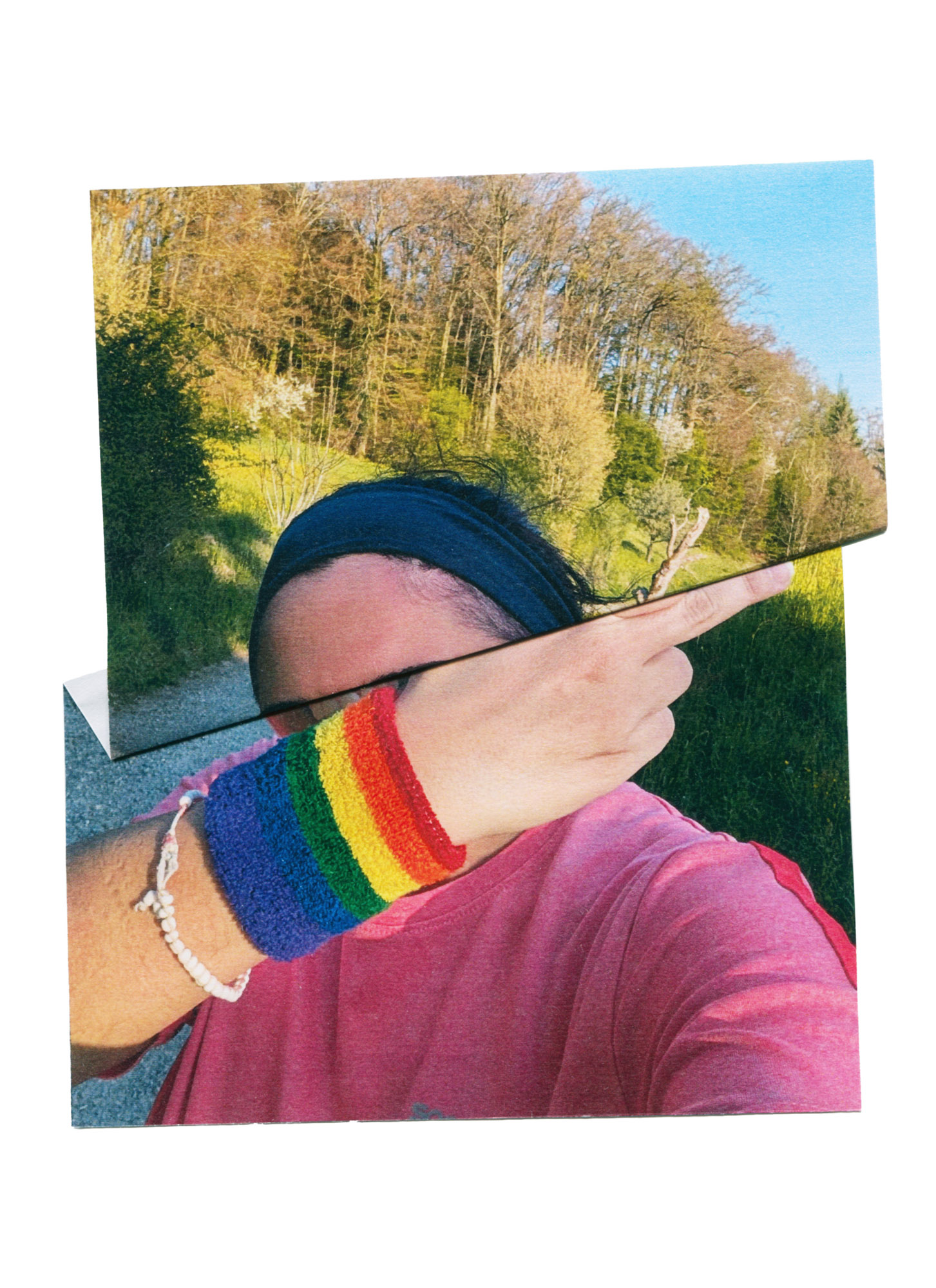
Censored Pride (2025), Budapest/ Hungary (perspectives: female, Hungary, based in France)

Jury Statement

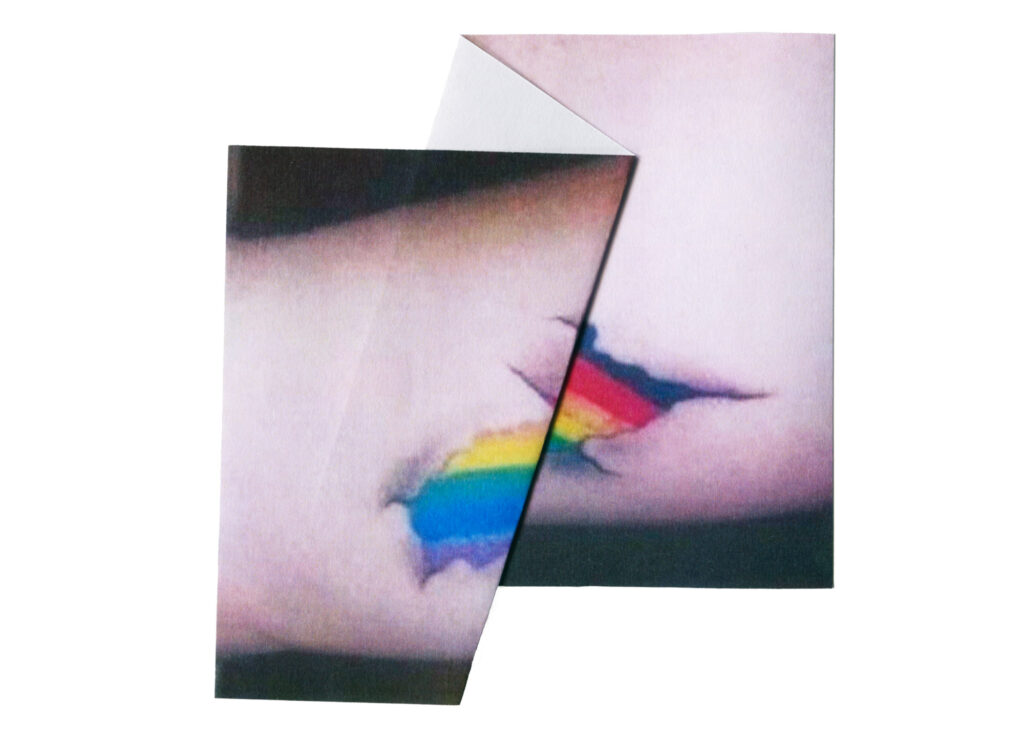
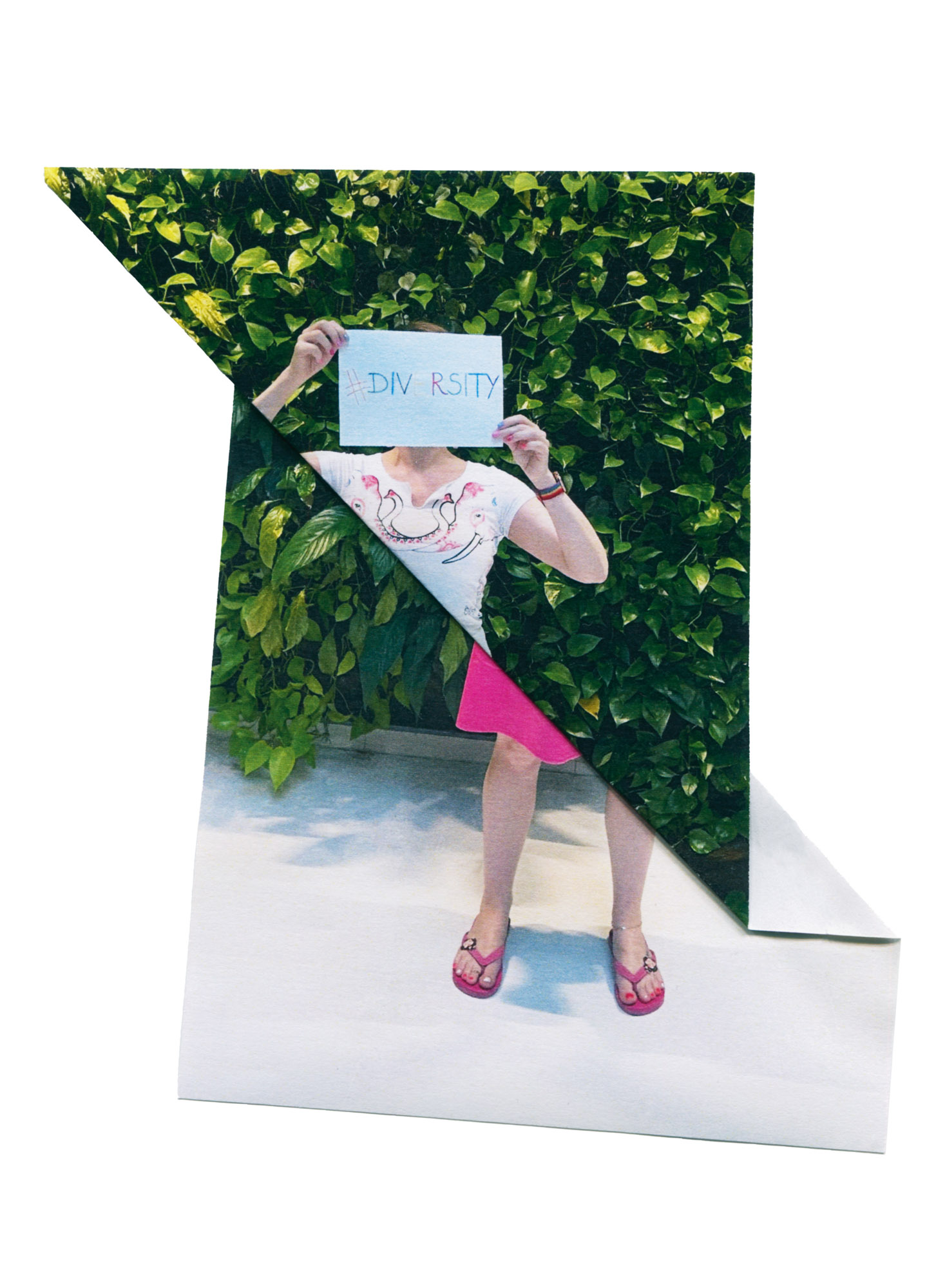
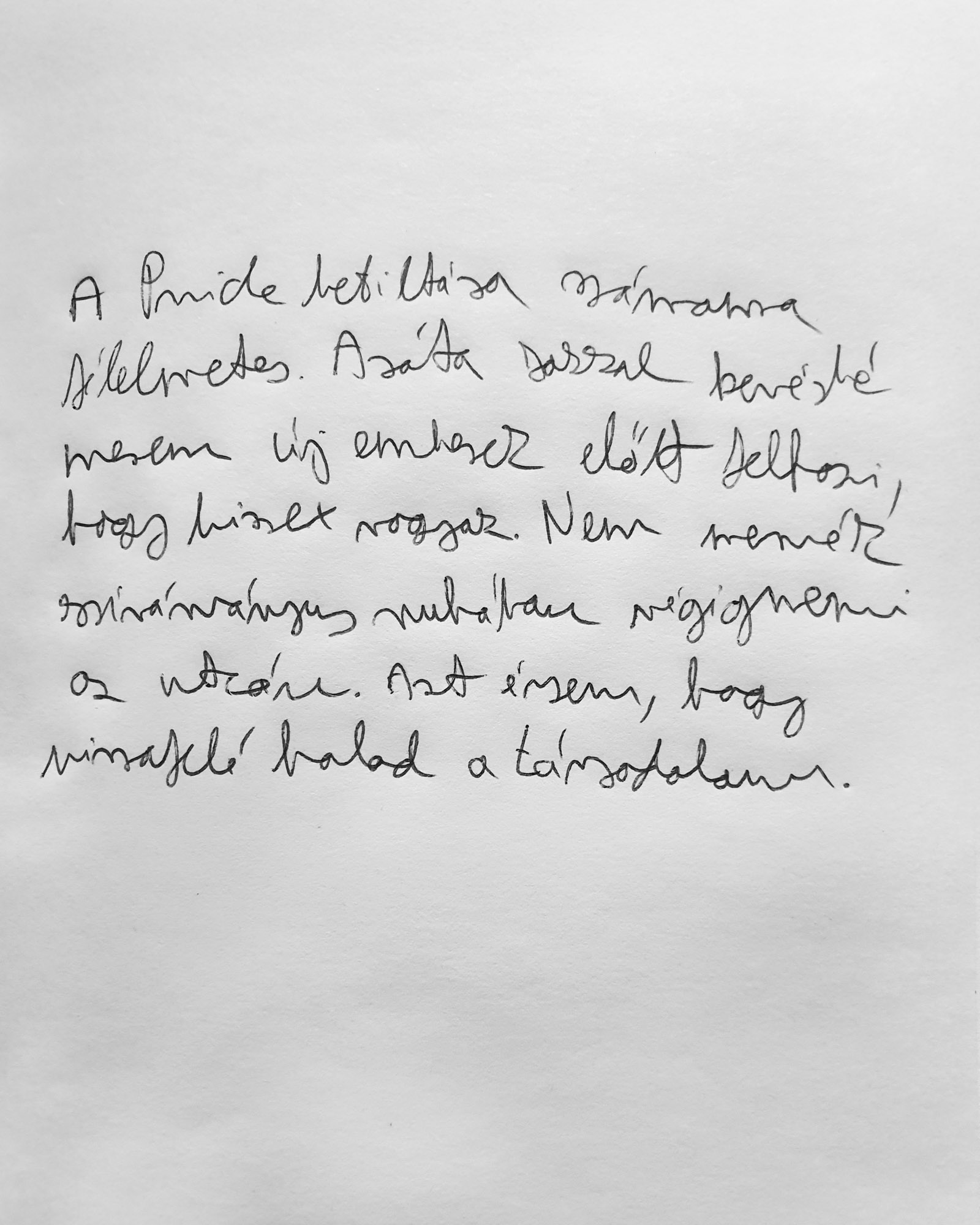
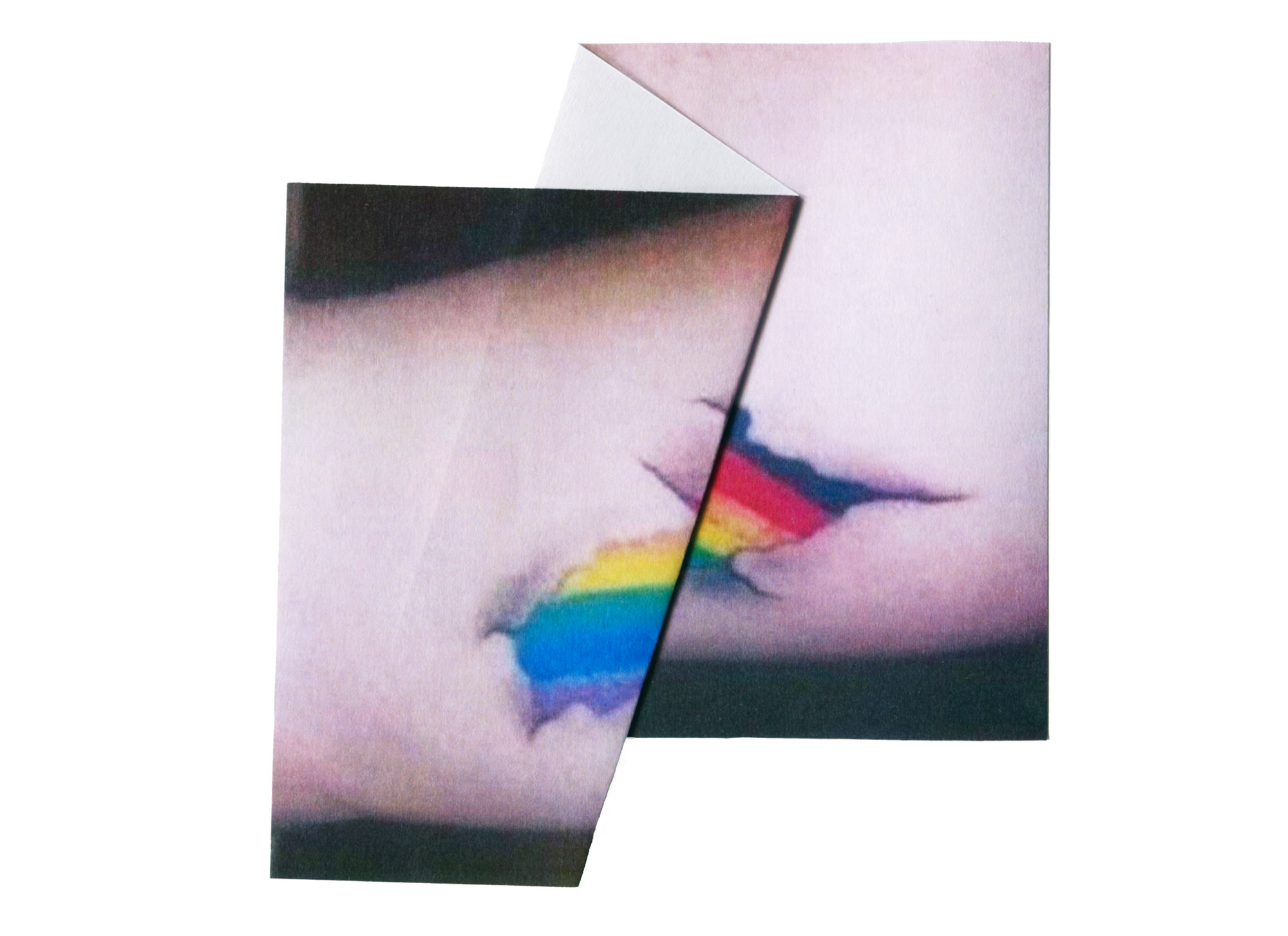
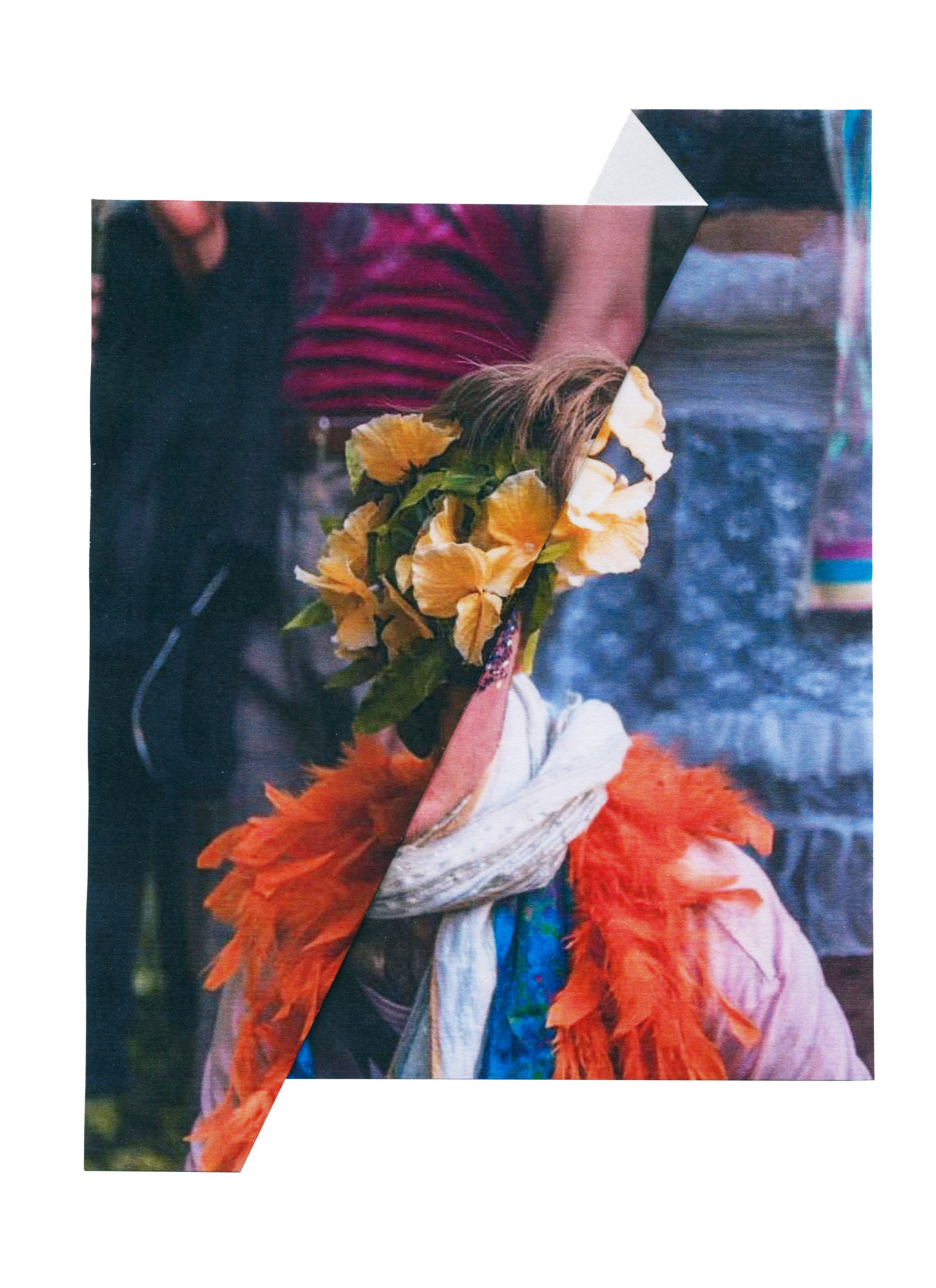
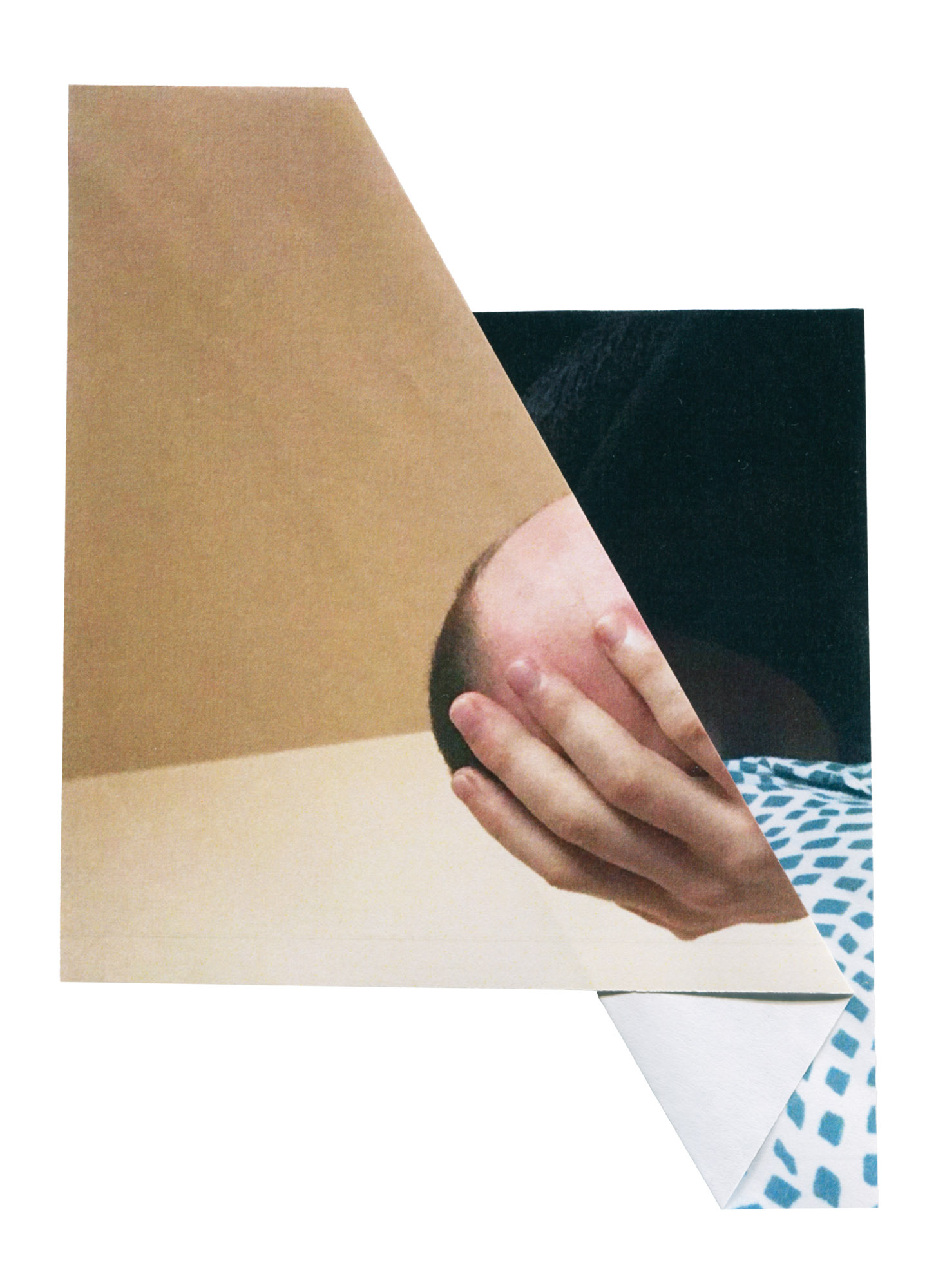
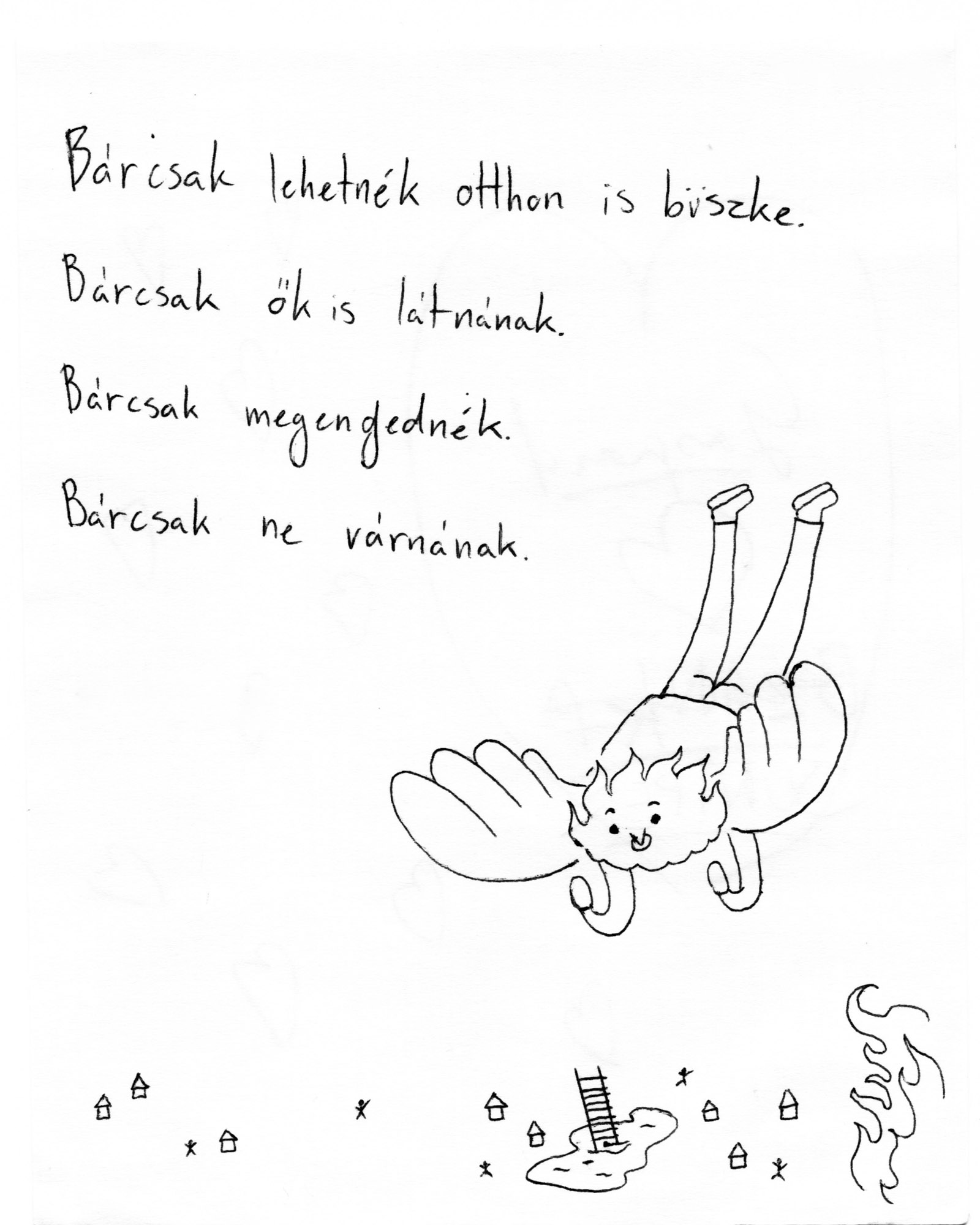
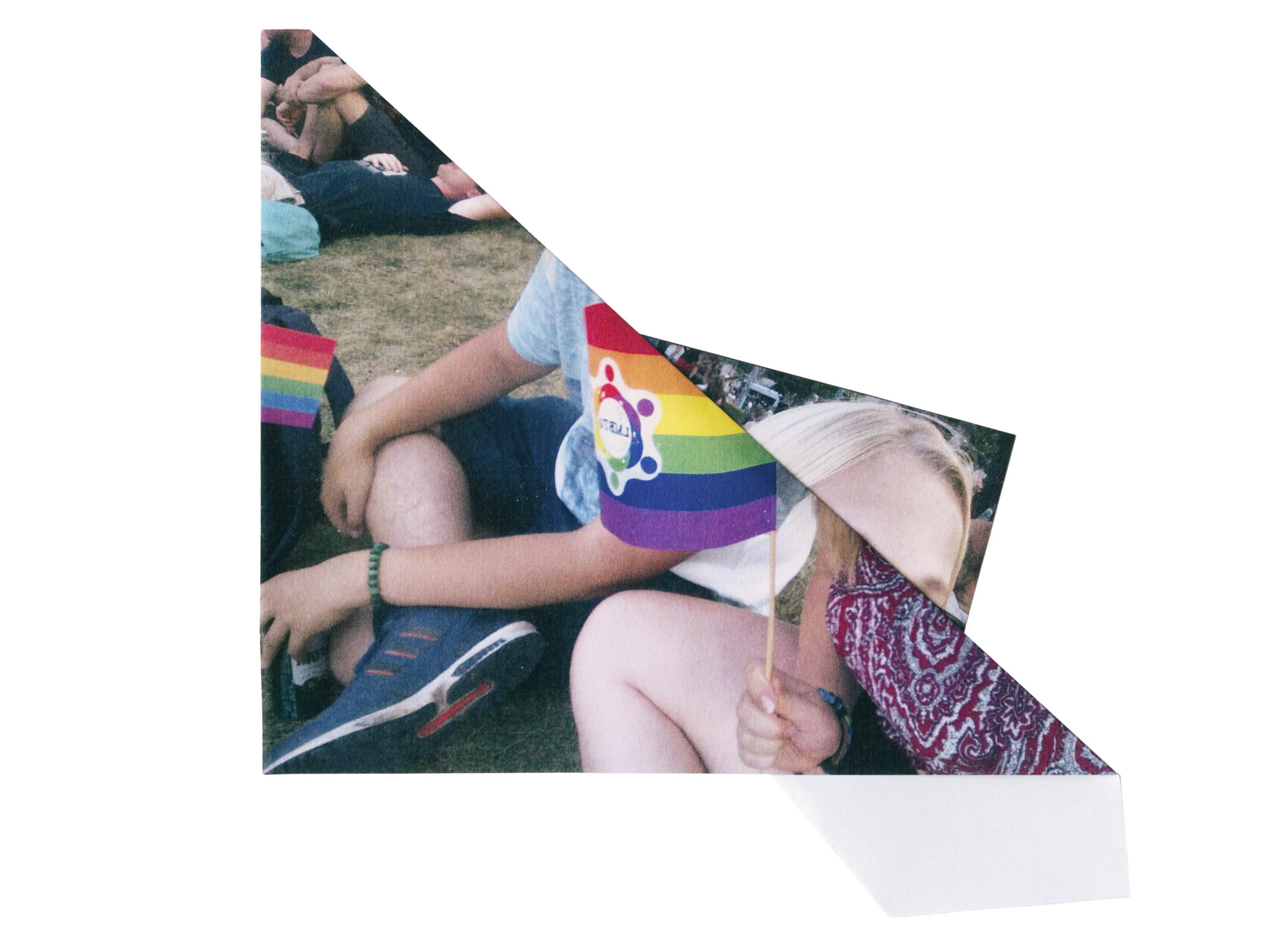
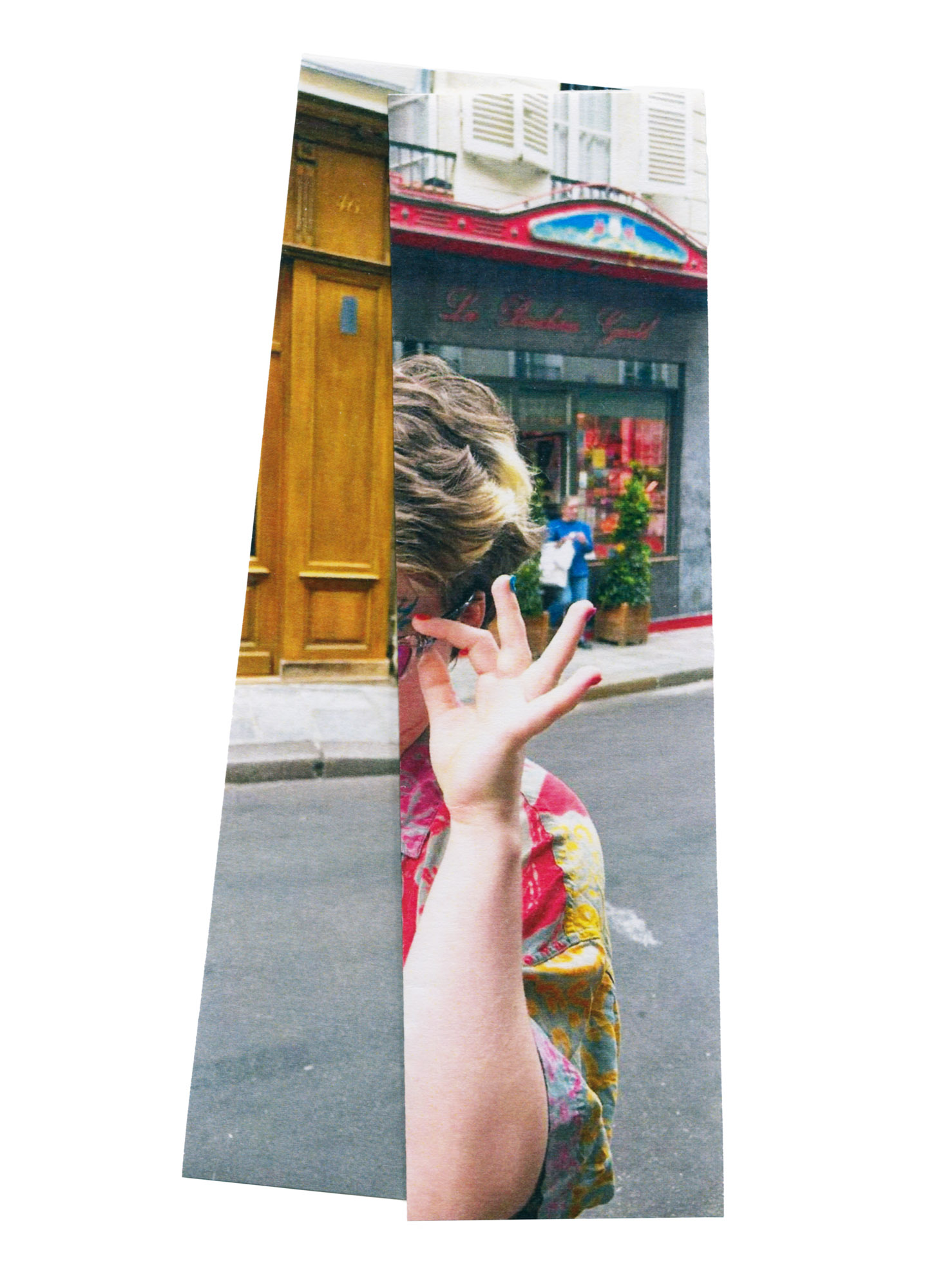
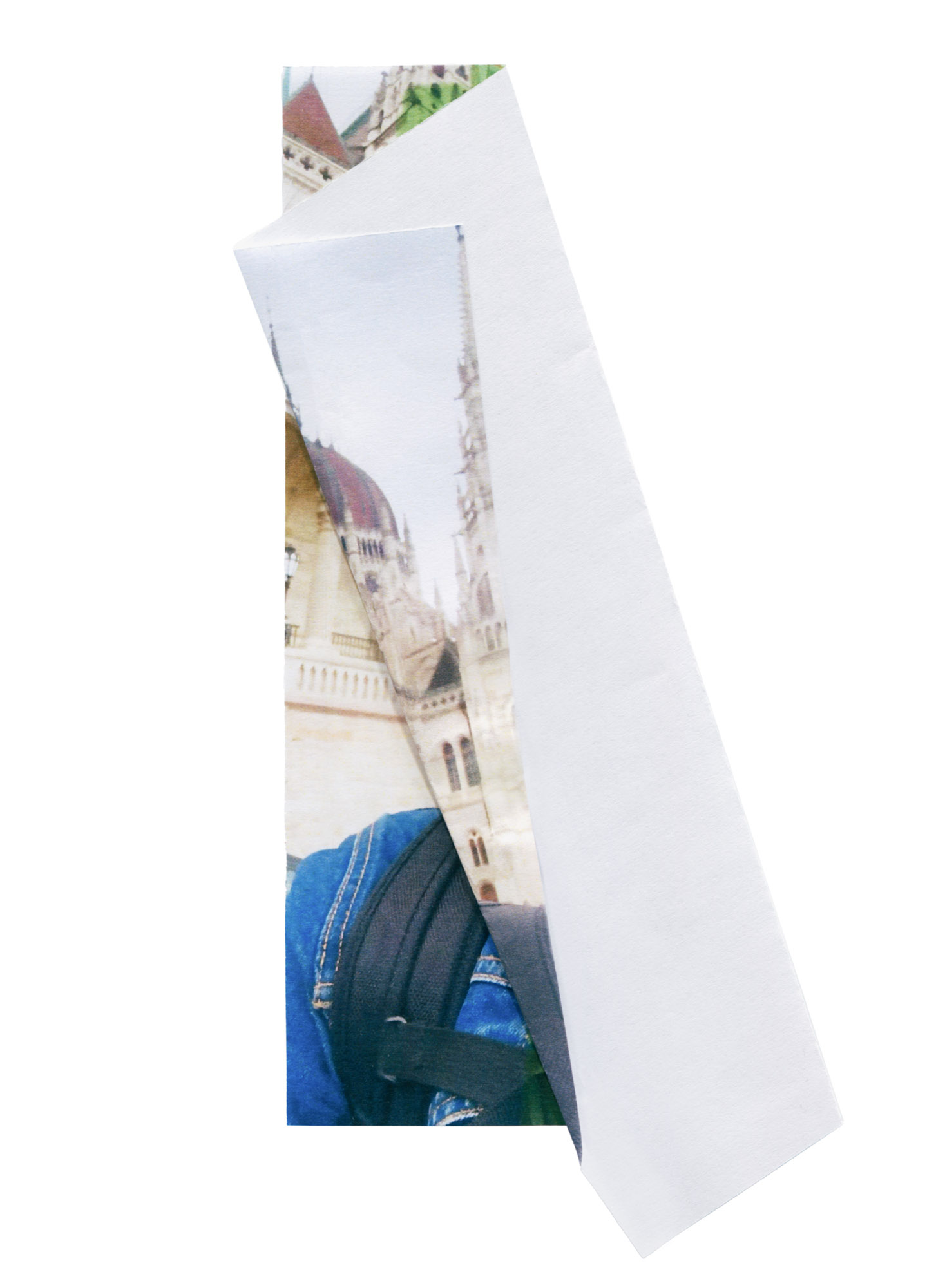
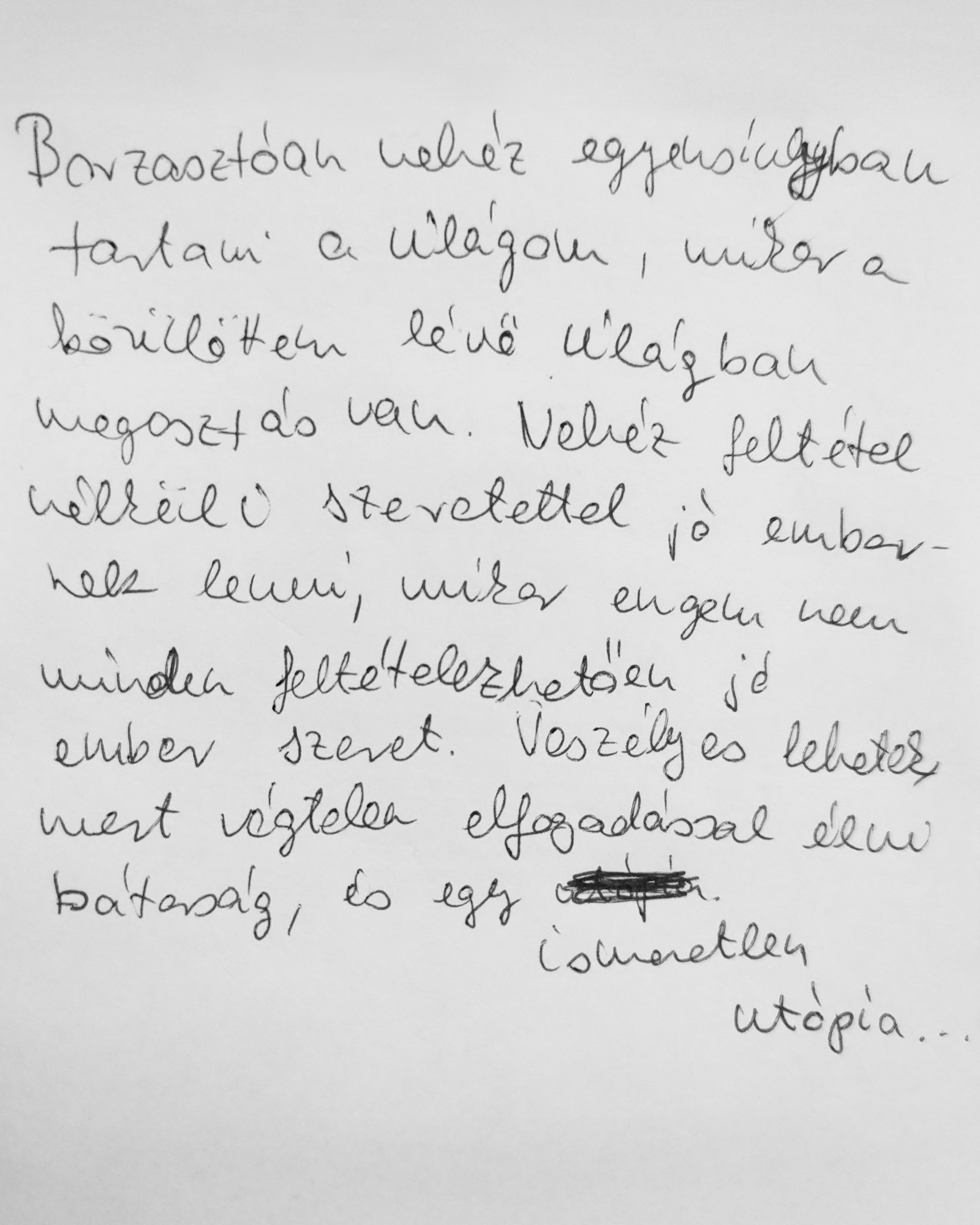
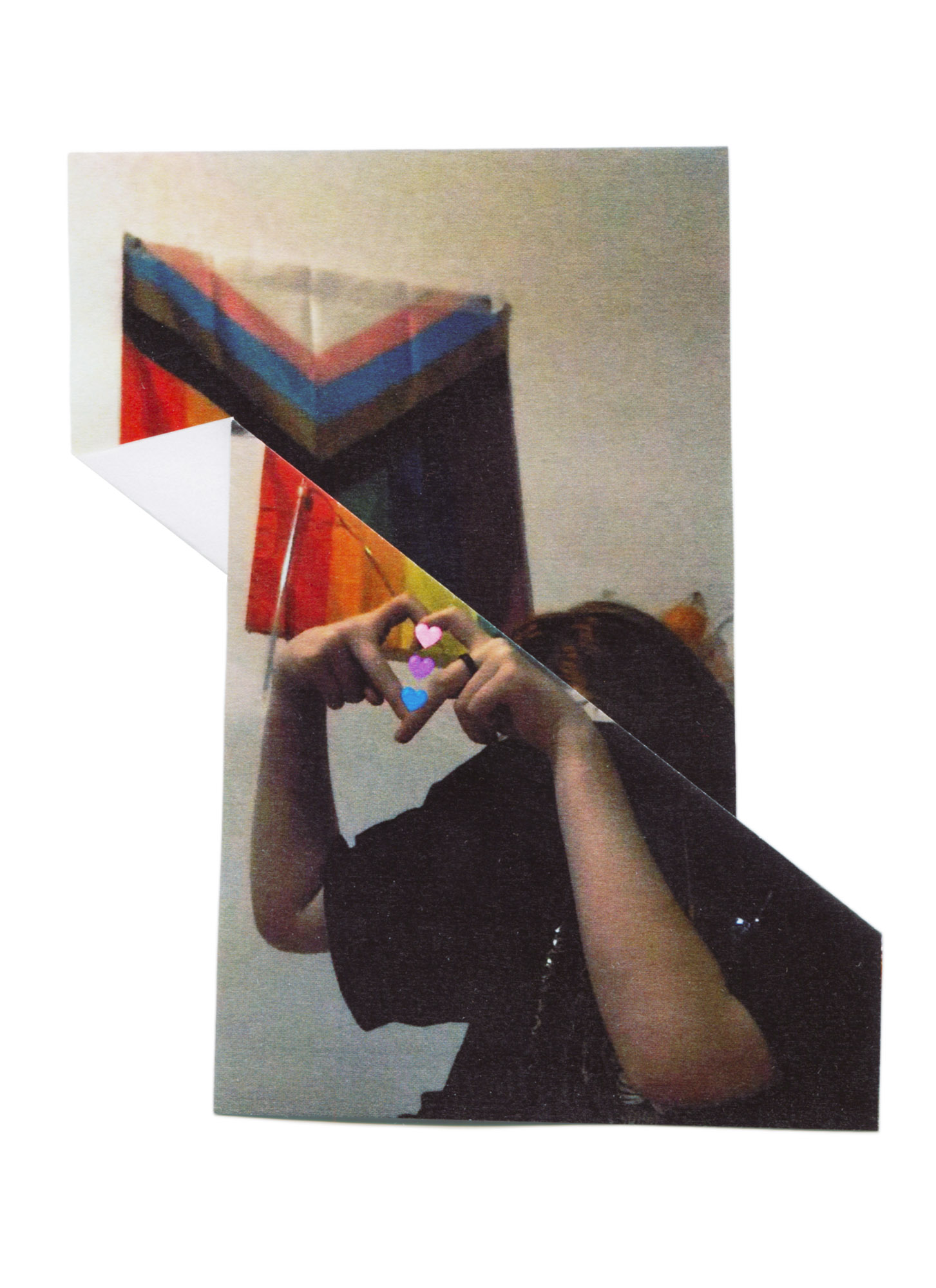
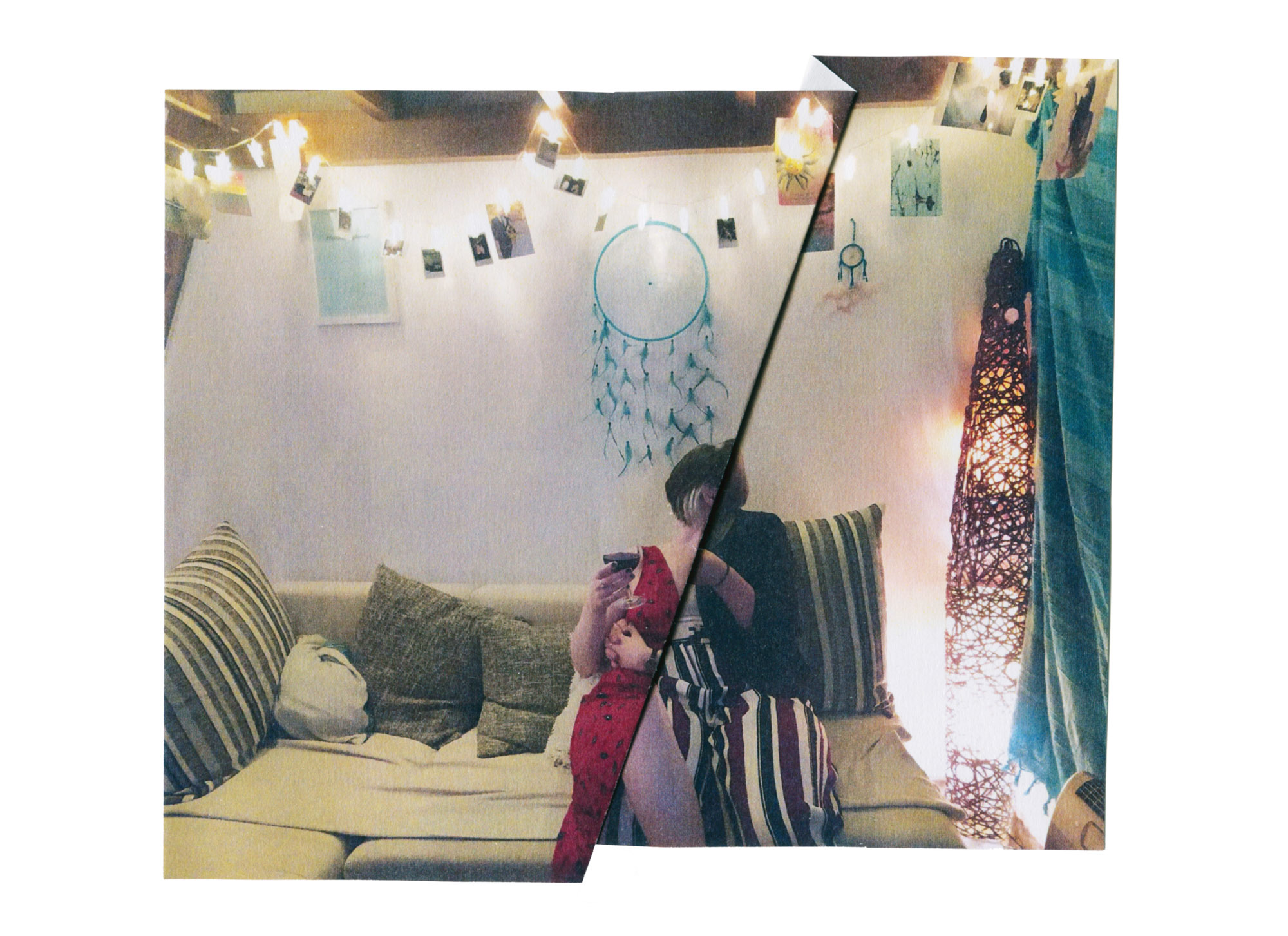
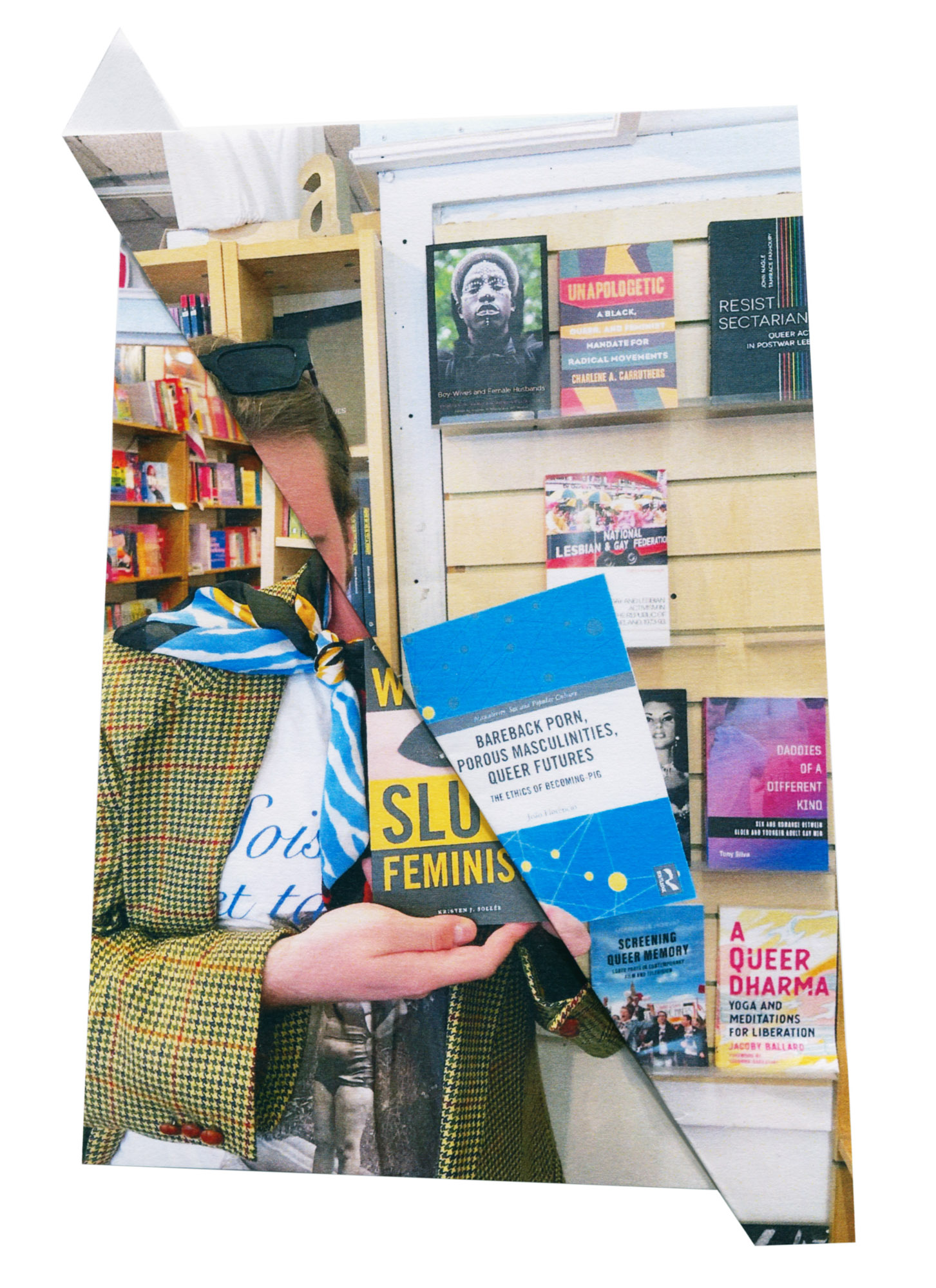
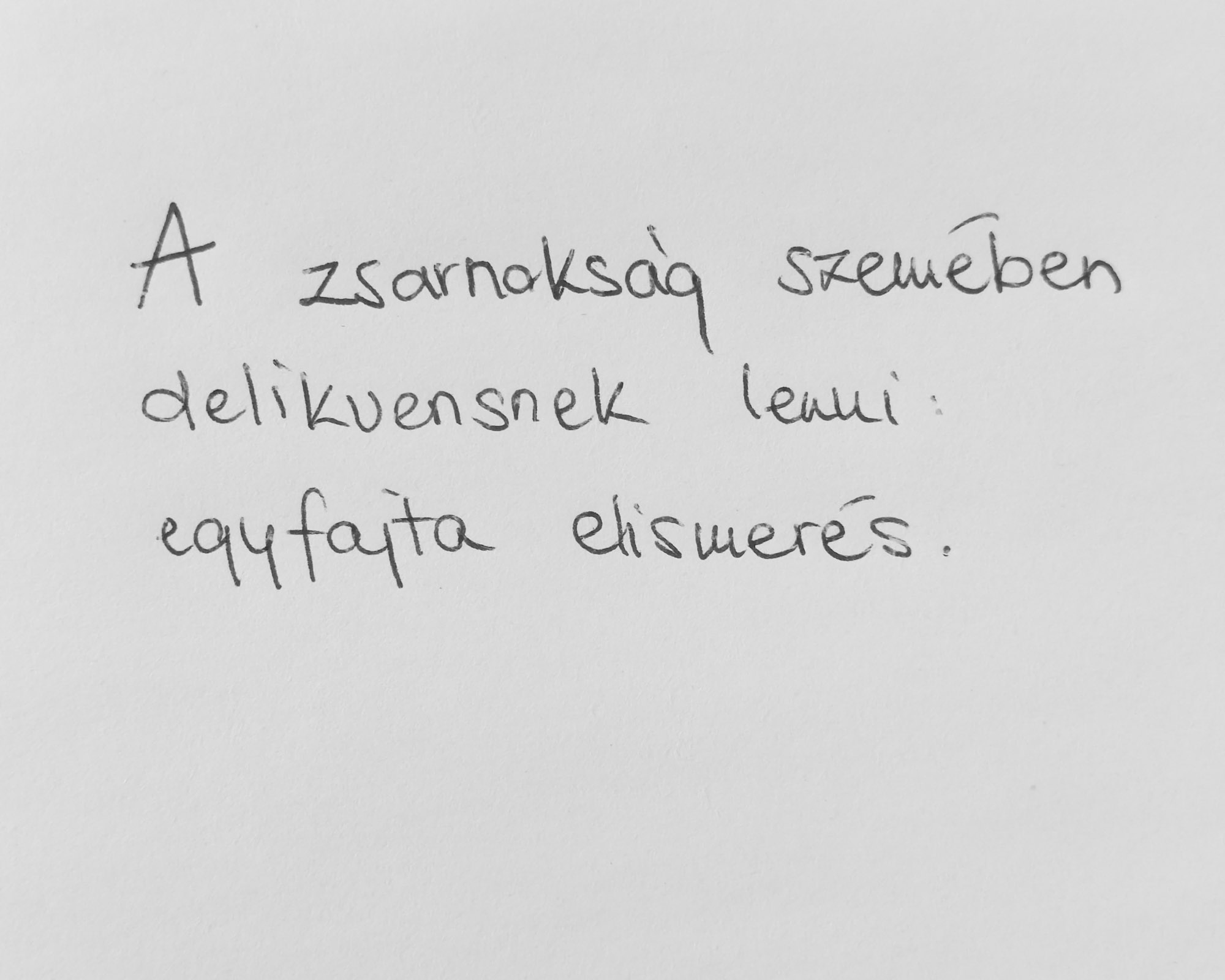
In moments of crisis, censorship and systematic erasure, the need for support becomes all the more urgent. Léa Fiterman develops a precise yet poetic visual language in response, in which formal restraint and tactile interventions play a central role. In particular, the principle of “folding in” within the collaged works, along with an immediate and playful handwriting, lends the pieces a fragile material presence that renders visible the vulnerability of the human condition in such contexts. Between condensation and dissolution, a space emerges in which images do not merely represent but become carriers of lived experience. Léa Fiterman’s work shows the tension in which vulnerability, resistance and the demand for visibility are woven into oneanother.


Censored Pride

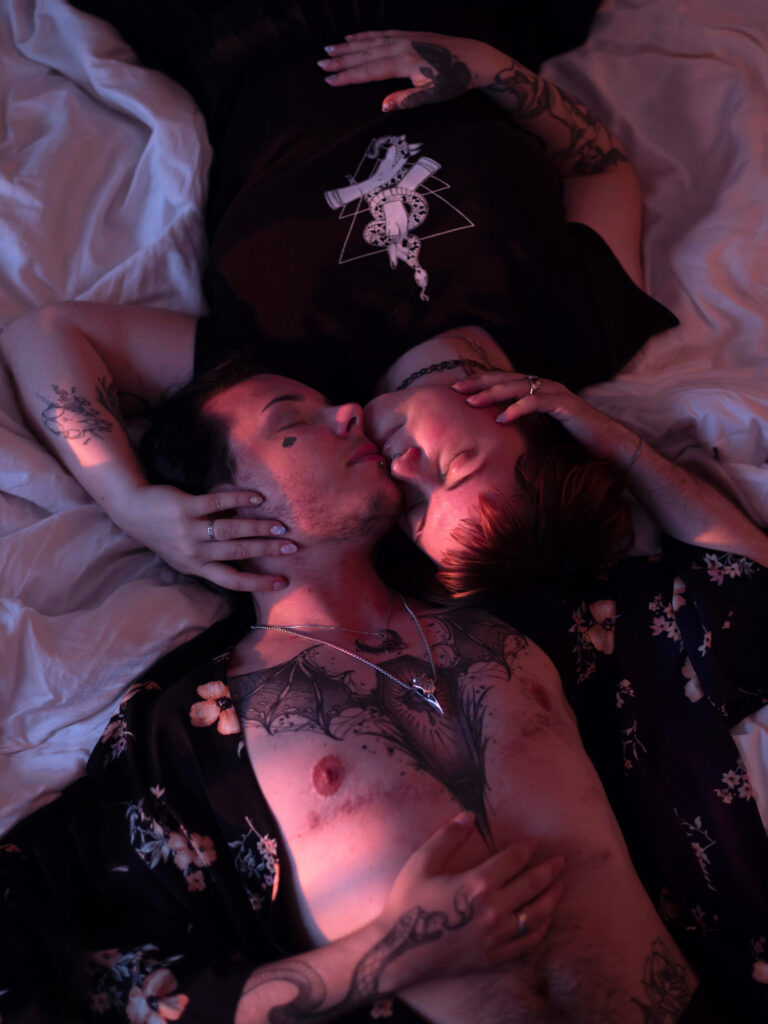
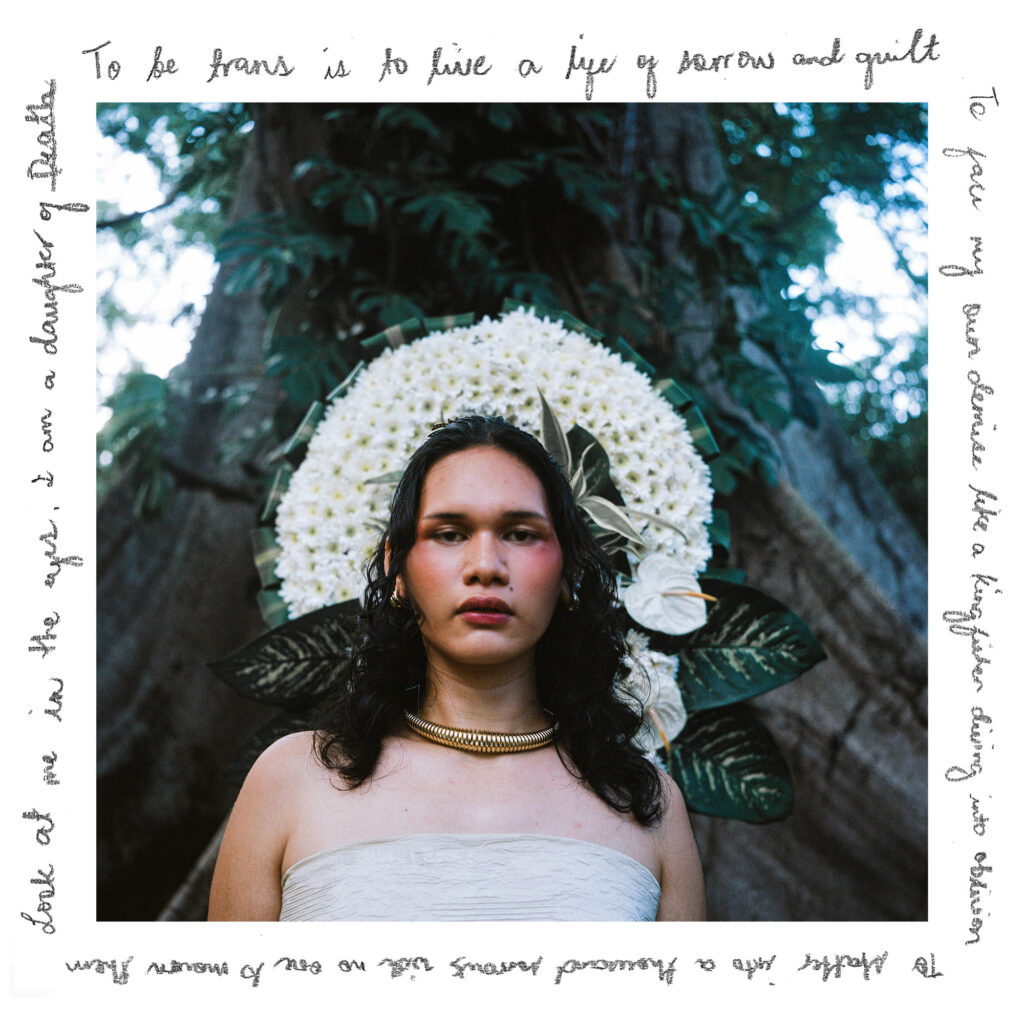
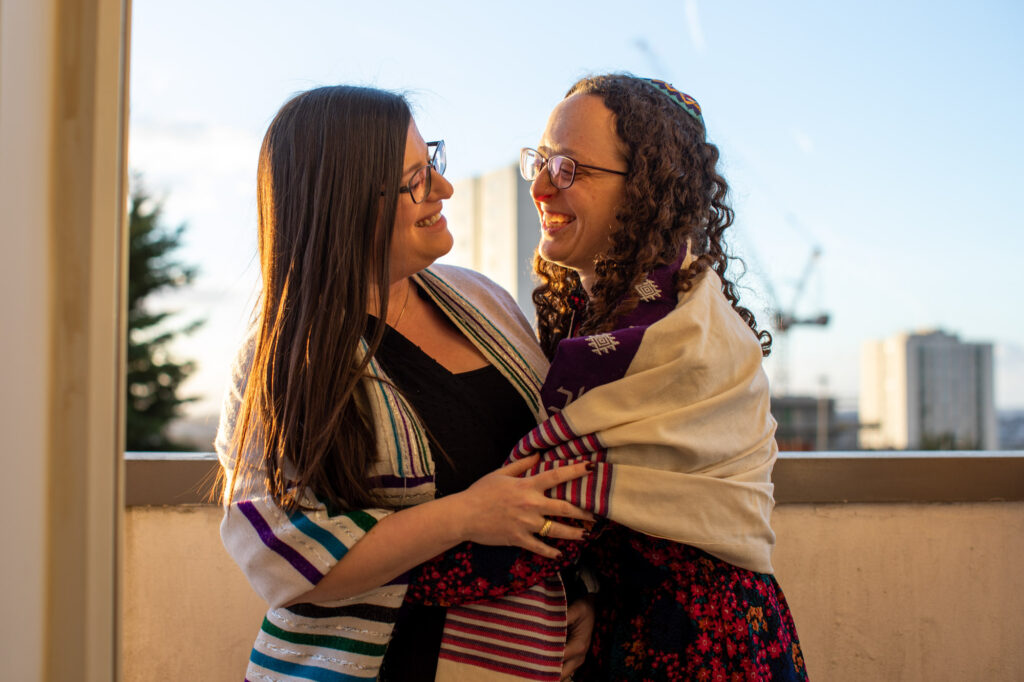
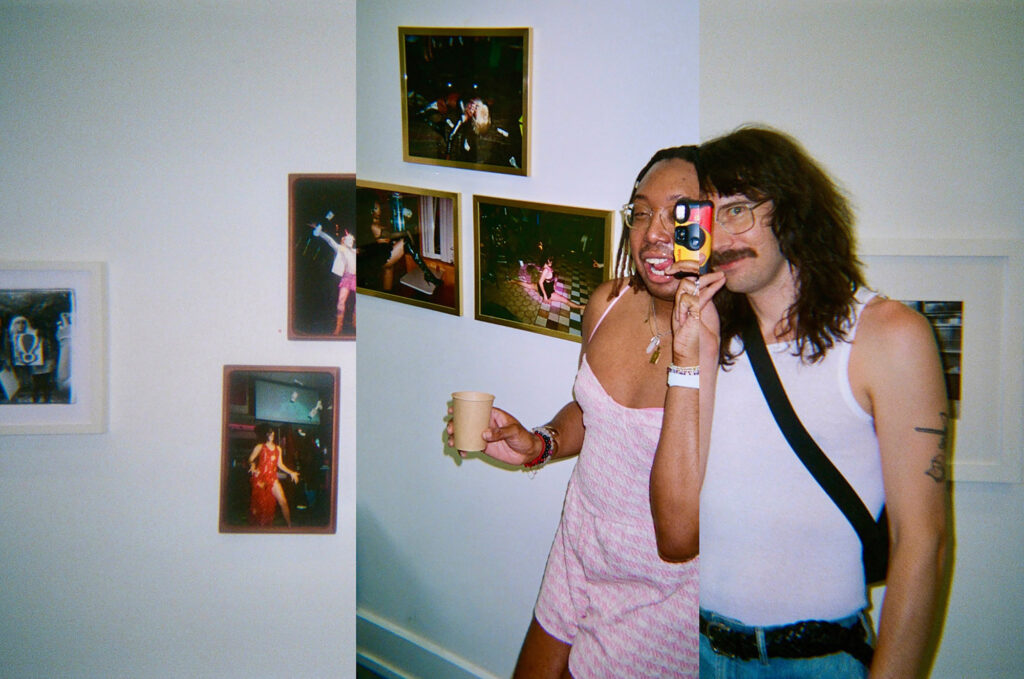
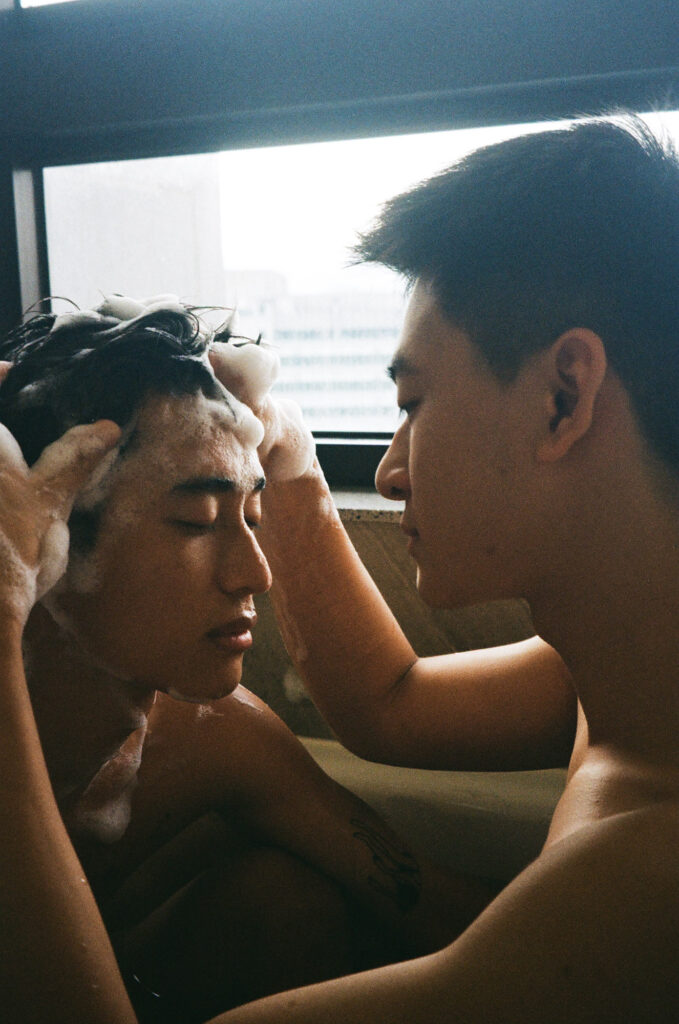
This project emerges in response to a 2025 Hungarian law that effectively banned Pride marches under the guise of “child protection,” criminalizing the public visibility of LGBTQIA+ communities through fines, prison sentences, and surveillance measures. Against this backdrop, the work gathers self-portraits and short textual responses from queer individuals, collected via social media and personal networks in the months leading up to Budapest Pride. The images span everyday moments, intimacy, and celebration, reflecting the multiplicity of queer self-representation. Printed and folded into collages, they are reconfigured into fragmented yet connected visual fields. This formal gesture translates a shared sense of precarity, displacement, anxiety, and the fear of erasure, while insisting on presence and continuity. The project holds these tensions together: vulnerability and visibility, control and resistance, erasure and the persistent act of existing.


Biography 

Léa Fiterman grew up in Budapest. She completed her higher education in France, studying graphic design and photography at Gobelins, Paris. Drawing expertise from these two fields and inspiration from her two countries she often combines photography with graphic research and experiments (collage, montage, retouching) to better express and contextualize her series’ concepts. Her work has been exhibited in Paris, Budapest, Brussels, and Arles. She also publishes her photographic and collage series in zine form, where the layout and design emphasize the intention behind her images.

Jury Statement

In Zeiten der Krise, der Zensur und der systematischen Unsichtbarmachung ist das Bedürfnis nach Halt umso größer. Léa Fiterman entwickelt hierfür eine präzise, zugleich poetische Bildsprache, in der formale Zurücknahme und haptische Eingriffe eine zentrale Rolle spielen. Besonders das Prinzip des „Einknickens“ der gefalteten Collage sowie die unmittelbar wirkende, spielerische Handschrift verleihen den Arbeiten eine fragile Materialität, die das Verletzliche in diesen Situationen sichtbar macht. Zwischen Verdichtung und Auflösung entsteht ein Raum, in dem Bilder nicht nur zeigen, sondern selbst zu Trägern von Erfahrung werden. Léa Fitermans Arbeiten machen so jene Spannung spürbar, in der Verletzlichkeit, Widerstand und das Bedürfnis nach Sichtbarkeit ineinandergreifen.


Censored Pride

„Censored Pride“ entsteht als Reaktion auf ein 2025 in Ungarn verabschiedetes Gesetz, das unter dem Vorwand des „Kinderschutzes“ Pride-Märsche faktisch verbietet und die öffentliche Sichtbarkeit von LGBTQIA+-Communities durch Geldstrafen, Haftandrohungen und Überwachungsmaßnahmen kriminalisiert. Vor diesem Hintergrund versammelt die Arbeit Selbstporträts und kurze Texte queerer Personen, die in den Monaten vor der Budapest Pride über soziale Medien und persönliche Netzwerke zusammengetragen wurden. Die eingereichten Bilder zeigen Alltagsmomente, Intimität und Feierlichkeit und machen die Vielfalt queerer Selbstrepräsentation sichtbar. Gedruckt und zu Collagen gefaltet, werden sie in fragmentierte und zugleich verbundene Bildräume überführt. Diese formale Setzung übersetzt ein kollektives Empfinden von Prekarität von Verdrängung, Angst und der Furcht vor Auslöschung und behauptet zugleich Präsenz und Kontinuität. Das Projekt hält diese Spannungen zusammen: Verletzlichkeit und Sichtbarkeit, Kontrolle und Widerstand, Auslöschung und das beharrliche Bestehen auf Existenz.


Biografie

Léa Fiterman wuchs in Budapest auf. Ihre Hochschulausbildung absolvierte sie in Frankreich, wo sie an der Gobelins in Paris Grafikdesign und Fotografie studierte. Aus der Verbindung dieser beiden Disziplinen sowie ihrer biografischen Verankerung in zwei Ländern entwickelt sie eine Praxis, in der Fotografie häufig mit grafischer Recherche und experimentellen Verfahren wie Collage, Montage und Retusche verschränkt wird, um die Konzepte ihrer Serien präziser zu fassen und zu kontextualisieren. Ihre Arbeiten wurden in Paris, Budapest, Brüssel und Arles ausgestellt. Darüber hinaus veröffentlicht sie fotografische und kollaborative Serien in Zine-Formaten, in denen Layout und Gestaltung die inhaltliche Intention ihrer Arbeiten gezielt verstärken.


Hannah Cauhépé

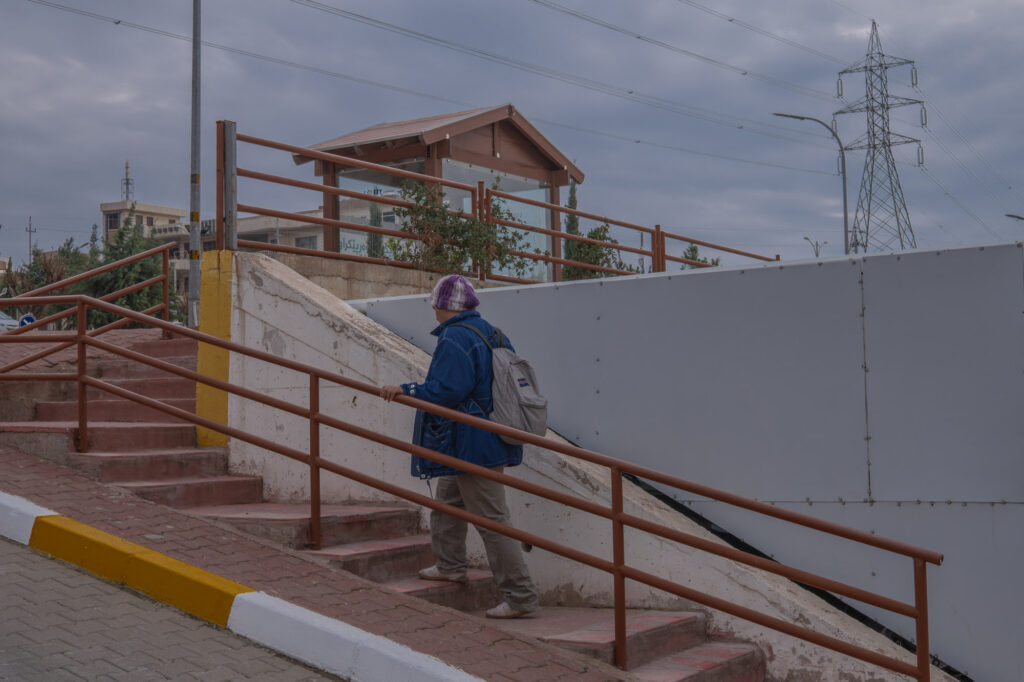
“Hors-Jeu” is a French pun on the offside rule in football, literally “out of the game”, paired with a Turkish phrase meaning “queer people are everywhere.” This juxtaposition reflects the paradox at its core: queer communities in Turkey are systematically pushed to the margins, yet remain present across all social and geographic spaces.
watch project »

Hana Ibrahim

The project follows Betty, who lives between concealment and emergence, navigating a reality shaped by transition, fear, and survival. These objects do not appear as incidental props, but as carriers of meaning, material condensations of self-assurance, protection and inner orientation.

watch project »

Lindsay Perryman

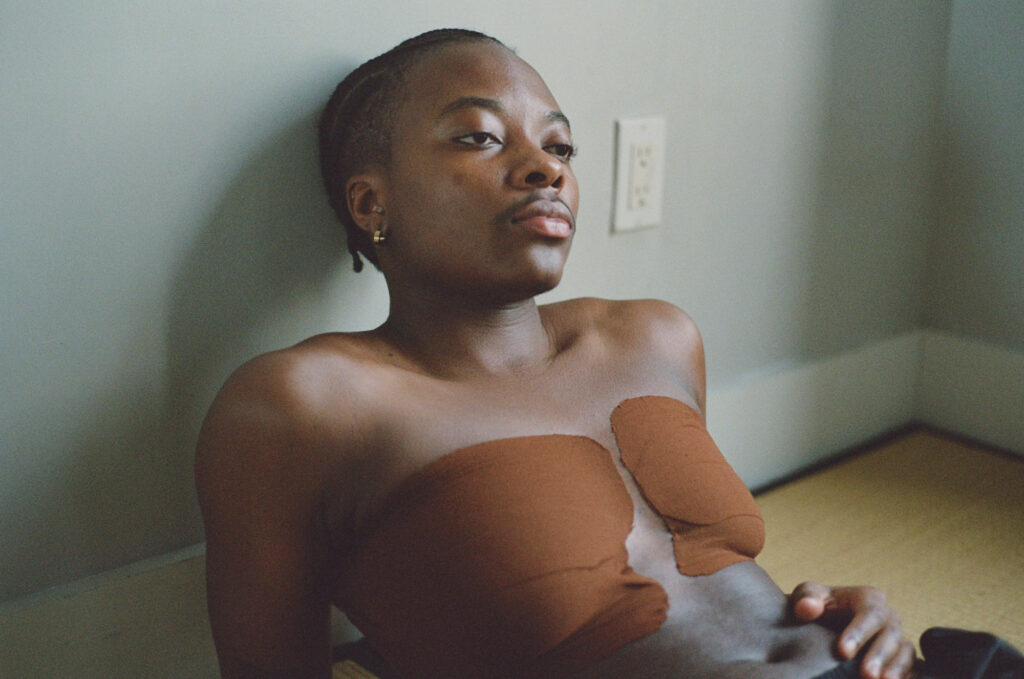
TOPS explores the vulnerability inherent in processes of bodily and subjective transformation, focusing on individuals who have undergone top surgery. Through a combination of group and individual portraits, as well as interior settings, the work traces moments of transition in which identity is continuously unraveling and re-forming.

watch project »

Ciaran Inns

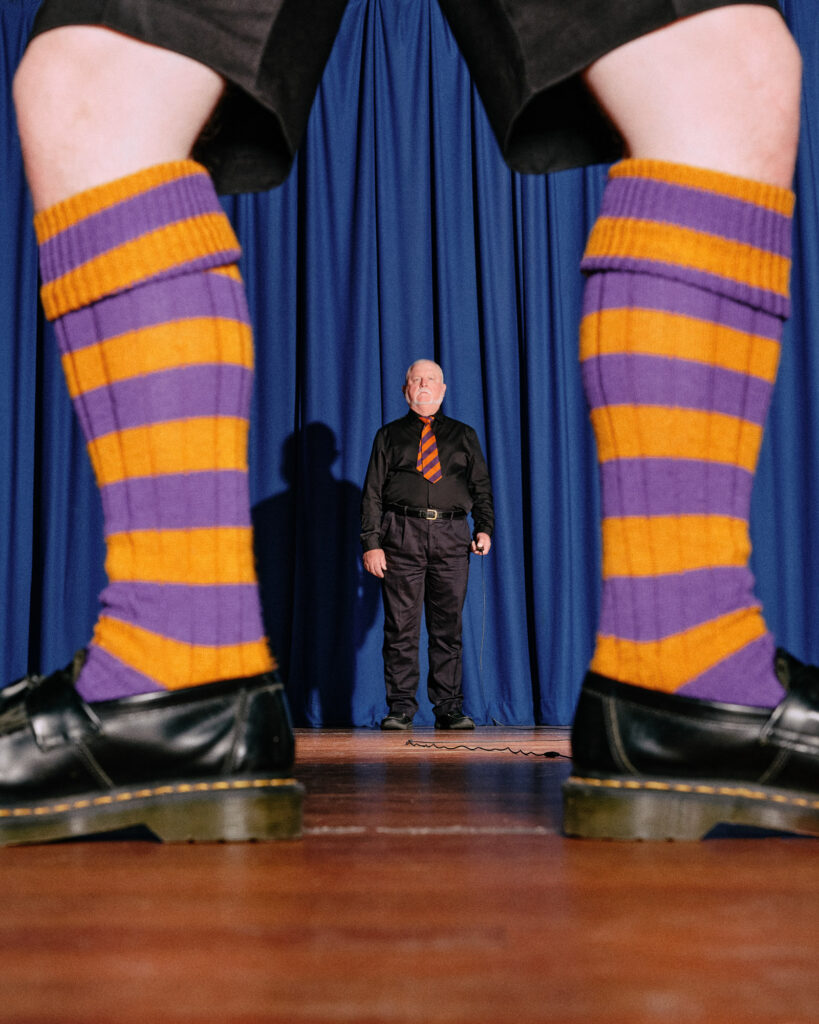
Is He Family? is a collaborative body of work created with Neil, the artist’s former drama teacher and now friend. The project takes its title from coded language once used within queer communities, where phrases such as “are they family?” functioned as signals of recognition, safety, and solidarity in contexts where openly queer existence carried risk.

watch project »

Alexandra Obochi

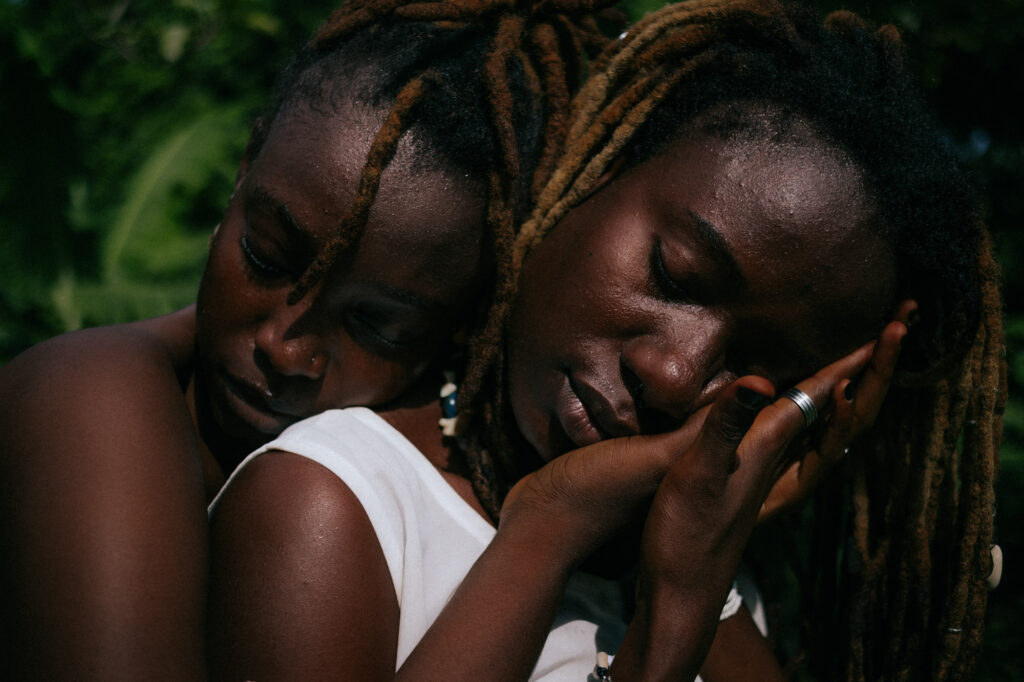
Held by Each other: Community care and Queer Survival in Nigeria reflects many different forms of holding each other, rooted in Nigeria but also transcending geographically and culturally constrained spaces. It speaks to a search for sanctuary, for closeness in distance and for a sense of family within diverse constellations, universal longings that take shape as different forms of a warm embrace.

watch project »

Ali Mahini

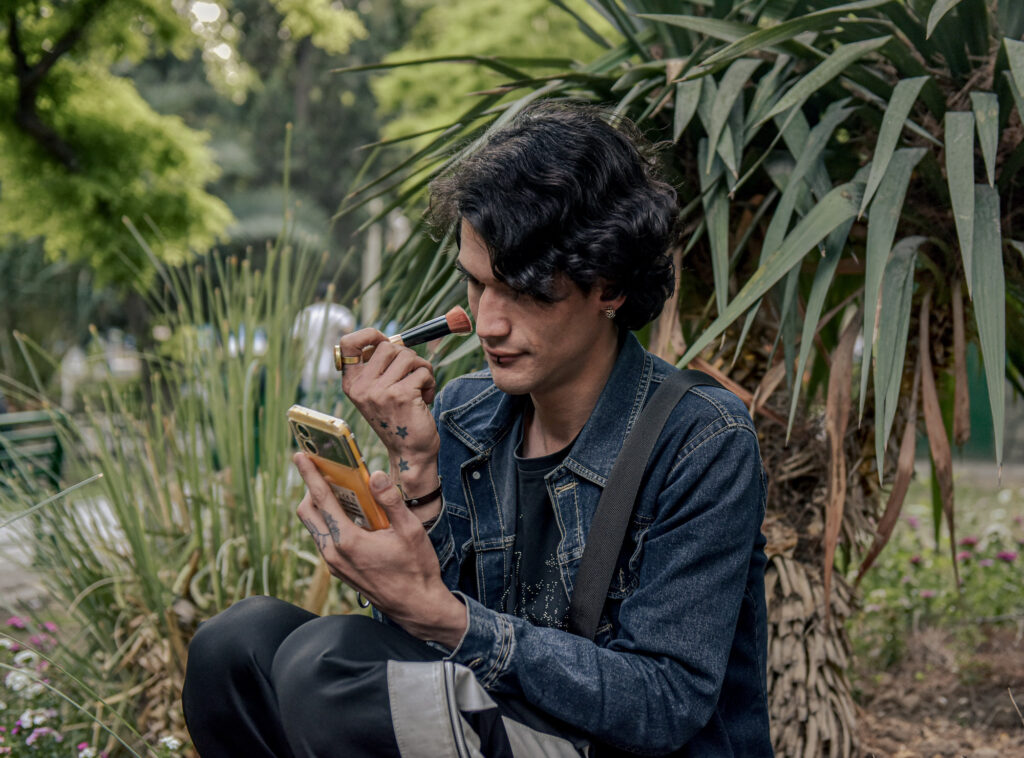
What has become of the people portrayed in Ali Mahini’s series Prince of Persia in the months since encountering the work, whether they are still alive, remains unknown. Nor do we know the current state of the park that served as their place of gathering. Concrete information from within and about Iran is, at present, scarcely accessible.

watch project »

Luca Gaetano Pira

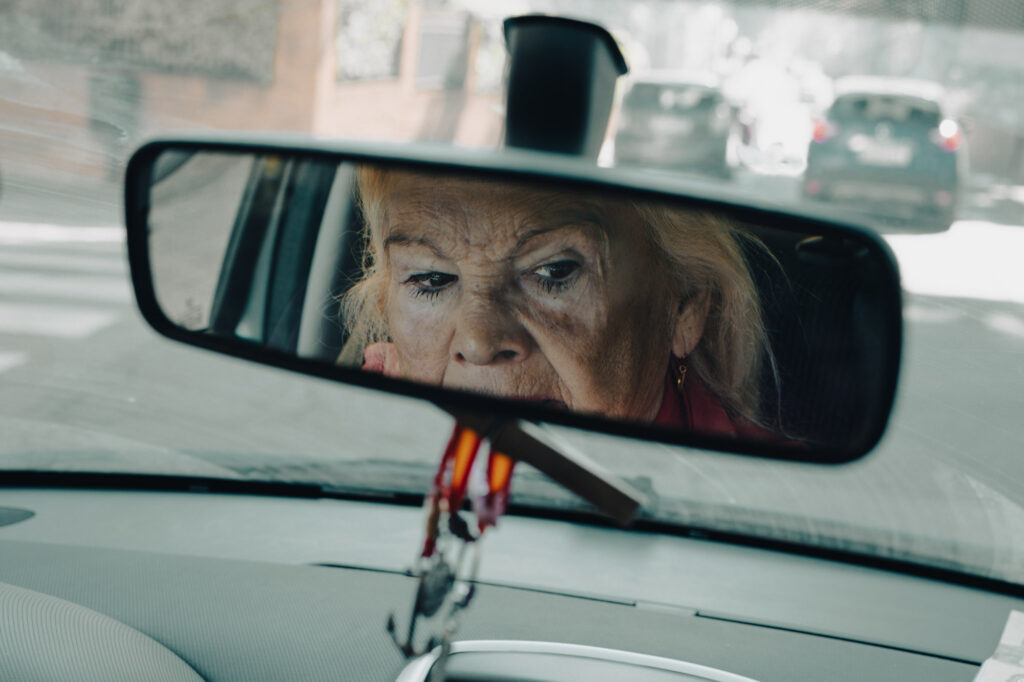
We are deeply moved by Tania Navarro’s story, as well as by the strength, resilience and joy of life reflected in the eyes captured by Luca Gaetano Pira in his documentary series.

watch project »

Sergei Stroitelev

Sergei Stroitelev’s series is carried by cool, subdued tones and soft light. Interiors and carefully placed objects interact and become carriers of emotion. A sense of being held unfolds, located not only in interpersonal relationships but also in objects and letters that store and transmit memory.

watch project »

Bienyl Huelgas

Bienyl Huelgas shows a poetic visual language of mythic imagery and written thought, presenting the notion of holding each other not only between individuals but as a collective structure: a shared carrying of pain, memory and desire within a community that stabilizes itself.

watch project »

Léa Fiterman

In moments of crisis, censorship and systematic erasure, the need for support becomes all the more urgent. Léa Fiterman develops a precise yet poetic visual language in response, in which formal restraint and tactile interventions play a central role.

watch project »

Frances Marshall

Duet is an ongoing collaboration between the two artists Zac Thompson and JuJu rooted in film photography and performance, shaped by shared experiences of growing up in religious, evangelical environments.

watch project »

Zac Thompson and JuJu Lee

Searching for safe and welcoming spaces, sites that allow for free self-expression and enable lives beyond the margins, aligns not only with geo-political borders but often also across the divide between rural and urban contexts.

watch project »

林家夯 Lin jaihang

林家夯 Lin Jaihang shows a fragile interplay of familiarity, desire and care through gestures of physical closeness. His photographs are tender and playful, characterized by light, warmth, and intimacy. In a darkening present, they offer a perspective that reminds us of the possibility of beauty in closeness.

watch project »