Luca Gaetano Pira

Tania: A Trans Defiance Against Franco’s Regime (2024), Barcelona / Spain (perspectives: other · Italy, based in Spain)

Jury Statement

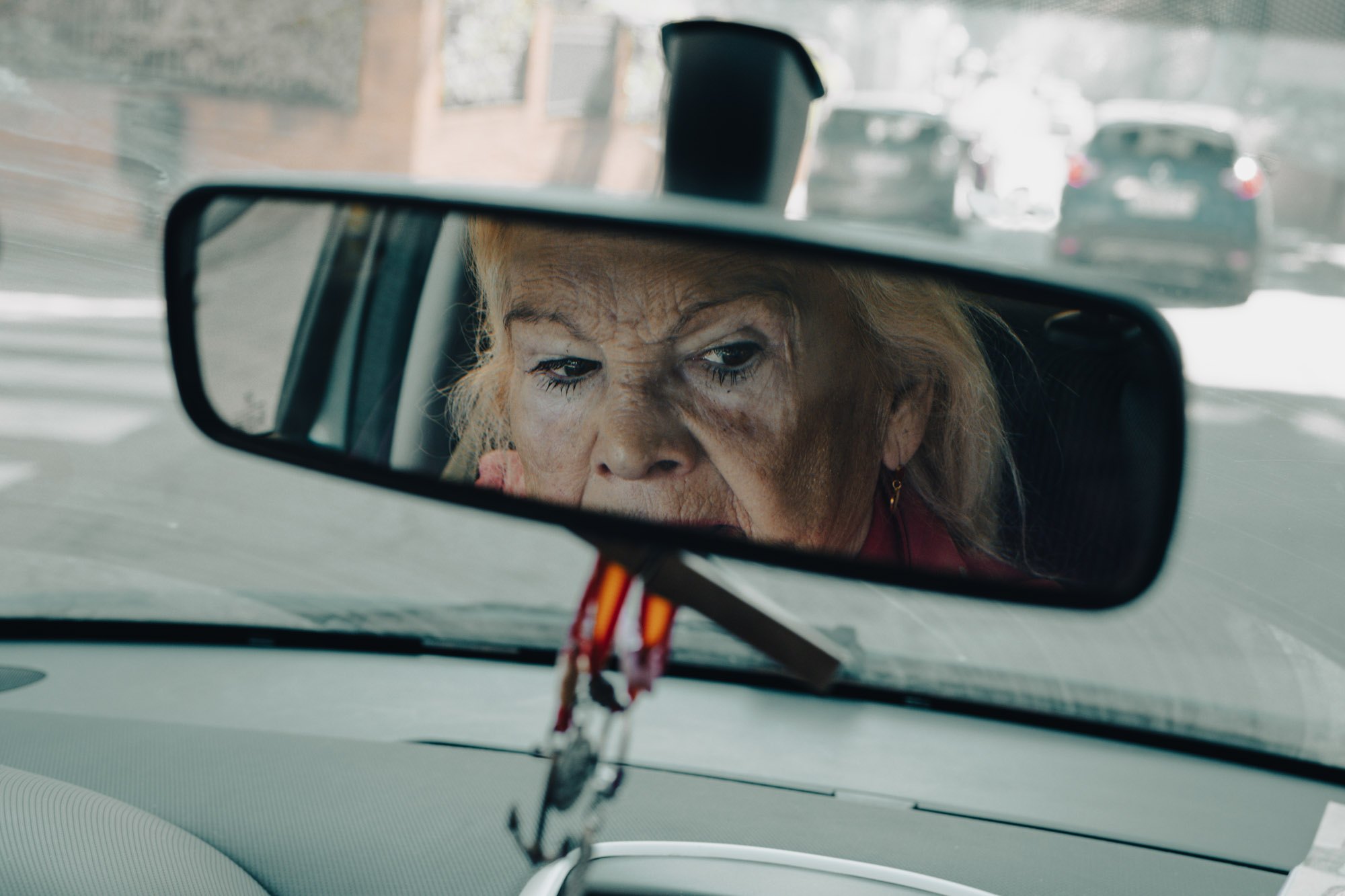
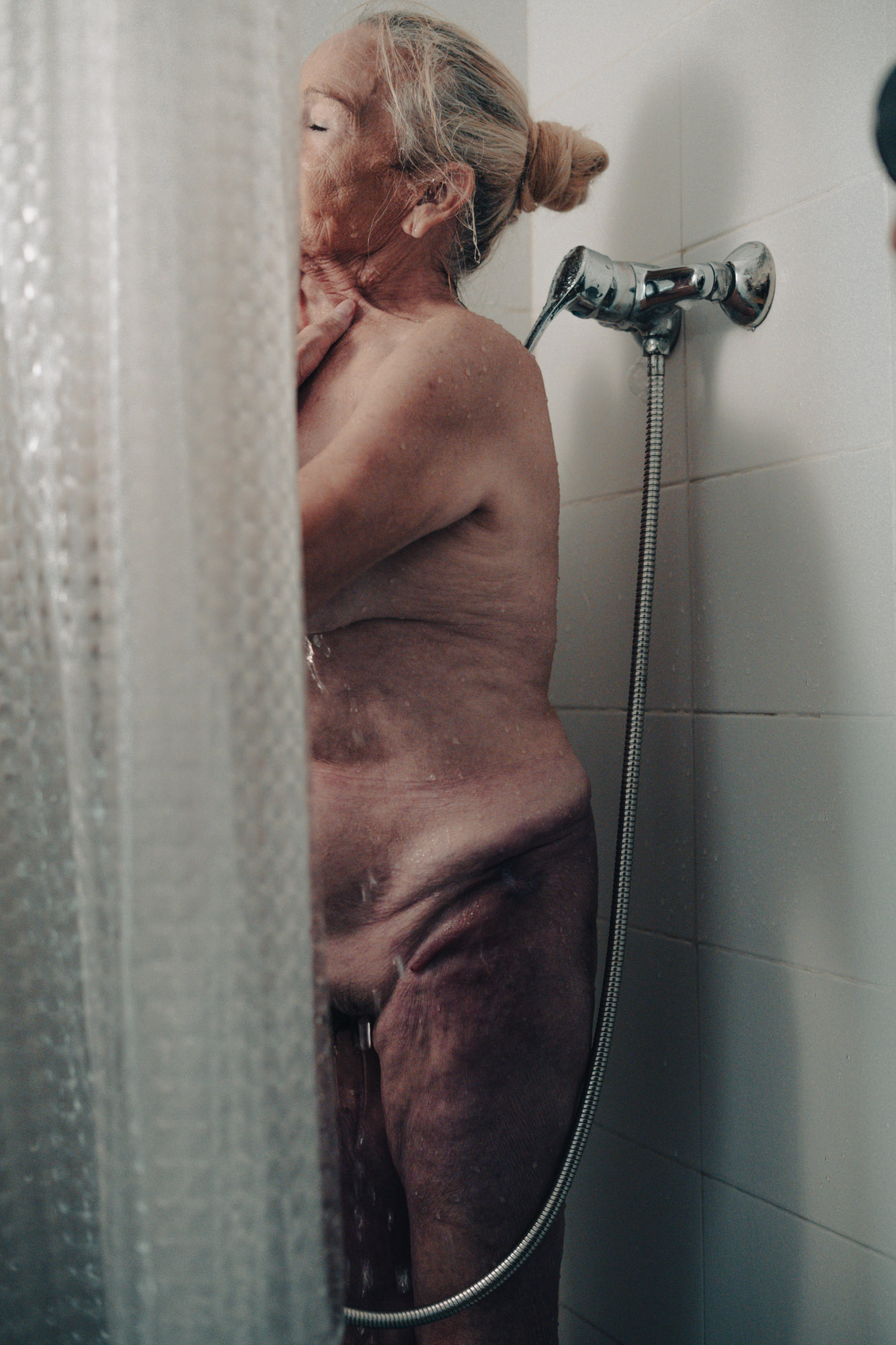
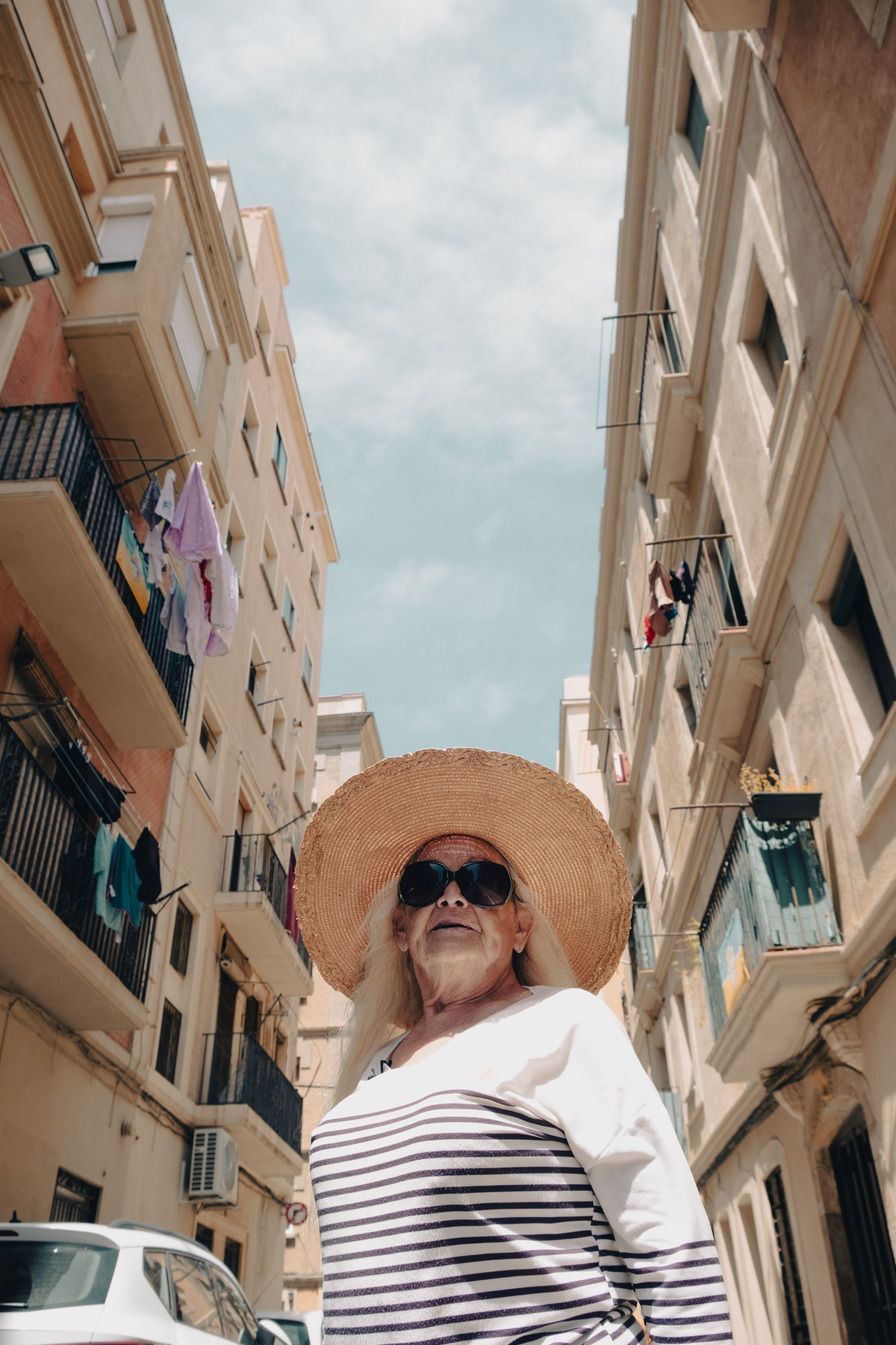
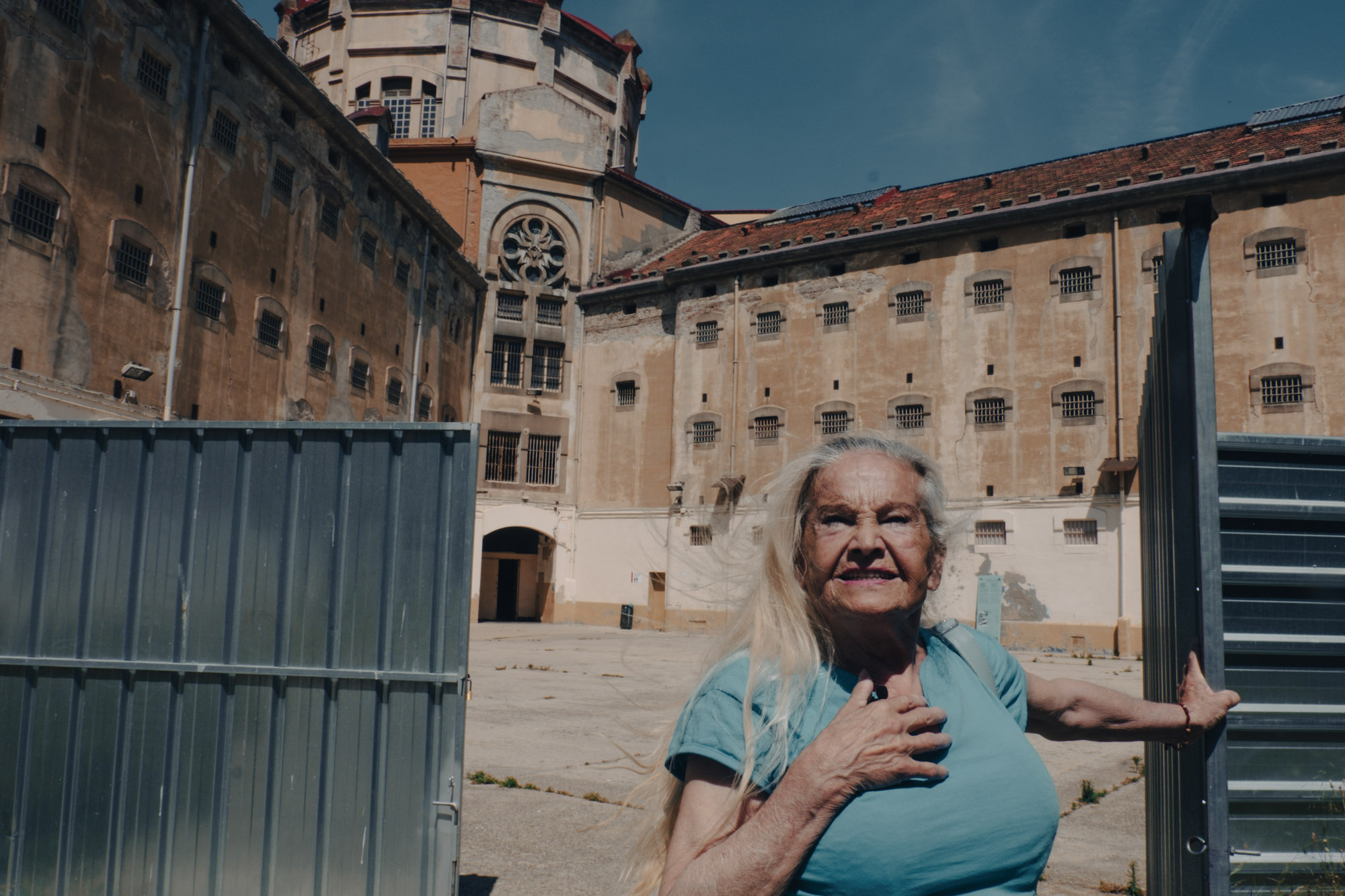
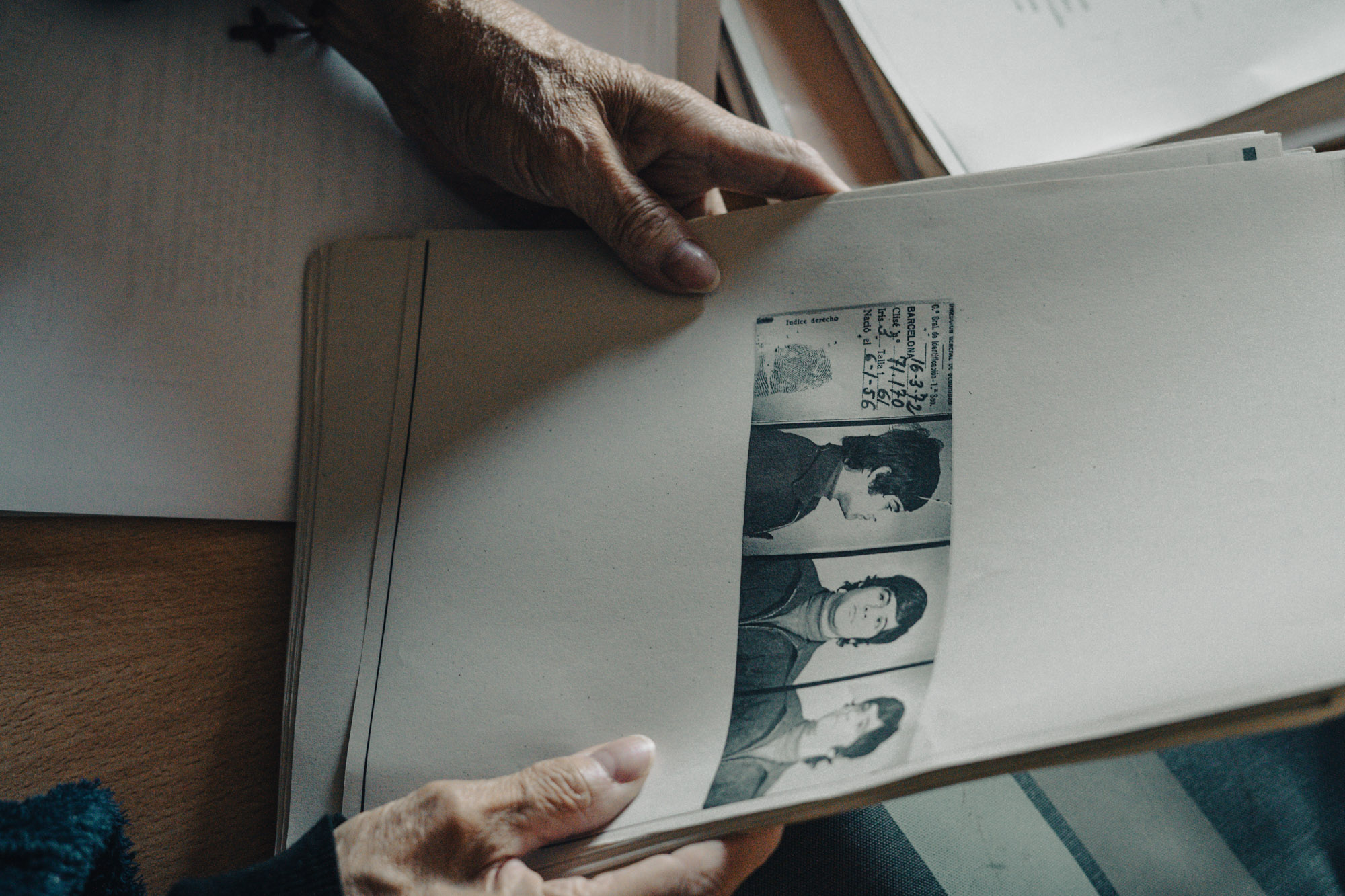
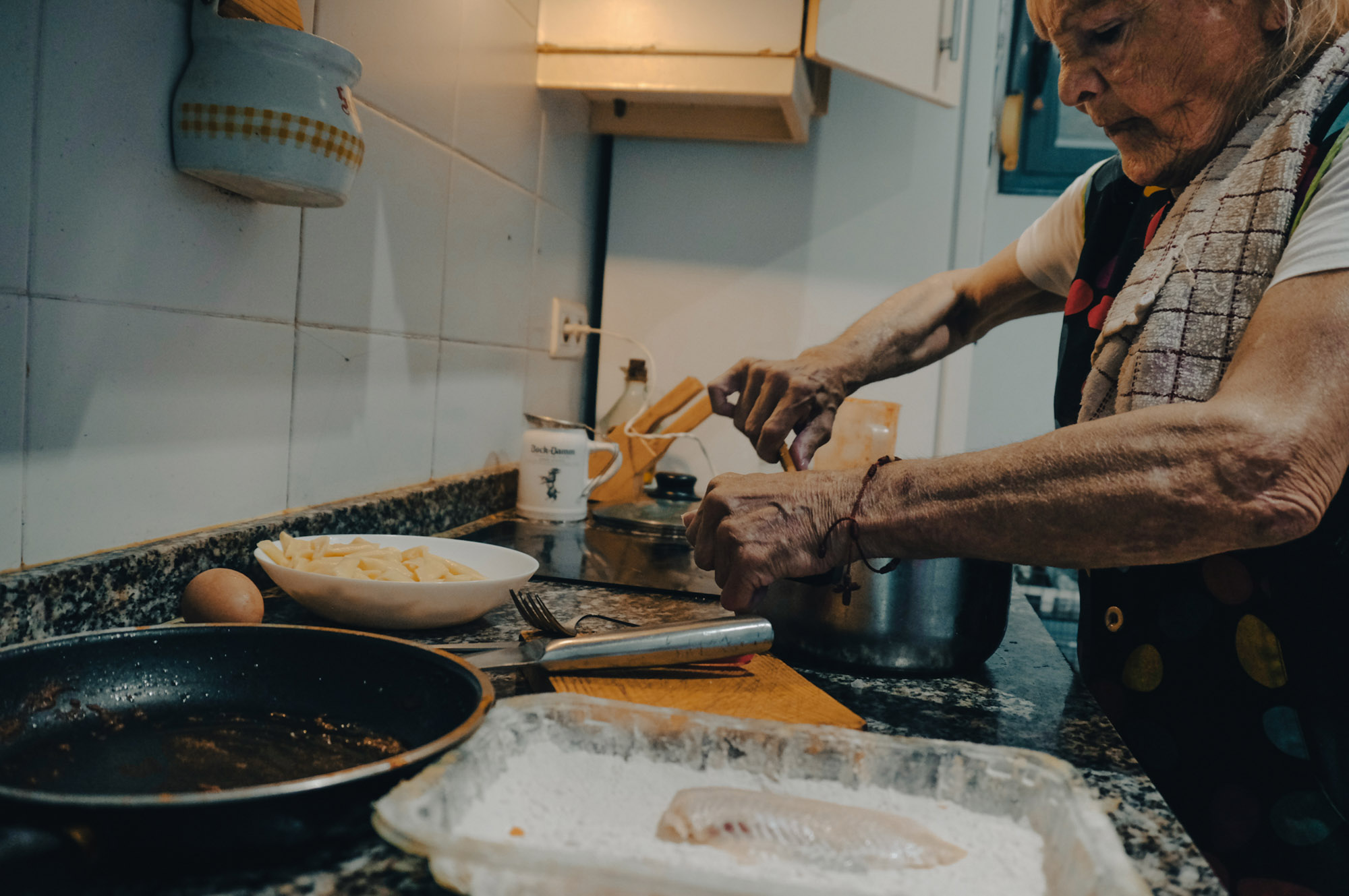
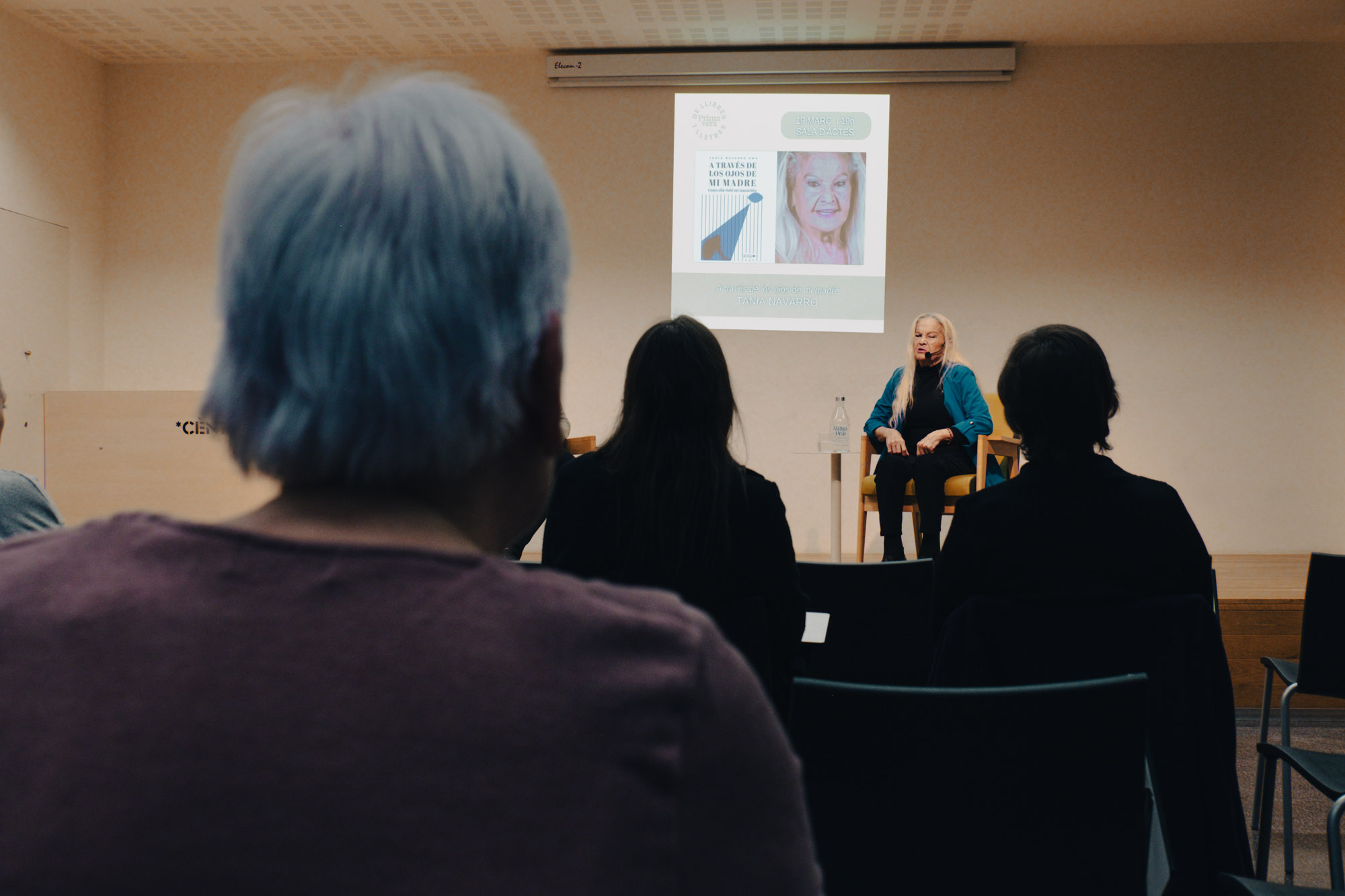
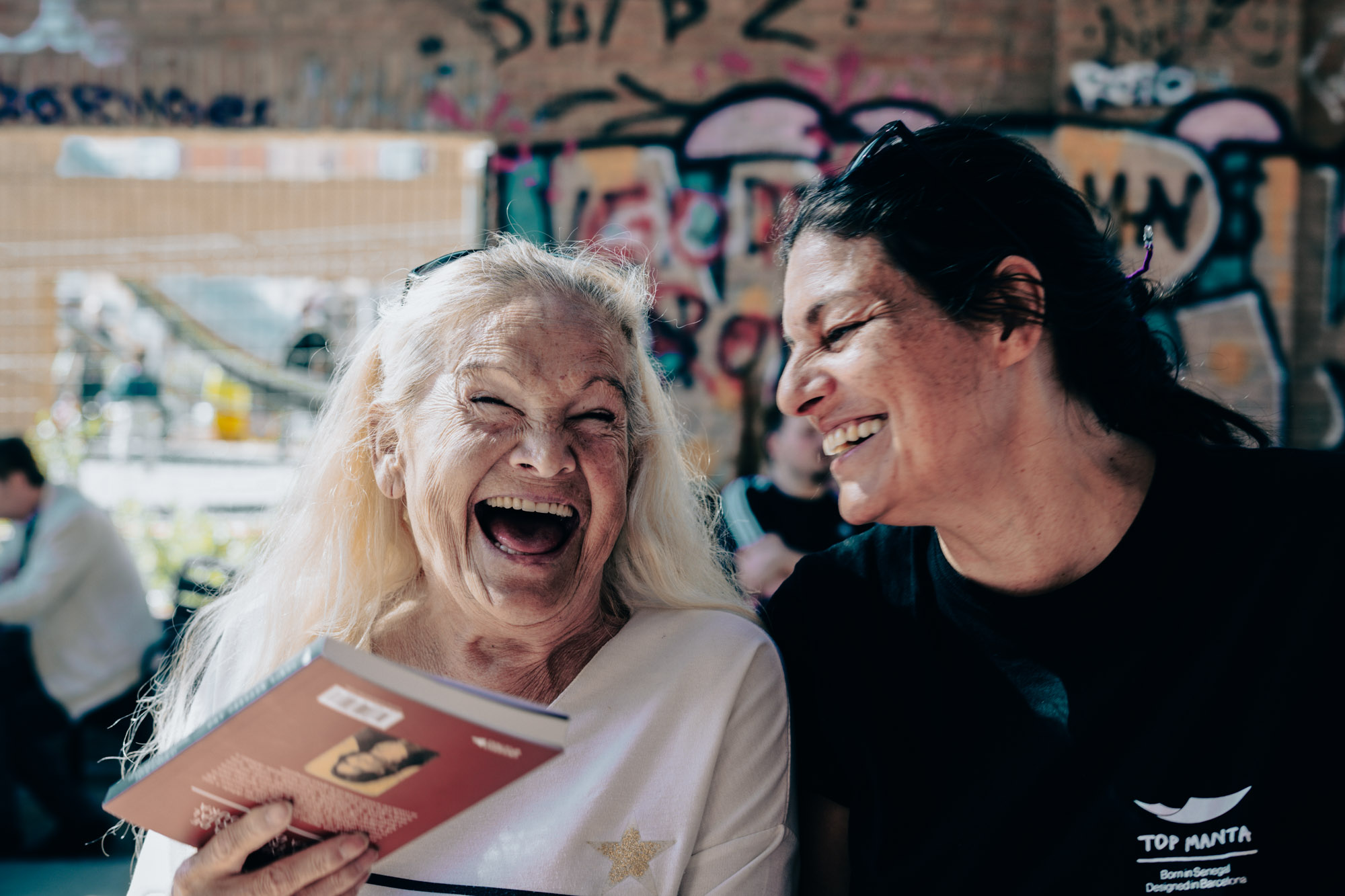
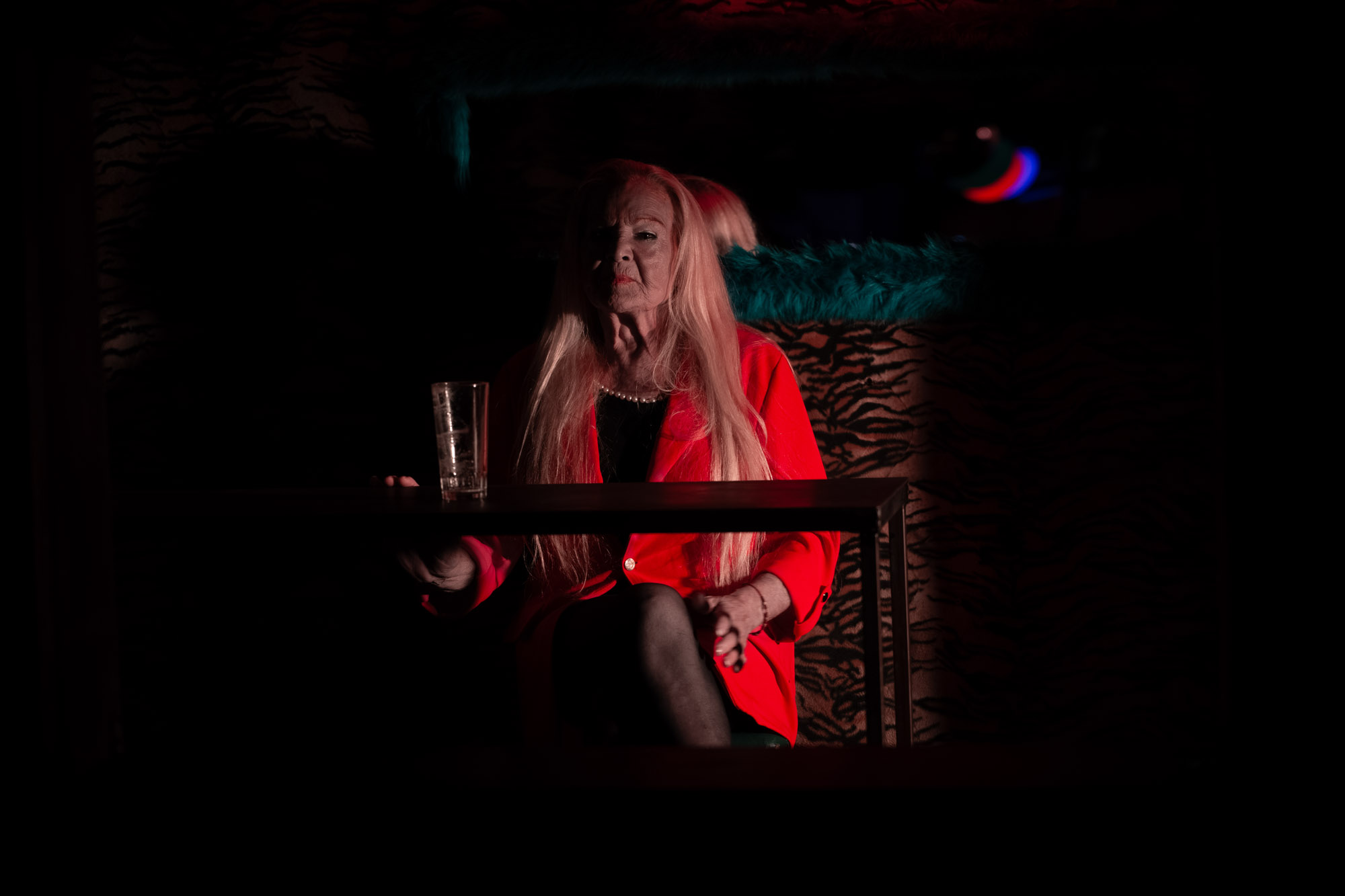
We are deeply moved by Tania Navarro’s story, as well as by the strength, resilience and joy of life reflected in the eyes captured by Luca Gaetano Pira in his documentary series. The work reveals a historical responsibility across different queer generations to hold one another within their stories through listening and storytelling in a way that allows these experiences to be felt and carried forward. The series shows Tania in the present tense: cooking in her private space, or in a moment of radiant joy after the presentation of her book. This sense of presence shifts the gaze away from mere historicization toward a lived, embodied experience. We are grateful to be allowed, as viewers, to partake photographically in this intimacy, in a body of work that brings together memory, encounter, and mutual holding in an emotionally accessible way.


Tania: A Trans Defiance Against Franco’s Regime

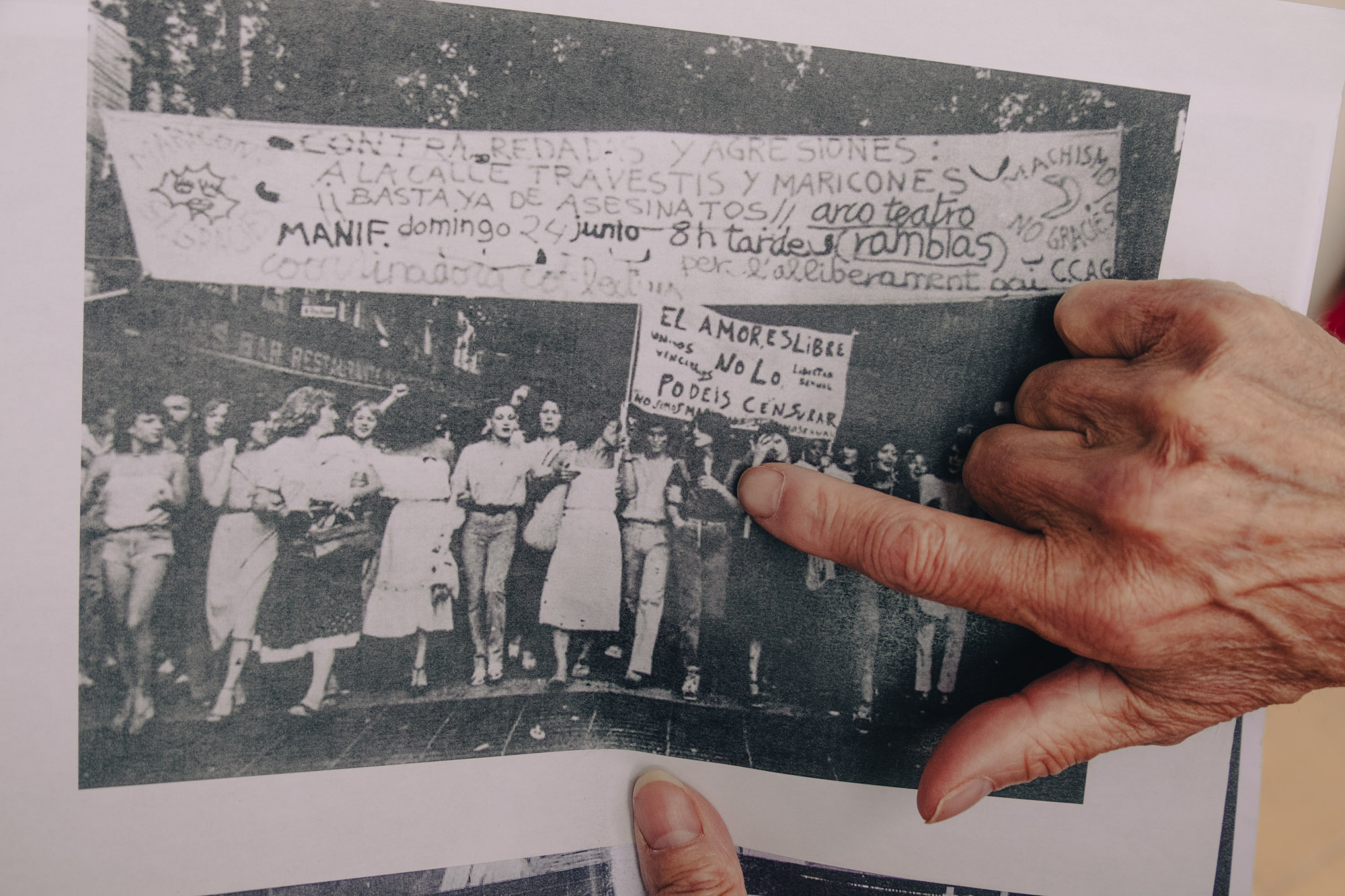
Tania Navarro is a trans woman who embodies resilience and survival in a historical context of extreme oppression and discrimination. Born and raised in a Spain ruled by Franco’s regime, her life has been marked by abuse, social exclusion, and a relentless struggle to affirm her identity. Forced to live on the streets at just 10 years old after being rejected by her family, Tania began prostituting herself at the age of 12 to survive. At 16, she was institutionalized in the Sant Boi asylum, where she underwent electroshock therapy to „cure“ her trans identity—a cruel and inhumane practice typical of an era that viewed diversity as a pathology. During Franco’s dictatorship, Tania was arrested 12 times and imprisoned in Barcelona’s Modelo prison, a place that became a symbol of the regime’s repression against those who dared to defy its rigid social norms. Despite these persecutions, she found the strength to fight for her freedom and that of the LGBTQ+ community, becoming one of the organizers and participants of Barcelona’s first Gay Pride in 1977. Of all the trans women from that era, Tania is the only survivor in the city. This year marks the 50th anniversary of the death of Francisco Franco, a pivotal moment in Spanish history. Tania, as a survivor of Franco’s regime, is uniquely positioned to live through this anniversary, a moment that bears significant emotional weight for her and many others who suffered under his rule. This commemoration brings new light to her incredible journey of survival, as she stands as a living testament to the strength of those who endured the regime’s violence, exclusion, and repression. In the 1980s, Tania faced further challenges: the AIDS epidemic that decimated the LGBTQ+ community, her battles with drug and alcohol addiction, and a society still steeped in discrimination. Yet, she managed to survive, becoming a living witness to a painful past and a voice for those who are no longer here. Today, Tania represents a figure of extraordinary historical significance. Her life is a story of resistance and survival—of someone who fought not only against an oppressive regime but also against social and personal prejudice. This photographic project celebrates her strength, documenting a story that must not be forgotten, so that future generations can understand the cost of freedom and visibility.


Biography 

Luca Gaetano Pira (Modena, 1987) is a documentary photographer whose practice engages with historical memory, resistance, and the recovery of identities marginalized by official narratives. Working across photography, video, and archival material, he combines field research with long-term collaboration, tracing the afterlives of institutional repression and fragmented histories. His projects articulate transnational and deeply personal trajectories: Los Muchos Triángulos Rosas connects testimonies and sites of persecution of LGBTI communities under various military dictatorships, while Las Descarriadas revisits the legacy of Francoist control mechanisms. His ongoing work on Tania Navarro further foregrounds questions of memory, aging, and political subjectivity. Trained in Madrid and Barcelona, Pira’s work is informed by figures such as Nan Goldin, Christian Boltanski, and Lisetta Carmi, and has been exhibited and published internationally.

Jury Statement

Wir sind tief berührt von Tania Navarros Geschichte sowie von der Stärke, Resilienz und Lebensfreude, die sich in den Augen widerspiegelt, die Luca Gaetano Pira in seiner dokumentarischen Serie festgehalten hat. In der Arbeit zeigt sich eine historische Verantwortung unterschiedlicher queerer Generationen, sich in ihren Geschichten gegenseitig zu halten, durch Zuhören, Erzählen und das Zulassen von Nähe und Berührung. Die Serie zeigt Tania im Hier und Jetzt: beim Kochen im privaten Raum, oder in einem Moment strahlender Freude nach der Präsentation ihres Buches. Diese Gegenwärtigkeit verschiebt den Blick weg von reiner Historisierung hin zu einer lebendigen, verkörperten Erfahrung. Wir sind dankbar, als Betrachter*innen fotografisch an dieser Intimität teilhaben zu dürfen, in einer Arbeit, die Erinnerung, Begegnung und gegenseitiges Halten emotional zugänglich miteinander verbindet.


Tania: A Trans Defiance Against Franco’s Regime

Tania Navarro ist eine trans Frau, die in einem historischen Kontext extremer Unterdrückung und Diskriminierung für Resilienz und Überleben steht. Geboren und aufgewachsen im Spanien der Franco-Diktatur, ist ihr Leben geprägt von Misshandlung, sozialer Ausgrenzung und einem unablässigen Kampf um die Anerkennung ihrer Identität. Nach der Zurückweisung durch ihre Familie lebt sie bereits mit zehn Jahren auf der Straße, mit zwölf beginnt sie zu prostituieren, um zu überleben. Mit sechzehn wird sie in das Asyl Sant Boi eingewiesen, wo sie einer Elektroschocktherapie unterzogen wird, um ihre trans Identität zu „heilen“, eine brutale und inhumane Praxis einer Zeit, die Diversität als Pathologie verstand. Während der Diktatur Francos wird Tania zwölfmal verhaftet und im Gefängnis Modelo in Barcelona inhaftiert, einem Ort, der zum Symbol staatlicher Repression gegen alle wurde, die sich gesellschaftlichen Normen widersetzten. Trotz dieser Verfolgungen findet sie die Kraft, für ihre Freiheit und die der LGBTQ+-Community zu kämpfen und wird eine der Organisatorinnen der ersten Gay Pride in Barcelona im Jahr 1977. Von den trans Frauen ihrer Generation ist Tania die einzige Überlebende der Stadt. Im Jahr des 50. Todestages Francisco Francos erhält diese Geschichte eine besondere historische und emotionale Verdichtung. Als Überlebende des Regimes verkörpert Tania eine lebendige Erinnerung an eine Zeit staatlicher Gewalt, Ausgrenzung und Repression und steht exemplarisch für die Erfahrungen jener, die diese Jahre nicht überlebt haben. Auch in den 1980er Jahren bleibt ihr Leben von weiteren Krisen geprägt: der AIDS-Epidemie, die große Teile der LGBTQ+-Community auslöscht, sowie eigenen Kämpfen mit Drogen- und Alkoholabhängigkeit in einer weiterhin diskriminierenden Gesellschaft. Dennoch überlebt sie und wird zur Zeitzeugin eines traumatischen historischen Kontinuums sowie zur Stimme derer, die nicht mehr sprechen können. Heute steht Tania Navarro für eine außergewöhnliche historische Bedeutung. Ihr Leben erzählt von Widerstand und Überleben, von einem Kampf gegen ein repressives Regime ebenso wie gegen gesellschaftliche und persönliche Stigmatisierung. Dieses fotografische Projekt würdigt ihre Stärke und dokumentiert eine Geschichte, die nicht in Vergessenheit geraten darf, um kommenden Generationen die Kosten von Freiheit und Sichtbarkeit zu vermitteln.


Biografie

Luca Gaetano Pira (Modena, 1987) ist Dokumentarfotograf*in, dessen*deren Praxis sich mit historischer Erinnerung, Formen des Widerstands und der Sichtbarmachung von Identitäten auseinandersetzt, die aus offiziellen Narrativen ausgeschlossen wurden. In der Verbindung von Fotografie, Video und Archivmaterial kombiniert er Feldforschung mit langfristiger Zusammenarbeit und verfolgt die Nachwirkungen institutioneller Repression sowie fragmentierter Geschichtsschreibungen. Lucas Projekte verorten sich zwischen transnationalen und persönlichen Perspektiven: Los Muchos Triángulos Rosas verknüpft Zeugnisse und Orte der Verfolgung von LGBTI-Communities unter verschiedenen Militärdiktaturen, während Las Descarriadas die Kontrollmechanismen der Franco-Ära neu beleuchtet. Die fortlaufende Arbeit zu Tania Navarro rückt zudem Fragen von Erinnerung, Altern und politischer Subjektivität in den Fokus. Ausgebildet in Madrid und Barcelona, ist Piras Arbeit von Positionen wie Nan Goldin, Christian Boltanski und Lisetta Carmi geprägt und wurde international ausgestellt und publiziert.


Hannah Cauhépé

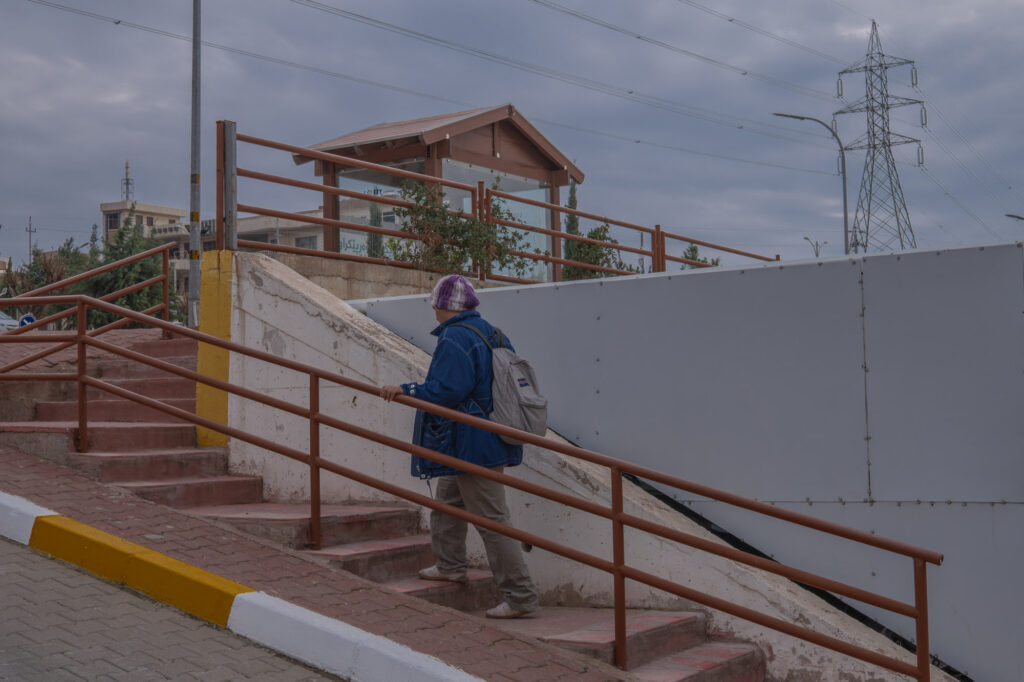
“Hors-Jeu” is a French pun on the offside rule in football, literally “out of the game”, paired with a Turkish phrase meaning “queer people are everywhere.” This juxtaposition reflects the paradox at its core: queer communities in Turkey are systematically pushed to the margins, yet remain present across all social and geographic spaces.
watch project »

Hana Ibrahim

The project follows Betty, who lives between concealment and emergence, navigating a reality shaped by transition, fear, and survival. These objects do not appear as incidental props, but as carriers of meaning, material condensations of self-assurance, protection and inner orientation.

watch project »

Lindsay Perryman

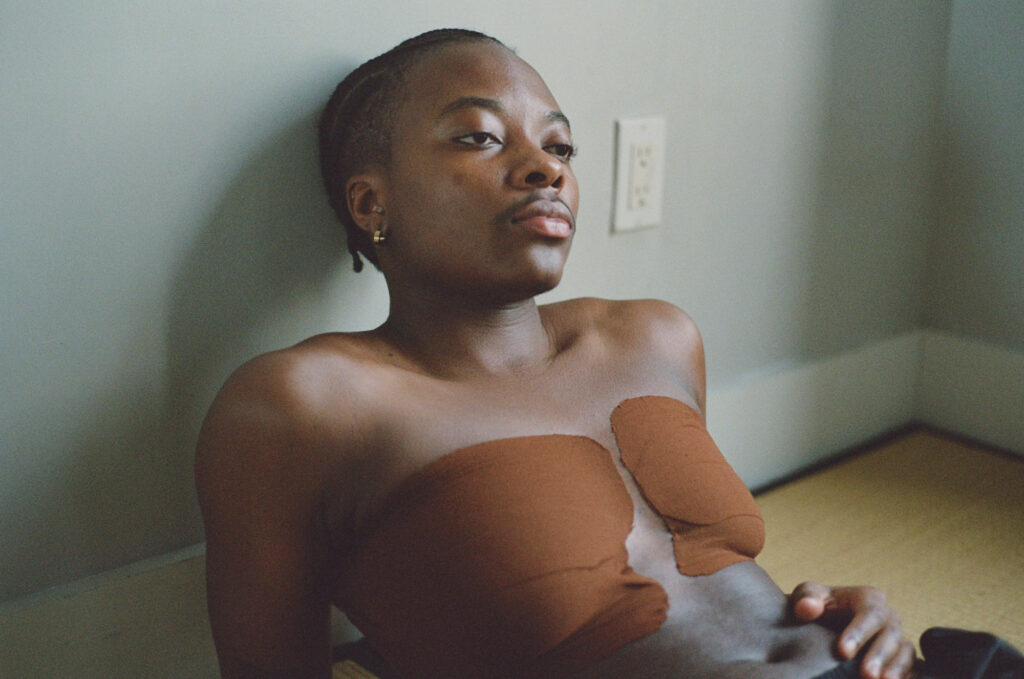
TOPS explores the vulnerability inherent in processes of bodily and subjective transformation, focusing on individuals who have undergone top surgery. Through a combination of group and individual portraits, as well as interior settings, the work traces moments of transition in which identity is continuously unraveling and re-forming.

watch project »

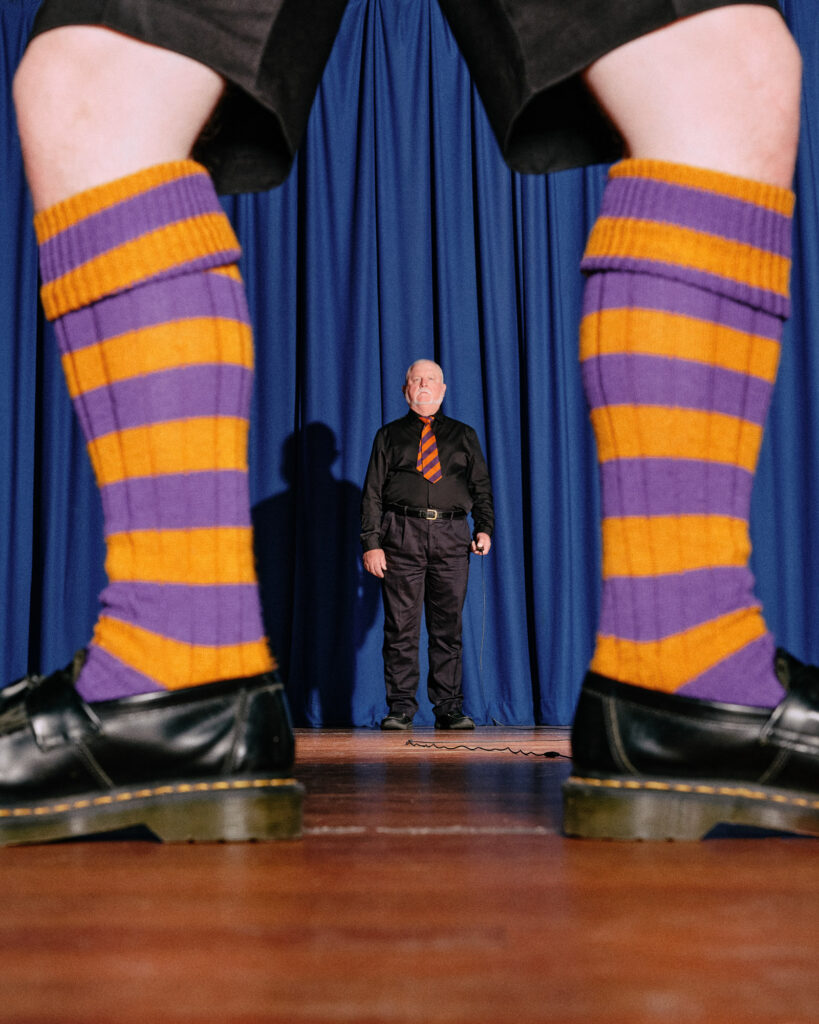
Ciaran Inns

Is He Family? is a collaborative body of work created with Neil, the artist’s former drama teacher and now friend. The project takes its title from coded language once used within queer communities, where phrases such as “are they family?” functioned as signals of recognition, safety, and solidarity in contexts where openly queer existence carried risk.

watch project »

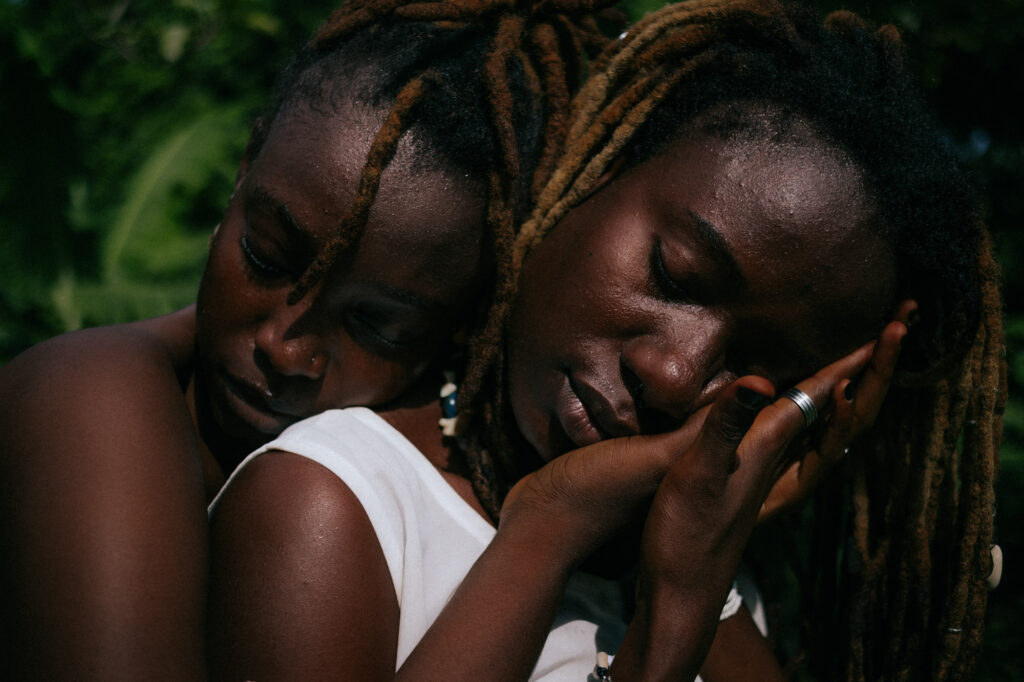
Alexandra Obochi

Held by Each other: Community care and Queer Survival in Nigeria reflects many different forms of holding each other, rooted in Nigeria but also transcending geographically and culturally constrained spaces. It speaks to a search for sanctuary, for closeness in distance and for a sense of family within diverse constellations, universal longings that take shape as different forms of a warm embrace.

watch project »

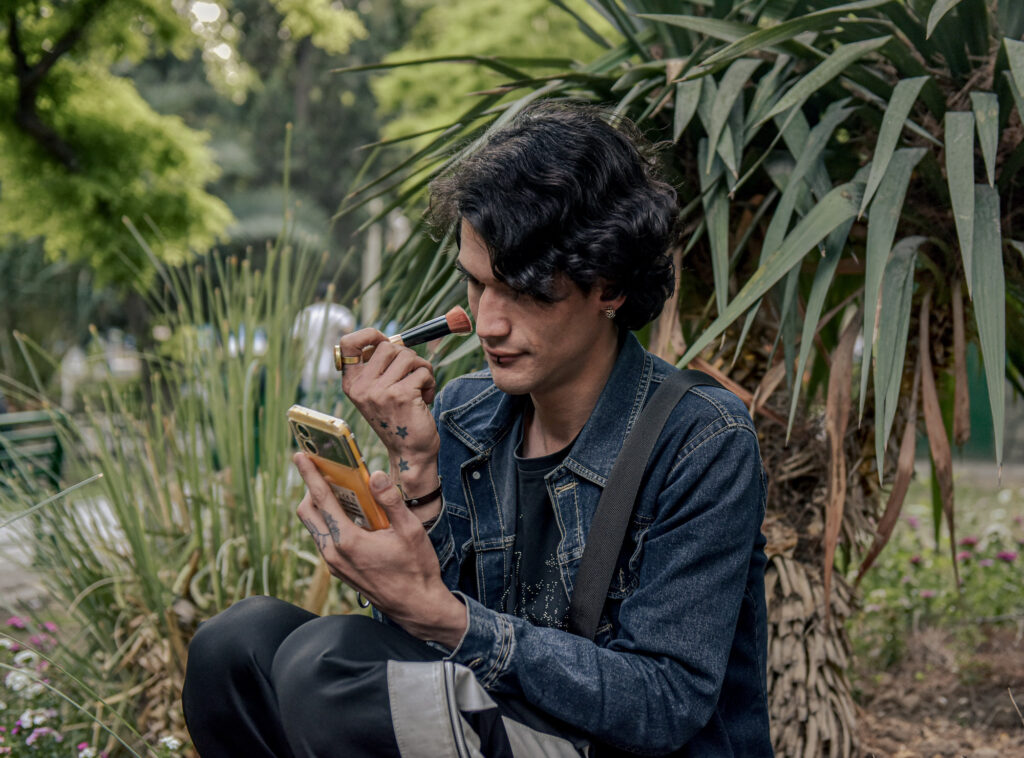
Ali Mahini

What has become of the people portrayed in Ali Mahini’s series Prince of Persia in the months since encountering the work, whether they are still alive, remains unknown. Nor do we know the current state of the park that served as their place of gathering. Concrete information from within and about Iran is, at present, scarcely accessible.

watch project »

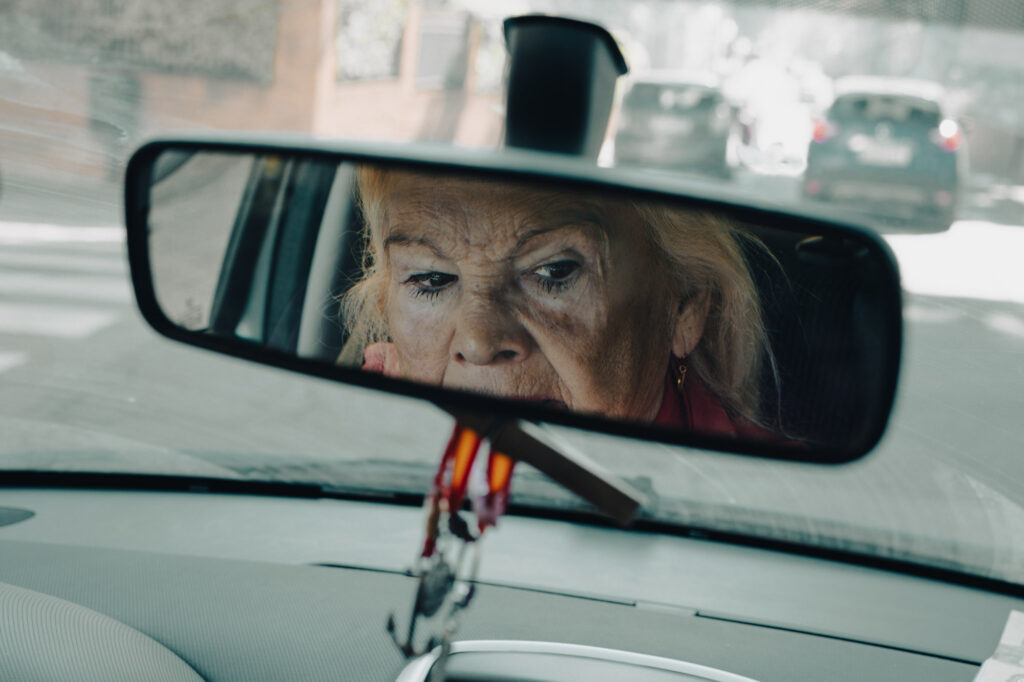
Luca Gaetano Pira

We are deeply moved by Tania Navarro’s story, as well as by the strength, resilience and joy of life reflected in the eyes captured by Luca Gaetano Pira in his documentary series.

watch project »

Sergei Stroitelev

Sergei Stroitelev’s series is carried by cool, subdued tones and soft light. Interiors and carefully placed objects interact and become carriers of emotion. A sense of being held unfolds, located not only in interpersonal relationships but also in objects and letters that store and transmit memory.

watch project »

Bienyl Huelgas

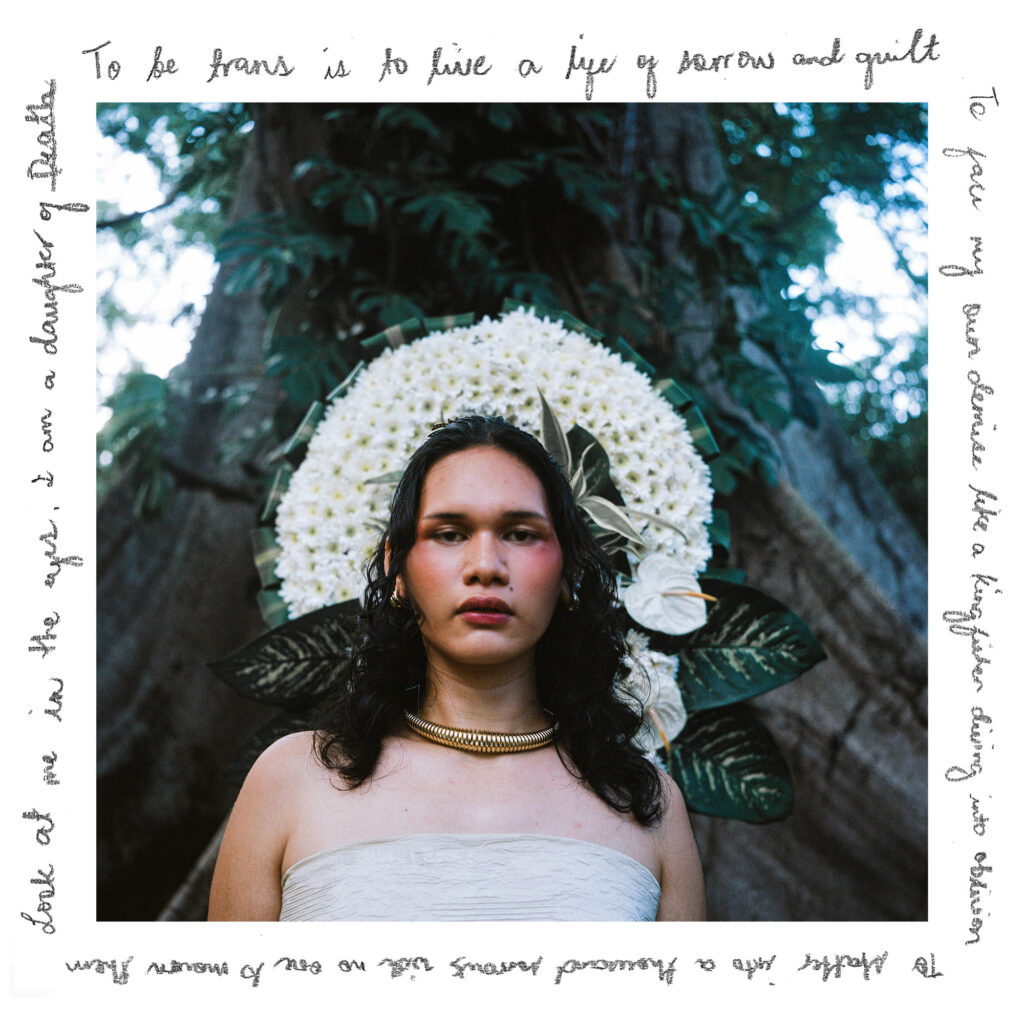
Bienyl Huelgas shows a poetic visual language of mythic imagery and written thought, presenting the notion of holding each other not only between individuals but as a collective structure: a shared carrying of pain, memory and desire within a community that stabilizes itself.

watch project »

Léa Fiterman

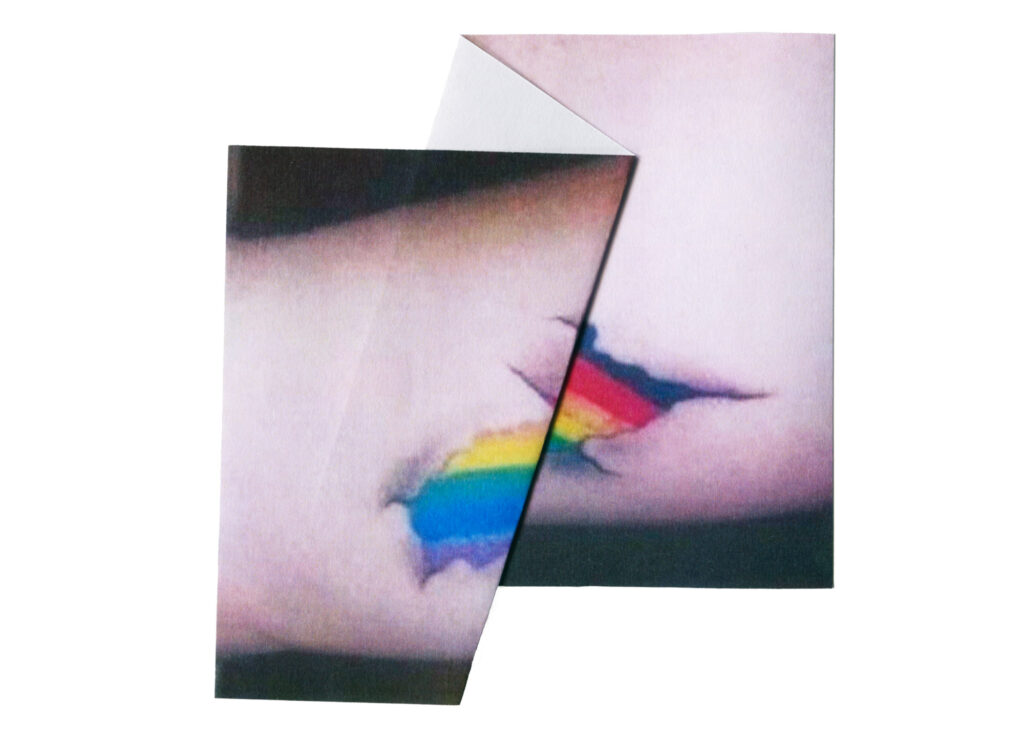
In moments of crisis, censorship and systematic erasure, the need for support becomes all the more urgent. Léa Fiterman develops a precise yet poetic visual language in response, in which formal restraint and tactile interventions play a central role.

watch project »

Frances Marshall

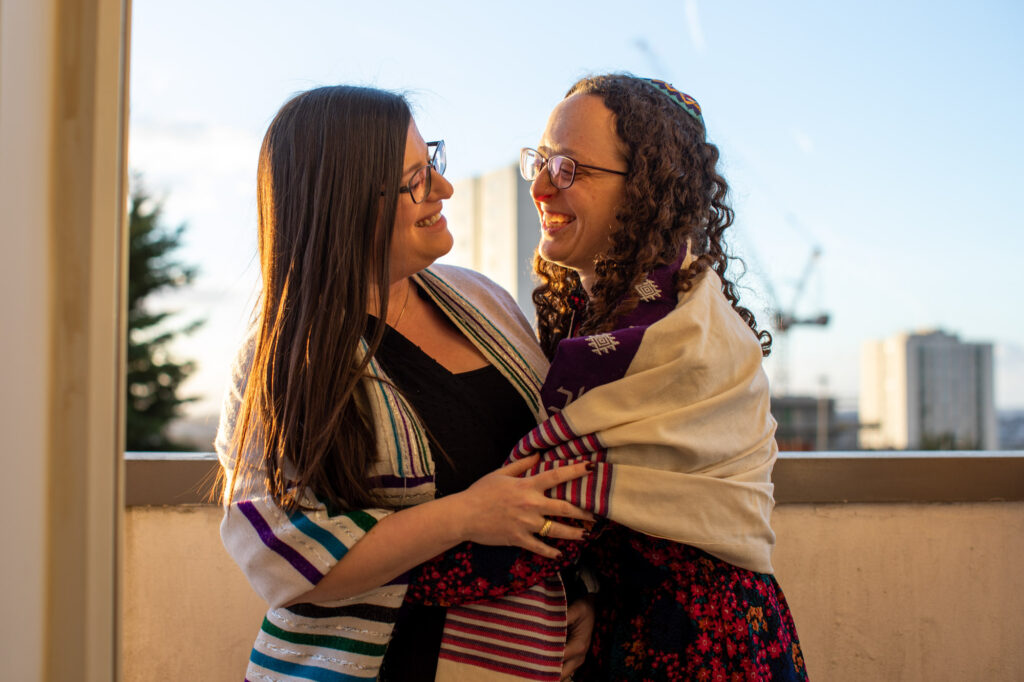
Duet is an ongoing collaboration between the two artists Zac Thompson and JuJu rooted in film photography and performance, shaped by shared experiences of growing up in religious, evangelical environments.

watch project »

Zac Thompson and JuJu Lee

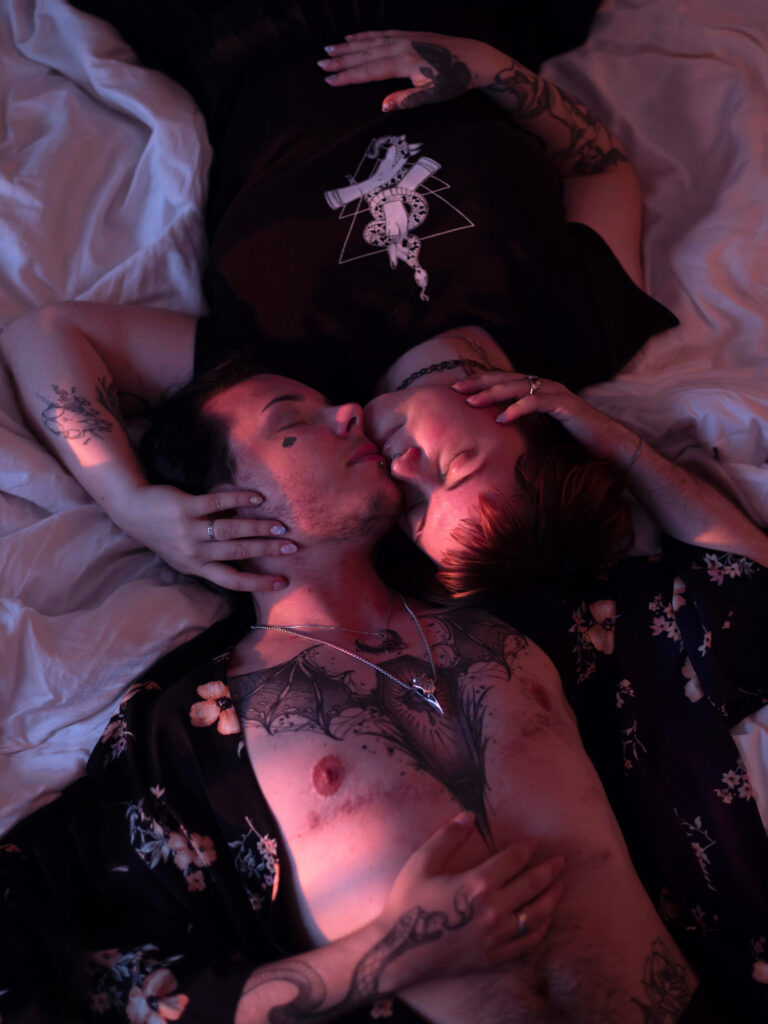
Searching for safe and welcoming spaces, sites that allow for free self-expression and enable lives beyond the margins, aligns not only with geo-political borders but often also across the divide between rural and urban contexts.

watch project »

林家夯 Lin jaihang

林家夯 Lin Jaihang shows a fragile interplay of familiarity, desire and care through gestures of physical closeness. His photographs are tender and playful, characterized by light, warmth, and intimacy. In a darkening present, they offer a perspective that reminds us of the possibility of beauty in closeness.

watch project »