Bienyl Huelgas

In Death, There is Beauty (and yet I still dream of Love) (2025), Metro Manila (perspectives: female, Philippines)

Jury Statement

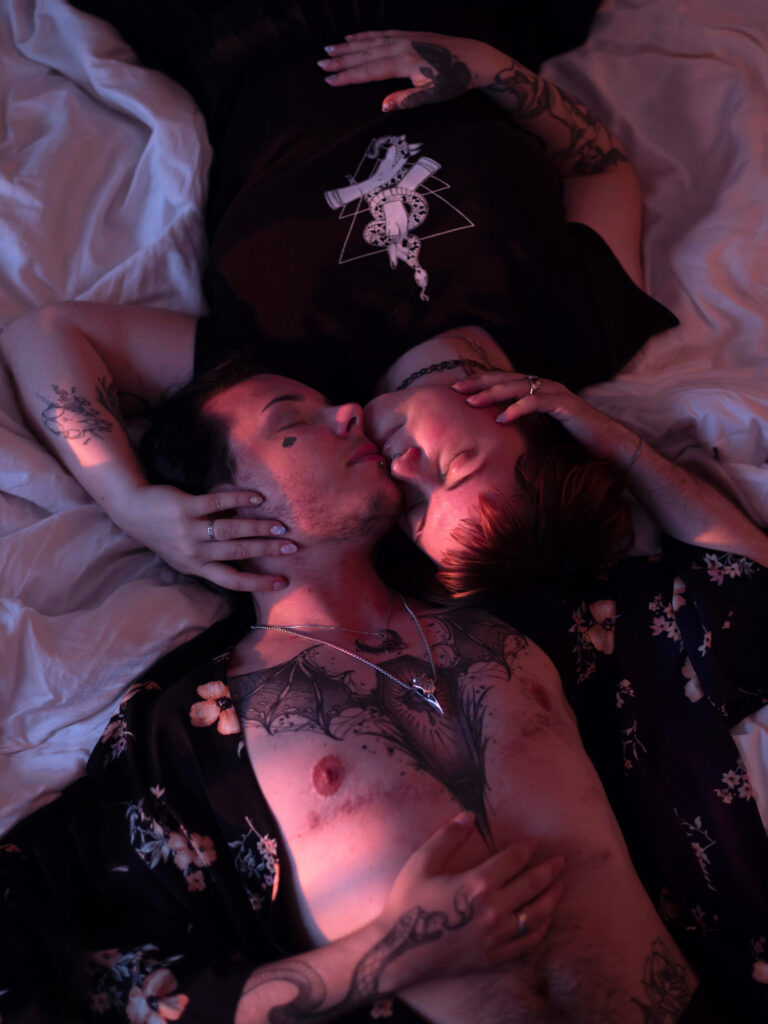
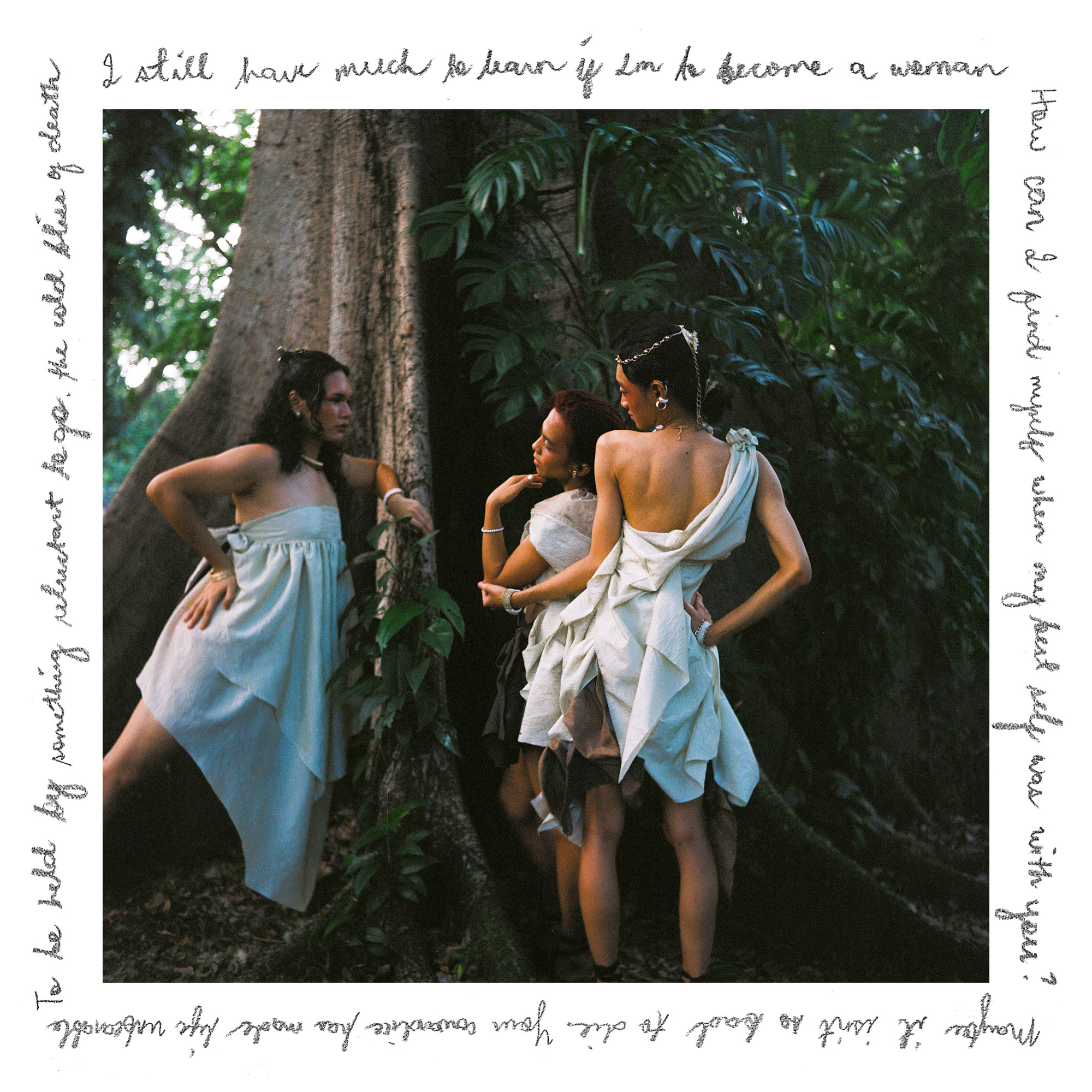
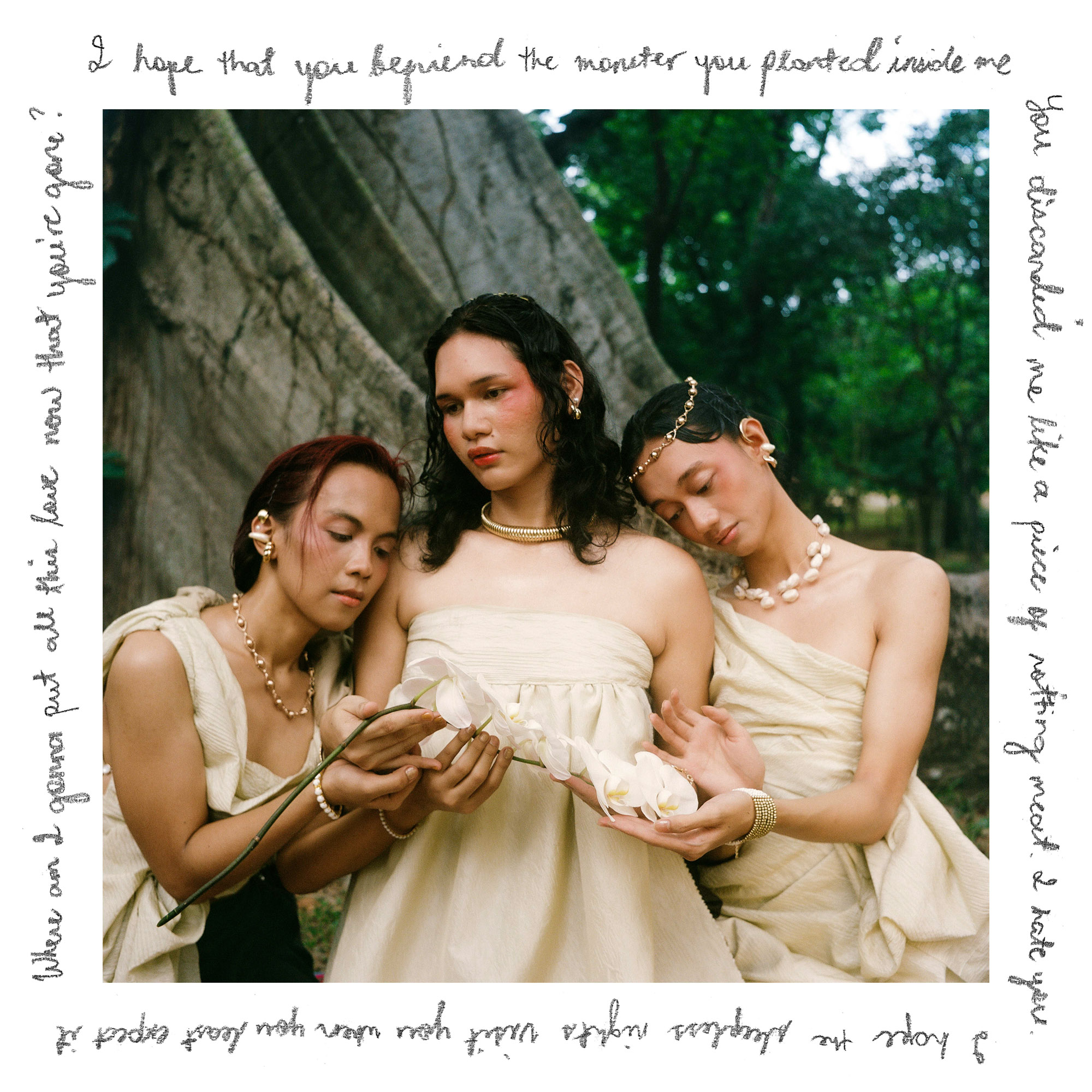
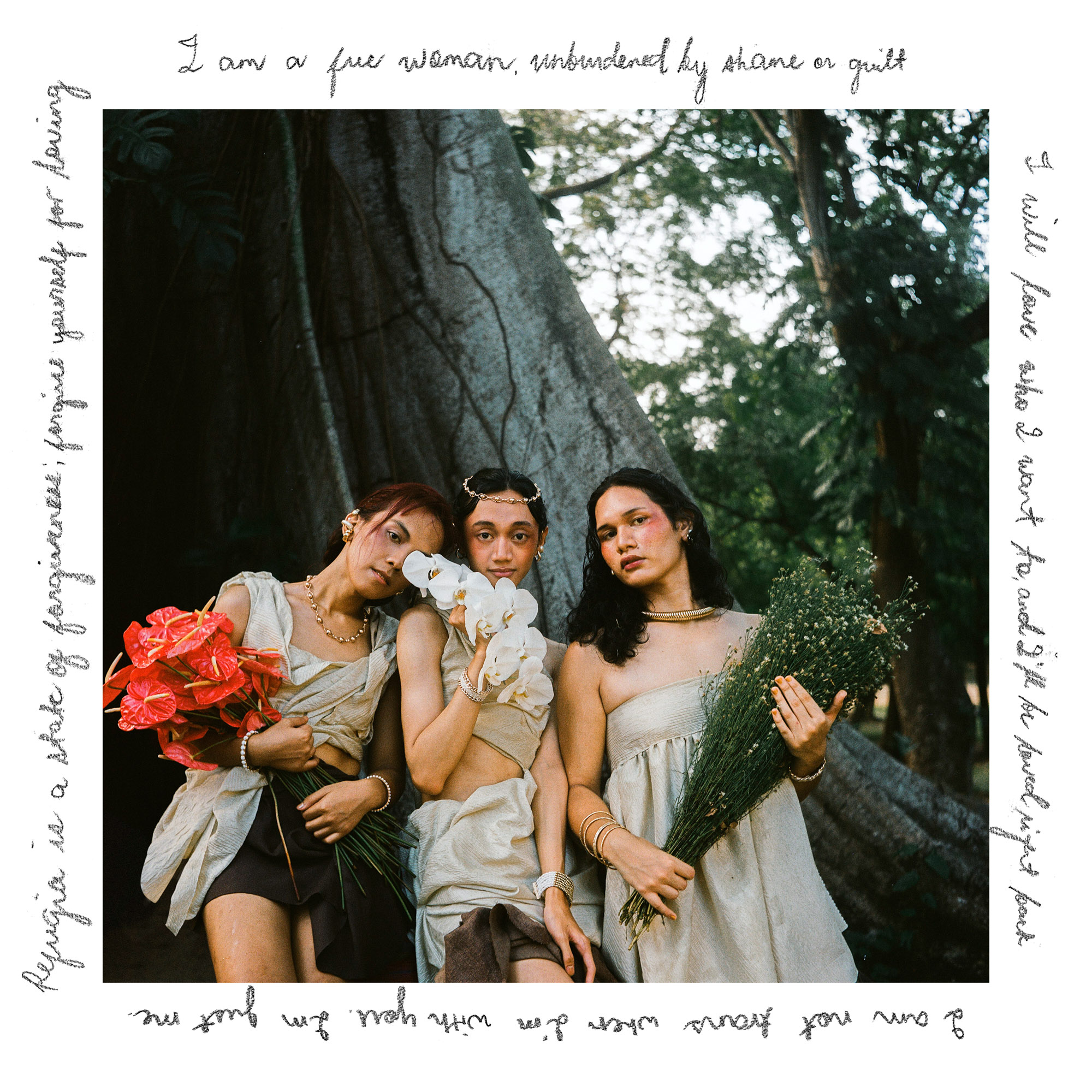
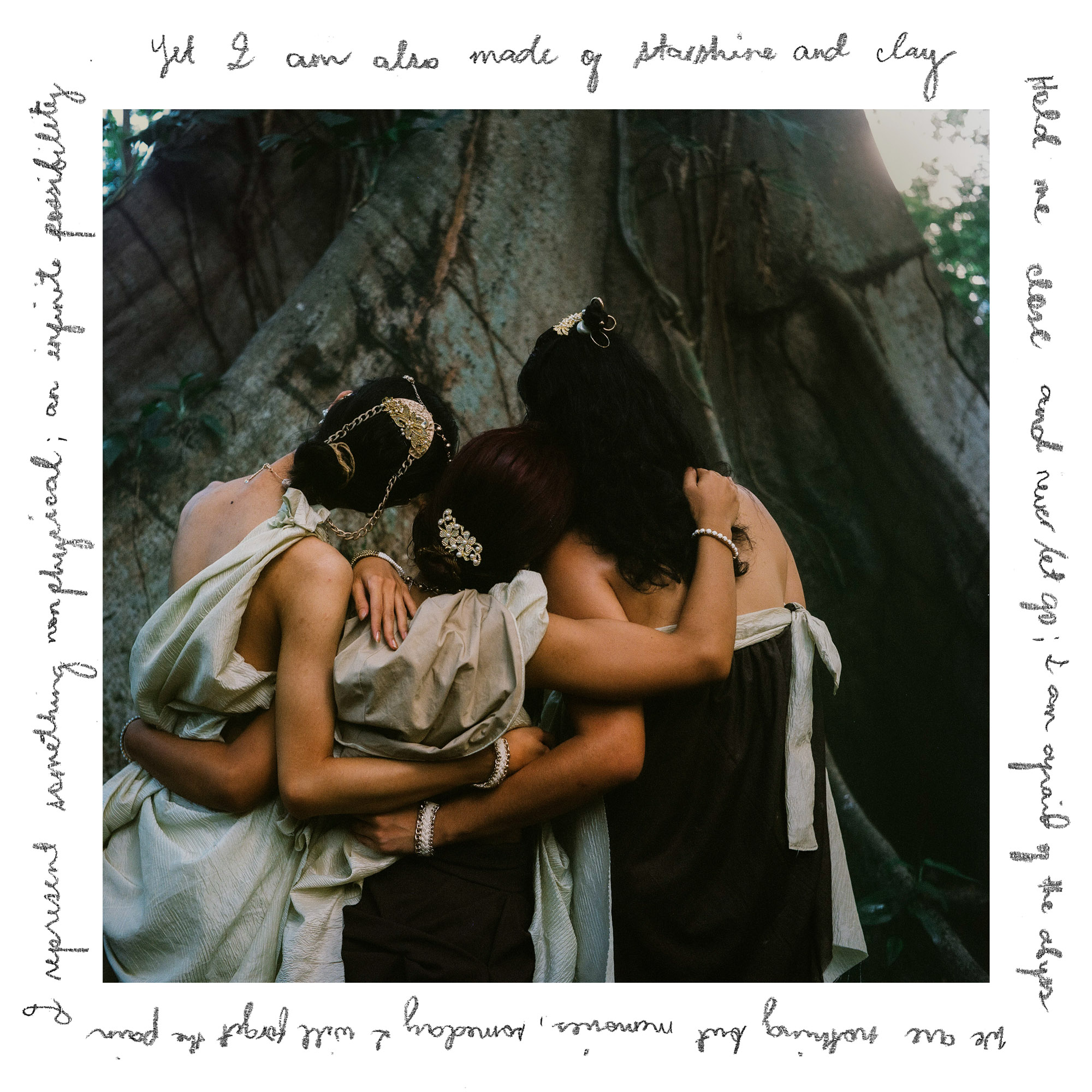
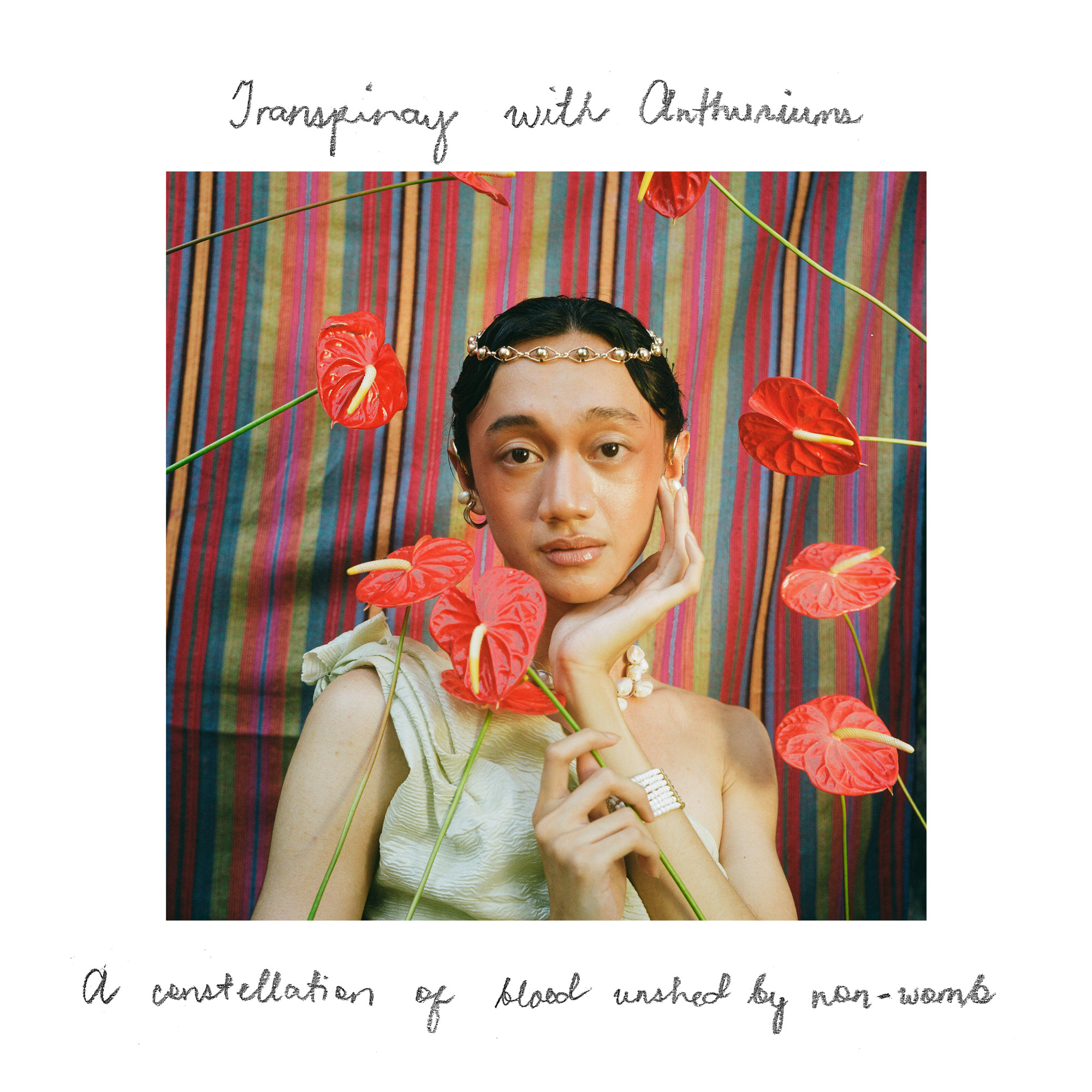
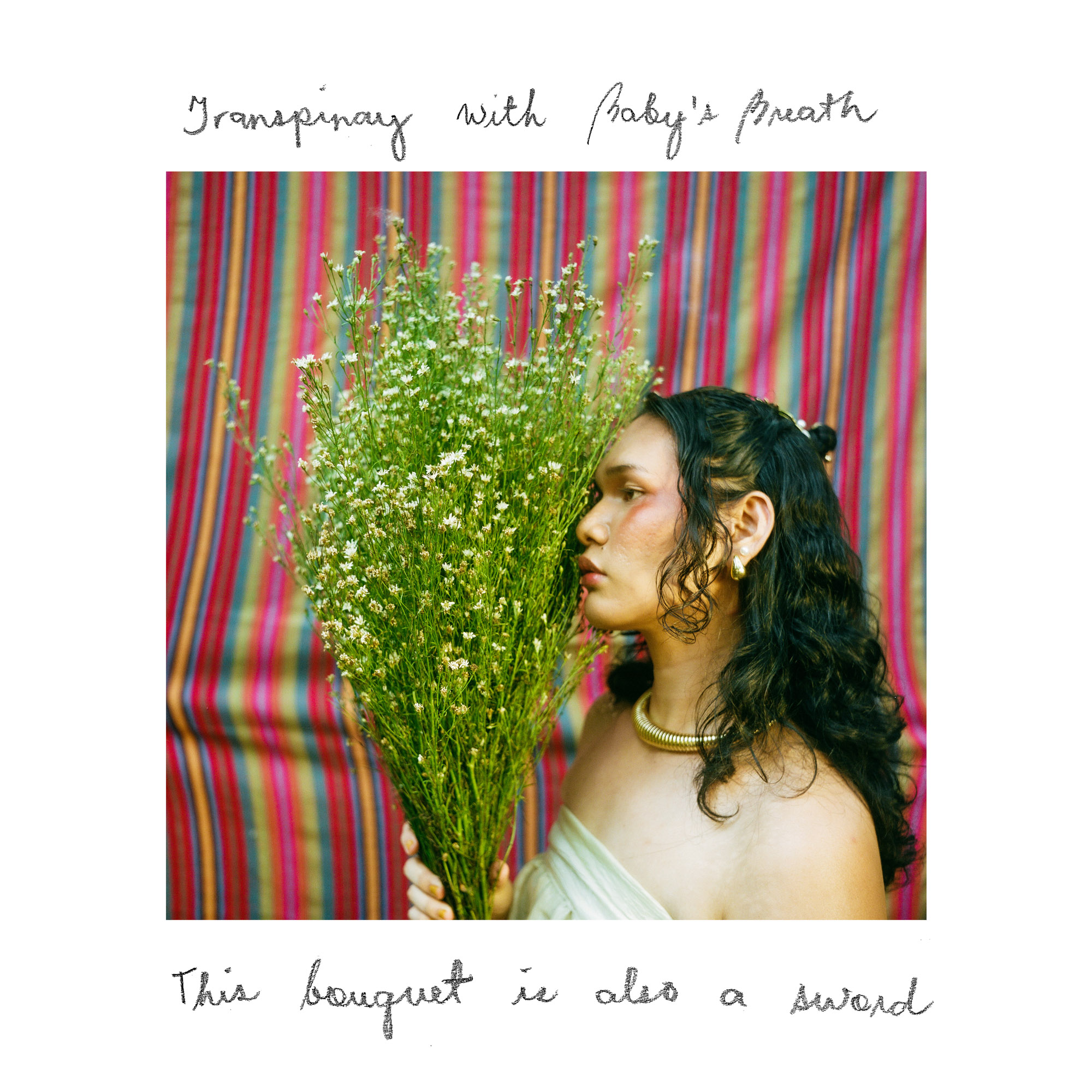
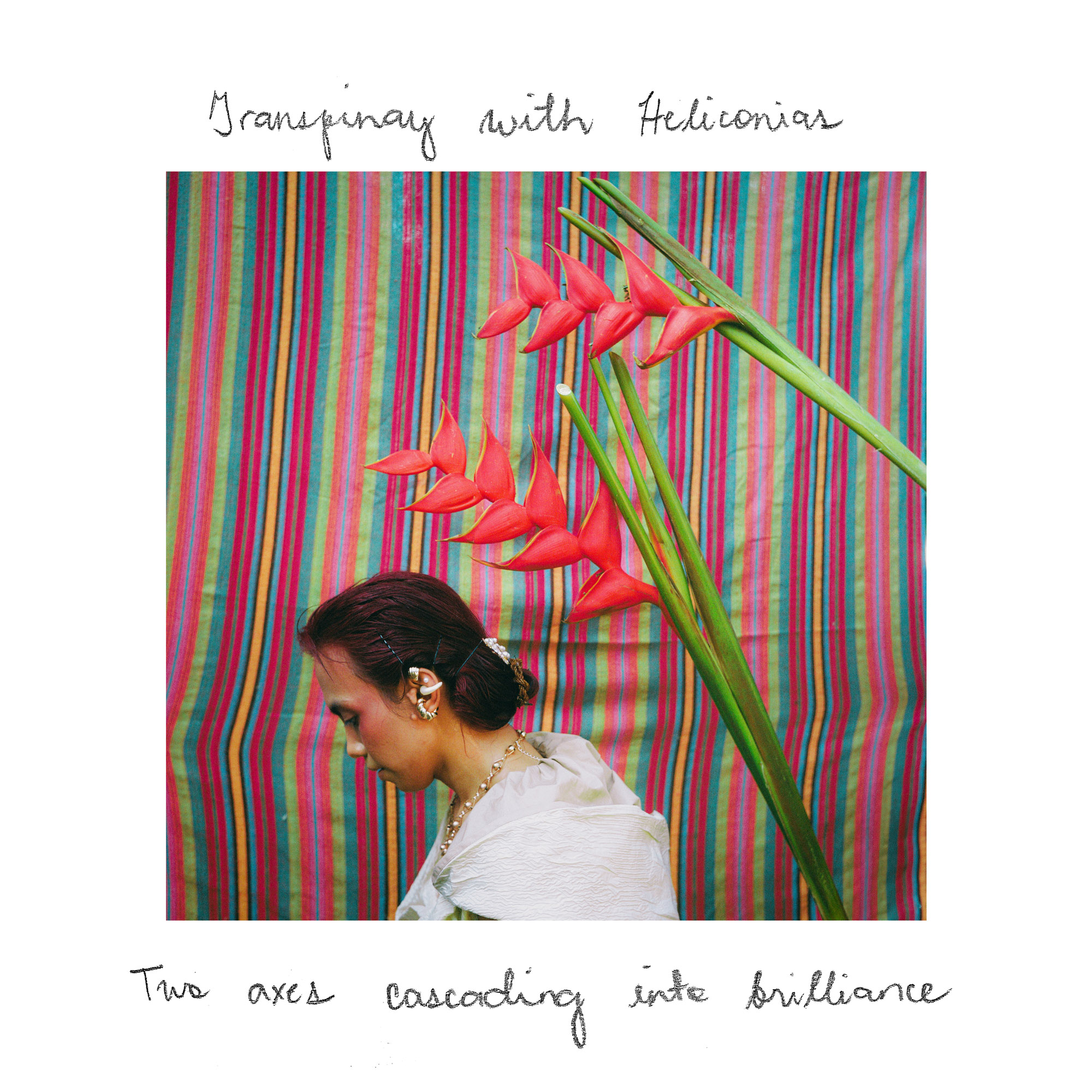
Bienyl Huelgas shows a poetic visual language of mythic imagery and written thought, presenting the notion of holding each other not only between individuals but as a collective structure: a shared carrying of pain, memory and desire within a community that stabilizes itself. The work thus shifts the understanding of care away from intimacy as withdrawal toward a political and poetic act of survival.
Holding each other becomes a form of presence in which vulnerability is not resolved, but collectively held, as something that appears both real and mythic or even paradise- like at once.


In Death, There is Beauty

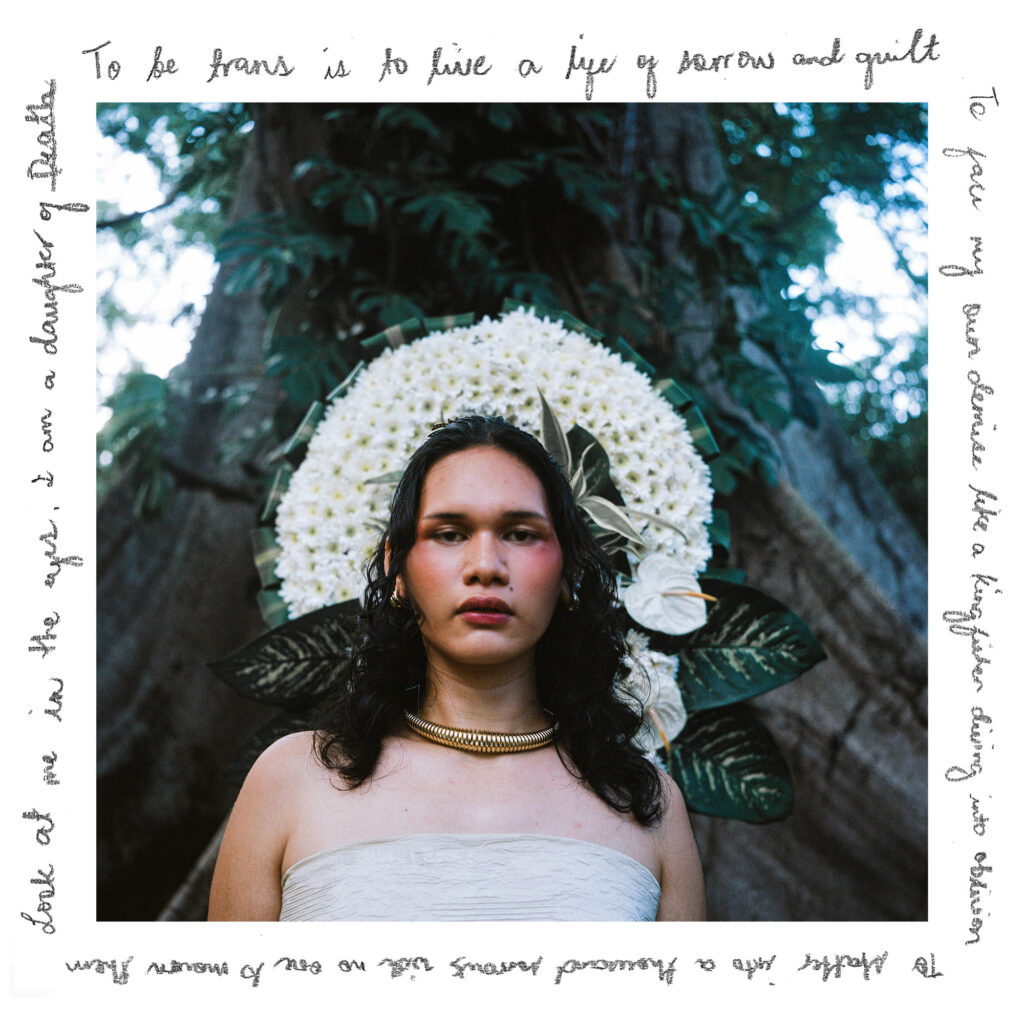
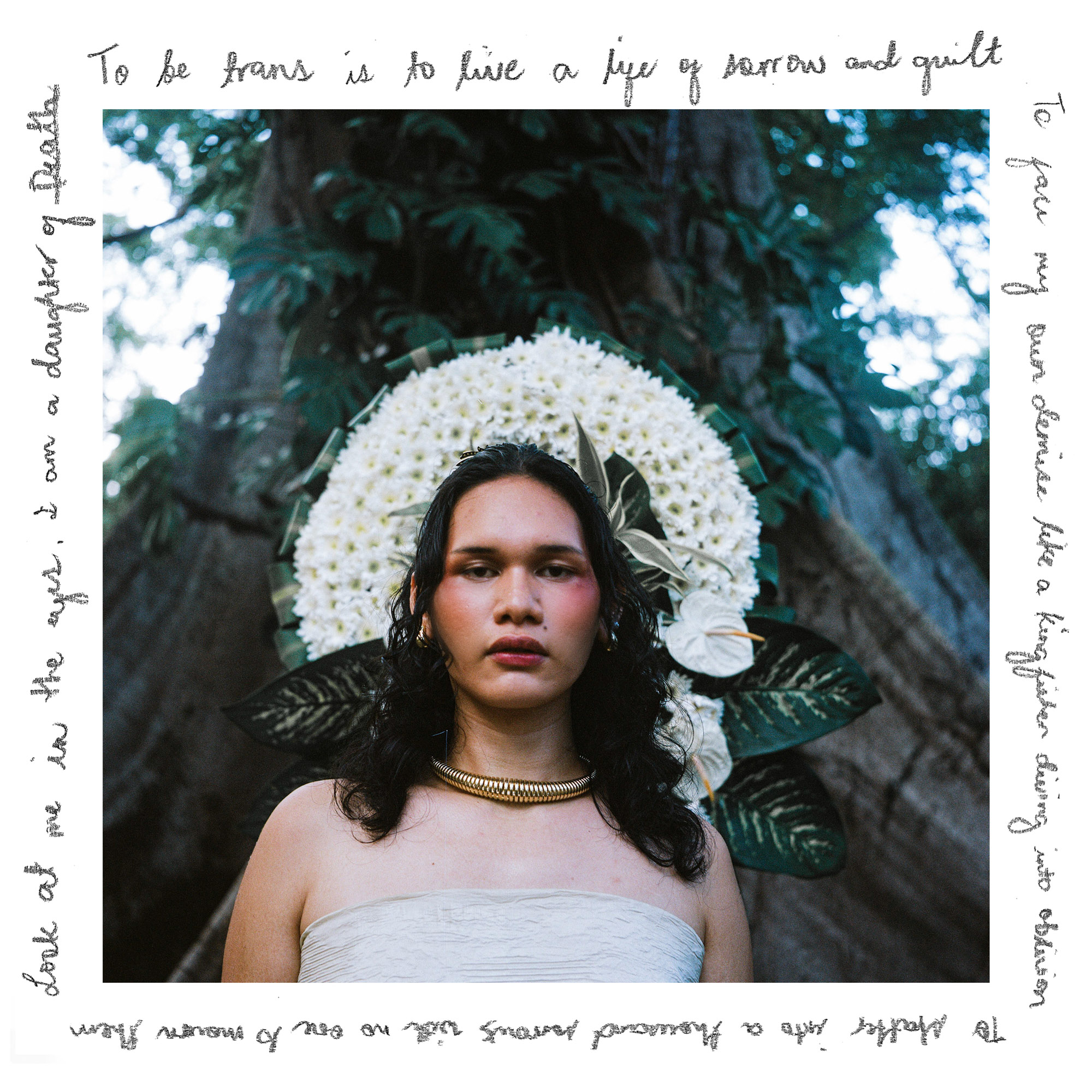
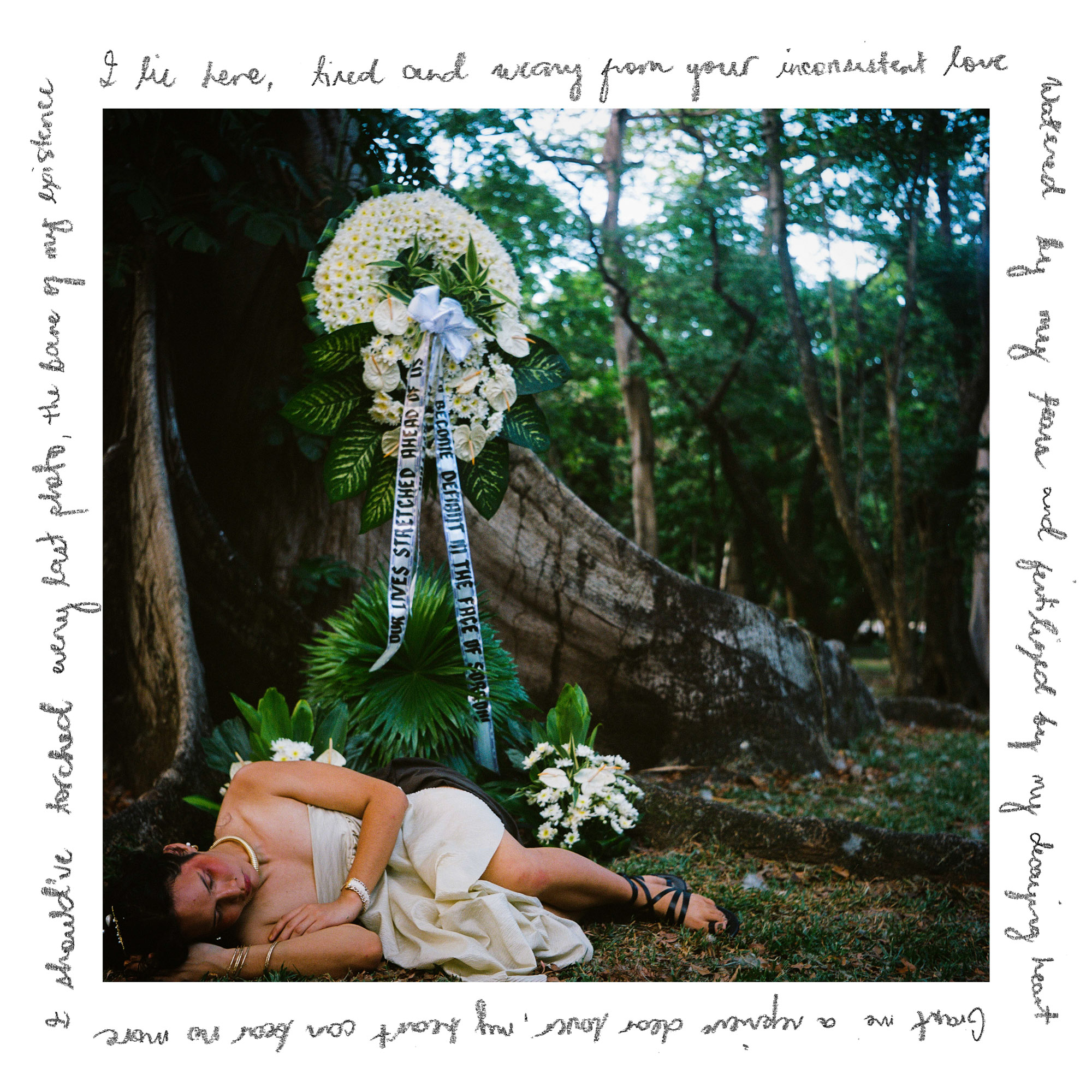
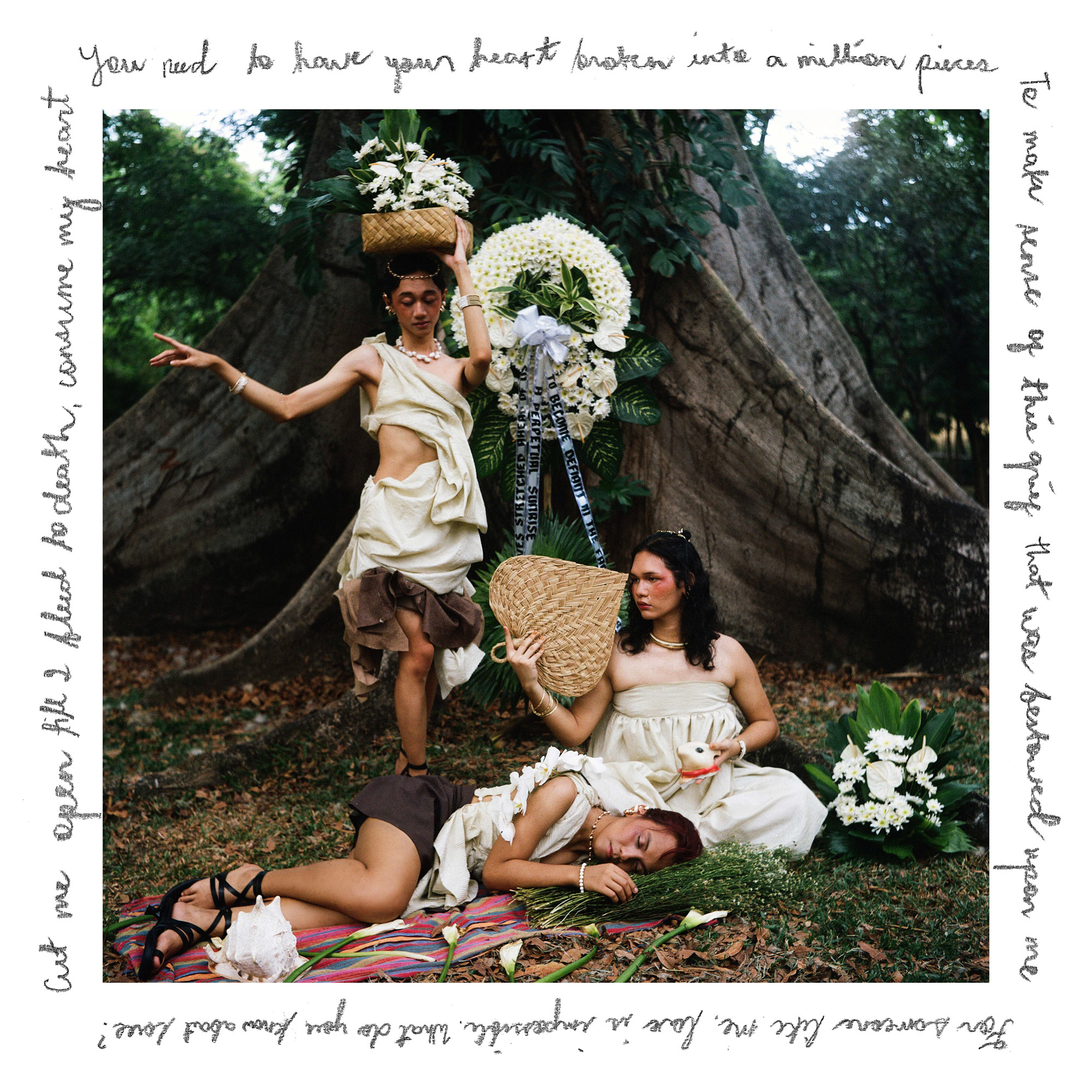
In Death, There is Beauty (and yet I still dream of love) mythologizes the lived realities of transgender Filipinas. A funeral wreath appears as a central image, at once a reminder of the life-threatening conditions many trans women face, and a symbol of rebirth, femininity, and renewal. Shot on medium format film, the project emerged during a period of personal grief following the end of a relationship, which led into a deeper confrontation with isolation, longing, and despair. In turning toward community, the work expands into a recognition that trans experience is always at once personal, political, and collective. From this space, the series unfolds as a visual and textual meditation: a love letter to trans Filipina community and an act of resistance against erasure. Trans women are portrayed as diwatas, mythological spirits reimagined through a trans lens, moving through states of fatalism, grief, and ultimately healing. The work challenges dominant narratives that frame trans people as “Other,” instead affirming trans Filipinas as radiant, complex, and alive. In the persistence of dreaming of love, even in the face of loss and marginalization, a form of resistance is sustained.


Biography 

Bienyl Huelgas (b. 1998) is an emerging photographic artist based in Cavite, Philippines, whose work centers on portraiture to explore her transgender identity and chronicle queer experiences, using the lens as a tool for reflection and visibility. She is a proud alumna of the Angkor Photo Workshops and her work has been exhibited both locally and internationally and featured in prominent publications, including Tiga Mata, F-Stop Magazine, Lenscratch, and The Photo Review. She has received recognition from the International Photography Awards, and the Analog Sparks International Film Photography Awards. She is also a finalist for the 2025 Head On Portrait Awards and the 2025 Klompching FRESH Photo Award, and was named a Top 200 finalist in the 2025 Photolucida Critical Mass.

Jury Statement

Bienyl Huelgas zeigt in einer poetischen Bildsprache aus Mythosbild und Gedankenschrift ein „Sich Halten“ nicht nur zwischen Individuen, sondern als kollektive Struktur: als geteiltes Tragen von Schmerz, Erinnerung und Begehren innerhalb einer Community, die sich selbst stabilisiert, wo gesellschaftliche Sicherheiten fehlen. Die Arbeit verschiebt damit den Blick auf Fürsorge weg von Intimität als Rückzug hin zu einem politischen und poetischen Akt des Überlebens. Holding each other wird zu einer Form von Gegenwart, in der Verletzlichkeit nicht aufgelöst, sondern gemeinsam gehalten wird, als etwas, das zugleich real, mythisch und paradiesisch erscheint.


In Death, There is Beauty

In Death, There is Beauty (and yet I still dream of love) mythologisiert die gelebten Realitäten von trans Filipinas. Als ein zentrales Motiv der Serie erscheint der Trauerkranz: zugleich Erinnerung an die lebensbedrohlichen Bedingungen, denen viele trans Frauen ausgesetzt sind und Symbol für Wiedergeburt, Weiblichkeit und Erneuerung. Die Arbeit entstand auf Mittelformatfilm während einer Phase persönlicher Trauer nach dem Ende einer Beziehung, die in eine intensivere Auseinandersetzung mit Isolation, Sehnsucht und Verzweiflung überging. Im Hinwenden zur Community erweitert sich das Werk zu einer Erkenntnis, dass trans Erfahrung immer zugleich persönlich, politisch und kollektiv ist. Aus dieser Perspektive entfaltet sich die Serie als visuelle und textuelle Meditation: ein Liebesbrief an die trans Filipina-Community und ein Akt des Widerstands gegen Unsichtbarmachung und Löschung. Trans Frauen werden als diwatas dargestellt, mythologische Geister, die sich durch Zustände von Fatalismus, Trauer und schließlich Heilung bewegen. Die Arbeit hinterfragt dominante Narrative, die trans Menschen als „das Andere“ markieren, und setzt dem eine Darstellung entgegen, die trans Filipinas als leuchtend, vielschichtig und lebendig affirmiert. Im beharrlichen Träumen von Liebe, selbst angesichts von Verlust und Marginalisierung, bleibt Widerstand als Form von Existenz erhalten.


Biografie

Bienyl Huelgas (*1998) ist Fotokünstlerin aus Cavite auf den Philippinen. Ihre Arbeit konzentriert sich auf Porträts, mit denen sie ihre trans Identität erforscht und queere Erfahrungen dokumentiert, wobei sie die Kamera als Werkzeug der Reflexion und Sichtbarmachung nutzt. Sie ist Alumna der Angkor Photo Workshops und ihre Arbeiten wurden sowohl national als auch international ausgestellt sowie in renommierten Publikationen wie Tiga Mata, F-Stop Magazine, Lenscratch und The Photo Reviewveröffentlicht. Huelgas wurde unter anderem durch die International Photography Awards sowie die Analog Sparks International Film Photography Awards ausgezeichnet. Zudem ist sie Finalistin der Head On Portrait Awards 2025 sowie des Klompching FRESH Photo Award 2025 und wurde als Top-200-Finalistin der Photolucida Critical Mass 2025 nominiert.


Hannah Cauhépé

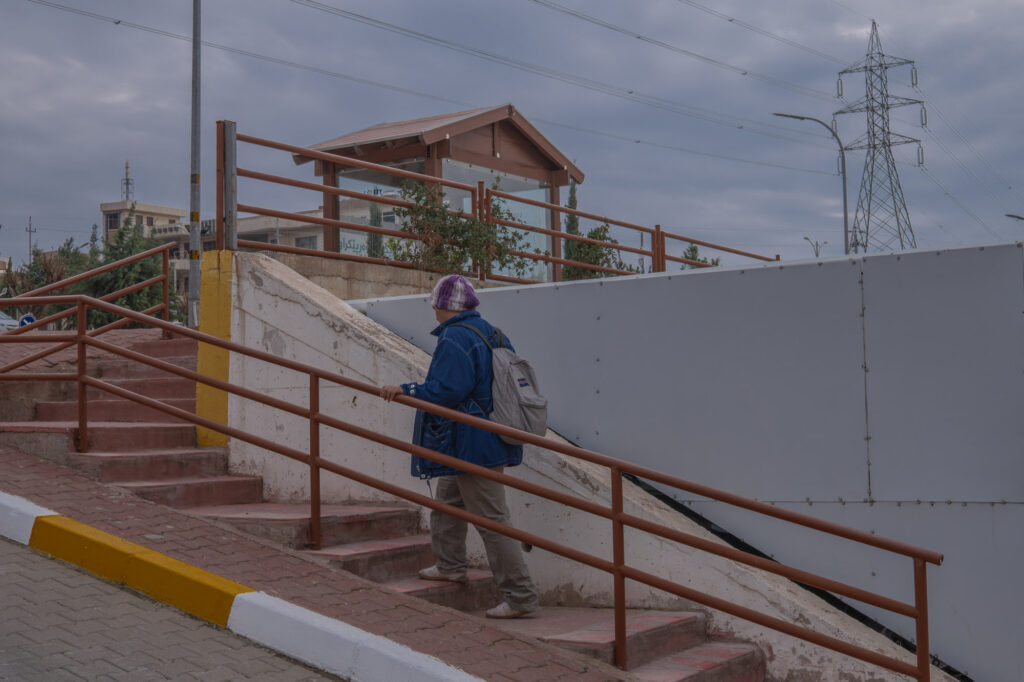
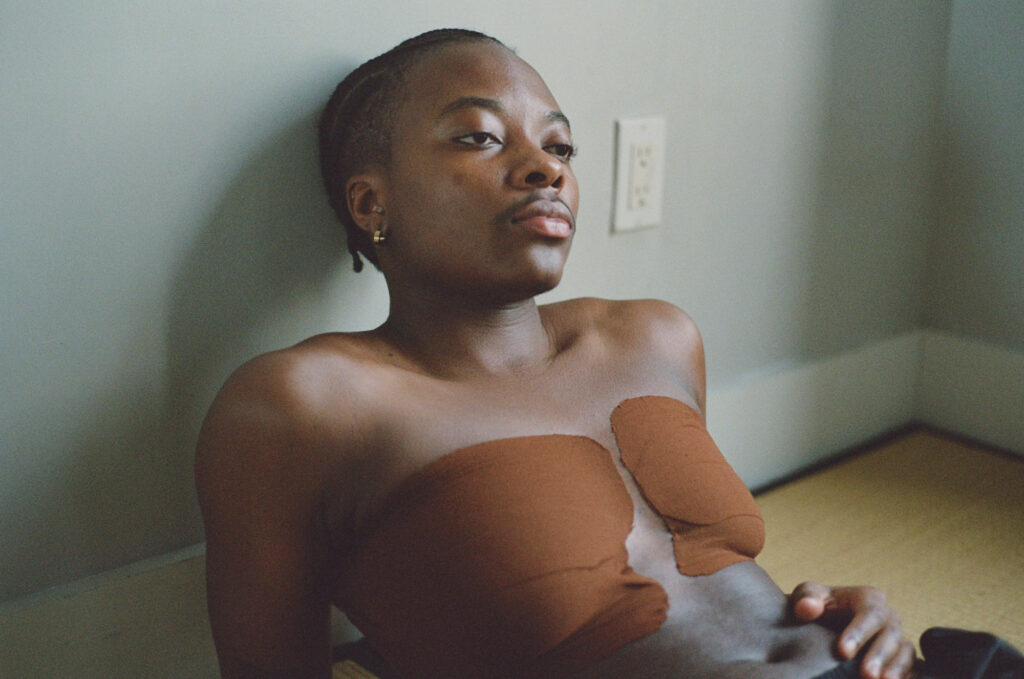
“Hors-Jeu” is a French pun on the offside rule in football, literally “out of the game”, paired with a Turkish phrase meaning “queer people are everywhere.” This juxtaposition reflects the paradox at its core: queer communities in Turkey are systematically pushed to the margins, yet remain present across all social and geographic spaces.
watch project »

Hana Ibrahim

The project follows Betty, who lives between concealment and emergence, navigating a reality shaped by transition, fear, and survival. These objects do not appear as incidental props, but as carriers of meaning, material condensations of self-assurance, protection and inner orientation.

watch project »

Lindsay Perryman

TOPS explores the vulnerability inherent in processes of bodily and subjective transformation, focusing on individuals who have undergone top surgery. Through a combination of group and individual portraits, as well as interior settings, the work traces moments of transition in which identity is continuously unraveling and re-forming.

watch project »

Ciaran Inns

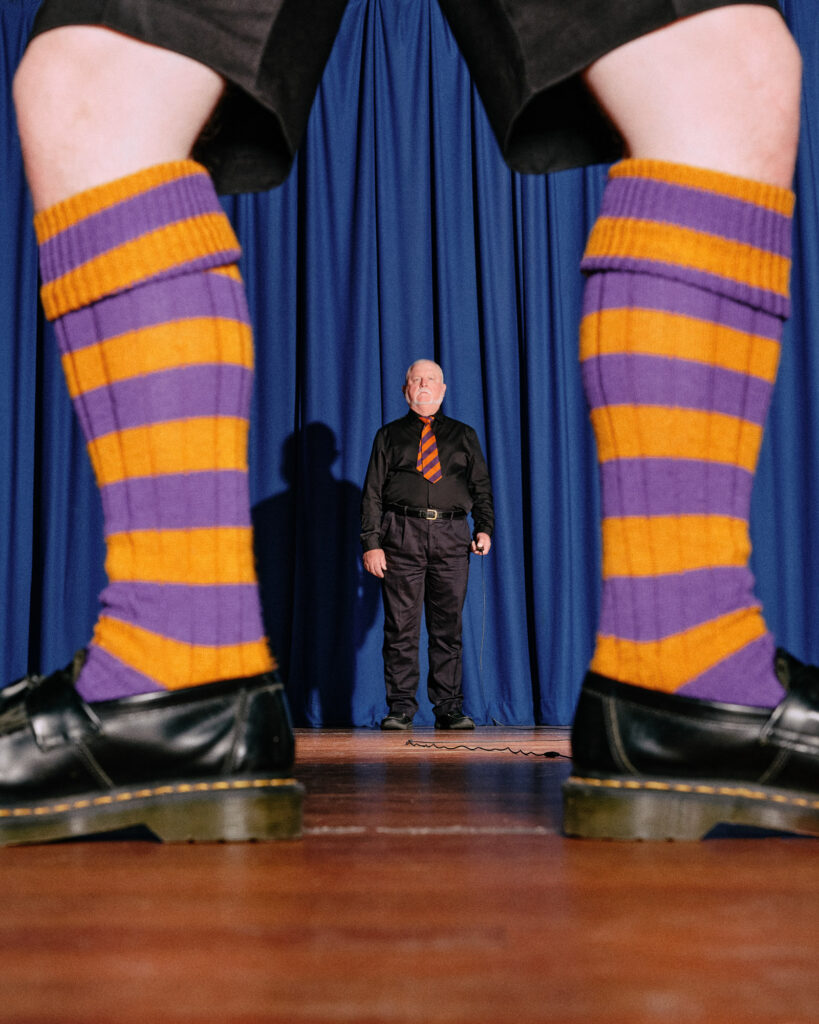
Is He Family? is a collaborative body of work created with Neil, the artist’s former drama teacher and now friend. The project takes its title from coded language once used within queer communities, where phrases such as “are they family?” functioned as signals of recognition, safety, and solidarity in contexts where openly queer existence carried risk.

watch project »

Alexandra Obochi

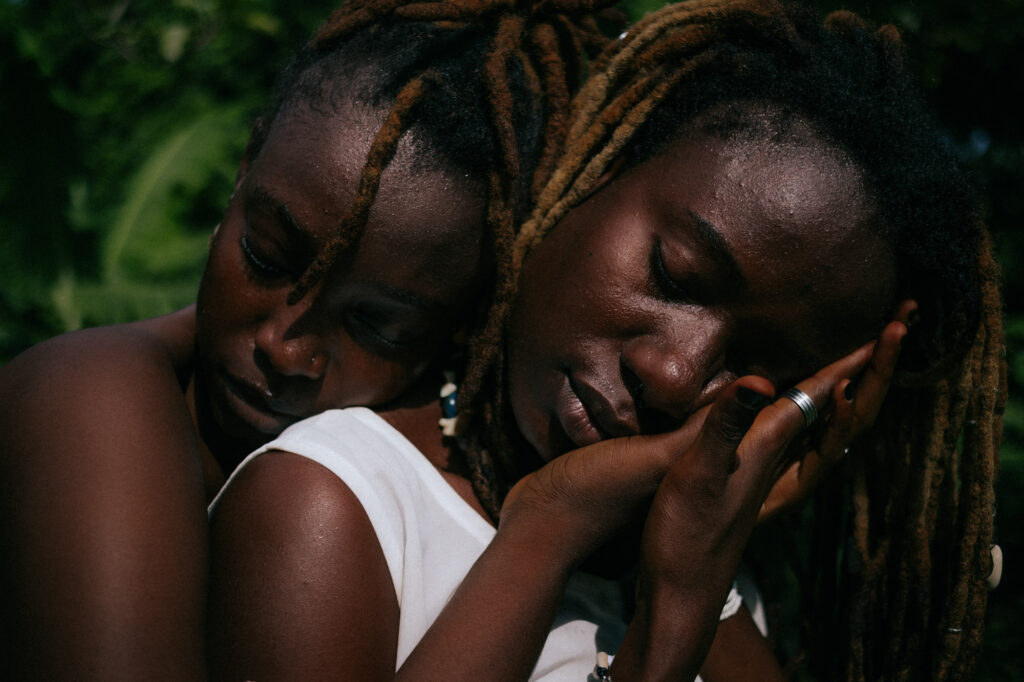
Held by Each other: Community care and Queer Survival in Nigeria reflects many different forms of holding each other, rooted in Nigeria but also transcending geographically and culturally constrained spaces. It speaks to a search for sanctuary, for closeness in distance and for a sense of family within diverse constellations, universal longings that take shape as different forms of a warm embrace.

watch project »

Ali Mahini

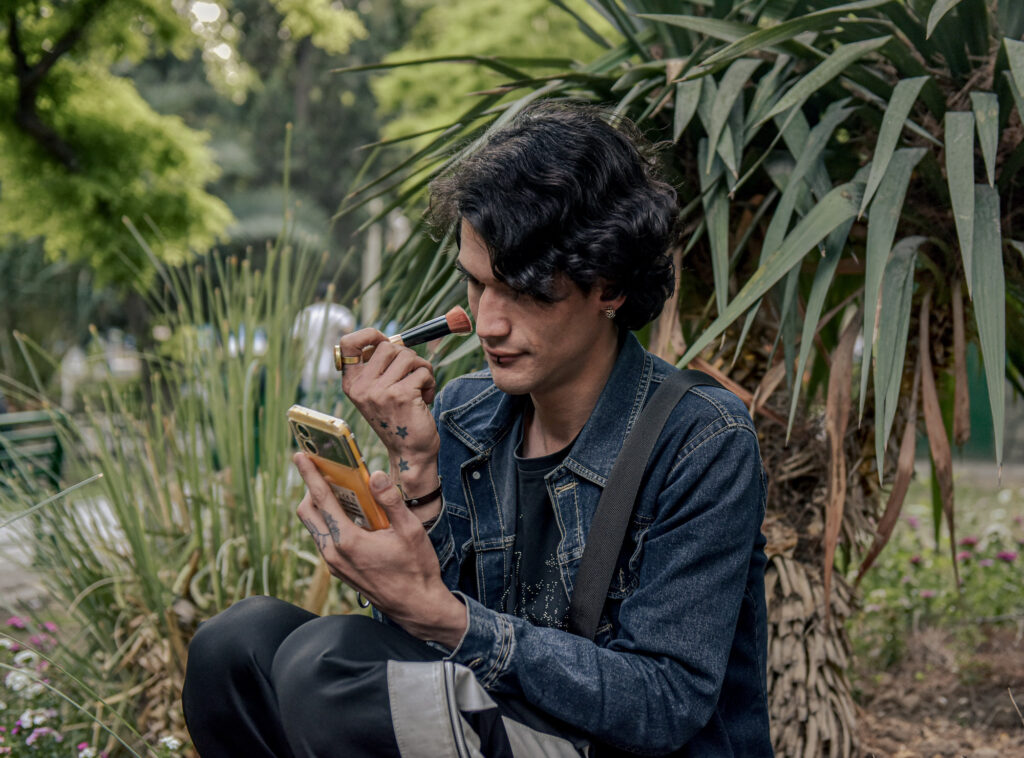
What has become of the people portrayed in Ali Mahini’s series Prince of Persia in the months since encountering the work, whether they are still alive, remains unknown. Nor do we know the current state of the park that served as their place of gathering. Concrete information from within and about Iran is, at present, scarcely accessible.

watch project »

Luca Gaetano Pira

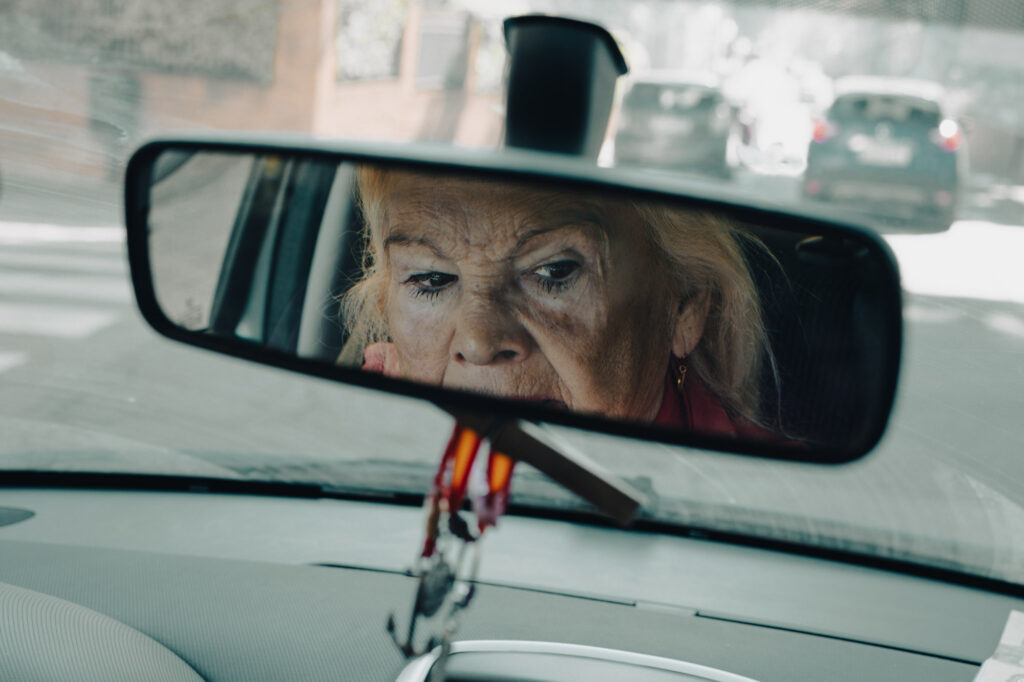
We are deeply moved by Tania Navarro’s story, as well as by the strength, resilience and joy of life reflected in the eyes captured by Luca Gaetano Pira in his documentary series.

watch project »

Sergei Stroitelev

Sergei Stroitelev’s series is carried by cool, subdued tones and soft light. Interiors and carefully placed objects interact and become carriers of emotion. A sense of being held unfolds, located not only in interpersonal relationships but also in objects and letters that store and transmit memory.

watch project »

Bienyl Huelgas

Bienyl Huelgas shows a poetic visual language of mythic imagery and written thought, presenting the notion of holding each other not only between individuals but as a collective structure: a shared carrying of pain, memory and desire within a community that stabilizes itself.

watch project »

Léa Fiterman

In moments of crisis, censorship and systematic erasure, the need for support becomes all the more urgent. Léa Fiterman develops a precise yet poetic visual language in response, in which formal restraint and tactile interventions play a central role.

watch project »

Frances Marshall

Duet is an ongoing collaboration between the two artists Zac Thompson and JuJu rooted in film photography and performance, shaped by shared experiences of growing up in religious, evangelical environments.

watch project »

Zac Thompson and JuJu Lee

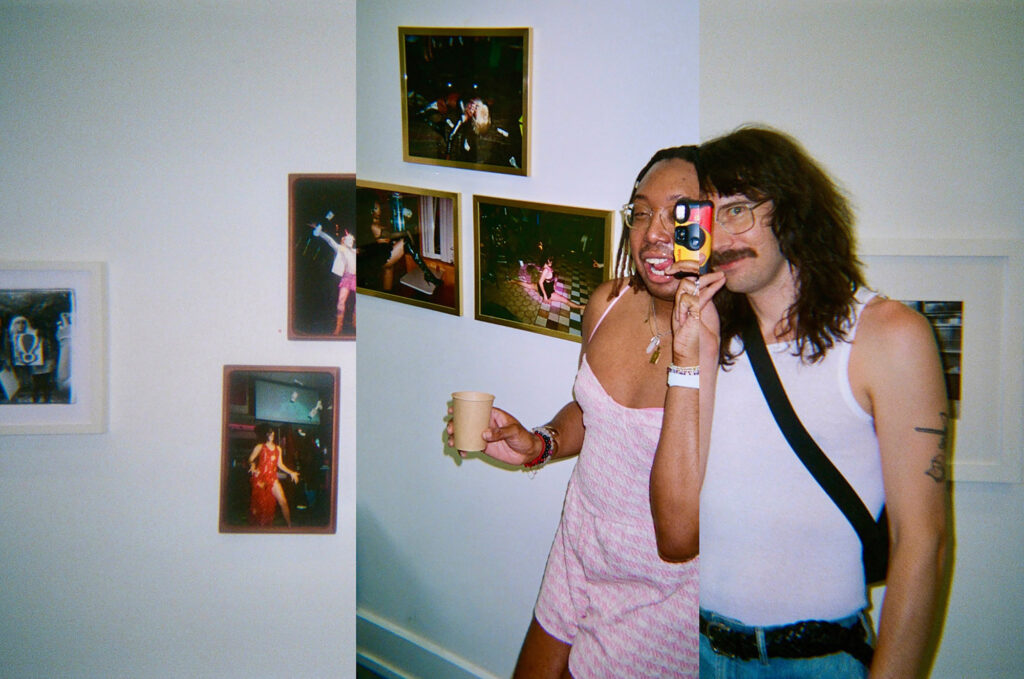
Searching for safe and welcoming spaces, sites that allow for free self-expression and enable lives beyond the margins, aligns not only with geo-political borders but often also across the divide between rural and urban contexts.

watch project »

林家夯 Lin jaihang

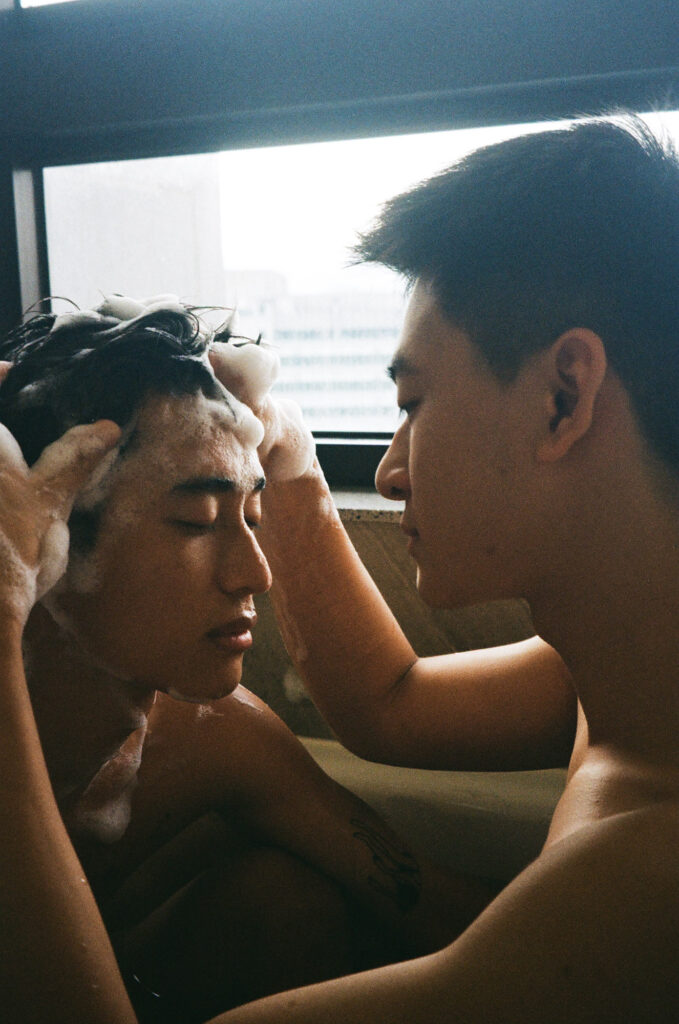
林家夯 Lin Jaihang shows a fragile interplay of familiarity, desire and care through gestures of physical closeness. His photographs are tender and playful, characterized by light, warmth, and intimacy. In a darkening present, they offer a perspective that reminds us of the possibility of beauty in closeness.

watch project »