Sergei Stroitelev

The Dreamers (Russian queer couples in migration) (2025), Cologne, Paderborn, Tbilisi, Batumi, Istanbul · Germany (perspectives: male · Russian Federation · based in Germany)

Jury Statement

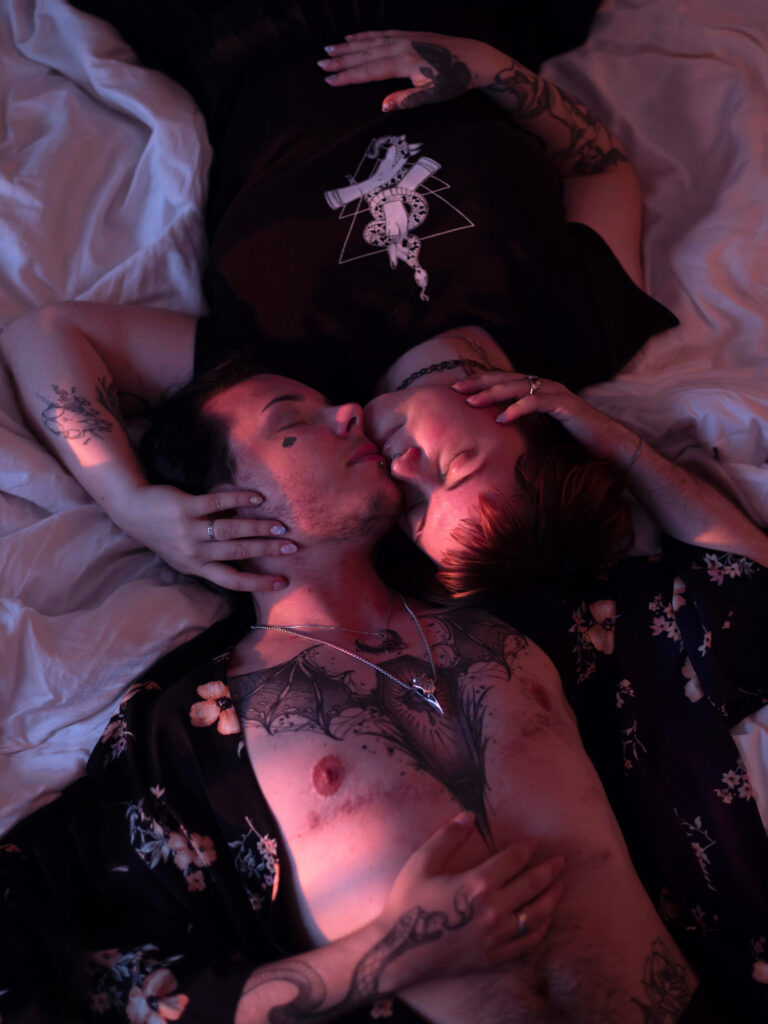
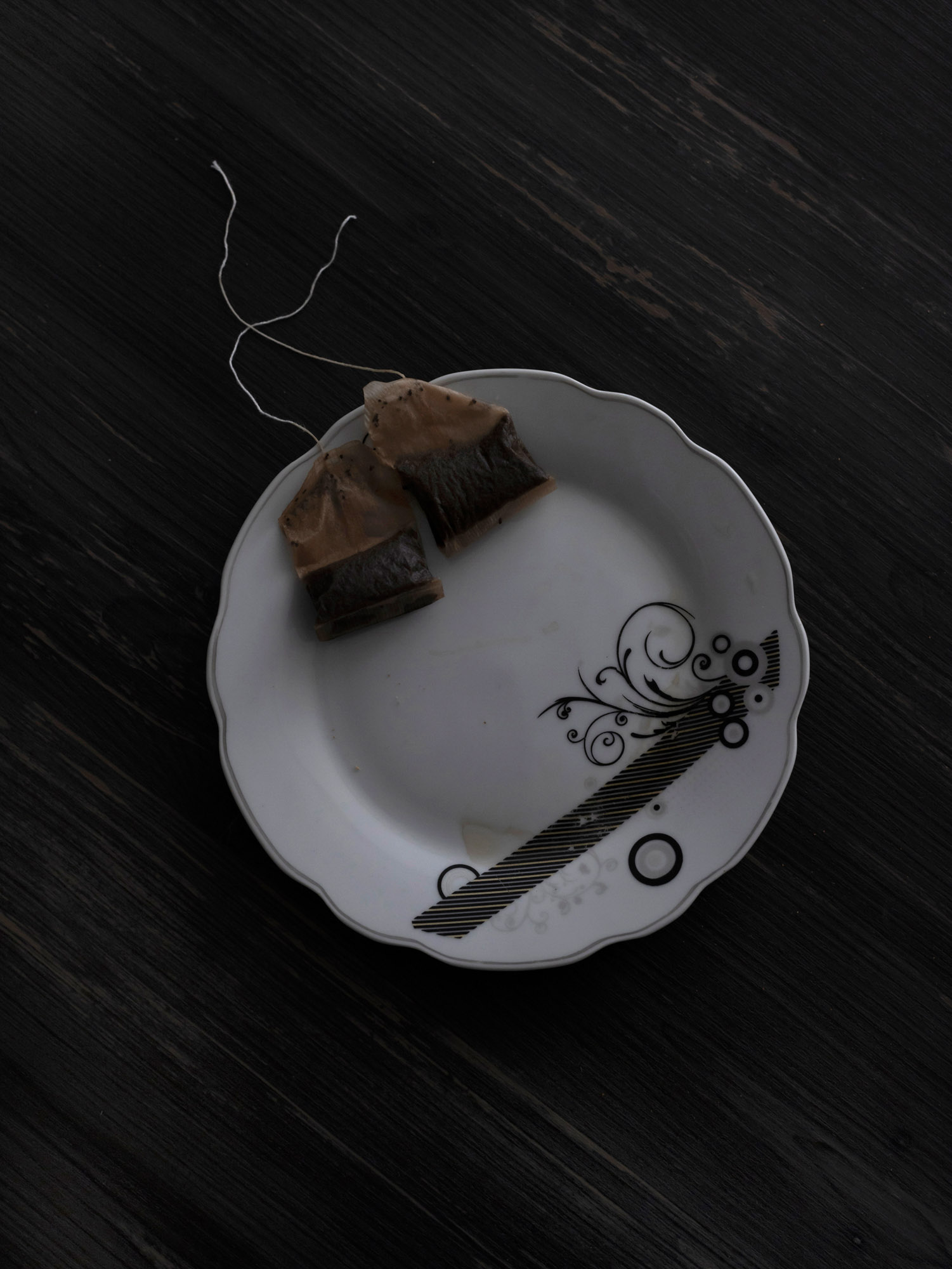
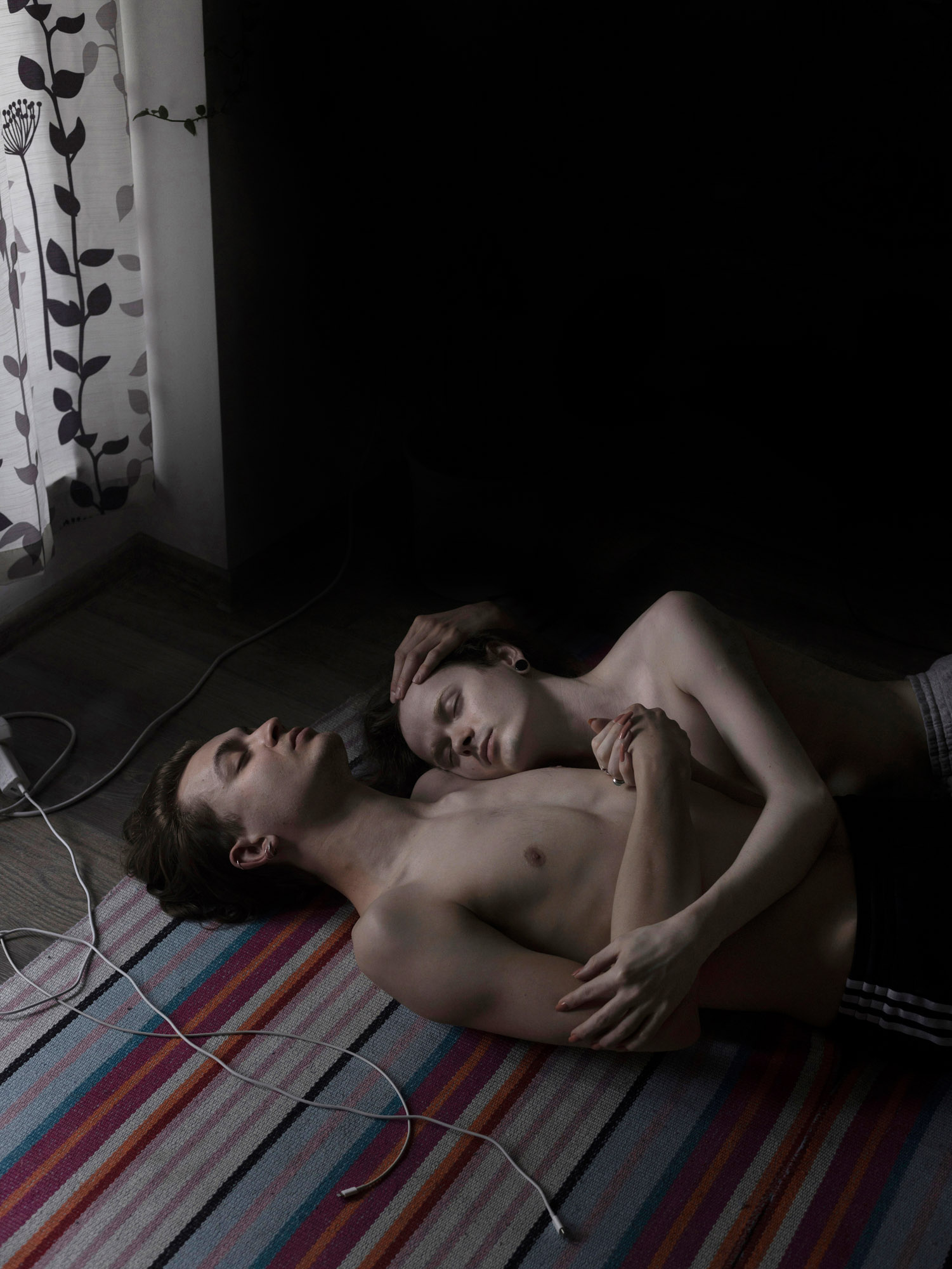
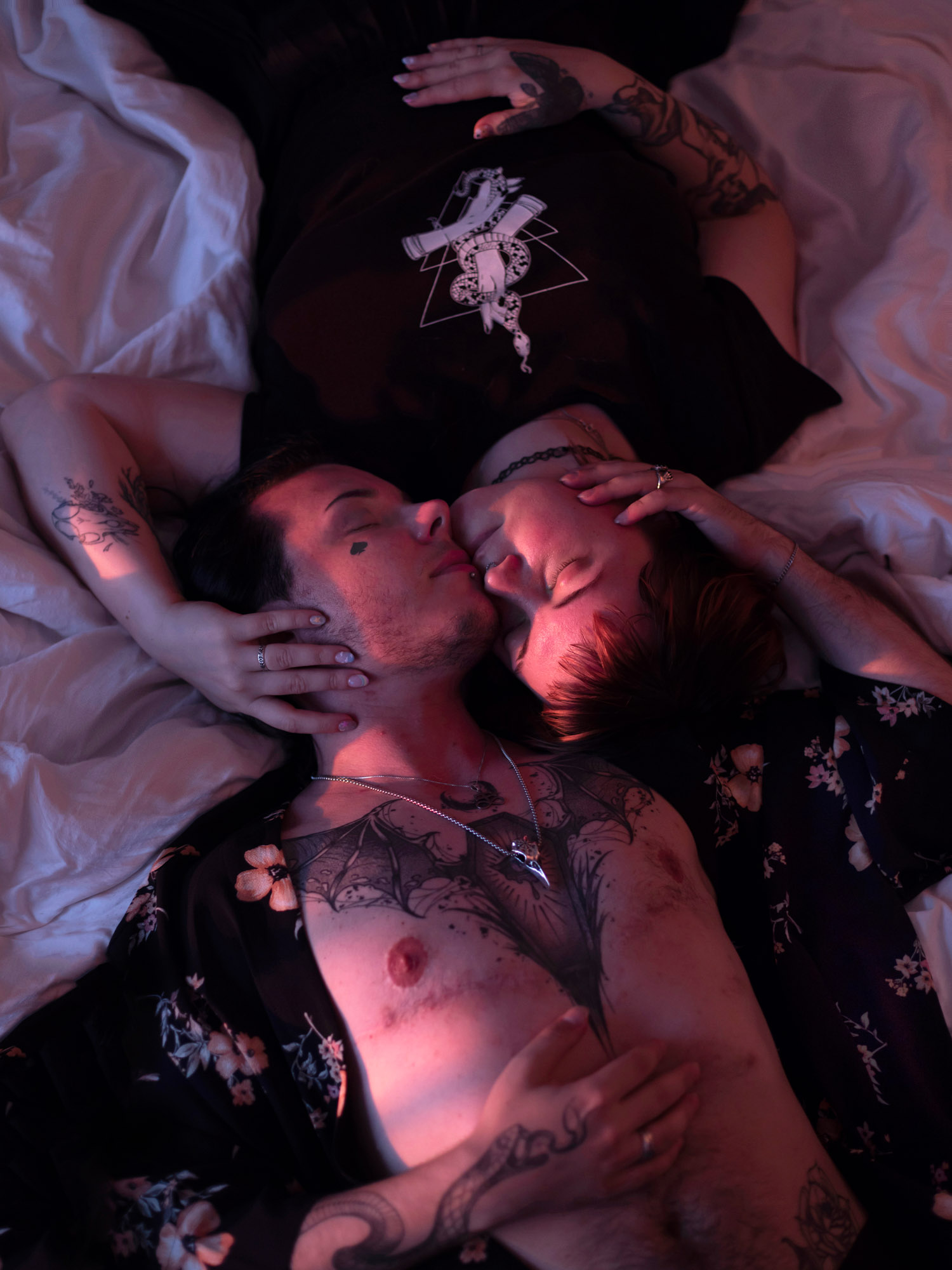
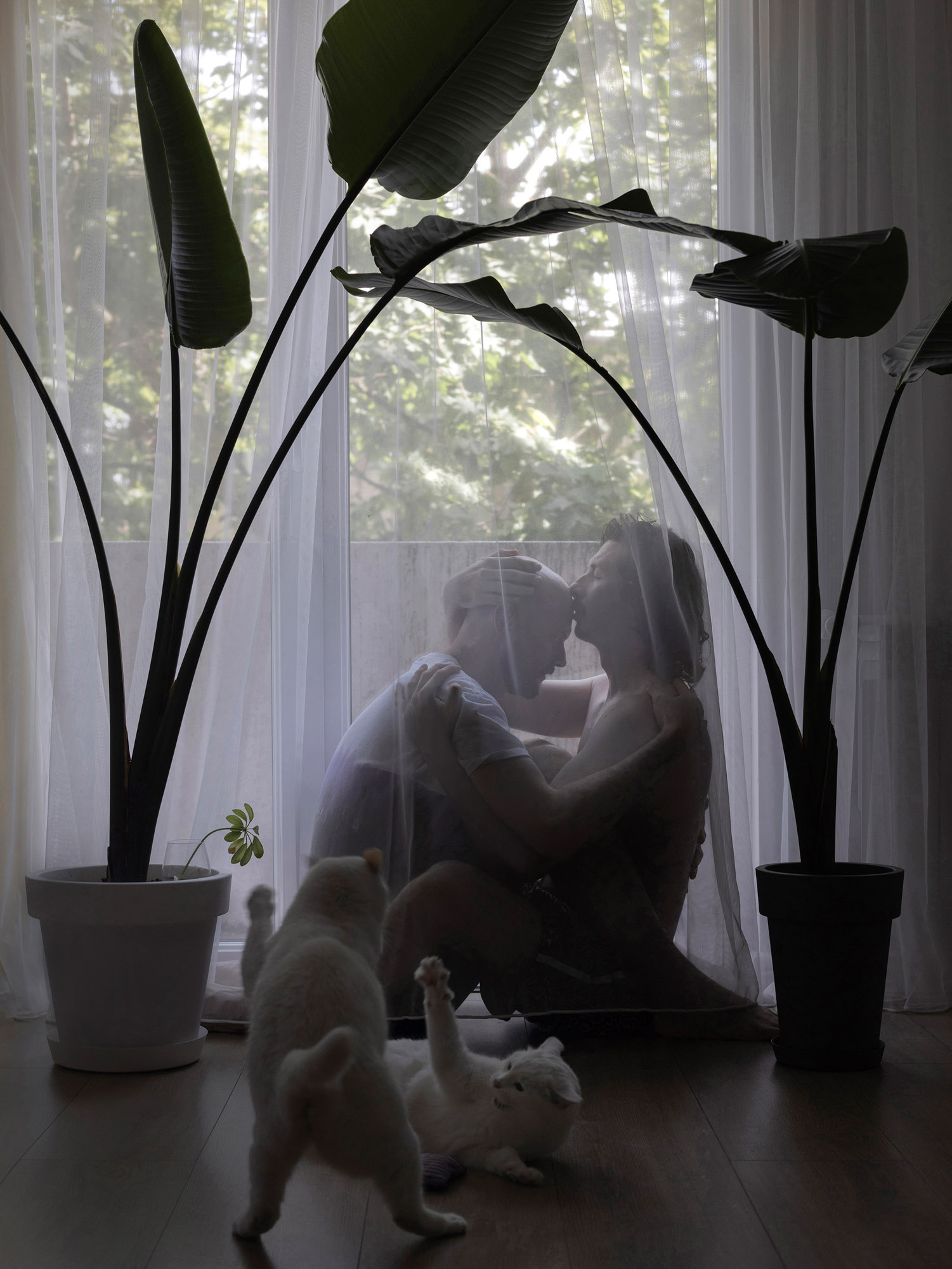
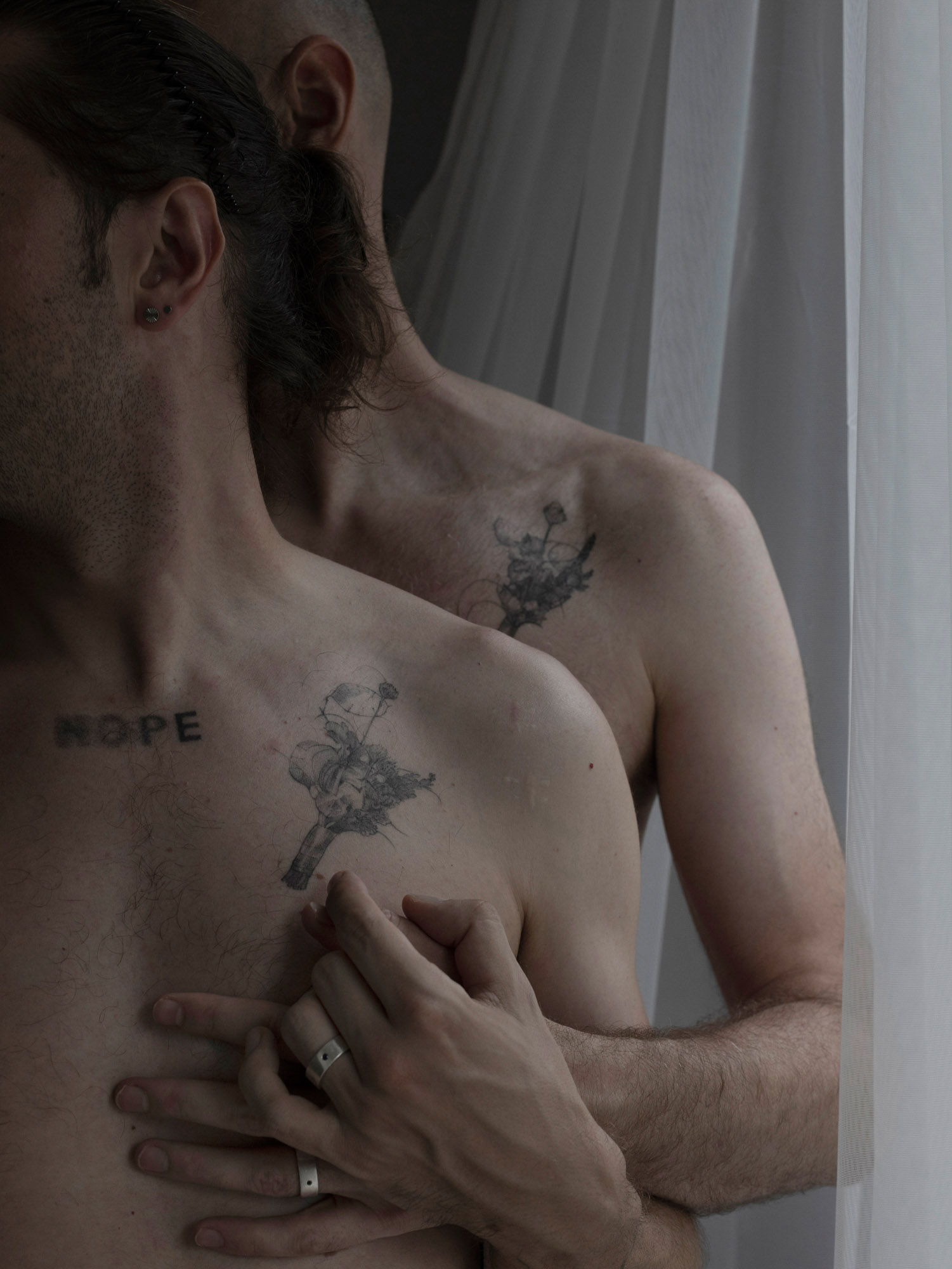
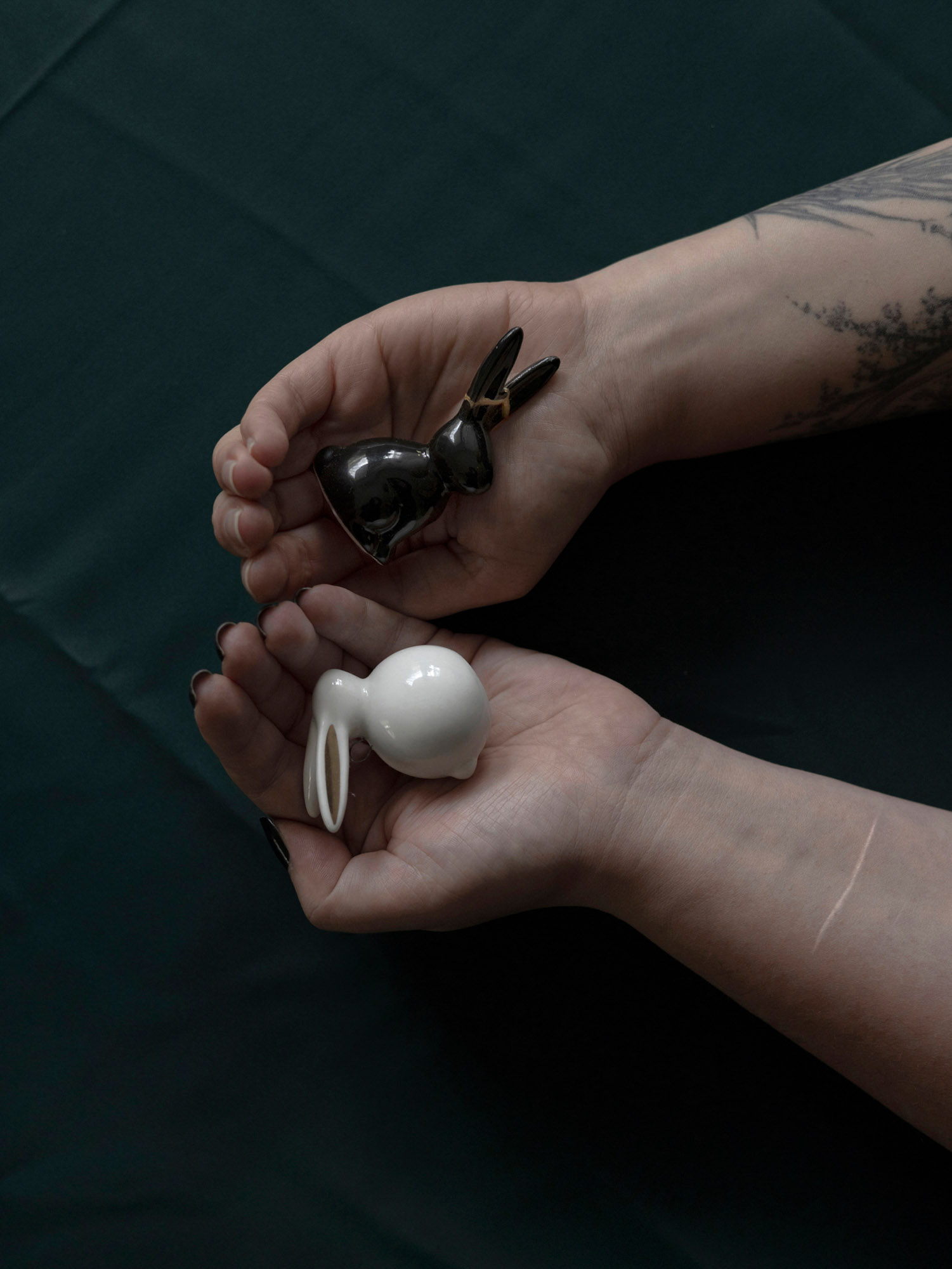
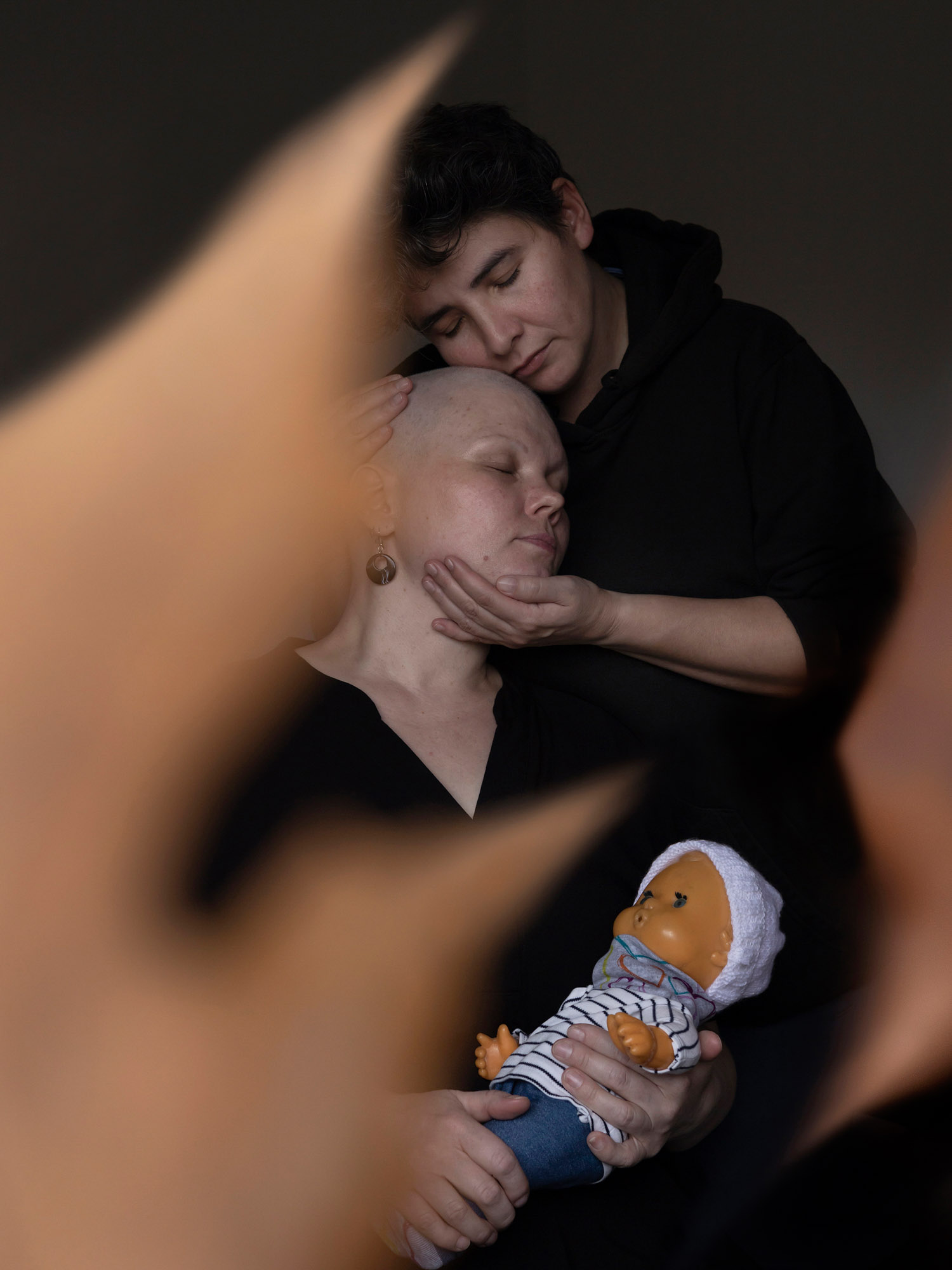
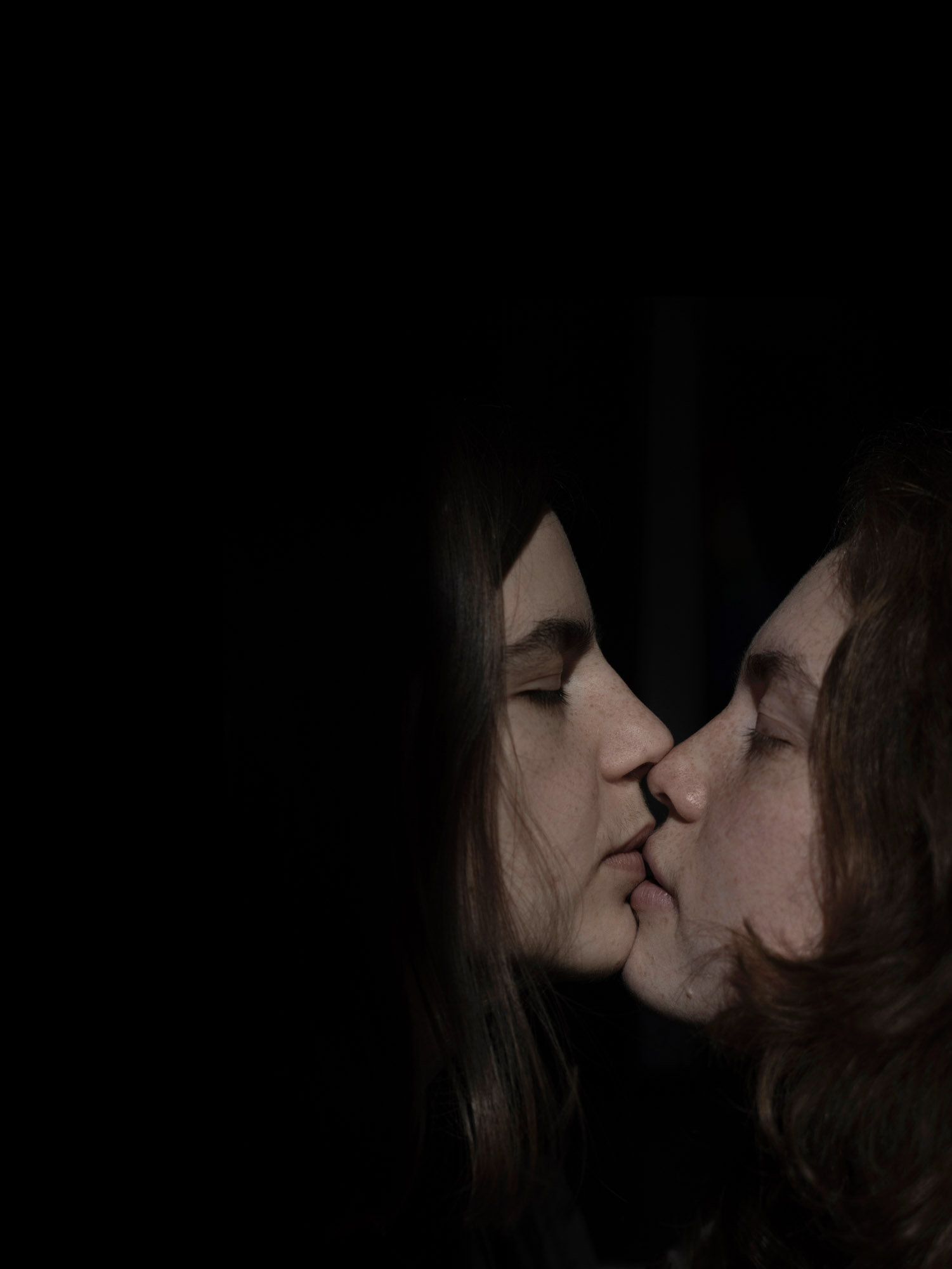
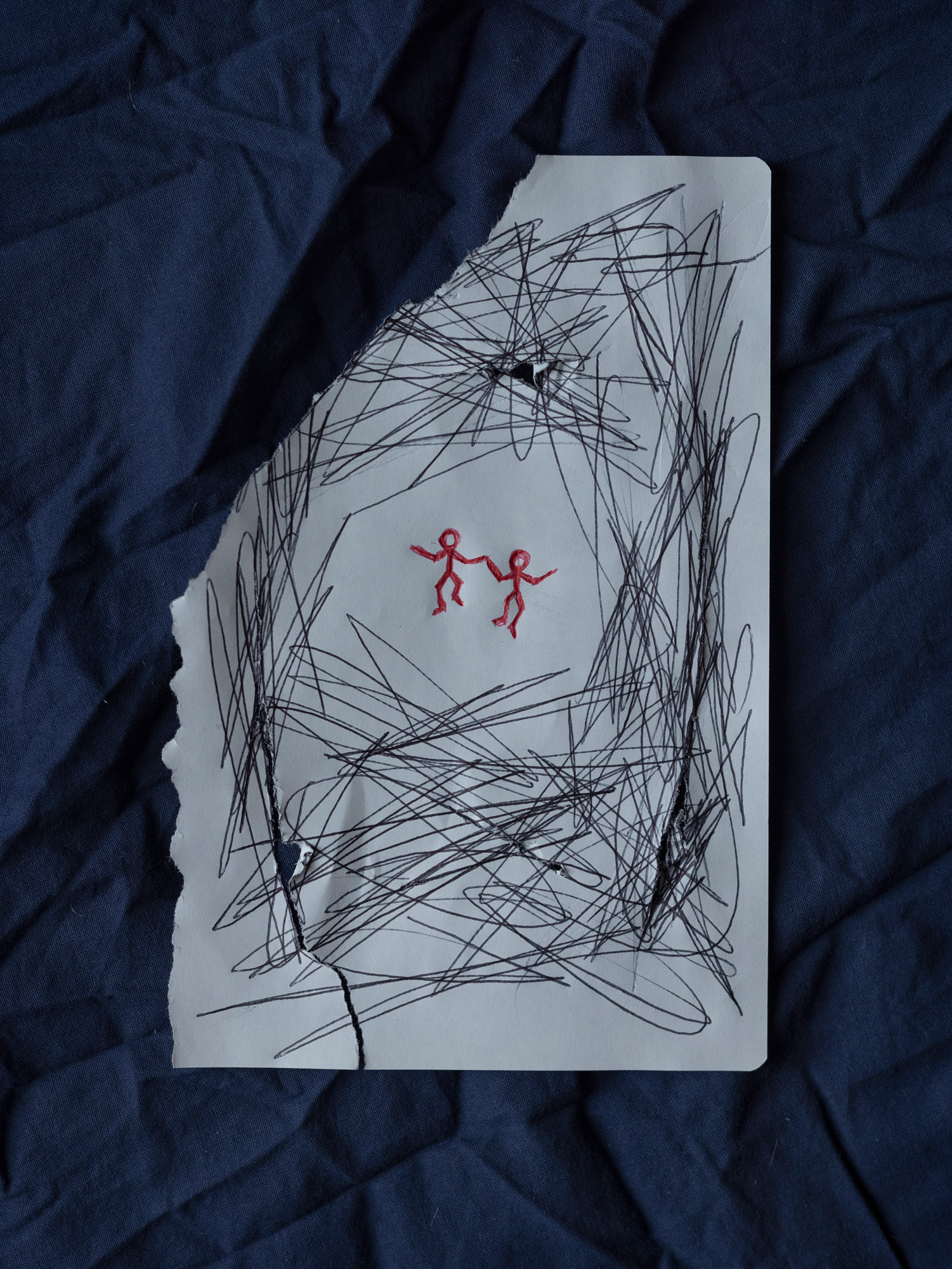
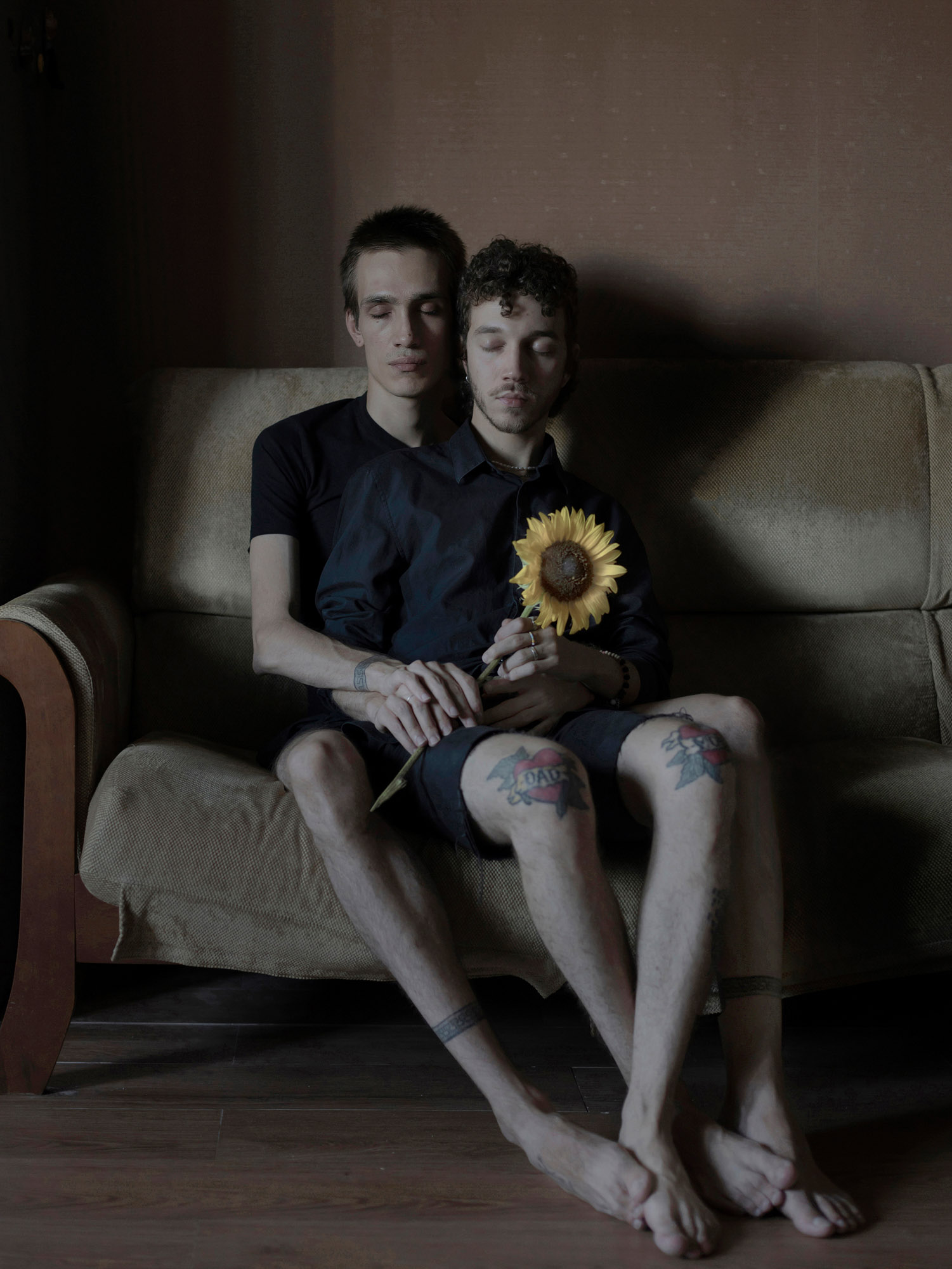
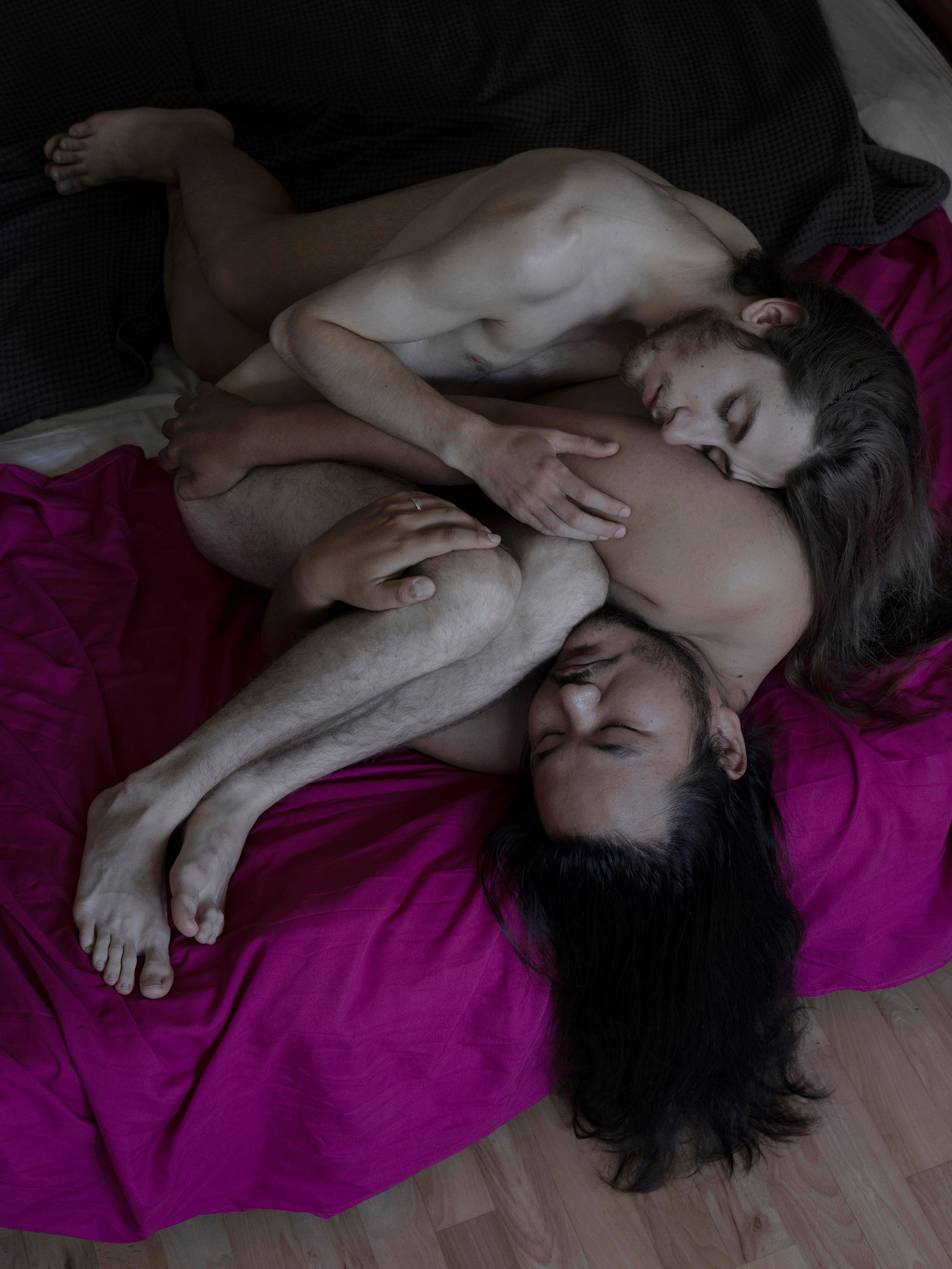
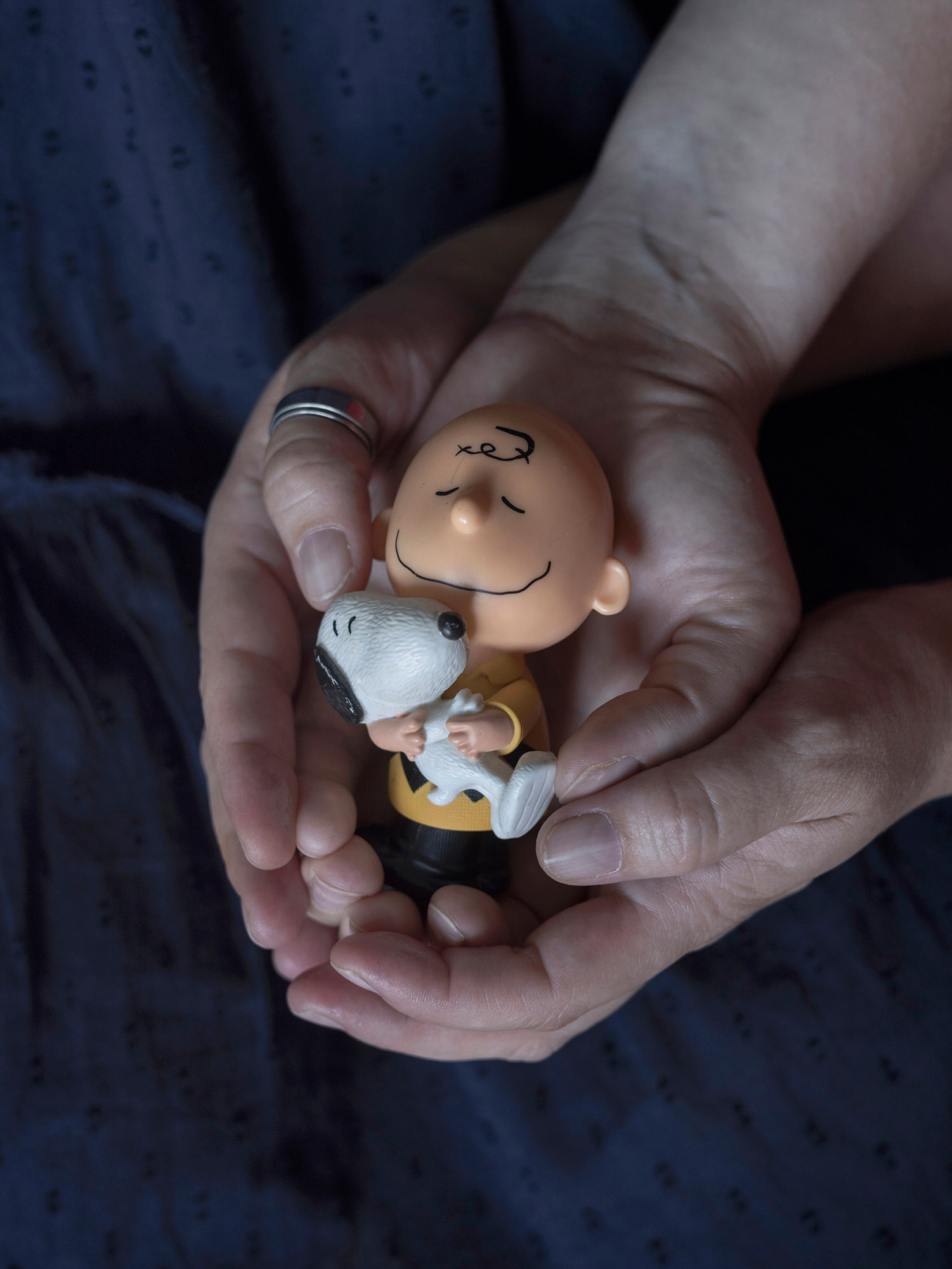
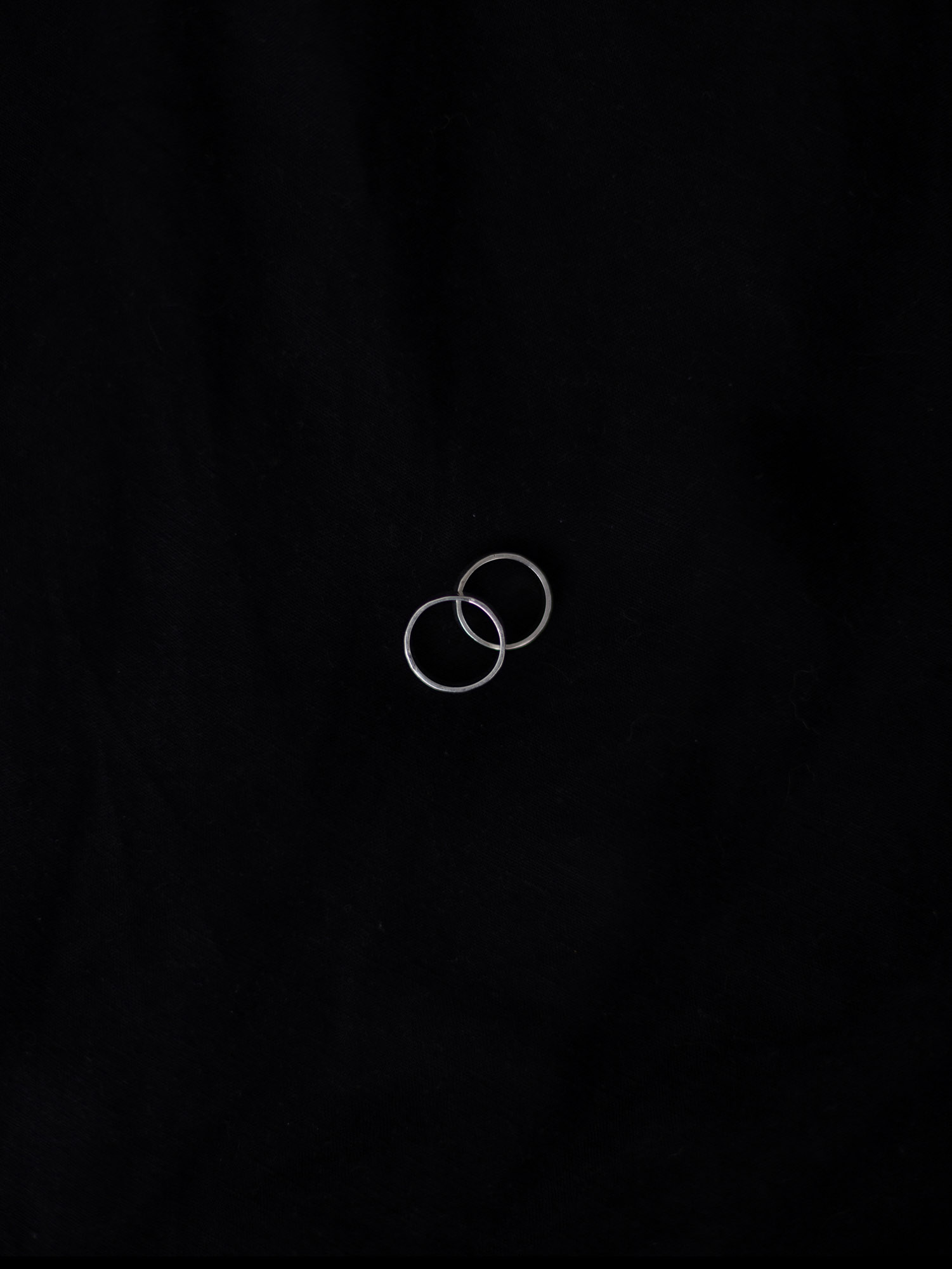
Sergei Stroitelev’s series is carried by cool, subdued tones and soft light. Interiors and carefully placed objects interact and become carriers of emotion. A sense of being held unfolds, located not only in interpersonal relationships but also in objects and letters that store and transmit memory. The works thus open up an expanded understanding of intimacy: as a web of relations between bodies and things in which care, loss and remembrance become materially tangible. Sergei Stroitelev’s gaze is close without being intrusive. He creates images that feel both bold and gentle, opening a space for shared, quiet yet powerful forms of connection.


The Dreamers

Between 2022 and 2025, in the context of the war in Ukraine, the Russian state increasingly constructed sexual minorities as internal “enemies.” After banning so-called “LGBTQIA+ propaganda,” introducing severe restrictions on transgender rights, and ultimately designating the LGBTQIA+ community as extremist, life for openly queer people in Russia became increasingly dangerous, leading many to leave the country. This portrait-based project depicts couples from the Russian LGBTQIA+ community who fled to countries such as Georgia, Turkey and across the EU. Developed collaboratively, the couples choose poses that reflect their shared psychological state, often described as being “in limbo”, between an interrupted past and an uncertain future. In this suspended condition, intimacy becomes both protection and survival. Couples hold each other closely or present objects taken from Russia as fragile anchors of memory and continuity. The portraits are taken with closed eyes, shifting attention inward, toward imagination as a space of possibility. The work reflects on love as refuge and endurance, asking how hope can persist within displacement, trauma, and the fractures of forced departure.


Biography 

Sergei Stroitelev is a Russian-born queer freelance photographer and visual artist based in Berlin, Germany. His practice engages with contemporary social conditions, using diverse visual languages to explore questions of identity, as well as the lived realities of minorities shaped by race, religion, gender, and sexual orientation. Their work also addresses the aftermath of conflict and natural disaster, alongside deeply personal photographic projects that reflect on inner struggles, memory, and family history. He has received numerous international awards, including honors from NPPA Best of Photojournalism, Bartur Photo Awards, Pictures of the Year International, Pictures of the Year Asia, Istanbul Photo Awards, and the Luis Valtueña Humanitarian Photography Award, among others. Following the outbreak of the war in Ukraine, they left Russia on March 4, 2022. Having worked with independent, non-state-controlled publications, He was compelled to leave due to increasing censorship and discriminatory legislation. He is currently based in Berlin, where he continues his artistic and documentary practice.

Jury Statement

Sergei Stroielevs Arbeit prägt eine kühle, Lichtstimmung. Interieurs und sorgfältig gesetzte Gegenstände ergänzen sich und werden zu emotionalen Trägern. Es entfaltet sich ein Gefühl des Gehaltenwerdens, das sich nicht ausschließlich im Zwischenmenschlichen verortet, sondern ebenso in Objekten und Briefen, die Erinnerung speichern und weitertragen. Die Arbeiten eröffnen damit einen erweiterten Begriff von Intimität: als ein Geflecht aus Beziehungen zwischen Körpern und Dingen, in der Zuwendung, Verlust und Erinnerung materiell erfahrbar werden. Sergei Stroielevs Blick ist dabei nah, ohne zu vereinnahmen, er schafft Bilder, die zugleich mutig und sanft wirken und einen Raum für geteilte, Stille aber starke Verbundenheit öffnen.


The Dreamers

Zwischen 2022 und 2025, im Kontext des Krieges in der Ukraine, konstruierte der russische Staat zunehmend sexuelle Minderheiten als „innere Feinde“. Nach dem Verbot sogenannter „LGBTQIA+-Propaganda“, der Einführung massiver Einschränkungen für transgeschlechtliche Personen und schließlich der Einstufung der LGBTQIA+-Community als extremistisch wurde das Leben für offen queere Menschen in Russland zunehmend gefährlich, sodass viele zur Flucht gezwungen waren. Dieses porträtbasierte Projekt zeigt Paare aus der russischen LGBTQIA+-Community, die in Länder wie Georgien, die Türkei und verschiedene EU-Staaten geflohen sind. Die Arbeiten entstehen kollaborativ: Die Paare wählen Posen, die ihren gemeinsamen psychischen Zustand widerspiegeln, der häufig als „in der Schwebe“ beschrieben wird, zwischen einer unterbrochenen Vergangenheit und einer ungewissen Zukunft. In diesem Zustand der Suspension wird Intimität zugleich zu Schutz und Überlebensstrategie. Die Paare halten sich eng umschlungen oder zeigen Objekte, die sie aus Russland mitgenommen haben, als fragile Anker von Erinnerung und Kontinuität. Die Porträts entstehen mit geschlossenen Augen und verschieben den Blick nach innen, hin zu einer Imagination als Möglichkeitsraum. Die Arbeit reflektiert Liebe als Zuflucht und Form des Aushaltens und fragt, wie Hoffnung innerhalb von Vertreibung, Trauma und den Brüchen erzwungener Migration bestehen kann.


Biografie

Sergei Stroitelev ist ein in Russland geborener queerer freischaffender Fotograf und bildender Künstler mit Sitz in Berlin. Seine Praxis setzt sich mit gegenwärtigen gesellschaftlichen Bedingungen auseinander und nutzt unterschiedliche visuelle Sprachen, um Fragen von Identität sowie die Lebensrealitäten marginalisierter Gruppen in Bezug auf Rassifizierung, Religion, Geschlecht und sexuelle Orientierung zu untersuchen. Darüber hinaus beschäftigt er sich mit den Auswirkungen von Konflikten und Naturkatastrophen sowie mit sehr persönlichen fotografischen Arbeiten, die innere Konflikte, Erinnerung und Familiengeschichte reflektieren. Er wurde mit zahlreichen internationalen Auszeichnungen geehrt, darunter Preise von NPPA Best of Photojournalism, Bartur Photo Awards, Pictures of the Year International, Pictures of the Year Asia, Istanbul Photo Awards sowie dem Luis Valtueña Humanitarian Photography Award, unter anderem. Nach Beginn des Krieges in der Ukraine verließ er am 4. März 2022 Russland. Da er für unabhängige, nicht staatlich kontrollierte Medien gearbeitet hatte, war ein Verbleib im Land aufgrund zunehmender Zensur und diskriminierender Gesetzgebung nicht mehr sicher. Derzeit lebt und arbeitet er in Berlin.


Hannah Cauhépé

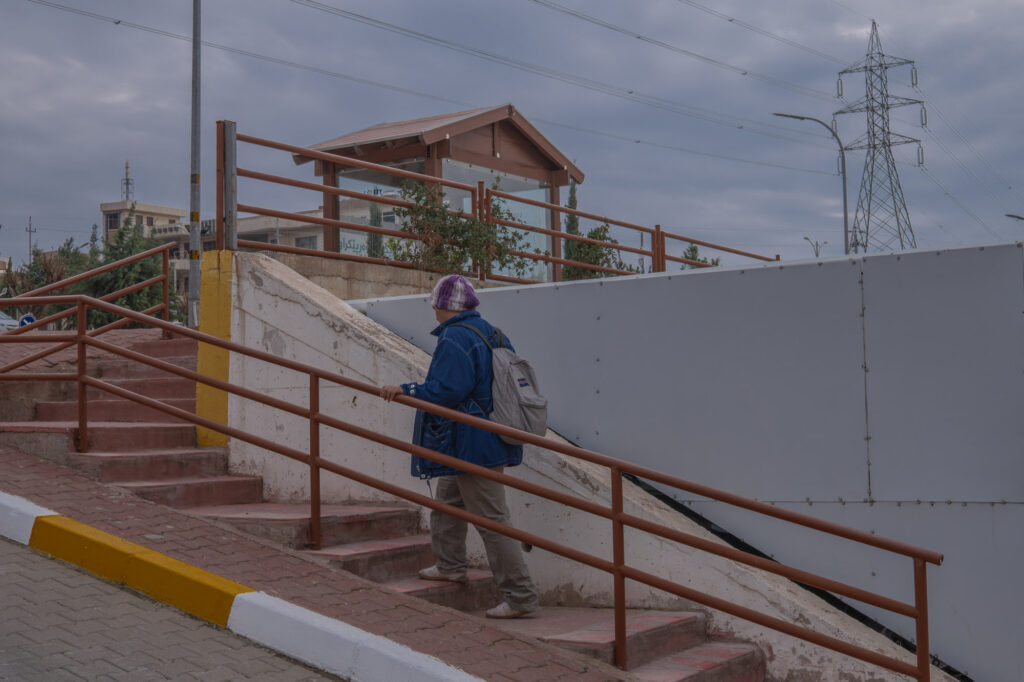
“Hors-Jeu” is a French pun on the offside rule in football, literally “out of the game”, paired with a Turkish phrase meaning “queer people are everywhere.” This juxtaposition reflects the paradox at its core: queer communities in Turkey are systematically pushed to the margins, yet remain present across all social and geographic spaces.
watch project »

Hana Ibrahim

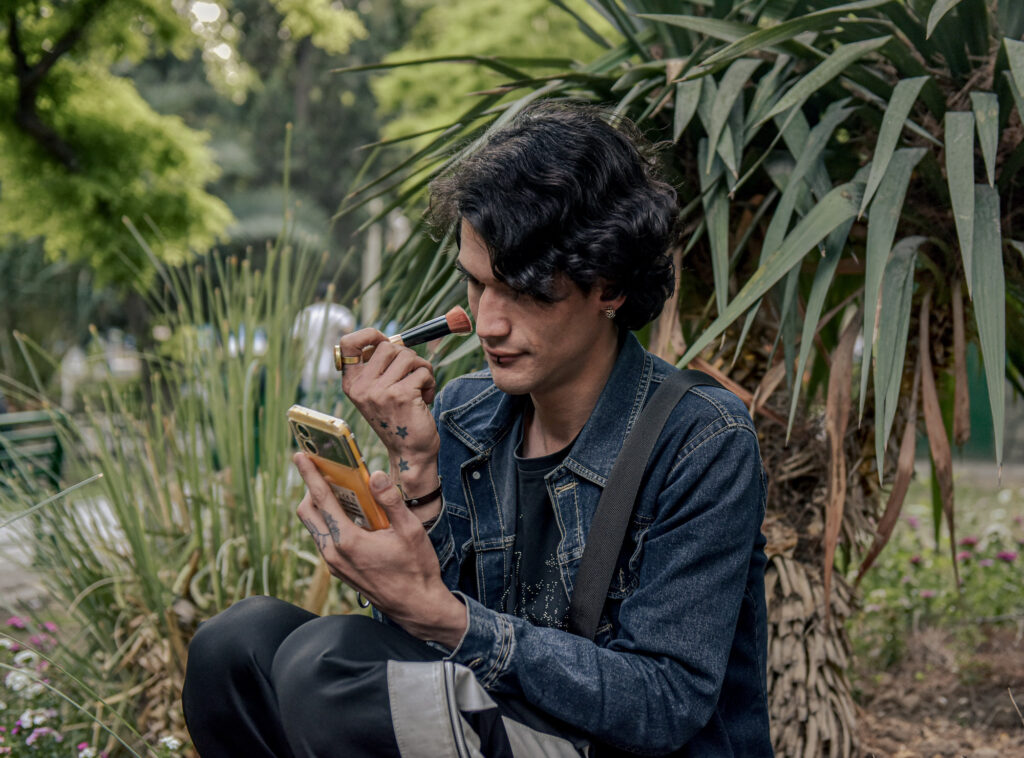
The project follows Betty, who lives between concealment and emergence, navigating a reality shaped by transition, fear, and survival. These objects do not appear as incidental props, but as carriers of meaning, material condensations of self-assurance, protection and inner orientation.

watch project »

Lindsay Perryman

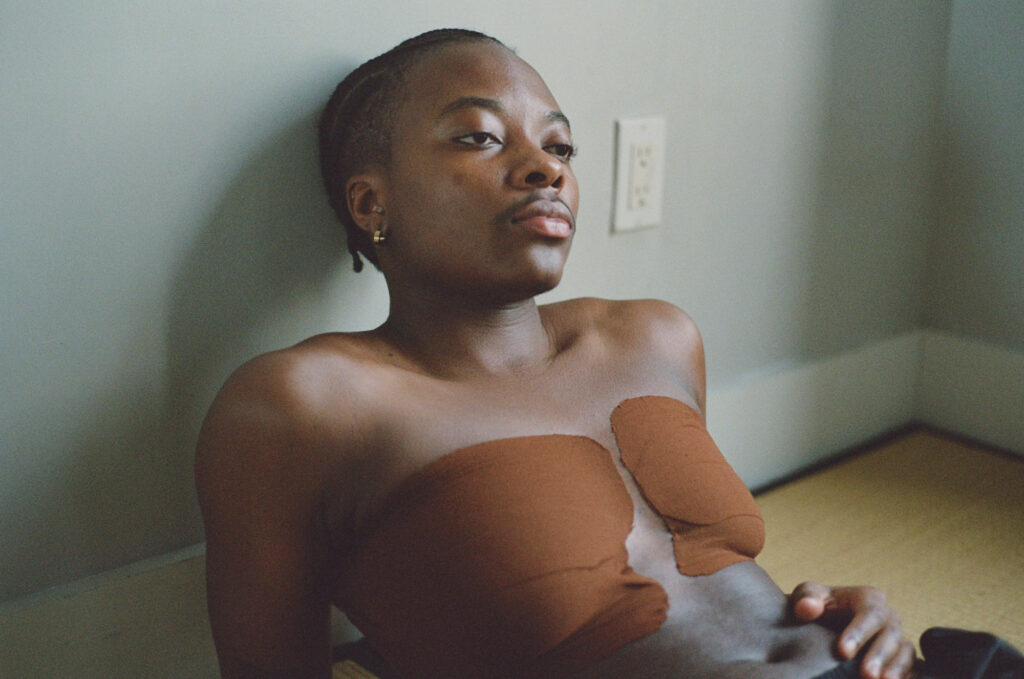
TOPS explores the vulnerability inherent in processes of bodily and subjective transformation, focusing on individuals who have undergone top surgery. Through a combination of group and individual portraits, as well as interior settings, the work traces moments of transition in which identity is continuously unraveling and re-forming.

watch project »

Ciaran Inns

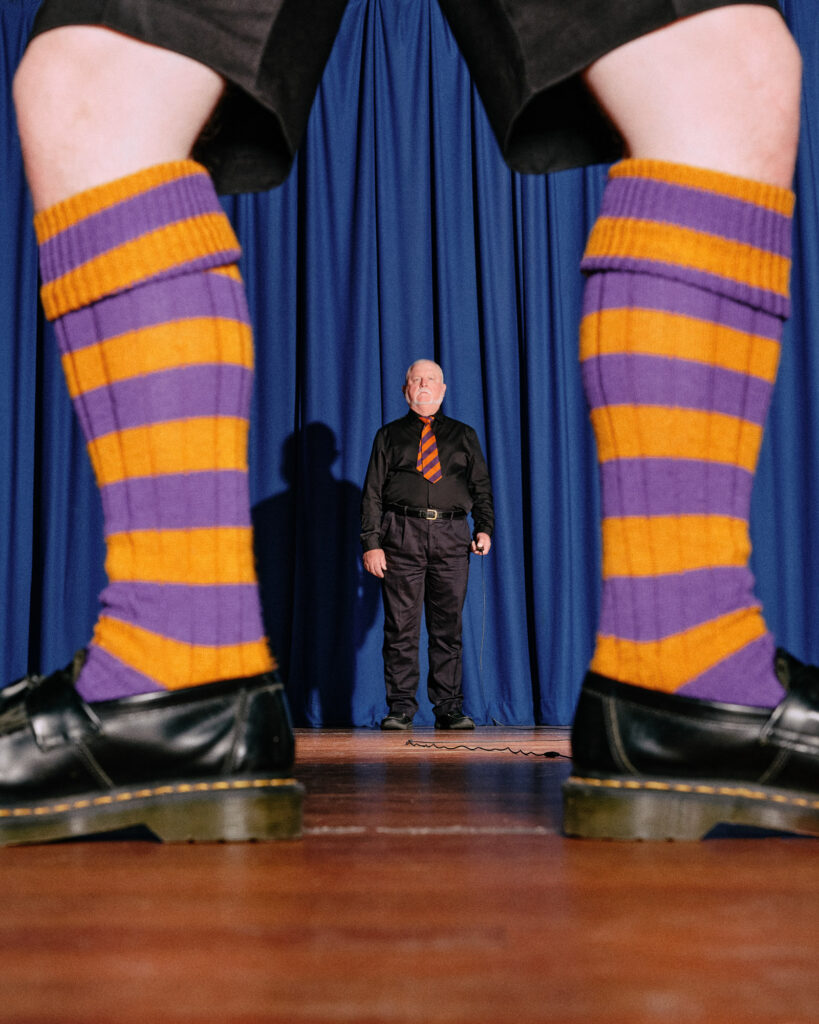
Is He Family? is a collaborative body of work created with Neil, the artist’s former drama teacher and now friend. The project takes its title from coded language once used within queer communities, where phrases such as “are they family?” functioned as signals of recognition, safety, and solidarity in contexts where openly queer existence carried risk.

watch project »

Alexandra Obochi

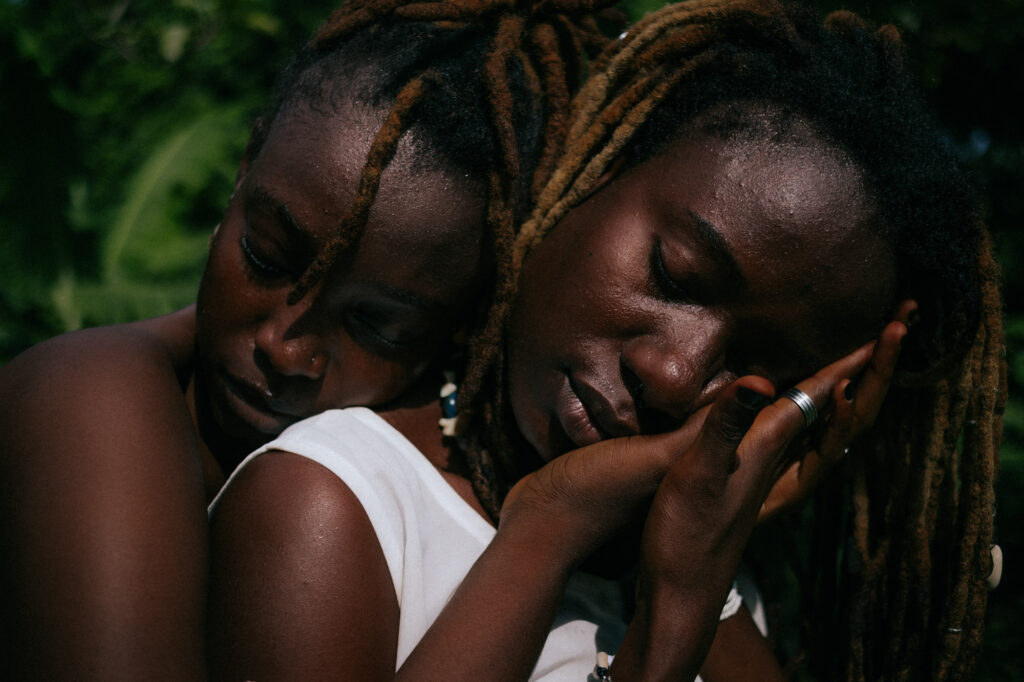
Held by Each other: Community care and Queer Survival in Nigeria reflects many different forms of holding each other, rooted in Nigeria but also transcending geographically and culturally constrained spaces. It speaks to a search for sanctuary, for closeness in distance and for a sense of family within diverse constellations, universal longings that take shape as different forms of a warm embrace.

watch project »

Ali Mahini

What has become of the people portrayed in Ali Mahini’s series Prince of Persia in the months since encountering the work, whether they are still alive, remains unknown. Nor do we know the current state of the park that served as their place of gathering. Concrete information from within and about Iran is, at present, scarcely accessible.

watch project »

Luca Gaetano Pira

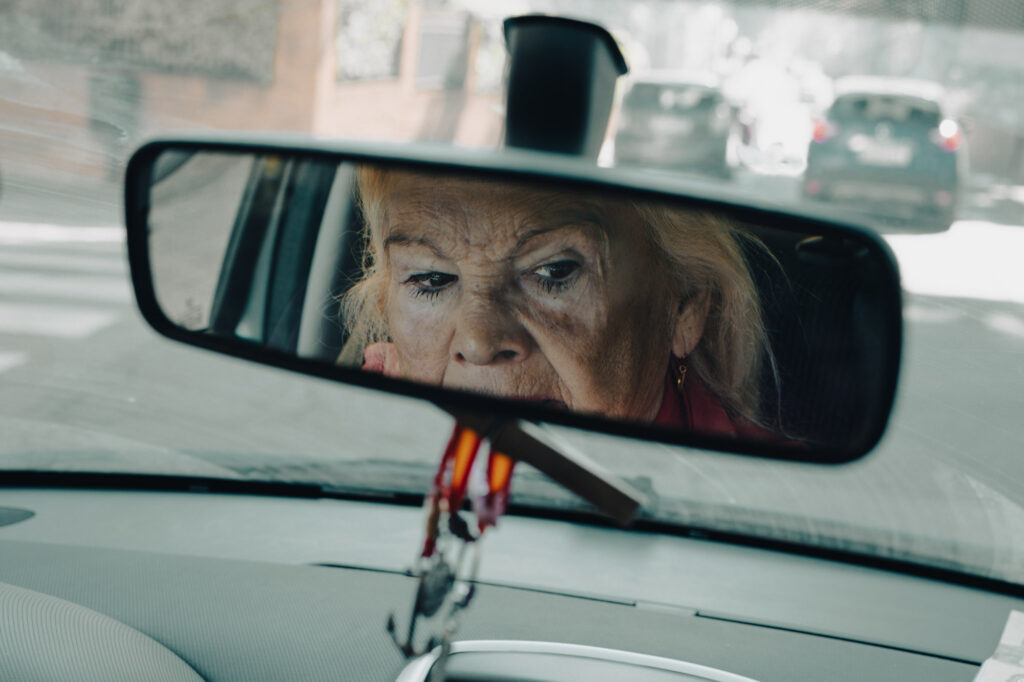
We are deeply moved by Tania Navarro’s story, as well as by the strength, resilience and joy of life reflected in the eyes captured by Luca Gaetano Pira in his documentary series.

watch project »

Sergei Stroitelev

Sergei Stroitelev’s series is carried by cool, subdued tones and soft light. Interiors and carefully placed objects interact and become carriers of emotion. A sense of being held unfolds, located not only in interpersonal relationships but also in objects and letters that store and transmit memory.

watch project »

Bienyl Huelgas

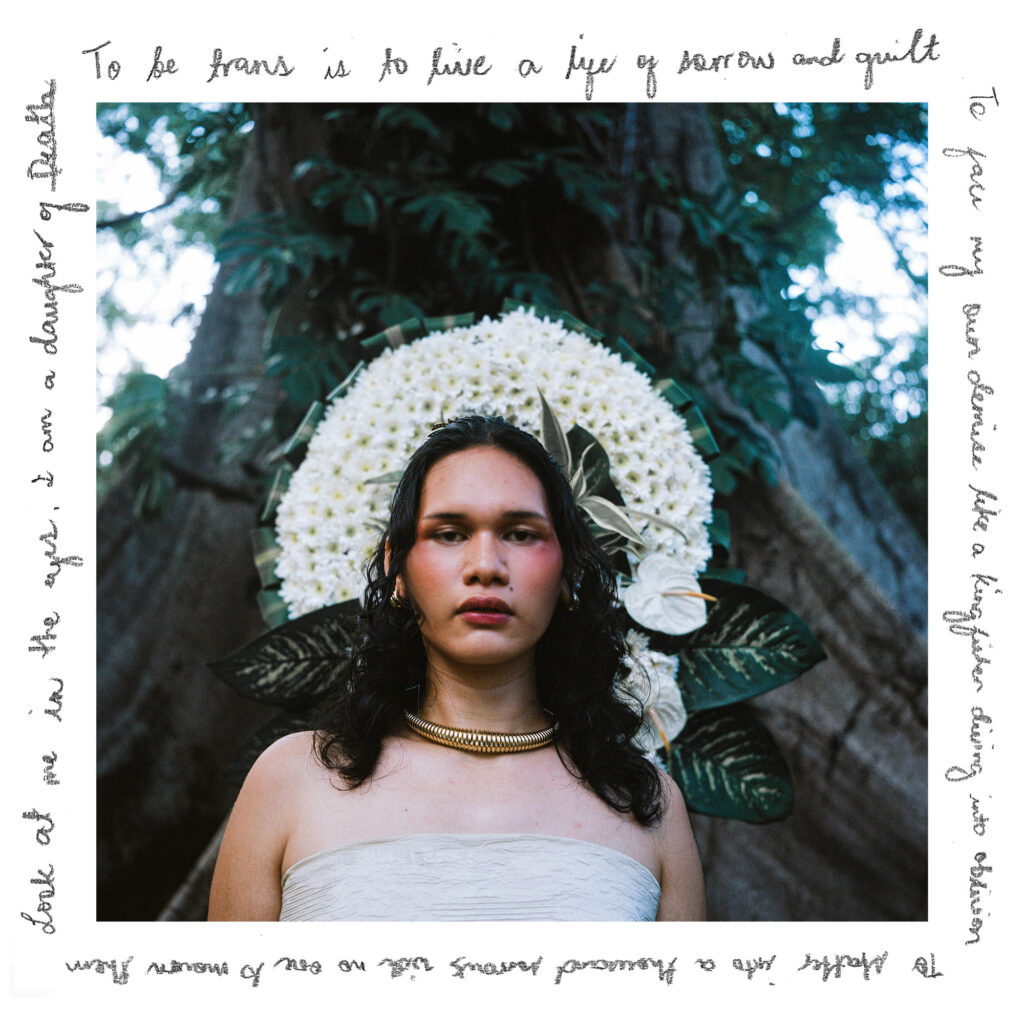
Bienyl Huelgas shows a poetic visual language of mythic imagery and written thought, presenting the notion of holding each other not only between individuals but as a collective structure: a shared carrying of pain, memory and desire within a community that stabilizes itself.

watch project »

Léa Fiterman

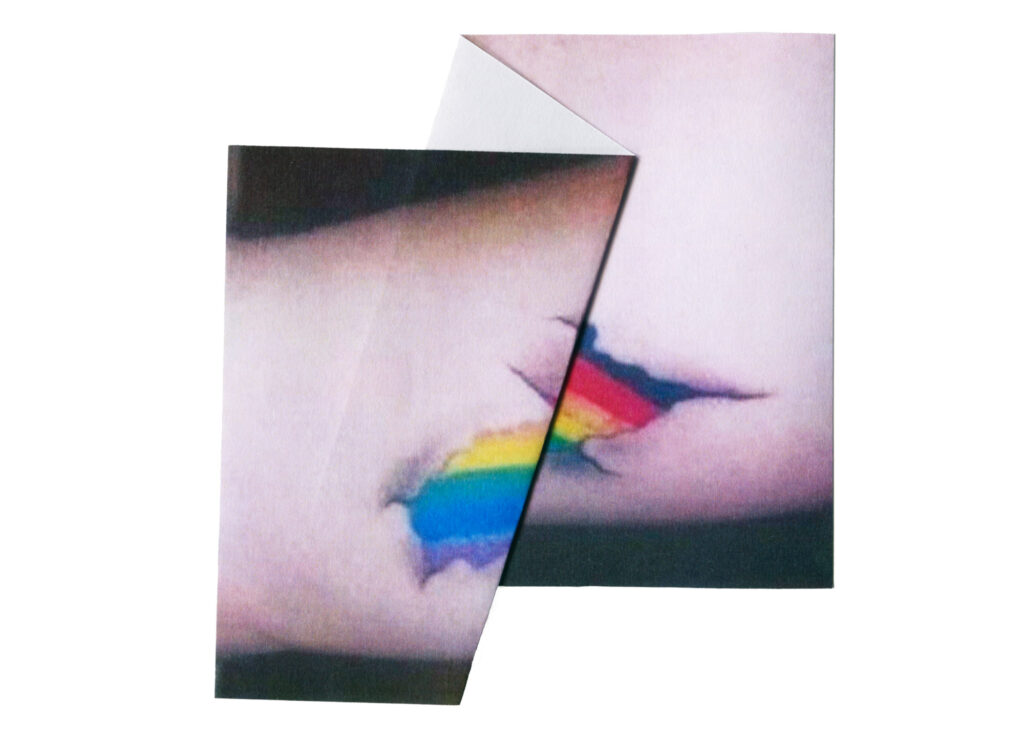
In moments of crisis, censorship and systematic erasure, the need for support becomes all the more urgent. Léa Fiterman develops a precise yet poetic visual language in response, in which formal restraint and tactile interventions play a central role.

watch project »

Frances Marshall

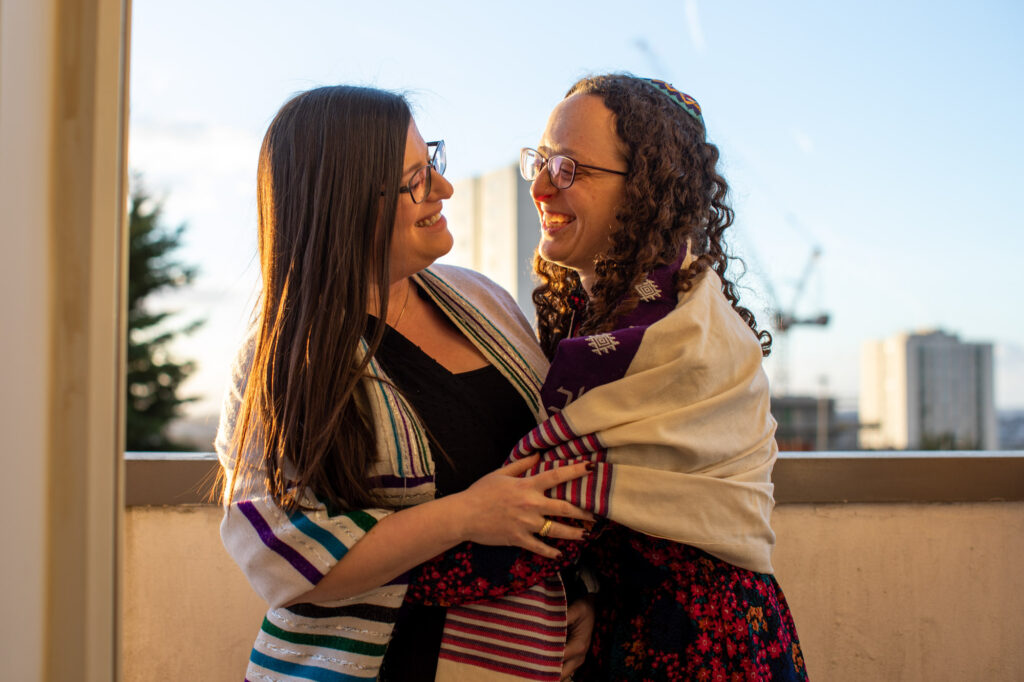
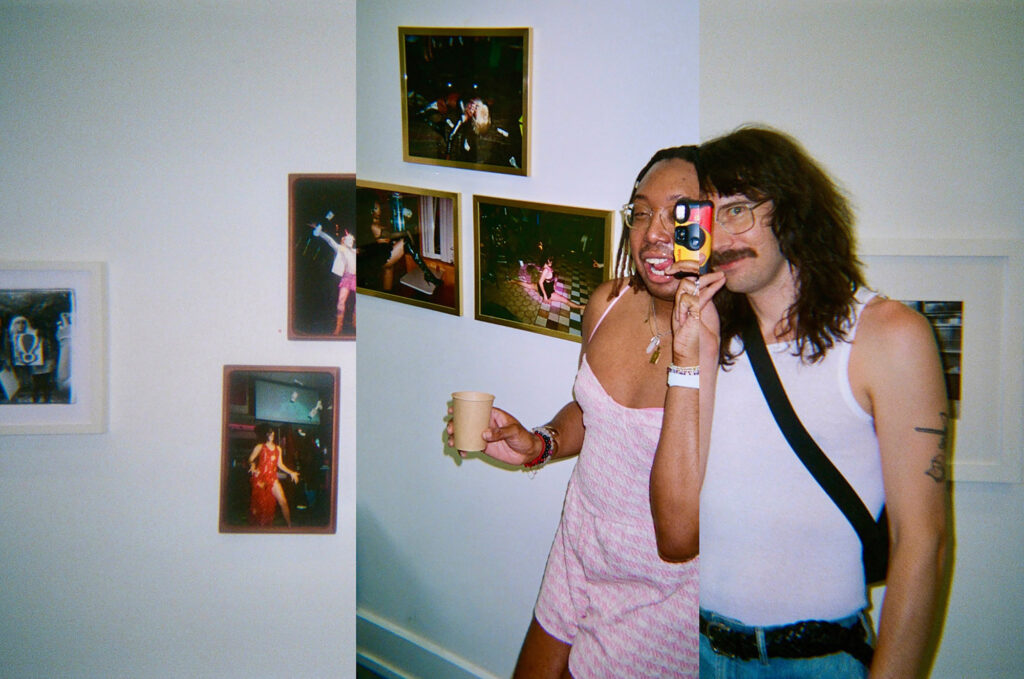
Duet is an ongoing collaboration between the two artists Zac Thompson and JuJu rooted in film photography and performance, shaped by shared experiences of growing up in religious, evangelical environments.

watch project »

Zac Thompson and JuJu Lee

Searching for safe and welcoming spaces, sites that allow for free self-expression and enable lives beyond the margins, aligns not only with geo-political borders but often also across the divide between rural and urban contexts.

watch project »

林家夯 Lin jaihang

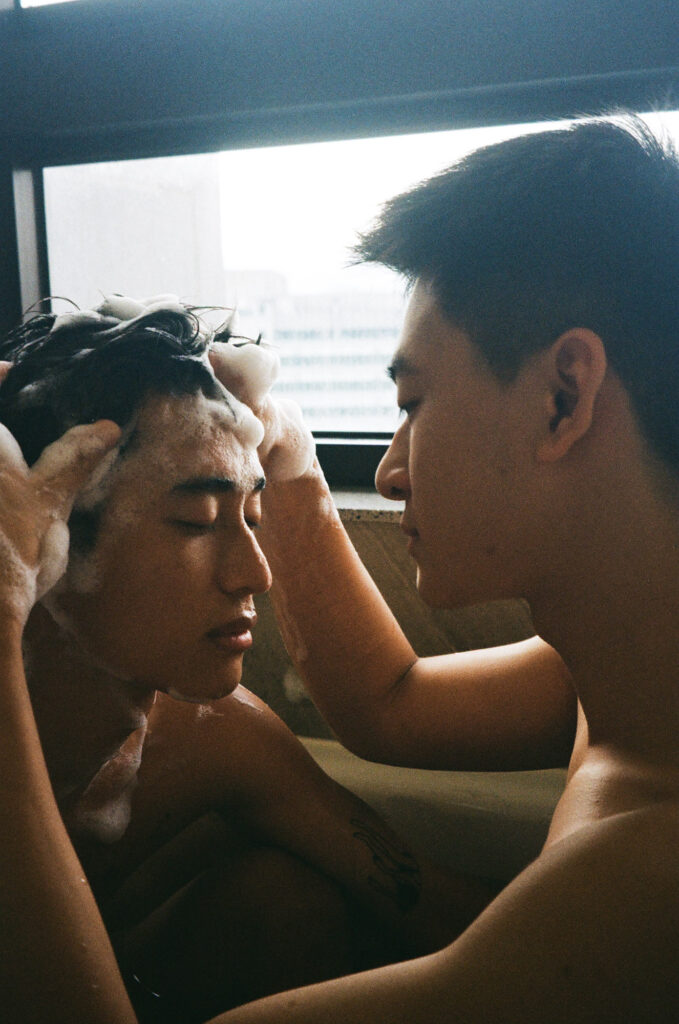
林家夯 Lin Jaihang shows a fragile interplay of familiarity, desire and care through gestures of physical closeness. His photographs are tender and playful, characterized by light, warmth, and intimacy. In a darkening present, they offer a perspective that reminds us of the possibility of beauty in closeness.

watch project »