Hana Ibrahim

Betty’s (2019), Sulaymaniyah, Kurdistan Iraq (perspectives: other, Iraq)

Jury Statement

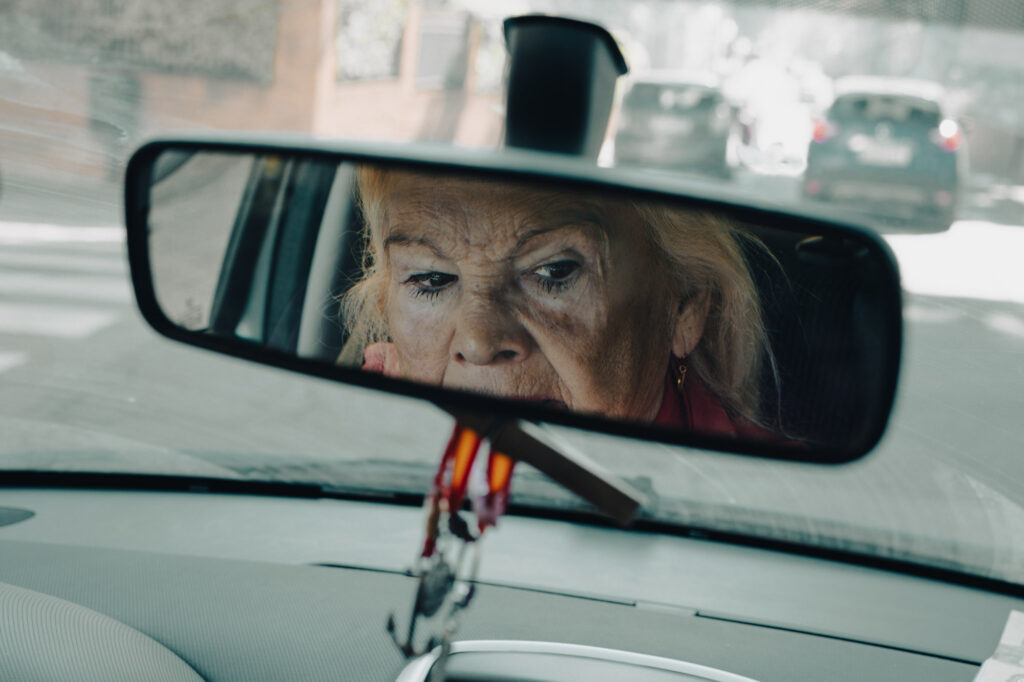
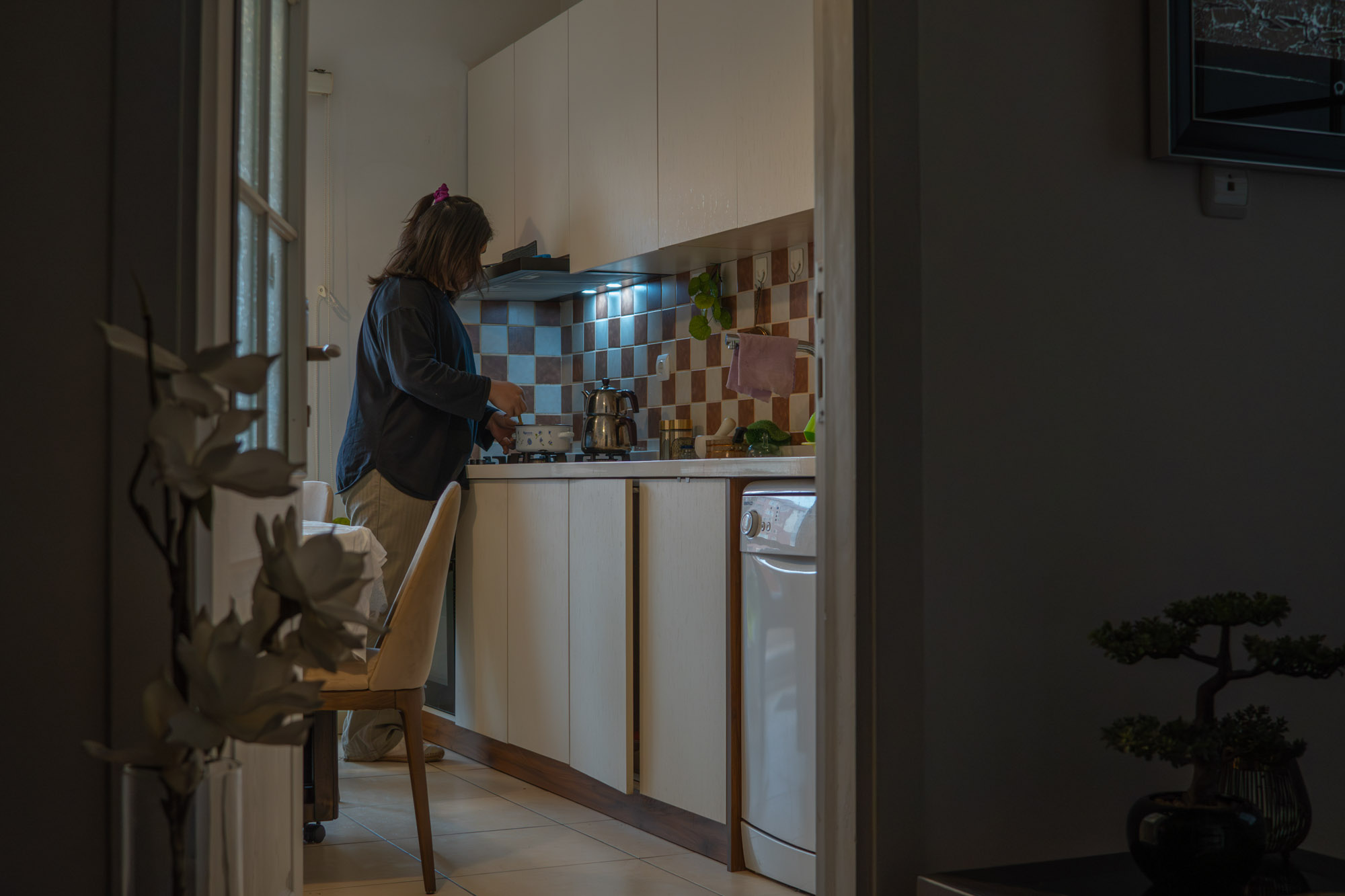
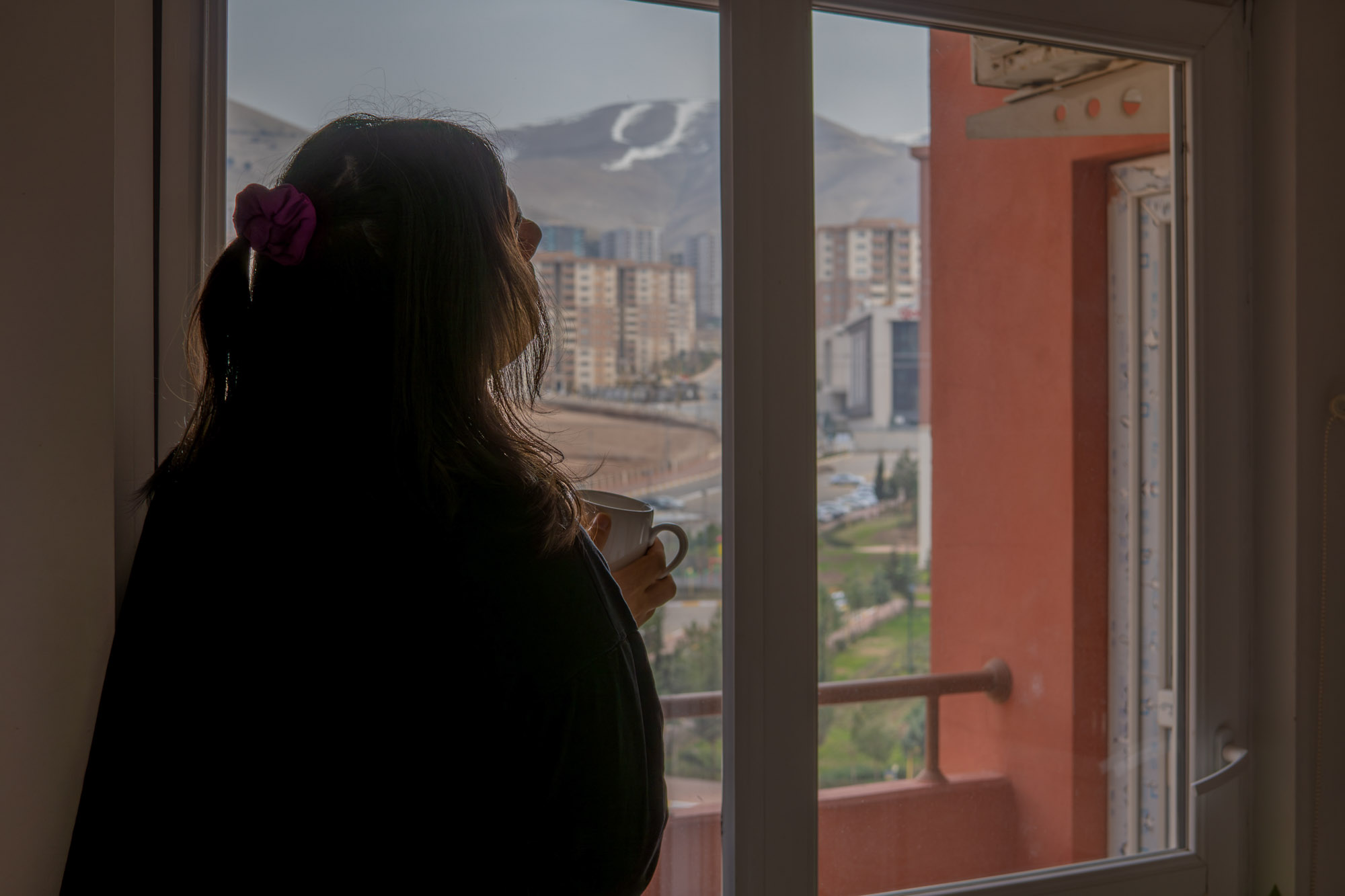
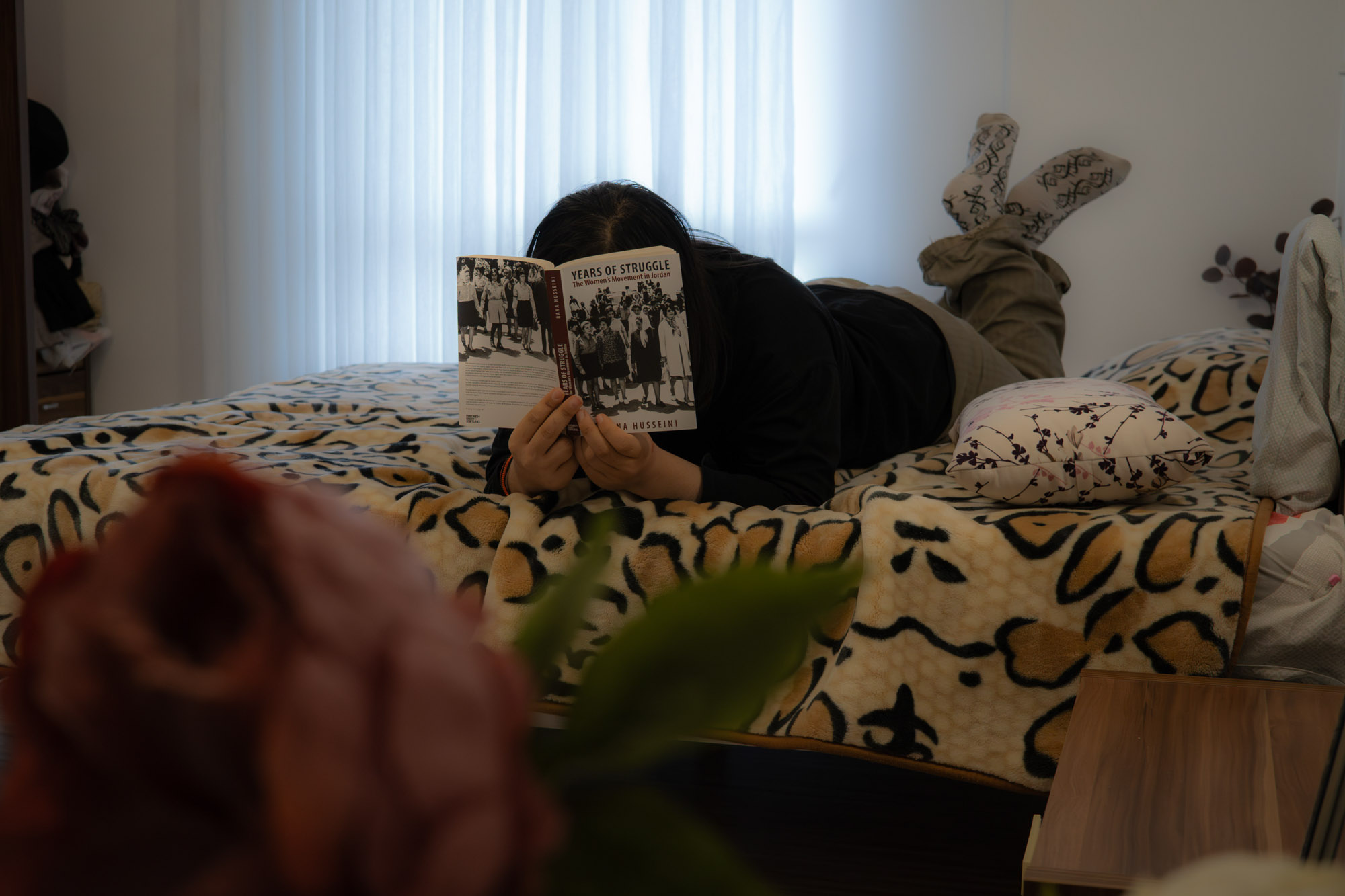
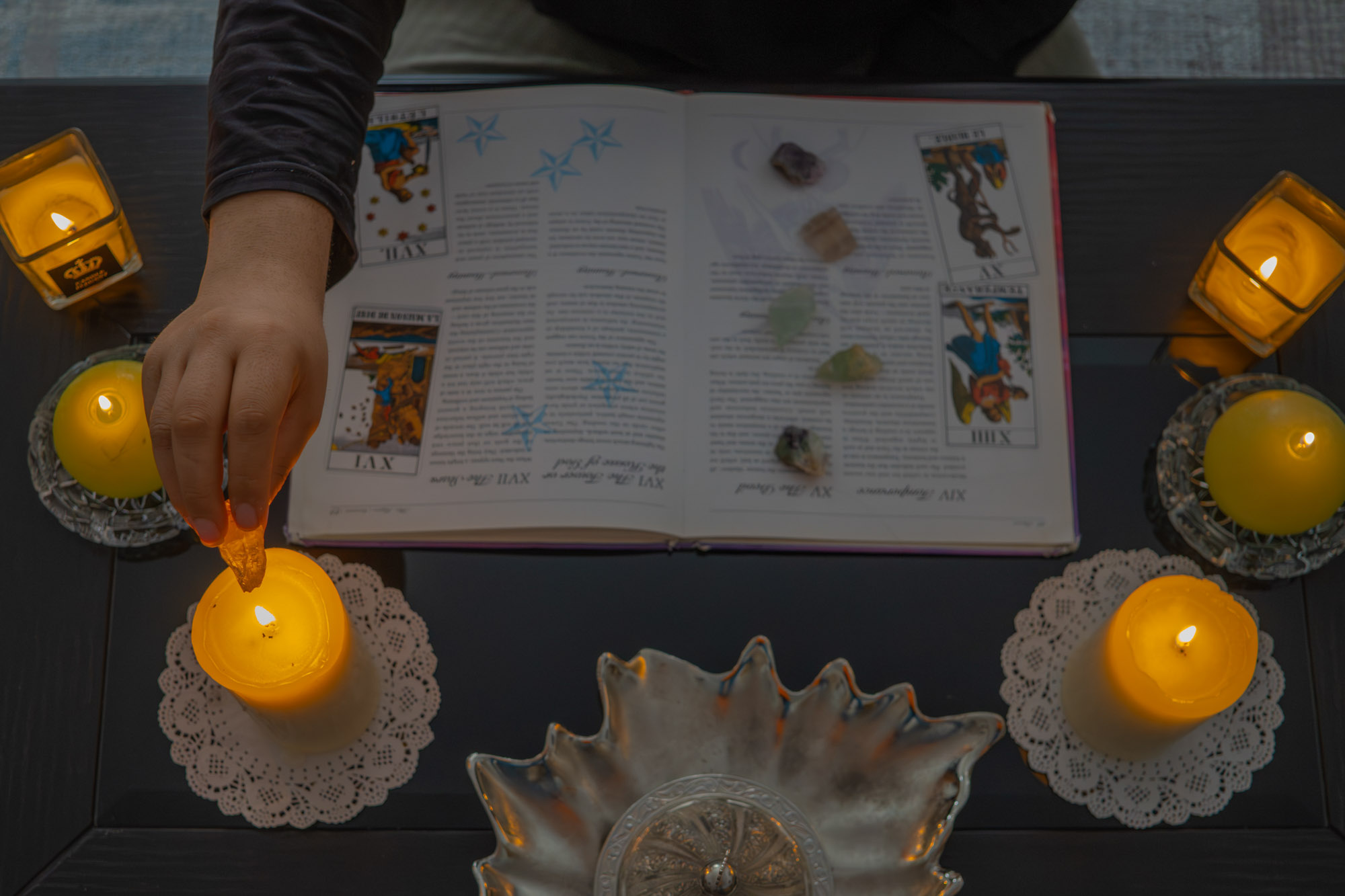
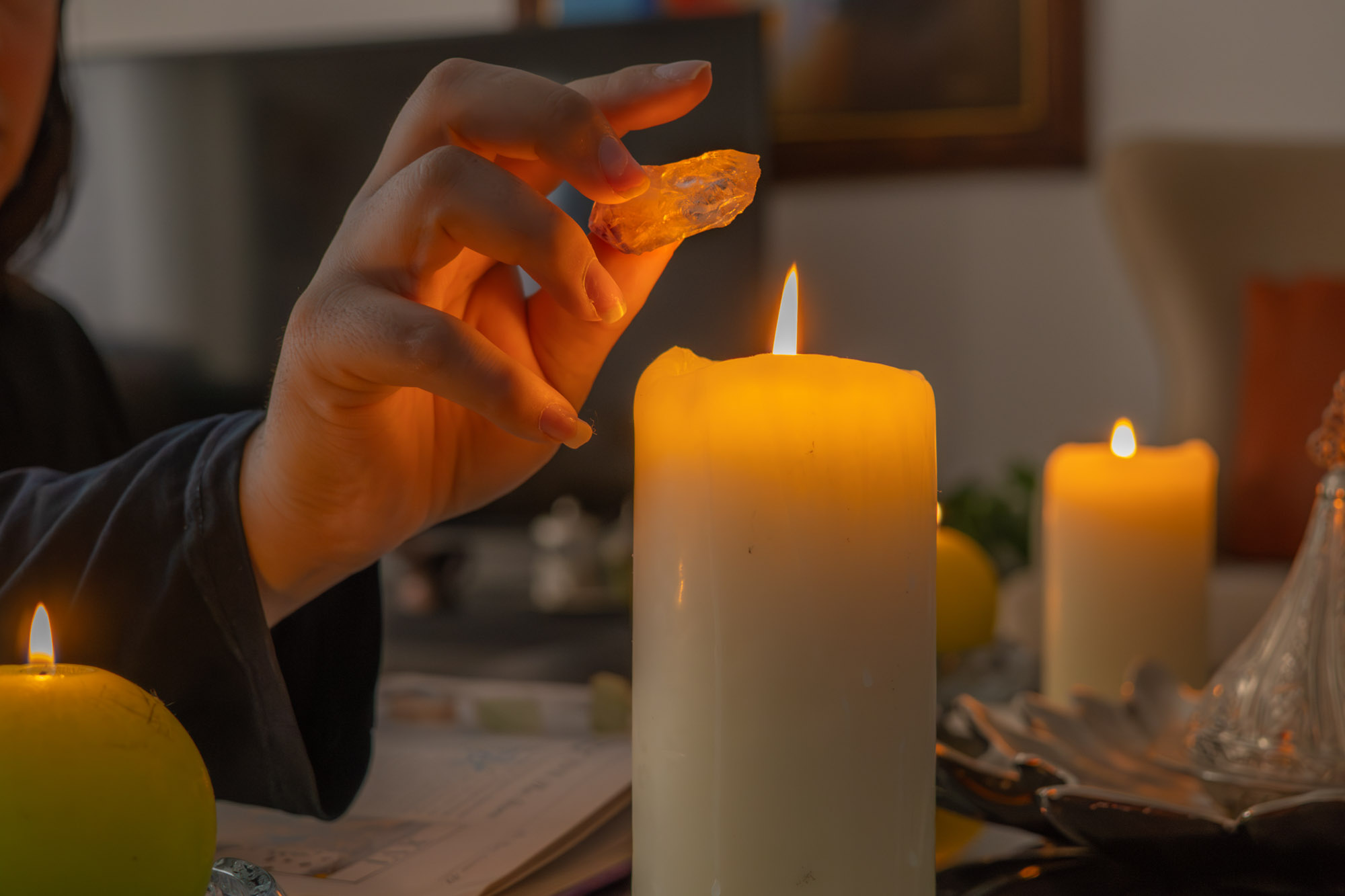
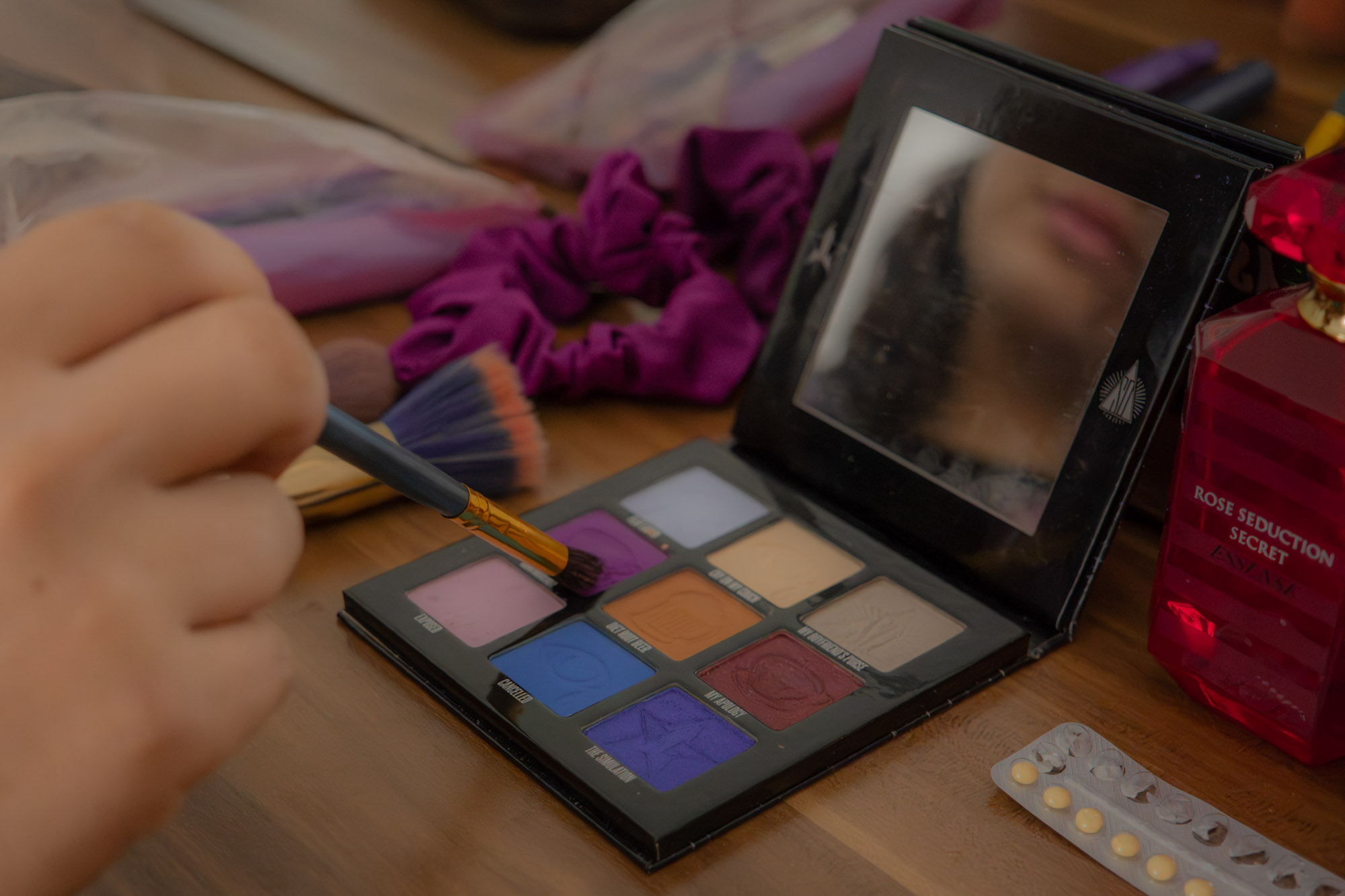
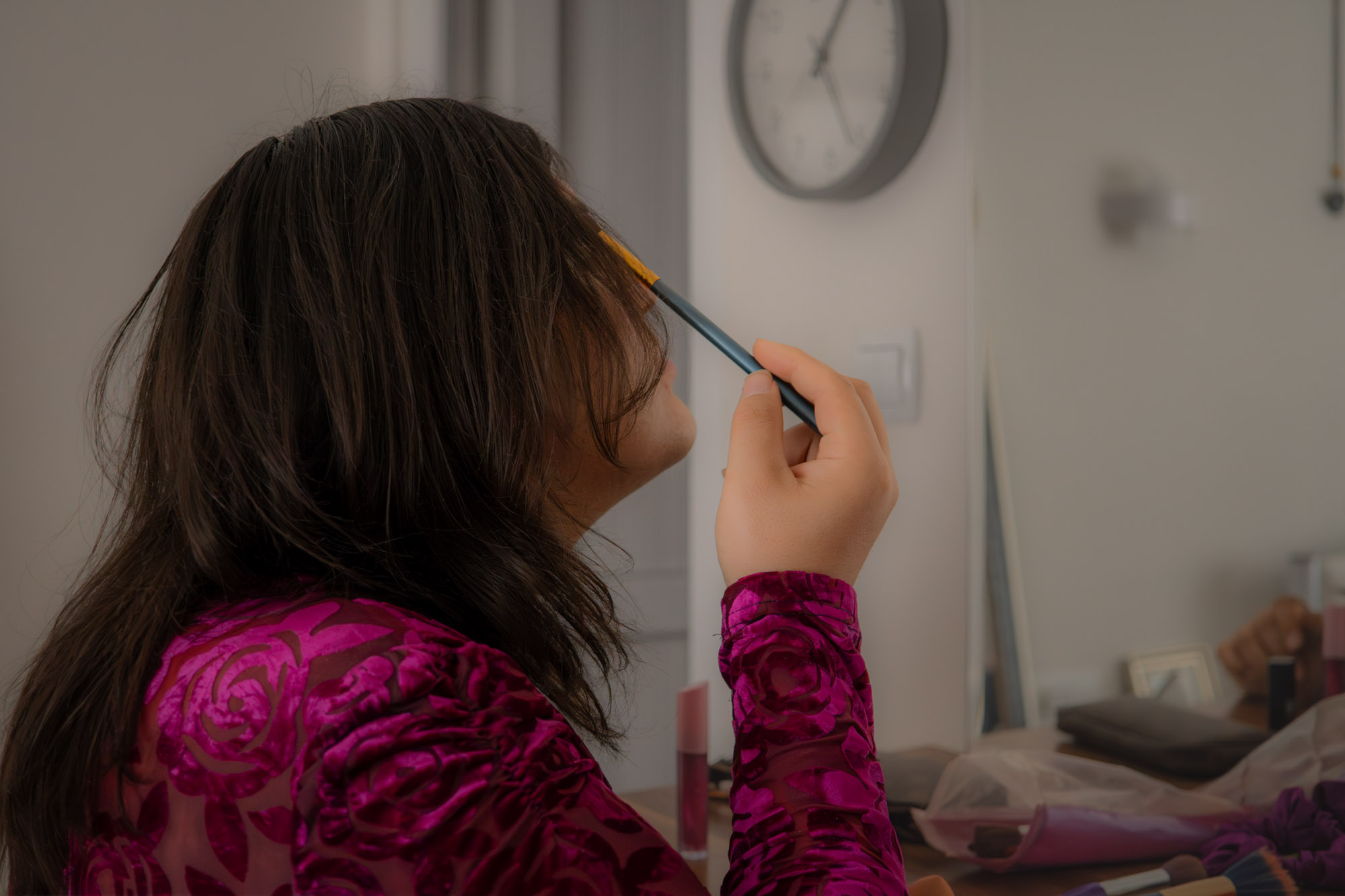
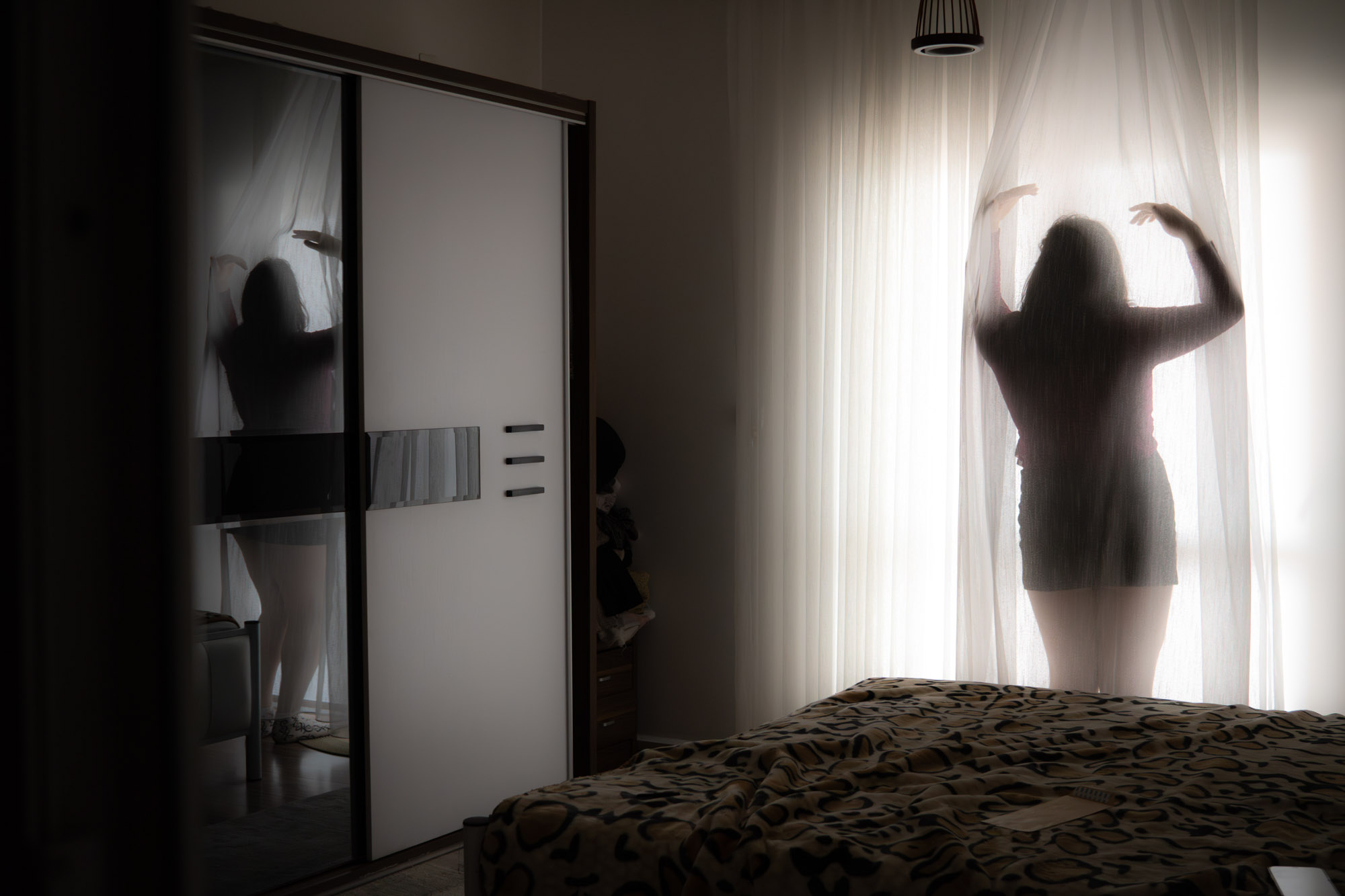
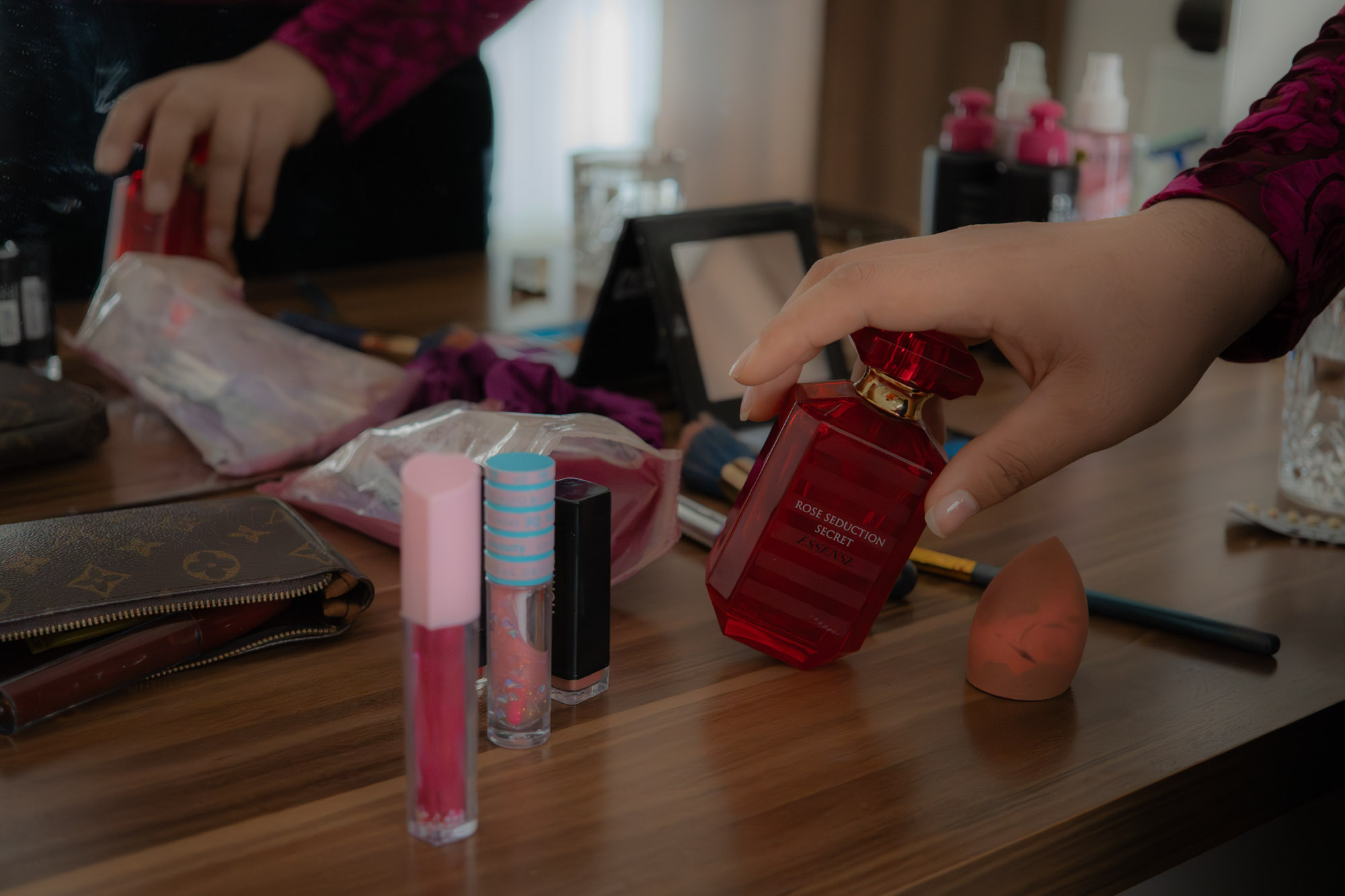
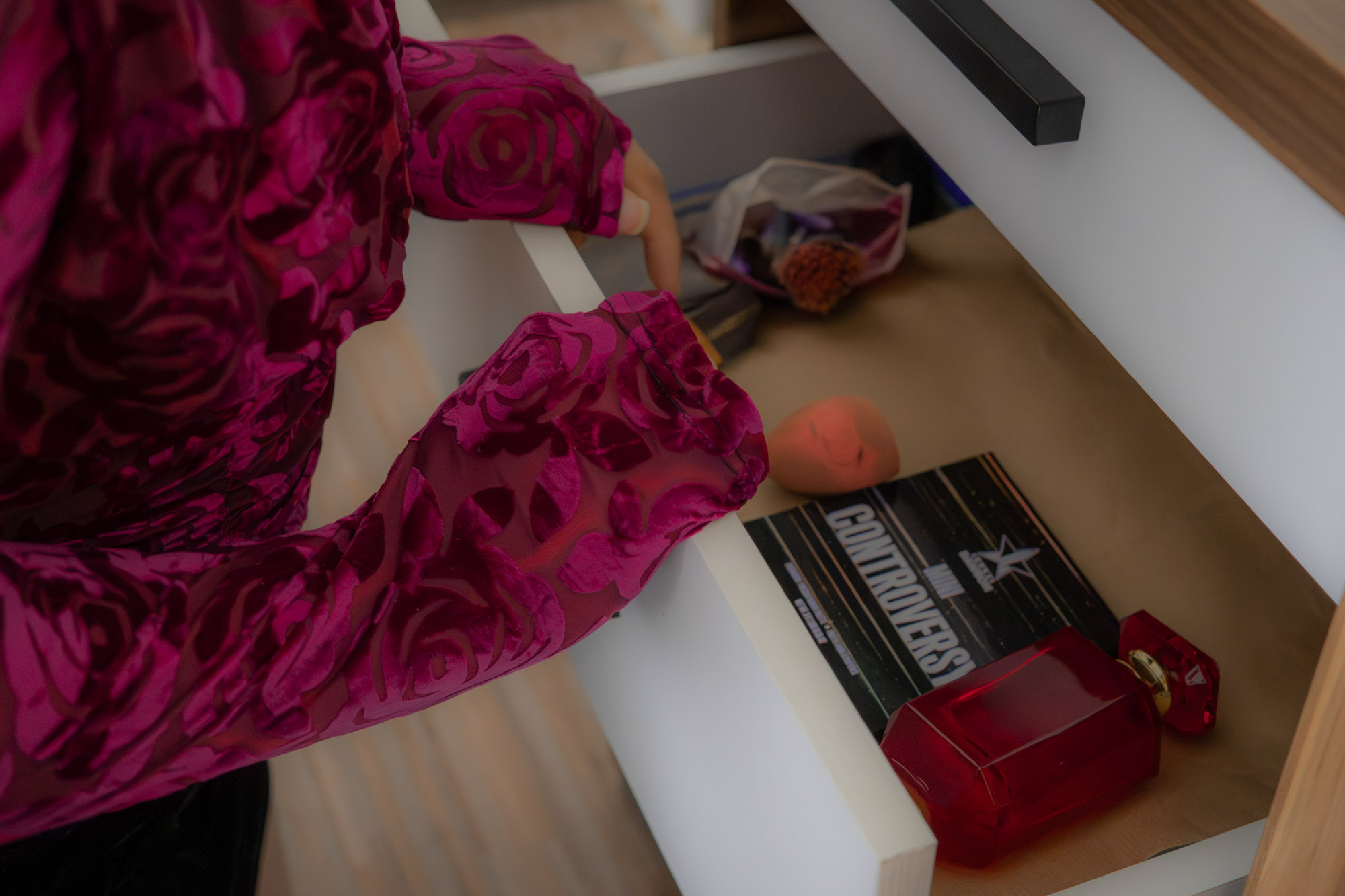
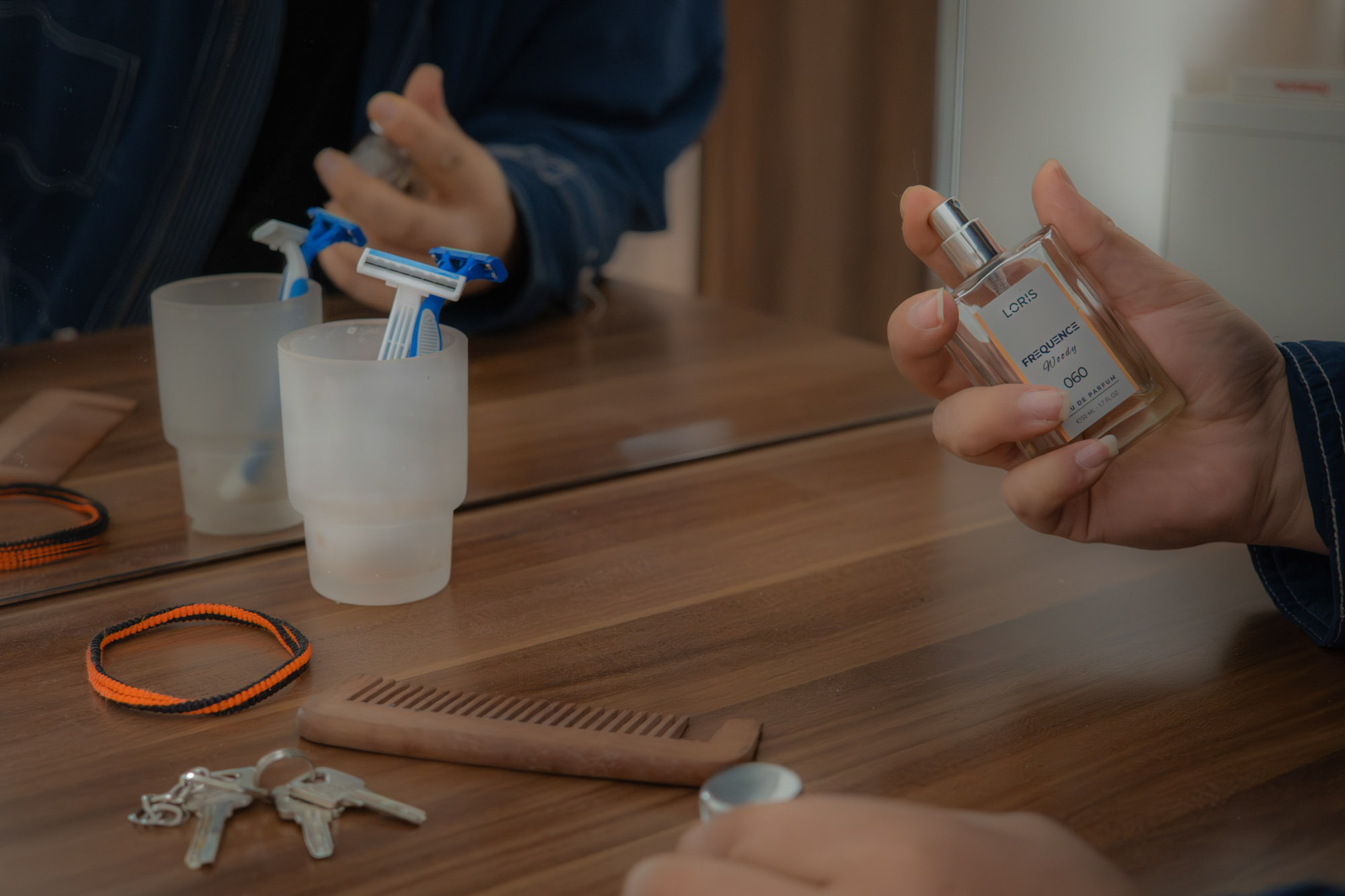
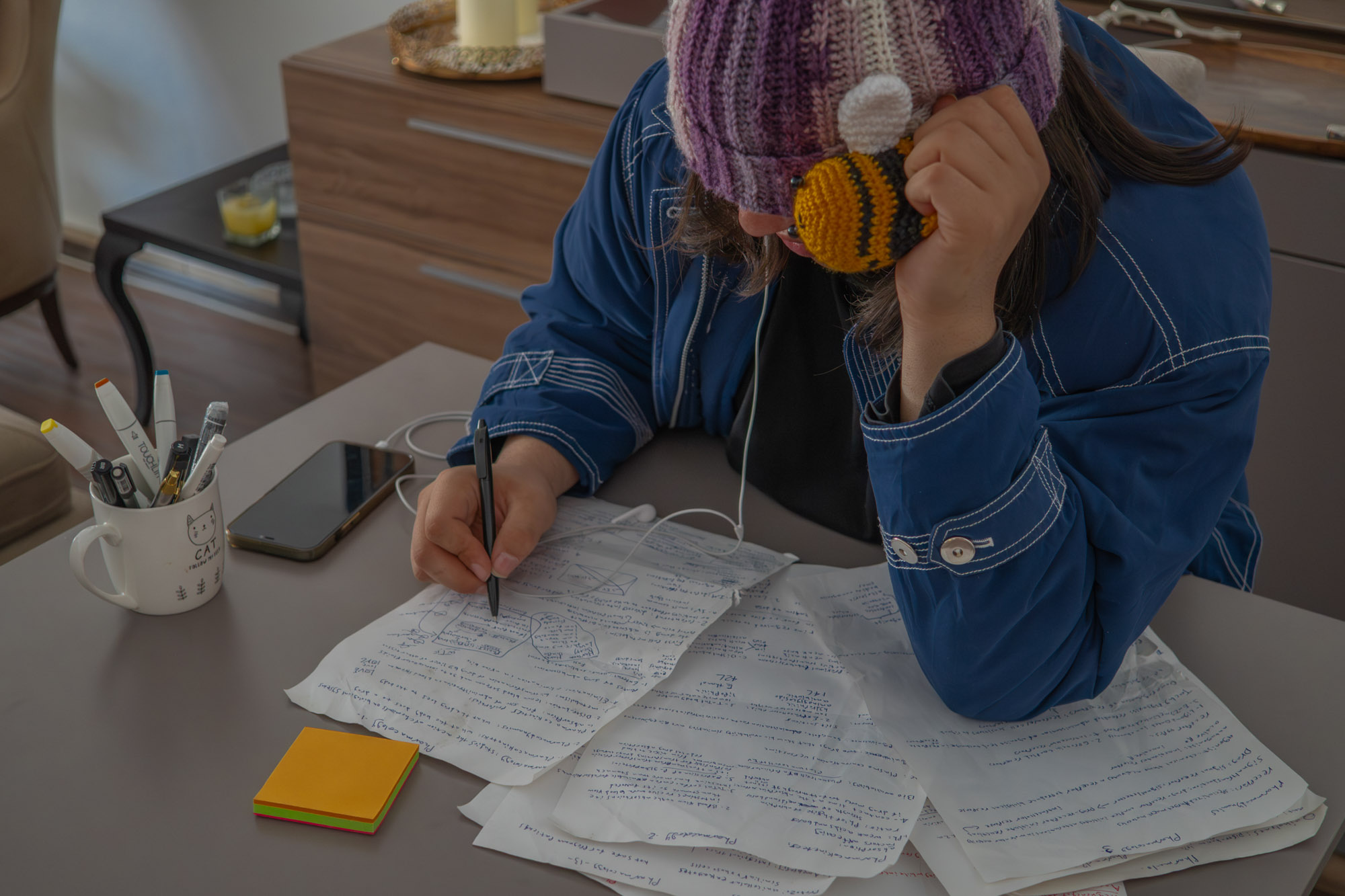
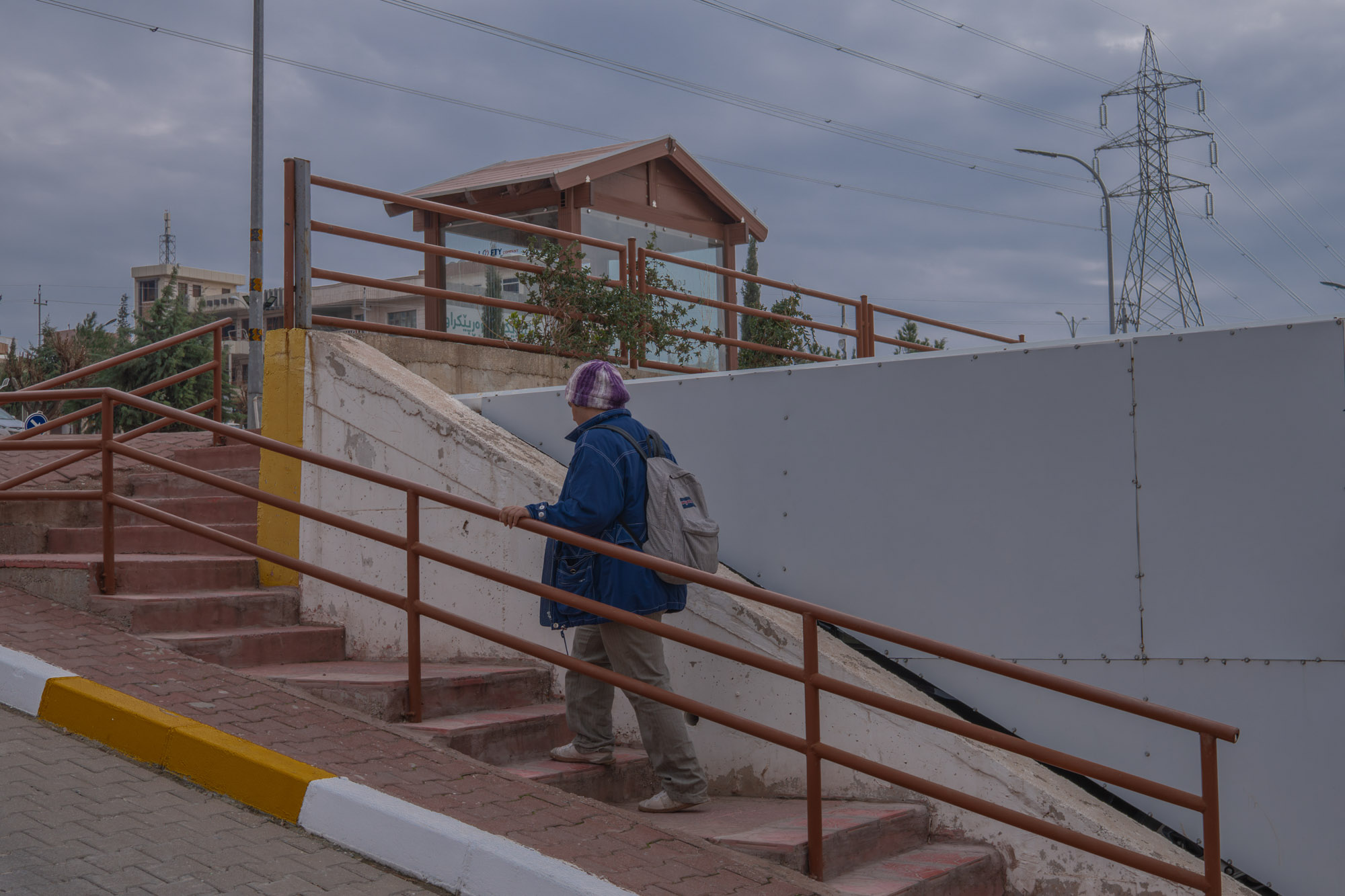
Betty holds close the things that give her strength: tarot cards, candles, a makeup brush, headphones, a bottle of perfume. These objects do not appear as incidental props, but as carriers of meaning, material condensations of self-assurance, protection and inner orientation. This act of holding extends beyond the objects themselves: she grips a railing in an outwardly hostile environment and carefully draws aside a delicate, translucent curtain that both separates and connects her from the viewer’s, as well as the outside’s gaze. In this work, Hana Ibrahim develops a visual language that is at once warm, intimate and restrained, approaching Betty’s everyday life with due care and sensitivity. The series opens a space into interior states without fully disclosing them, thereby creating a form of proximity grounded in trust rather than exposure. The viewers are allowed into these fragile image-spaces, an access that is neither self-evident nor neutral, but offered as a conscious gesture of trust.


Betty’s

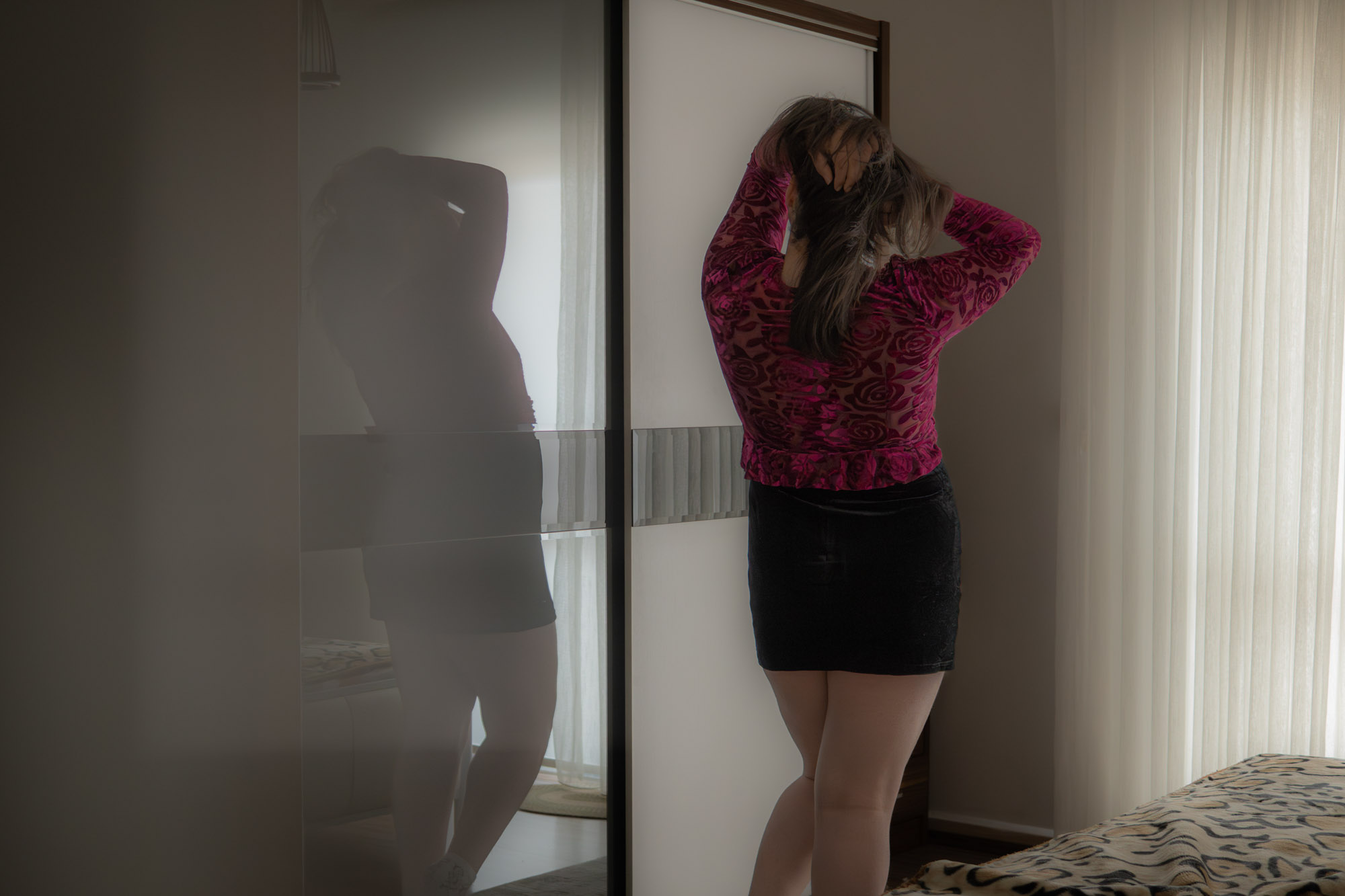
The project follows Betty, who lives between concealment and emergence, navigating a reality shaped by transition, fear, and survival. For a long time, she imagined transitioning as something distant—a future she could slowly prepare for, a quiet promise made in 2022 in order to endure the present. Yet as dysphoria intensified and mental distress deepened, waiting became impossible. After a period of acute psychological crisis, she chose to begin hormone treatment in September, self-prescribed, as an act of survival rather than delay. Transition, however, does not translate into safety. Visibility itself becomes a risk. Outside the home, oversized clothing is used to obscure the body and conceal medication taken in secrecy. In this context, being seen does not equal freedom, but exposure. The work pays particular attention to the interiority of this process: not only bodily change, but the long, fragmented journey of self-recognition. Confidence emerges slowly, constructed in private, often behind closed doors. Within this restricted environment, moments of solitude become crucial. When alone, brief intervals open a fragile space of possibility, where existence without disguise becomes momentarily possible. The bedroom functions as a protected zone, a space of carefully arranged duality: makeup, perfume, and styling tools are hidden away, while masculine signifiers remain visible as a strategy of concealment and survival. The room becomes both stage and shelter, a site where visibility is continuously negotiated. The project also reflects on earlier gestures of self-recognition: as a child, there was an instinctive attraction toward femininity, expressed through secret encounters with clothing and self-imagining. Today, this reflection is no longer borrowed but constructed. Through fashion, drag, and acts of self-styling, a process of becoming unfolds that is not imitation, but self-definition—an ongoing attempt to bring inner truth into visibility on one’s own terms.


Biography

Hana Ibrahim is a Kurdish-Iraqi photojournalist whose practice moves between humanitarian field documentation, street photography, environmental observation and visual storytelling. Working as a freelance photographer and fixer in close collaboration with NGOs, she documents communities and everyday life across diverse contexts, with a particular focus on underrepresented realities. Her work engages with questions of dignity, ethics, and visibility, addressing themes such as women’s and children’s rights, queer experiences, and other socially marginalised narratives. Alongside her documentary practice, Hana explores nature and bird photography, reflecting on ecological anxiety, coexistence, environmental vulnerability, and resilience. Her interdisciplinary approach bridges journalism, advocacy, and artistic practice. Her work addresses displacement, taboo subjects, harassment, queer and gendered experiences, ecological loss, and everyday forms of resilience. Across photography, video, communication, podcasting, design, and filmmaking, she uses storytelling as a tool for awareness, accountability and social change.

Jury Statement

Betty hält in ihren Händen, was ihr Kraft gibt: Tarotkarten, Kerzen, einen Make-up-Pinsel, Kopfhörer, einen Parfumflakon. Diese Objekte erscheinen nicht als beiläufige Requisiten, sondern als Träger von Bedeutung, als materielle Verdichtungen von Selbstvergewisserung, Schutz und innerer Ausrichtung. Zugleich zeigt sich dieses Halten auch indem sie ein Geländer in einer als feindlich erfahrenen Außenwelt fest greift, im vorsichtigen Öffnen eines zarten, transparenten Vorhangs, der gleichermaßen trennt und verbindet. Hana Ibrahim entwirft in dieser Arbeit eine warme, persönliche und zugleich zurückhaltende Bildsprache, die sich Bettys Alltag mit großer Sensibilität annähert. Die Serie eröffnet einen intimen Einblick in innere Zustände, ohne diese vollständig preiszugeben und schafft damit eine Form der Nähe, die auf Vertrauen basiert. Für die Betrachtenden entsteht das Gefühl, Teil dieser fragilen Bildräume zu sein, ein Zugang, der nicht selbstverständlich ist, sondern als bewusster Vertrauensvorschuss gewährt wird.


Betty’s

Die Fotoserie folgt Betty, die zwischen Verhüllen und Sichtbarwerden lebt und sich in einer von Übergang, Angst und Überlebensstrategien geprägten Realität bewegt. Transition erscheint zunächst als fernes Zukunftsversprechen, ein Zustand, auf den sich die Protagonistin seit 2022 schrittweise vorbereitet, als eine leise Form von Selbstvergewisserung im Versuch, die Gegenwart auszuhalten. Mit zunehmender Dysphorie und sich verdichtender psychischer Belastung wird das Warten jedoch unhaltbar. Nach einer akuten Krise beginnt sie im September eine selbst initiierte Hormonbehandlung als Entscheidung für das Überleben im Jetzt. Transition bedeutet dabei keine unmittelbare Sicherheit. Sichtbarkeit selbst wird zum Risiko. Der Körper wird im öffentlichen Raum durch oversized Kleidung kaschiert, Medikamente werden im Verborgenen mitgeführt. Sichtbarwerden ist hier nicht mit Freiheit gleichzusetzen, sondern mit einer gesteigerter Exponiertheit. Die Arbeit richtet den Blick auf die Innerlichkeit dieses Prozesses: auf ein Werden, das sich weniger als lineare körperliche Veränderung denn als fragmentierter, psychisch wie affektiv durchlaufener Prozess der Selbstanerkennung vollzieht. Selbstverhältnis entsteht nicht abrupt, sondern in langsamen, prekären Verdichtungen, häufig im Verborgenen, jenseits öffentlicher Lesbarkeit. Innerhalb dieser Einschränkungen gewinnen Momente der Isolation eine besondere Bedeutung. In temporären Zuständen des Alleinseins öffnen sich fragile Räume, in denen ein nicht festgeschriebenes, vorübergehend ungeschütztes Dasein möglich wird. Das Schlafzimmer erscheint dabei als geschützter Resonanzraum, als sorgfältig komponierte Ambivalenz: Kosmetische und körpermodulierende Objekte sind verborgen, während konventionelle Marker geschlechtlicher Lesbarkeit bewusst sichtbar bleiben und als Strategien der Tarnung und des Überlebens fungieren. Der Raum ist Bühne und Schutzraum zugleich, ein Ort, an dem Sichtbarkeit nicht gegeben, sondern permanent neu ausgemacht wird. Die Arbeit verweist zudem auf frühe Momente der Selbstwahrnehmung, in denen sich eine intuitive Hinwendung zum Femininen in heimlichen Gesten und Imaginationen manifestierte. Diese frühen Spiegelungen werden heute nicht reproduziert, sondern in einen eigenständigen, ästhetisch wie existenziell begründeten Prozess der Selbstproduktion überführt. In Mode, Drag und performativer Selbstgestaltung artikuliert sich ein Werden, das nicht auf Imitation zielt, sondern auf eine kontinuierliche Selbstdefinition, als Versuch, innere Wahrheit unter Bedingungen struktureller Unsicherheit in Sichtbarkeit zu überführen.


Biography

Hana Ibrahim ist eine kurdisch-irakische Fotojournalist*in, deren Praxis sich zwischen humanitärer Felddokumentation, Straßenfotografie, Umweltbeobachtung und visueller Erzählung bewegt. Als freischaffende Fotograf*in arbeitet sie eng mit NGOs zusammen und dokumentiert Gemeinschaften und alltägliches Leben in unterschiedlichen Kontexten, mit einem besonderen Fokus auf unterrepräsentierte Realitäten. Ihre Arbeit setzt sich mit Fragen von Würde, Ethik und Sichtbarkeit auseinander und behandelt Themen wie Frauen- und Kinderrechte, queere Erfahrungen sowie andere gesellschaftlich marginalisierte Narrative. Neben ihrer dokumentarischen Praxis beschäftigt sich Hana mit Natur- und Vogelbeobachtungsfotografie und reflektiert dabei ökologische Angst, Koexistenz, ökologische Verletzlichkeit und Resilienz. Ihr interdisziplinärer Ansatz verbindet Journalismus, Aktivismus und künstlerische Praxis. Ihre Arbeit thematisiert Vertreibung, Tabus, Belästigung, queere und geschlechtliche Erfahrungen, ökologischen Verlust sowie alltägliche Formen von Widerstandskraft. Über Fotografie, Video, Kommunikation, Podcasting, Design und Film hinweg nutzt sie Storytelling als Instrument für Bewusstsein, Verantwortlichkeit und sozialen Wandel.

Hannah Cauhépé

“Hors-Jeu” is a French pun on the offside rule in football, literally “out of the game”, paired with a Turkish phrase meaning “queer people are everywhere.” This juxtaposition reflects the paradox at its core: queer communities in Turkey are systematically pushed to the margins, yet remain present across all social and geographic spaces.

watch project »

Hana Ibrahim

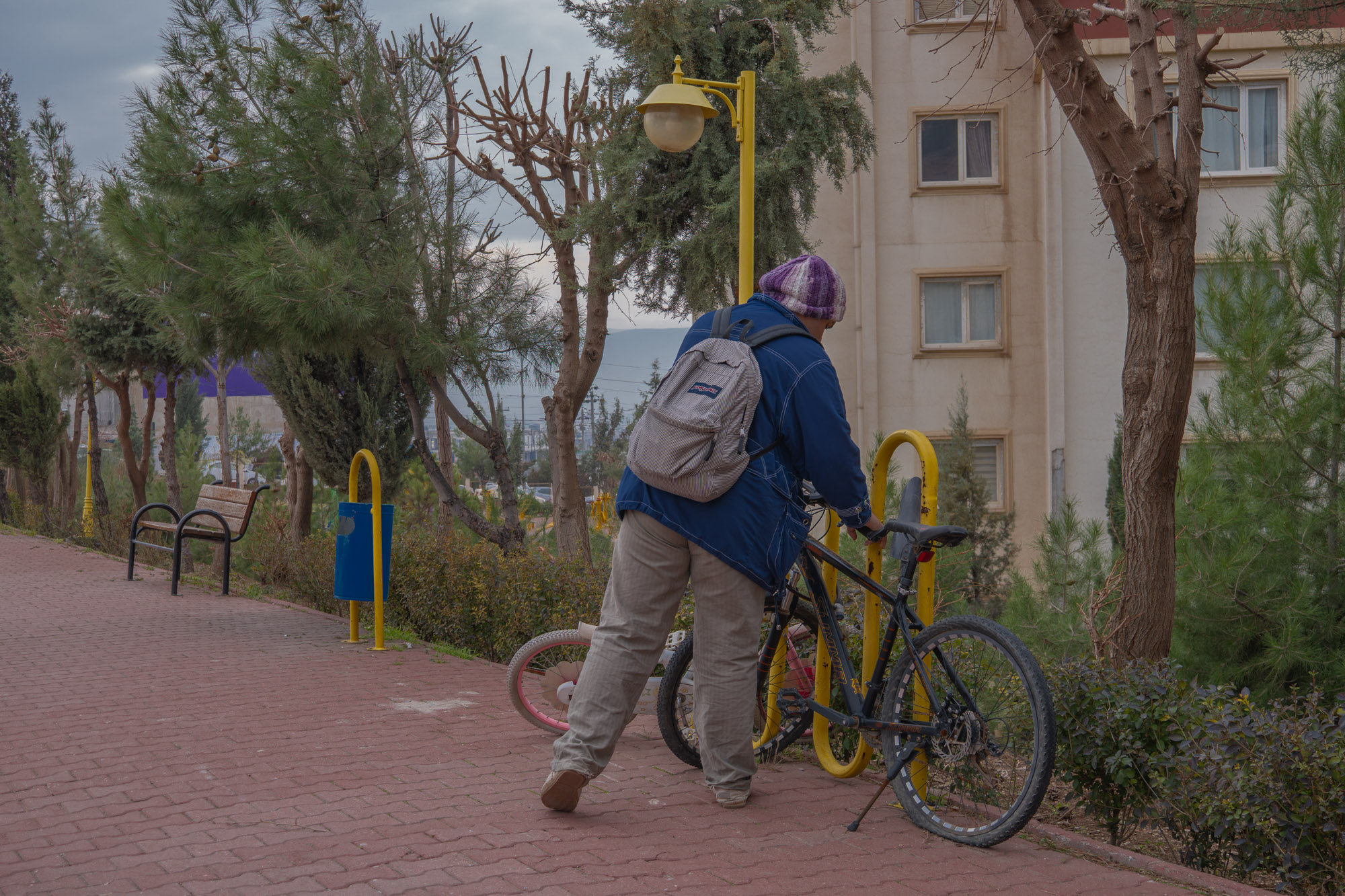
The project follows Betty, who lives between concealment and emergence, navigating a reality shaped by transition, fear, and survival. These objects do not appear as incidental props, but as carriers of meaning, material condensations of self-assurance, protection and inner orientation.

watch project »

Lindsay Perryman

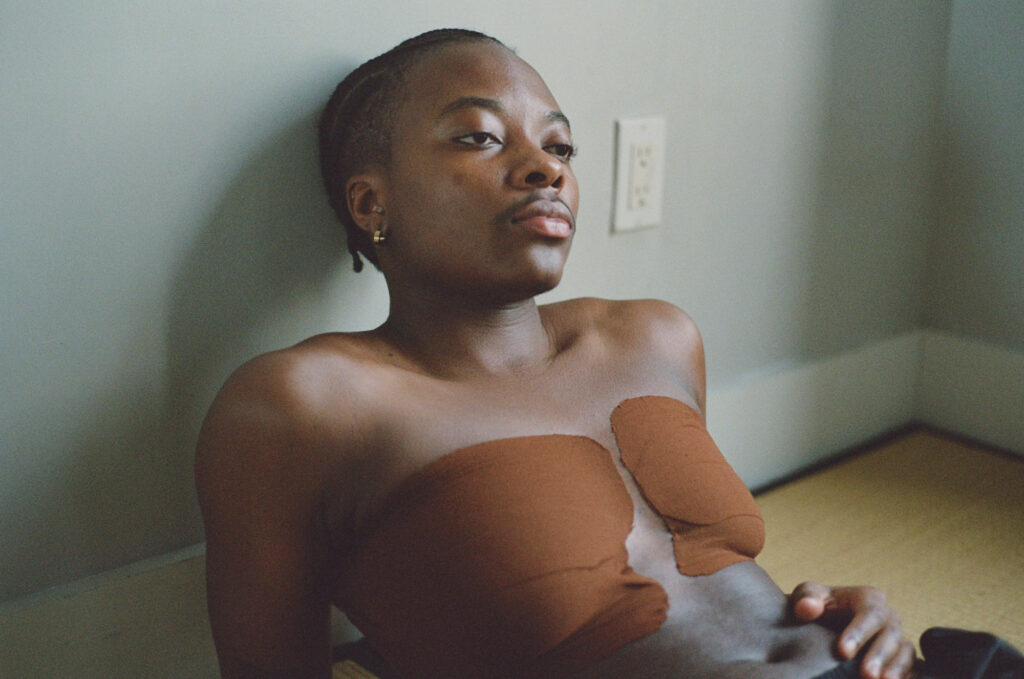
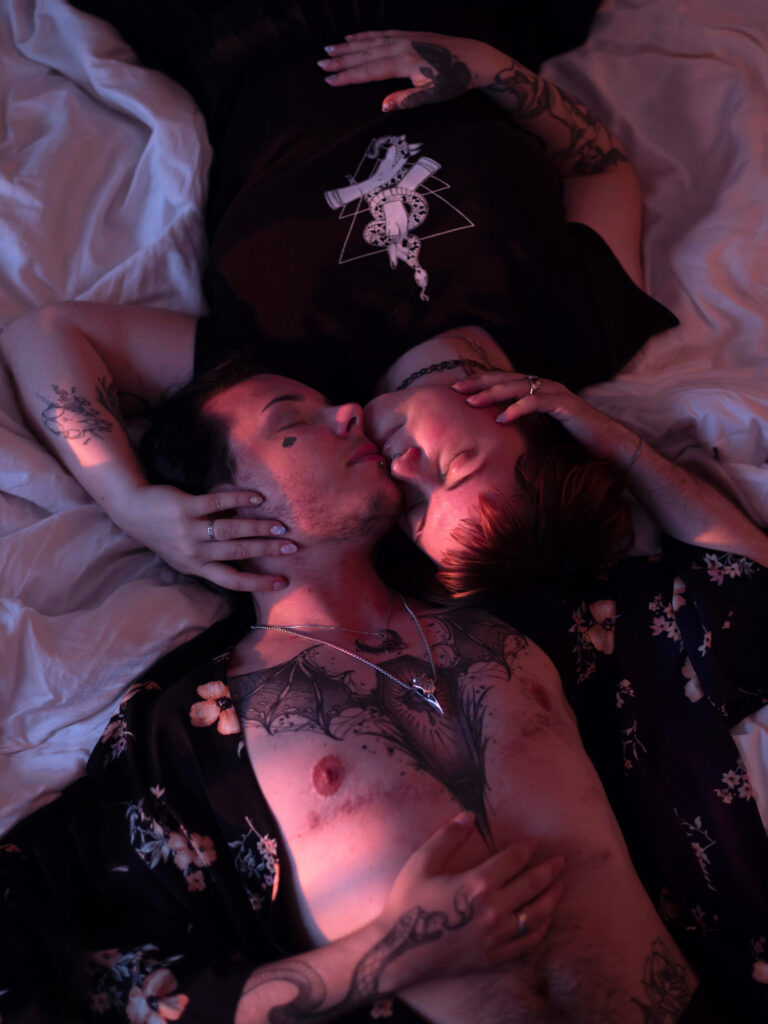
TOPS explores the vulnerability inherent in processes of bodily and subjective transformation, focusing on individuals who have undergone top surgery. Through a combination of group and individual portraits, as well as interior settings, the work traces moments of transition in which identity is continuously unraveling and re-forming.

watch project »

Ciaran Inns

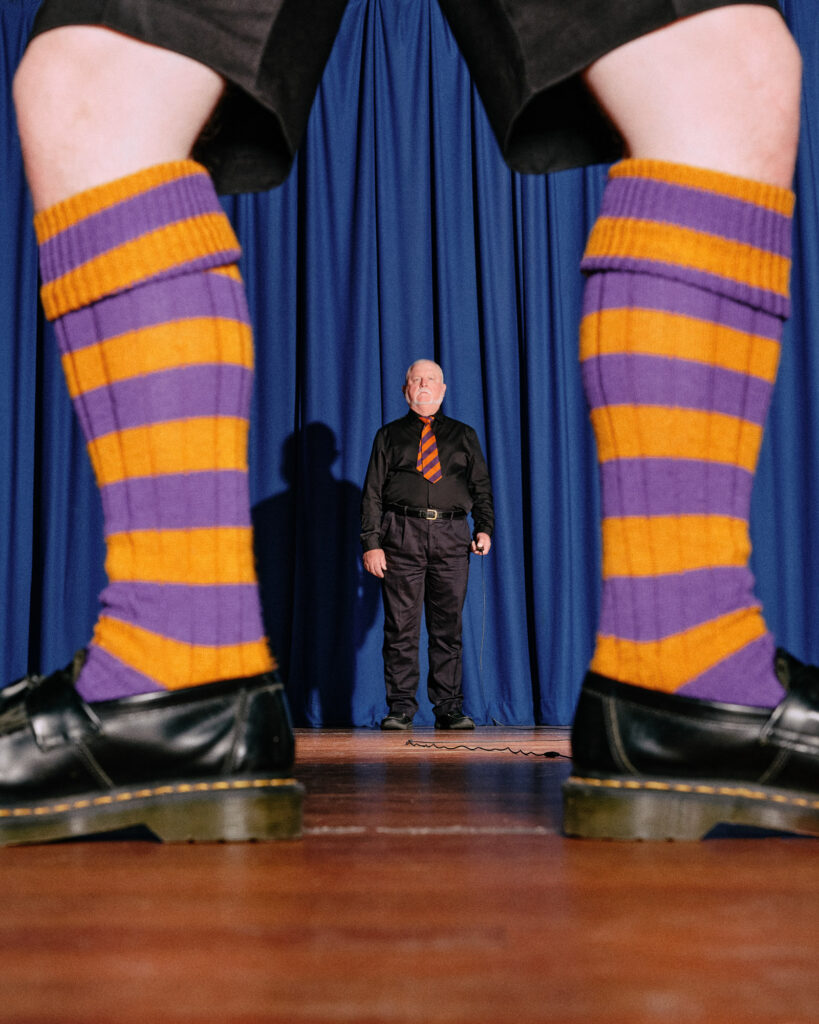
Is He Family? is a collaborative body of work created with Neil, the artist’s former drama teacher and now friend. The project takes its title from coded language once used within queer communities, where phrases such as “are they family?” functioned as signals of recognition, safety, and solidarity in contexts where openly queer existence carried risk.

watch project »

Alexandra Obochi

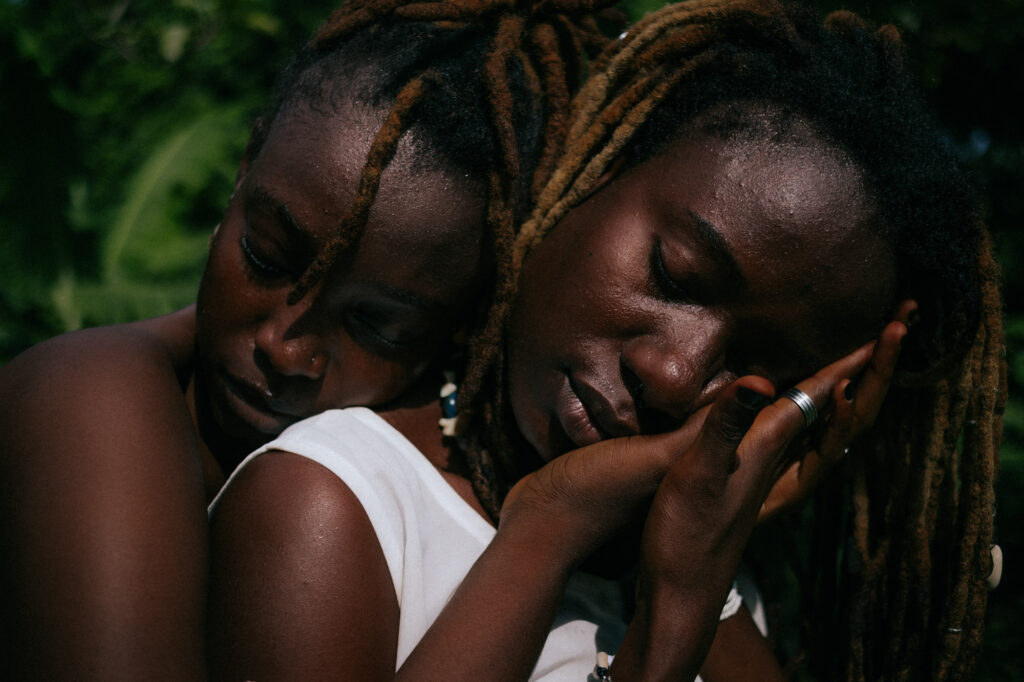
Held by Each other: Community care and Queer Survival in Nigeria reflects many different forms of holding each other, rooted in Nigeria but also transcending geographically and culturally constrained spaces. It speaks to a search for sanctuary, for closeness in distance and for a sense of family within diverse constellations, universal longings that take shape as different forms of a warm embrace.

watch project »

Ali Mahini

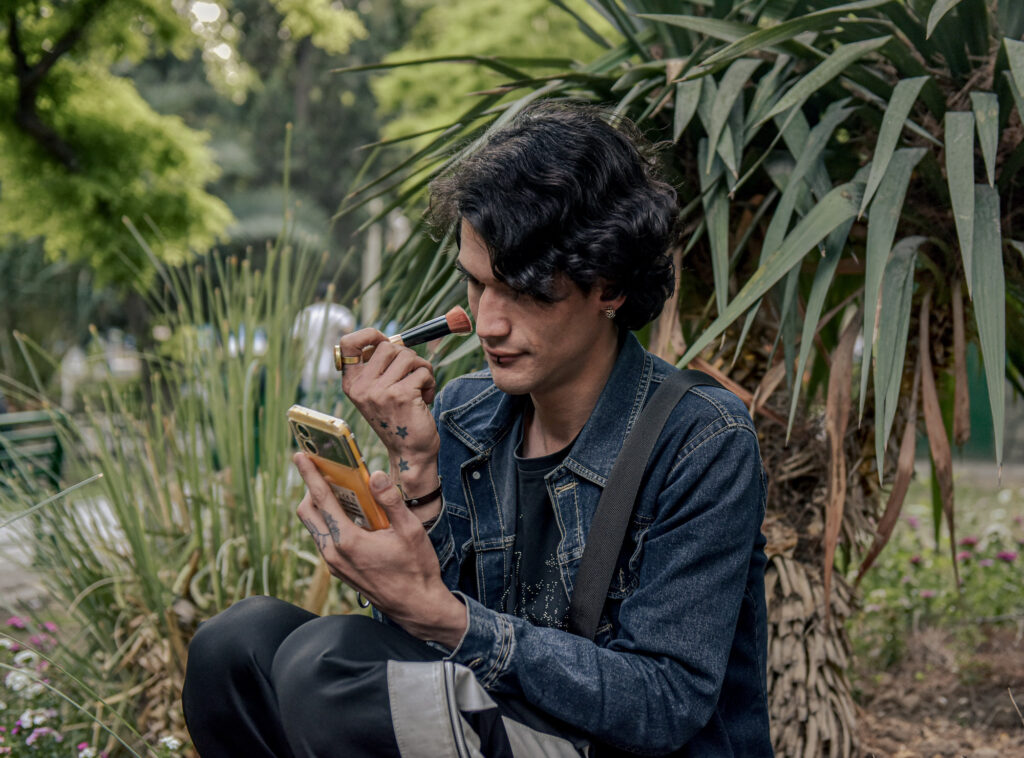
What has become of the people portrayed in Ali Mahini’s series Prince of Persia in the months since encountering the work, whether they are still alive, remains unknown. Nor do we know the current state of the park that served as their place of gathering. Concrete information from within and about Iran is, at present, scarcely accessible.

watch project »

Luca Gaetano Pira

We are deeply moved by Tania Navarro’s story, as well as by the strength, resilience and joy of life reflected in the eyes captured by Luca Gaetano Pira in his documentary series.

watch project »

Sergei Stroitelev

Sergei Stroitelev’s series is carried by cool, subdued tones and soft light. Interiors and carefully placed objects interact and become carriers of emotion. A sense of being held unfolds, located not only in interpersonal relationships but also in objects and letters that store and transmit memory.

watch project »

Bienyl Huelgas

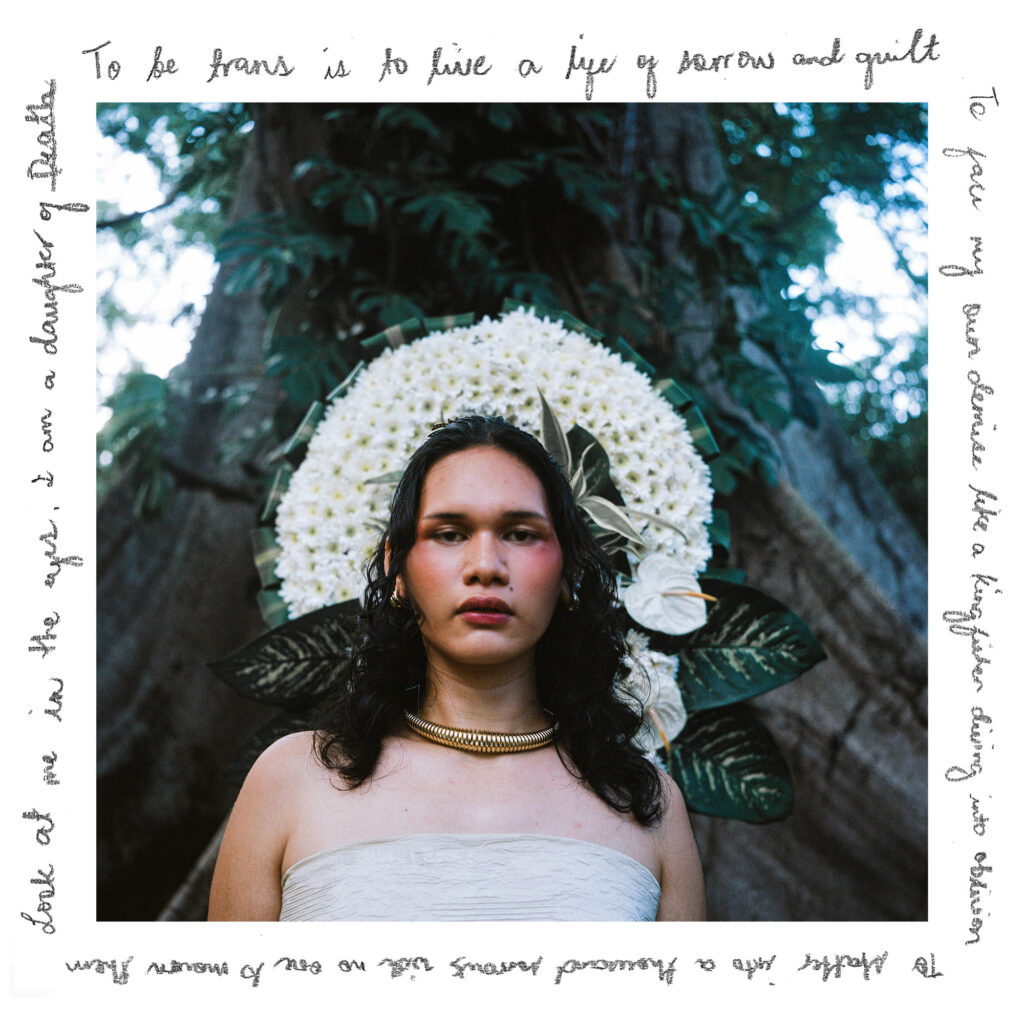
Bienyl Huelgas shows a poetic visual language of mythic imagery and written thought, presenting the notion of holding each other not only between individuals but as a collective structure: a shared carrying of pain, memory and desire within a community that stabilizes itself.

watch project »

Léa Fiterman

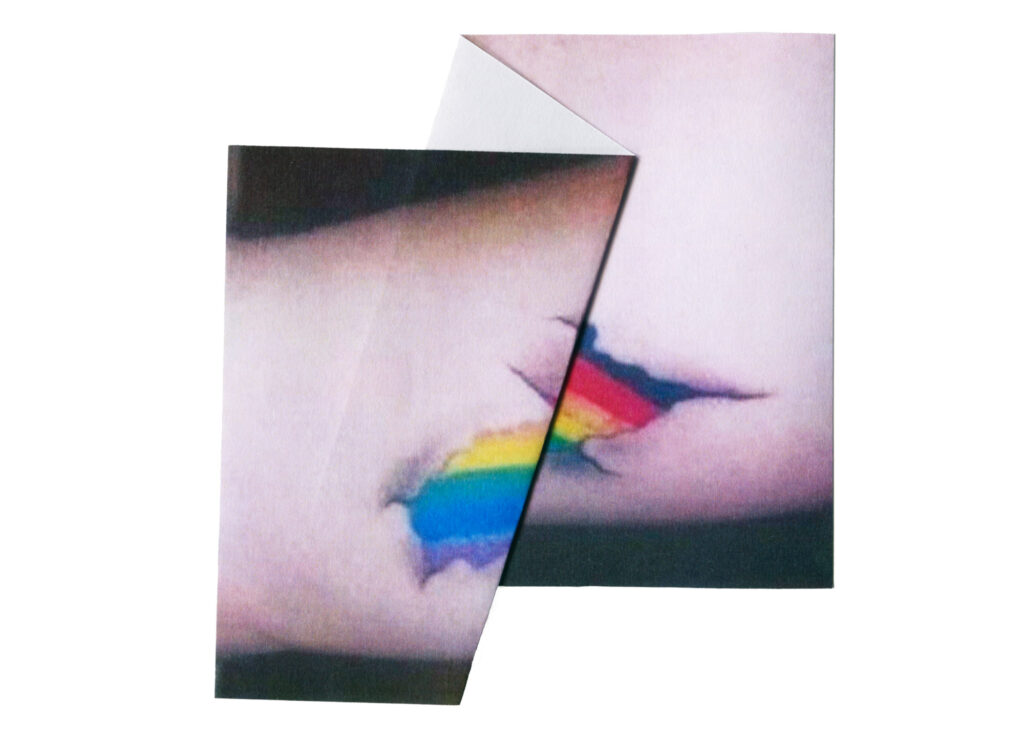
In moments of crisis, censorship and systematic erasure, the need for support becomes all the more urgent. Léa Fiterman develops a precise yet poetic visual language in response, in which formal restraint and tactile interventions play a central role.

watch project »

Frances Marshall

Duet is an ongoing collaboration between the two artists Zac Thompson and JuJu rooted in film photography and performance, shaped by shared experiences of growing up in religious, evangelical environments.

watch project »

Zac Thompson and JuJu Lee

Searching for safe and welcoming spaces, sites that allow for free self-expression and enable lives beyond the margins, aligns not only with geo-political borders but often also across the divide between rural and urban contexts.

watch project »

林家夯 Lin jaihang

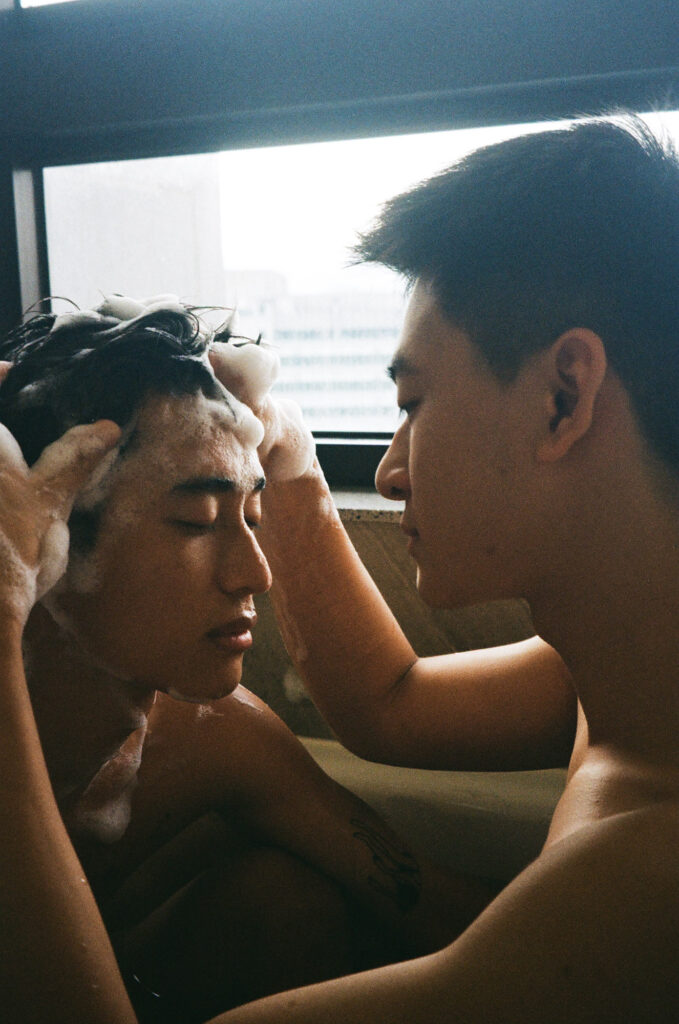
林家夯 Lin Jaihang shows a fragile interplay of familiarity, desire and care through gestures of physical closeness. His photographs are tender and playful, characterized by light, warmth, and intimacy. In a darkening present, they offer a perspective that reminds us of the possibility of beauty in closeness.

watch project »